
REVIEW · VOLCANO HIKES & NEVADO DE TOLUCA
Trekking Through The Volcanoes
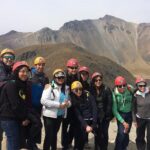
Volcano trekking starts early, and it shows you Mexico City from a whole new angle. This guided hike leads you through the Iztaccihuatl-Popocatepetl National Park, between forests, glaciated-looking peaks, and active-volcano views like fumaroles. I love that the route is designed to get you off the beaten track, with standout viewpoints rather than just a walk in the park.
What I liked most is the human pace, plus the fact that you do not have to manage your own gear. Lunch is included, and you get a provided backpack and trekking poles, with snacks and drinks along the way. One thing to consider: this is physically demanding at high altitude, so you will feel the strain even if the trail is not technically hard.
Key things to love about this Iztaccihuatl and Popocatepetl trek
- Small group cap of 13 keeps the day calmer and easier to manage on steep or slippery sections
- Provided trekking poles and backpack mean you hike smarter, not heavier
- Guides like Bernardo, Carlos, Alan, and Sergio often explain what you are seeing, from flora to volcano geography
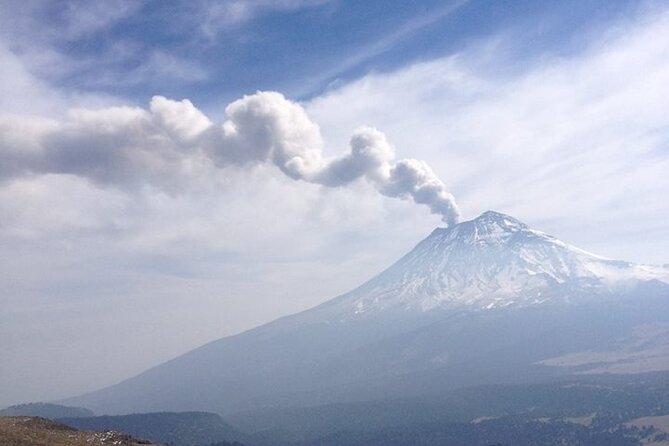
- Cerro Altzomoni viewpoint is the big “wow” moment, with Popocatepetl fumaroles in view
- Stop at Amalacaxco ravine gives you a change of scenery and a chance to spot local plants and wildlife
- Traditional market lunch hits the spot after a long morning on thin air
Choose another high trail beyond the city
- Nevado De Toluca: Reach the Summit with Professionals
★ 4.8 · 250 reviews - Iztaccihuatl Volcano Hike with an Alpinist
★ 4.0 · 244 reviews - Mexico City: Guided Volcano Trek with Lunch
★ 4.7 · 242 reviews - From Mexico City: Hike Iztaccihuatl Volcano with an Alpinist
★ 4.3 · 155 reviews
From Condesa to the park: how the day gets rolling
You start in Condesa at Av. Vicente Suárez 38, with a 7:00 am departure. Expect a drive of about two hours each way, and yes, the roads can be winding. If you get car sick, plan for it, because the drive eats up some of your patience before you even lace up your boots.
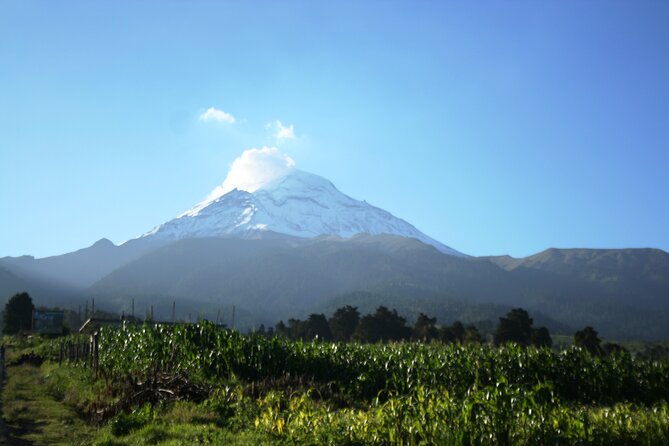
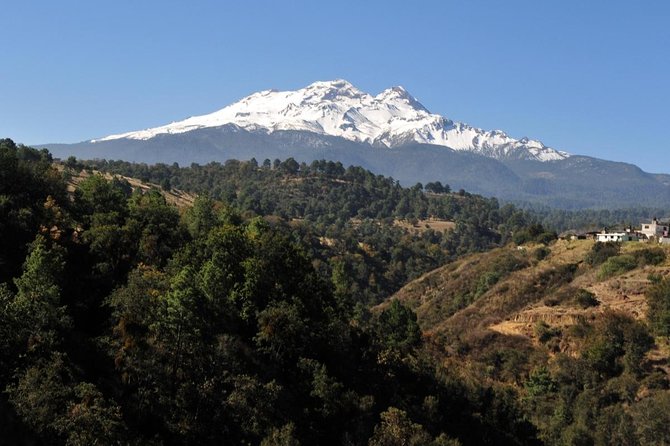
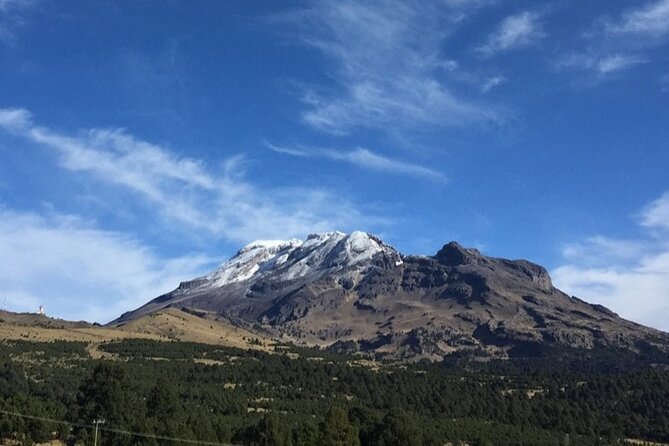
Once you reach the national park area, the trek feels like a clean break from city life. You are moving between two monumental volcanoes, Iztaccihuatl in front of you at points, and Popocatepetl dominating the skyline when you gain elevation. The experience is built around a guided route, so you are not spending the day figuring out where to go or what you are looking at.
That’s also where the “small group” advantage matters. With 13 travelers max, you can actually keep up without feeling rushed, and the guide can slow down when people need it. Many guides on these runs, including Bernardo and Carlos, are the type who check in with the group and adjust pace.
Paso de Cortes forest walking, with Iztaccihuatl in view
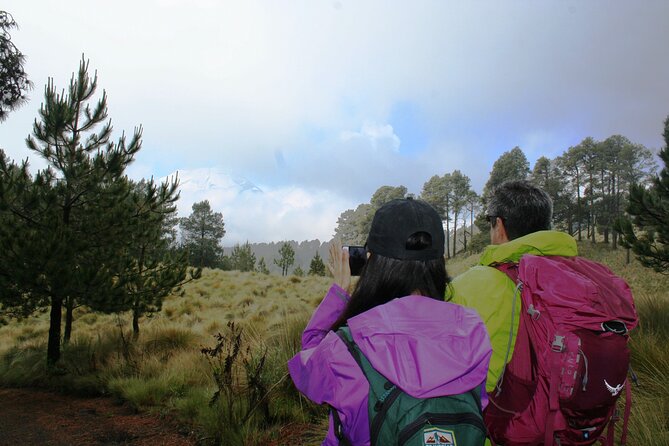
The hike begins at Paso de Cortes. This part sets the tone. You walk through forested stretches while Iztaccihuatl is positioned in front of you, so the scenery keeps “anchoring” you. It is not just one long climb, and that variety helps your legs and your head.
Trail conditions vary. Some sections feel like dirt road, while others include rocks and short climbs that can feel slick when the ground is damp. Reviews also mention dusty ash-like material that can get kicked up, so your breathing will matter more than you expect. This is not a gentle stroll, but it is also not technical mountain scrambling. It is a hike that asks for good footing and a steady rhythm.
A good guide can make a big difference here. Several guide names show up again and again in feedback, including Alan, Bernardo, and Sergio. You will usually get explanations tied to what you pass: plant types, how the terrain changes with elevation, and how this volcanic region works. If you prefer hiking with context instead of silence, this is a good match.
And if you are sensitive to altitude, start conservatively. High-elevation trekking is often more about breath control than muscle strength, and this route lives at serious altitude for much of the walk.
Cerro Altzomoni: the Popocatepetl fumarole viewpoint moment
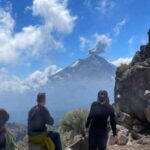
The climb brings you toward Cerro Altzomoni, which is the big viewpoint stop. This is where Popocatepetl can come into view more clearly, including fumaroles. Even when the weather is not perfect, the volcanic shapes and steam activity make it feel real, not just scenic.
This section is often where you feel the altitude. Many hikers describe the uphill as manageable but strenuous because your lungs work harder with thinner air. You may not be fighting technical terrain, but you are still moving against gravity, and sometimes over uneven ground. Trekking poles help a lot here. They reduce stress on knees during the climb and make the descent safer on rocky or loose sections.
Photo opportunities are frequent. You will want time for pictures, but also time to catch your breath. The smartest move is to pause when the guide pauses, not after you have already blown your rhythm. Guides like Bernardo and Carlos are noted for pacing the group and keeping everyone comfortable, which matters when altitude is your real opponent.
Keep these Mexico City options within reach:
- Trekking Through The Volcanoes★ 5.0 · 96 reviews
- 3 Hour Private Hike: Mountain Nevado Toluca from Mexico City★ 5.0 · 59 reviews
- Sunrise in Las Alturas Hiking in El Pico del Aguila Tlalpan★ 5.0 · 19 reviews
- From Mexico City: 2-Day Pico de Orizaba Summit Trek★ 4.9 · 18 reviews
- Hiking to the Puerta del Cielo Viewpoint in Mexico City★ 5.0 · 17 reviews
Amalacaxco ravine: where the flora and small surprises live
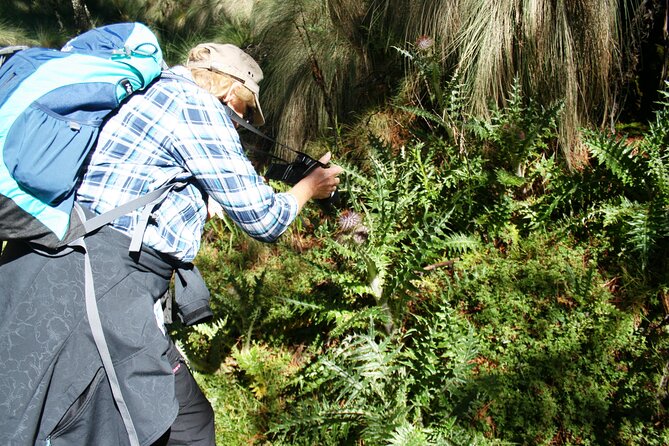
After the viewpoint stop, you descend toward Amalacaxco ravine. This part feels like a change in altitude mood and a change in vegetation. Reviews highlight more visible plant variety here, along with the feeling that the hike becomes a little more alive.
Wildlife is never guaranteed, but there is a decent chance of seeing something small and interesting if you slow down. A ravine gives you a natural “microclimate,” and it is also where your eyes can finally stop scanning the horizon and start noticing details. If you like botany-lite, this segment delivers.
This is also a section where footing matters. Going down is where slips can happen, especially if the ground is uneven or if the surface is dusty. The poles help your balance and make it easier to control speed. If you tend to rush when you feel winded, try not to. Controlled descents protect your legs for the rest of the day.
The loop back and the market lunch fuel-up
You finish the trekking return near Paso de Cortes. Then comes the part that makes the whole morning feel worthwhile: food. Your included lunch is eaten in a traditional market, and the meal is described as tacos and quesadillas, the kind of stop you remember because it tastes like the place, not like a tourist package.
The day also includes packed fuel. Your trekking backpack includes 1 liter of water, 600 ml of energy drink, a chocolate energy bar, peanuts, and a fruit snack. That matters because climbing in altitude burns calories fast, and you do not want to wait until you are starving to start moving again.
Timing is another plus. The tour lasts about 9 hours total (longer including drive), and you usually eat after you are done hiking, around the early afternoon window. That means you can keep your energy up for the ride back, rather than feeling wrecked.
If you like “real Mexico” food stops, this is a strong inclusion. A market lunch is more interesting than a sit-down restaurant, and it gives you something tangible beyond the view.
Difficulty, altitude, and what to pack for comfort
This hike is best described as intermediate: not a technical climb, but definitely not easy if you are out of shape or new to altitude. Reviews repeatedly mention distance and altitude as the main challenge. One common figure is around 13,000 feet, and that is a big deal. Even fit hikers get breathed up.
You may also be offered different hiking lengths. Some people reference 9 km vs 13 km choices. If you want maximum volcano time, the longer option is often worth it. If you want a less punishing day, choose the shorter route and enjoy the viewpoints with less strain.
What to bring is pretty clear from the conditions:
- Layers, because mornings can be cold and windy, while you warm up as you hike
- Hiking boots with decent grip for rocky or slippery patches
- Sunglasses and a hat for sun and glare at altitude
- Something to cover your mouth, because dust or ash-like material can get kicked up
If you run hot or cold easily, plan for temperature swings. One consistent theme is that it can be chilly at the start, then noticeably warmer by the end.
Price and value: what $133.34 really buys
At $133.34 per person for about 9 hours, this tour does not try to be a bargain-basement hike. You are paying for more than a route on a map. You are getting:
- Private transportation from Mexico City and back
- A professional guide (group capped at 13)
- Trekking poles and a backpack with snacks and drinks
- An included market lunch with tacos and quesadillas
- Guides carrying security equipment
That combination is where the value shows. If you tried to copy this day on your own, you would still need transport into the park area and you would have to solve gear, timing, and safety without expert eyes. With altitude involved, having someone manage pace and route is not a “nice-to-have.” It is part of what makes the day go smoothly.
So, for the money, I see it as good value if you want the volcano experience without turning the day into logistics work.
Should you book this volcano trek?
Book it if you want a guided, high-impact nature day that is realistic for a one-day visit from Mexico City. The small group size, loaner poles and backpack, and the market lunch make it a complete package, not just a hike with a meeting point.
Skip it or choose a shorter option if you know you struggle at altitude, or if you dislike strenuous mornings. You will be walking in thinner air, over mixed terrain, and you should treat this as a real physical effort, not a casual stroll.
FAQ
What time does the trekking tour start?
The tour starts at 7:00 am.
How long does the experience take?
Plan on about 9 hours total (approx.), including the drive.
What is the group size?
The tour has a maximum of 13 travelers.
What’s included for food and drinks?
You get lunch at a traditional market (tacos and quesadillas). The provided backpack also includes 1 liter of water, 600 ml of energy drink, a chocolate energy bar, peanuts, and a fruit snack.
Are trekking poles and a backpack provided?
Yes. You are provided with trekking poles and a backpack (with your lunch and snacks). Guides also have security equipment.
Is it offered in English, and are service animals allowed?
Yes, it is offered in English, and service animals are allowed.
What happens if the weather is poor or you need to cancel?
You can cancel for free up to 24 hours in advance for a full refund. The tour requires good weather, and if it is canceled due to poor weather, you’ll be offered a different date or a full refund.
More Hiking & Trekking in Mexico City
More Tour Reviews in Mexico City
High Trails Beyond Mexico City
More Mexico City plans worth opening

Volcano Hikes & Nevado de Toluca for the next day.
 ★ 4.8Nevado De Toluca: Reach the Summit with ProfessionalsFrom $162250 reviews
 ★ 4.0Iztaccihuatl Volcano Hike with an AlpinistFrom $139244 reviews
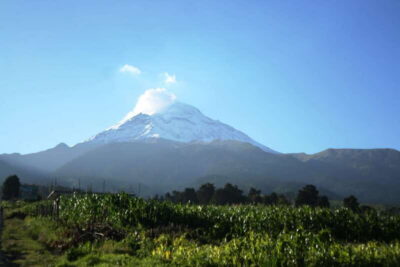 ★ 4.7Guided Volcano Trek with LunchFrom $105242 reviews
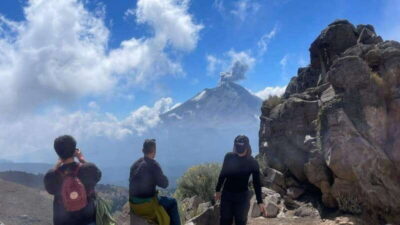 ★ 4.3From Mexico City: Hike Iztaccihuatl Volcano with an AlpinistFrom $168155 reviews
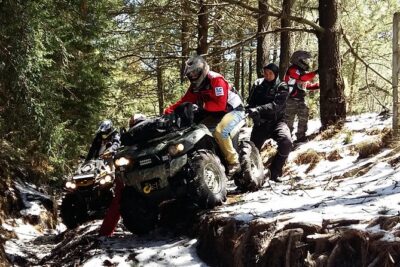 ★ 5.02 Volcanos – Special 2 pax, 3 -4 hr ride. Reserve Only 1 paxFrom $50081 reviews
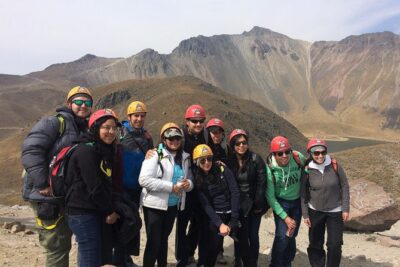 ★ 5.0Mountaineering to the Nevado de Toluca (altitude 4680m)From $16678 reviews
 ★ 5.0Hike at Nevado de Toluca VolcanoFrom $10569 reviews
 ★ 5.03 Hour Private Hike: Mountain Nevado Toluca from Mexico CityFrom $11759 reviews
This review also appears in