
REVIEW · VOLCANO HIKES & NEVADO DE TOLUCA
From Mexico City: 2-Day Pico de Orizaba Summit Trek
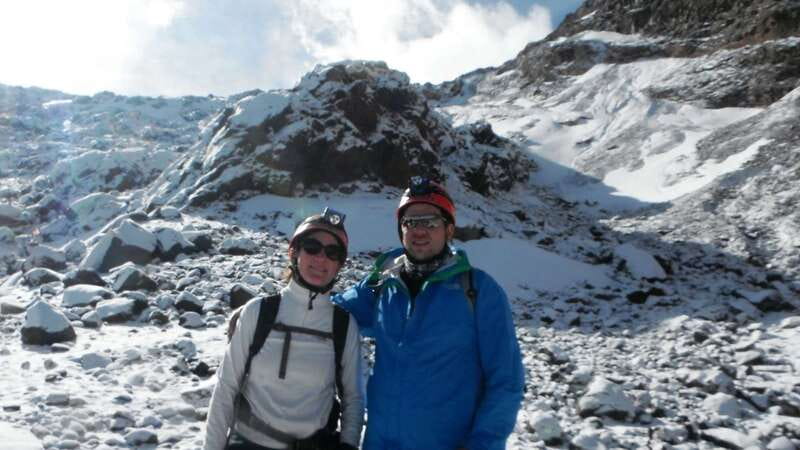
Pico de Orizaba is a real high-altitude challenge. This 2-day trek takes you up Mexico’s highest peak for panoramic views, then back down to sleep in a simple mountain hut. The payoff is the sunrise over Mexico’s biggest glacier, right when the world feels extra crisp and unreal.
I love that the whole climb is run like a safety-first mountaineering day, not a casual hike. You’ll climb with professional guides and proper gear, and the small group limit (15 people) keeps things manageable. One tradeoff: this route expects excellent fitness and mountaineering experience, and altitude is not something you should treat lightly.
If you’re ready for cold, snow, and technical steps, this is a memorable kind of Mexico travel. Just note it is not suitable for certain medical situations, including pregnancy, heart problems, back problems, and haemophilia.
Key points worth knowing before you go
- 4×4 to Piedra Grande, so you trade some driving time for more time on the mountain
- Crampon and ice axe practice at the hut level, not on the summit
- Start before dawn for the best angles on glacier light and the crater approach
- Summit at 5,700 meters, Mexico’s highest point, with long, serious hiking time
- Small group capped at 15, which helps pacing and safety on technical terrain
- Simple hut night, warm enough to rest, with real food to refuel
Choose another high trail beyond the city
- Nevado De Toluca: Reach the Summit with Professionals
★ 4.8 · 250 reviews - Iztaccihuatl Volcano Hike with an Alpinist
★ 4.0 · 244 reviews - Mexico City: Guided Volcano Trek with Lunch
★ 4.7 · 242 reviews - From Mexico City: Hike Iztaccihuatl Volcano with an Alpinist
★ 4.3 · 155 reviews
Pico de Orizaba in 2 days, without pretending it’s easy
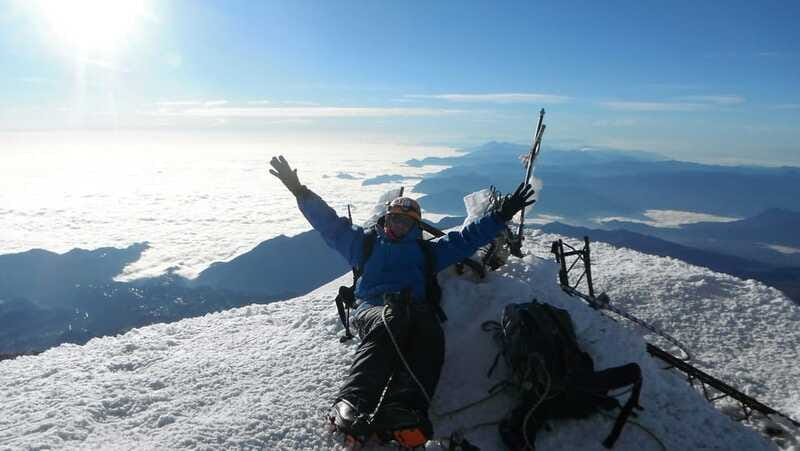
Pico de Orizaba is the highest peak in Mexico at about 5,700 meters, and it sits in a region with big drama in the weather, light, and terrain. That matters because a high summit is not just about walking uphill. You are dealing with altitude, cold, and snow travel where footing and technique matter.
This is a 2-day trek, which means you get less “floating around” time and more focused mountain time. The upside is you stay on the mountain plan rather than burning a bunch of extra days. The downside is you need to be mentally ready for a long effort, especially on the summit day when you’re moving early and steadily.
Getting from Mexico City to Tlachichuca and the Piedra Grande hut
Your day starts with a departure from Mexico City to Tlachichuca, Puebla. From there, you switch to 4×4 to reach the mountain hut area at Piedra Grande, where you’ll stay overnight. The 4×4 segment is a smart use of time, because it gets you up toward your sleeping base without turning the trek into a full travel marathon.
You will meet at the corner of Vicente Suarez and Michoacan, at the benches in front of the market. Plan to arrive a bit early so you can check in calmly and get your bearings.
When you reach Piedra Grande, you’re not just dropping your bags. You have an acclimatization walk and gear practice before you settle in for the night. This is exactly what you want on a mountain like this: you use the first hours to get your body moving and to make the next day less confusing.
Gear practice that actually prepares you: crampons and ice axe
The tour includes the key safety equipment you need for this kind of terrain: head lamp, helmet, crampons, and an ice axe. That’s a big deal for value, because those items can be expensive to rent or buy if you do it on your own.
Just as important, you don’t wait until the summit day to learn the basics. During your first afternoon at the hut, you practice with the crampons and ice axe. That does two things for you:
- It reduces the panic factor when the surface changes.
- It helps you move more confidently when you’re tired and altitude is already in the picture.
In the guide style shown through past groups, people like Bernardino and Alan are praised for clear explanations and patient support. It makes a difference when you’re new to snow steps and you need to understand what you’re doing, not just copy a motion you cannot feel yet.
Take a wider circuit through Mexico City
- Mexico City: Teotihuacan, Tlatelolco & Guadalupe Shrine Tour★ 4.6 · 3,773 reviews
- Teotihuacan Hot Air Balloon Flight from Mexico City / Volare★ 5.0 · 3,262 reviews
- Teotihuacan Private Tour from Mexico City★ 5.0 · 1,890 reviews
- Historic Center Food Tour in Mexico City★ 5.0 · 1,263 reviews
- The best tour to Teotihuacán from Mexico City★ 5.0 · 1,236 reviews
Your first night: sleep, dinner, and how to set yourself up
After the acclimatization walk and gear practice, you head back to the hut for dinner. The meal is included on day one, and you’ll be expected to do the practical stuff: eat, get warm, organize what you need for an early start, and then sleep.
The hut experience is intentionally simple. One clear theme from feedback is that the hut stay, even with basic comfort, becomes a highlight because it keeps you close to the technical part of the climb. In other words, you’re not losing the summit day to commuting.
Food is another strength here. Dinner on day one and both meals on day two are included, and people describe the food as tasty and energizing. After a cold day at altitude, proper fuel is not optional. It is what lets you show up for sunrise without feeling empty and shaky.
Summit morning before dawn: views, glacier light, then the long grind
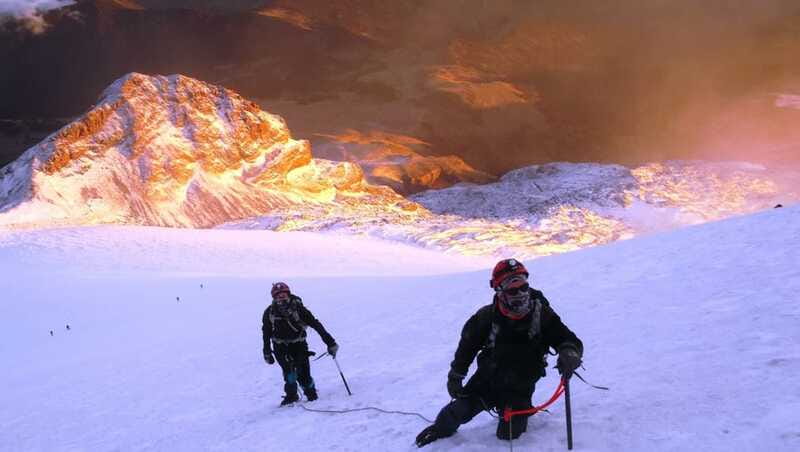
You start bright and early, before dawn. The point of the early start is simple: it positions you to watch the day break from a place that is visually dramatic and physically demanding.
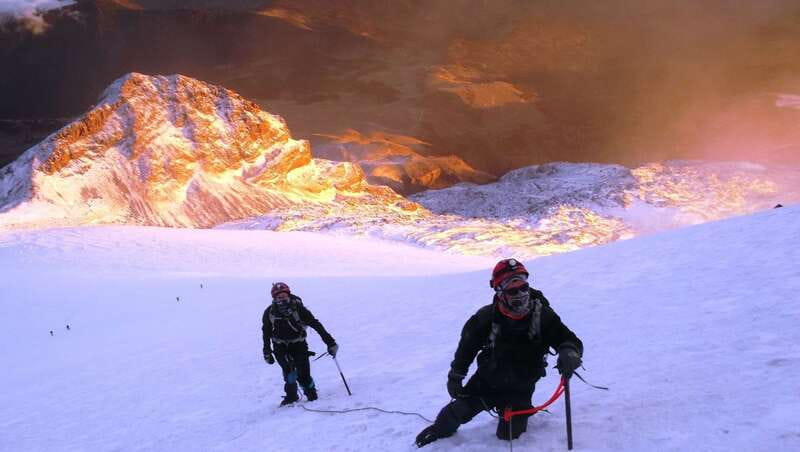
As the sun rises, you’ll look out over the valleys surrounding Pico de Orizaba. Then the first light hits the glacier that leads toward the crater, and you get that standout moment: sunrise over the biggest glacier in Mexico. This is the kind of scene that makes the cold, the early wake-up, and the effort feel worth it.
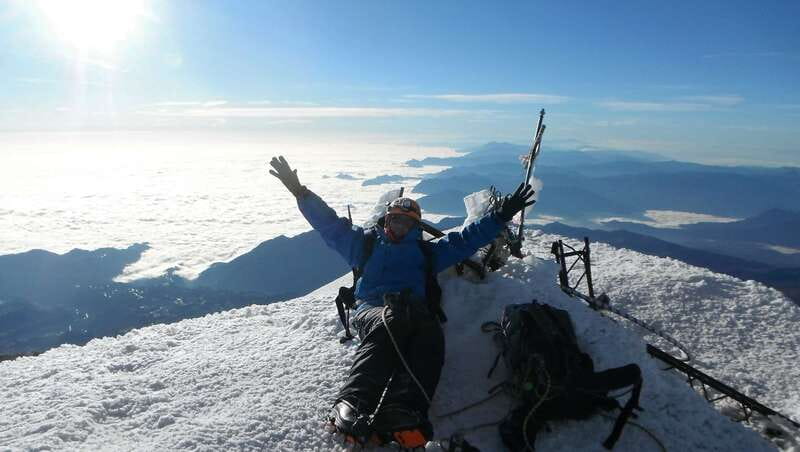
From there, you follow the glacier route up to the summit. You reach the top at 5,700 meters. Once there, you enjoy summit views and then begin the descent.
How long this takes can vary. One group reported about 9 hours for their climb, while others note that bigger groups can stretch out closer to 15 hours, because everyone is constantly hiking over tough terrain. The practical takeaway for you is to plan for a long day, and do not schedule anything tight right before or after.
Descending back to Piedra Grande and recovering the right way
After the summit, you descend to the hut at Piedra Grande. This part matters, because descending can feel easier in your head but harder in your legs. Your guides keep the pace sensible so you arrive back ready for the next step in the plan.
From the hut, transport is waiting back to Tlachichuca. Once you’re down, you eat a restorative meal and then return to Mexico City. The included meal after the descent is one of those details that makes the whole trip feel complete. You’re not just dropped off and told to find food somewhere.
Price and value: why $599 can make sense on a technical summit
At $599 per person for a 2-day high-peak trek, the biggest question is value: what are you really paying for?
Here’s what you get for that price, based on what’s included:
- Qualified guides for the whole effort
- Transport (Mexico City to Tlachichuca, then up by 4×4 and back down)
- One night accommodation at the hut
- Meals: lunch and dinner day one, breakfast and lunch day two
- Accident insurance
- Entrance fees
- Safety equipment: head lamp, helmet, crampons, ice axe
- A group limit of up to 15 participants
If you priced this out solo, the guides and proper cold-weather safety gear would likely be the biggest cost drivers. This trek bundles those pieces together, and it also adds something you cannot easily DIY: structured acclimatization and controlled glacier travel.
The only thing listed as not included is alcoholic drinks, which is normal for a mountain operation that needs you sober and focused.
What to pack so you stay warm, dry, and comfortable
You’ll want to bring the items listed, because high-altitude conditions are not forgiving. This is your packing checklist, with a quick translation into what matters on the mountain:
- Sleeping bag: you need warmth for the hut night
- Thermal clothing and warm clothing: layer for shifting temps
- Gloves and hat: keep hands and head protected during early hours and gear practice
- Warm hiking shoes with proper traction for snow travel
- Sunglasses and sunscreen: sun glare at altitude can surprise you
- Rain gear: weather can change quickly
- Daypack for your daily items
- Toiletries and change of clothes so you can reset after the descent
- Towel: you’ll be happy you brought it
A practical note: you will be provided with helmet, head lamp, crampons, and ice axe, so don’t waste time trying to pack your own version unless you already own quality gear and know how to use it.
Guides, pacing, and the small-group advantage
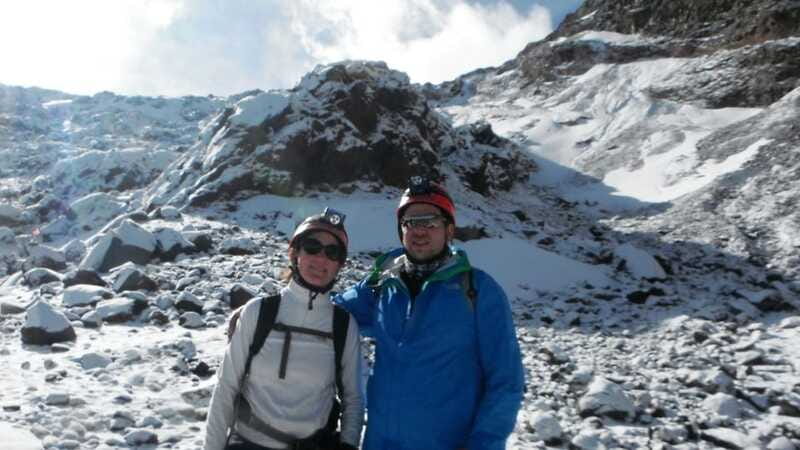
The “small group” limit, capped at 15, is not just a comfort perk. On a summit trek, it helps with spacing and pacing, especially on steep or icy sections. It also makes it easier for a guide to notice when someone is struggling with technique or wind chill.
Past experiences with this operator’s guides highlight a few recurring strengths:
- Guides who are patient and keep people feeling safe
- Clear instruction on what you’re doing and why
- Support that adapts to your pace, such as one guide going at a participant’s rhythm so they could enjoy the climb rather than just survive it
- Strong coordination with the 4×4 driver, where names like Bentito come up as part of the overall smooth operation
You should still recognize the reality: you are climbing a very difficult mountaineering route. Even with top guidance, you are the one doing the work. The guide team helps you do it smart.
Who this trek suits, and who should skip it
This is for you if:
- You’re in excellent physical condition
- You have at least some previous mountaineering experience
- You can handle early mornings, cold weather, and long hiking hours
- You want the full package: technical glacier travel, proper gear, and a hut night close to the route
This trek is explicitly not suitable for:
- Pregnant women
- People with haemophilia
- People with heart problems
- People with back problems
Even if none of those apply to you, it is still wise to take altitude seriously. The tour plan already includes acclimatization and structured training with crampons and ice axe. You should lean into that, not rush it.
Should you book this Pico de Orizaba 2-day summit trek?
Book it if you want a real summit challenge in a tight 2-day format and you’re prepared to train your body for cold, altitude, and snow technique. The value is strongest if you appreciate what the price includes: guides, insurance, meals, entrance fees, and the full safety gear set.
Skip it if you want a gentle hiking vacation, you are not comfortable with technical gear, or you’re unsure about your ability to handle high altitude. If you’re close to the fence, listen to the requirement about prior mountaineering experience and excellent fitness. On Pico de Orizaba, you earn the views by being ready for the climb.
FAQ
Where do I meet the tour in Mexico City?
You meet at the corner of Vicente Suarez and Michoacan, at the benches in front of the market.
How long is the Pico de Orizaba summit trek?
The experience runs for 2 days.
What meals are included?
Lunch and dinner are included on the first day. Breakfast and lunch are included on the second day.
What climbing equipment is provided?
You are provided with safety equipment including a head lamp, helmet, crampons, and an ice axe.
Is there accident insurance?
Yes, accident insurance is included.
How big is the group?
The group is small, limited to 15 participants.
What should I bring for cold weather and the hut night?
Bring a sleeping bag, thermal and warm clothing, gloves, a hat, hiking shoes, rain gear, sunglasses, sunscreen, a daypack, toiletries, a towel, and a change of clothes.
Mexico City in a Wider Frame


More Tour Reviews in Mexico City
High Trails Beyond Mexico City
More Mexico City plans worth opening

Volcano Hikes & Nevado de Toluca for the next day.
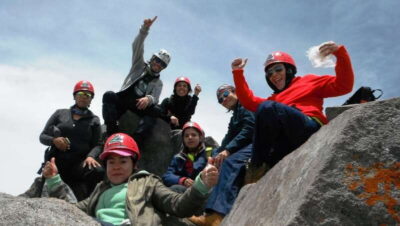 ★ 4.8Nevado De Toluca: Reach the Summit with ProfessionalsFrom $162250 reviews
 ★ 4.0Iztaccihuatl Volcano Hike with an AlpinistFrom $139244 reviews
 ★ 4.7Guided Volcano Trek with LunchFrom $105242 reviews
 ★ 4.3From Mexico City: Hike Iztaccihuatl Volcano with an AlpinistFrom $168155 reviews
 ★ 5.0Trekking Through The VolcanoesFrom $13396 reviews
 ★ 5.02 Volcanos – Special 2 pax, 3 -4 hr ride. Reserve Only 1 paxFrom $50081 reviews
 ★ 5.0Mountaineering to the Nevado de Toluca (altitude 4680m)From $16678 reviews
 ★ 5.0Hike at Nevado de Toluca VolcanoFrom $10569 reviews
This review also appears in