
REVIEW · TEMPLO MAYOR & AZTEC TOURS
Special Pre-Hispanic Day of the Dead Tour
Day of the Dead starts in pre-Hispanic worldviews. This guided walk through Centro Histórico connects art, colonial-era power, and Aztec ritual beliefs about life and death, using key stops like Templo Mayor and the Diego Rivera mural museum.
I especially like how the tour gives you a timeline you can actually follow, from early Spanish influences to today’s Mexico, with clear explanations along the way. I also love the architectural mix, including Palacio Postal, plus the added context around the building that ties the Holy Office to the current Palace of Medicine. One possible drawback is the pace: most stops are short, so if you want long photo sessions or extra time inside each place, you may feel a bit rushed.
Key highlights you should not miss
- Rivera mural museum that frames Mexican history as characters and change
- Alameda Central, linked to the city’s early planning from 1592
- Palacio Postal, with eclectic architecture and local legends
- A theater stop connected to Esperanza Iris
- The Holy Office story, tied to today’s Palace of Medicine
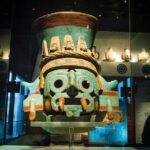
- Museo del Templo Mayor, centered on Aztec rituals and life-and-death worldview
Follow another thread through Mexica history
- Taxco, Cuernavaca & Pre-Hispanic Mine optional visit
★ 4.5 · 597 reviews - Mexico City: Taxco & Cuernavaca Tour with Pre-Hispanic Mine
★ 4.6 · 271 reviews - Xochimilco, Coyoacan, Aztec Stadium & UNAM
★ 4.0 · 232 reviews - Teotihuacan & Anthropology Museum, Templo Mayor & City Tour
★ 4.5 · 109 reviews
A 2 to 2.5 hour route that ties Mexico City to life and death
This is a focused, guided experience that lasts about 2 to 2.5 hours. The goal is not just sightseeing. You walk through major landmarks and get the meaning behind them, especially the Aztec worldview that shaped how people understood life, death, and ritual.
The theme is pre-Hispanic Day of the Dead, so you get a chance to connect the dots between ancient beliefs and the way those ideas still echo in modern Mexico City. It’s a smart format if you only have a short window in the capital and want context that most quick stops won’t give.
Price and ticket value for $58.51
At $58.51 per person, this isn’t a budget bargain tour, but it does include what matters for value: tickets and a guide. The day is packed with multiple stops, and one of them includes paid admission while the others are free, which keeps your costs under control without turning the tour into a checklist.
You also pay for explanation time. In my kind of sightseeing, that’s the difference between looking at buildings and actually understanding why they were built, who influenced them, and what stories the spaces are carrying.
Meeting point in Centro, and what the small group means
The tour starts at the Diego Rivera Mural Museum, Calle Colón Balderas s/n, Colonia Centro, Centro, Cuauhtémoc, 06040 Ciudad de México, CDMX, Mexico. It ends at Museo del Templo Mayor, Seminario 8, Centro Histórico de la Cdad. de México, Centro, Cuauhtémoc, 06060 Ciudad de México, CDMX, Mexico.
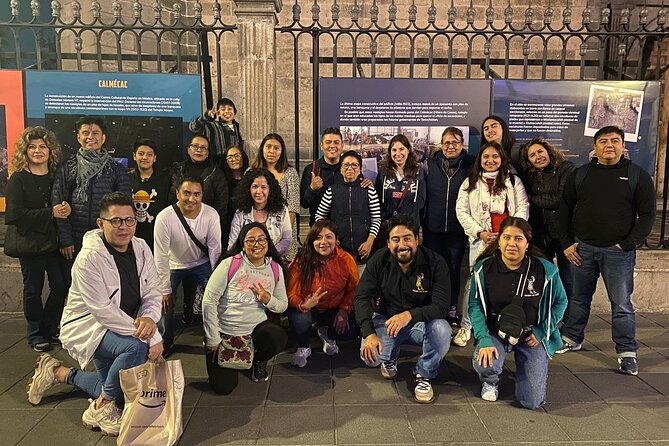
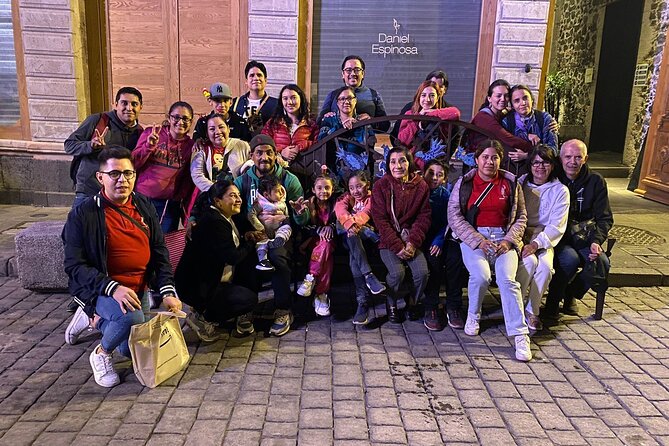
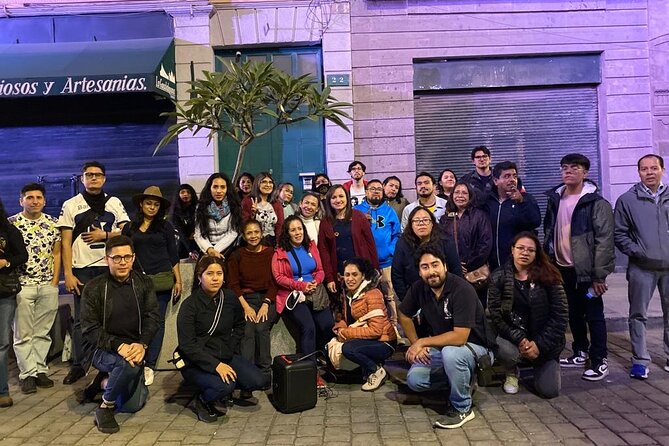
This is offered in English, and it has a maximum of 25 travelers. That matters because you are more likely to hear the guide clearly and follow along at each stop without feeling swallowed by a giant crowd. You also get a mobile ticket, and confirmation comes at booking. Service animals are allowed, and the meeting area is near public transportation.
The other practical detail I’d plan around: you are doing several short visits. The walk between stops is part of the experience, so bring comfortable shoes and keep your phone charged for photos and navigation.
Step deeper into marigold season
- Mexico City: Day of the Dead Guided Tour★ 3.4 · 97 reviews
- Day of the Dead Tour in Mexico City★ 3.5 · 78 reviews
- Day of the Dead Tour in San Andres Míxquic From Mexico City★ 3.7 · 52 reviews
- The real “Dia de muertos” tour in Mixquic + secret cemetery★ 4.0 · 27 reviews
- Special Pre-Hispanic Day of the Dead Tour★ 5.0 · 16 reviews
Stop 1 at the Diego Rivera Mural Museum: history you can read
Your first stop is the Museo Mural Diego Rivera, where the guide explains Mexican history through the characters who changed the country. This is not just an art stop. It is a narrative tool.
The mural approach helps you understand why Mexico City’s story feels layered. You see how power, work, politics, and identity evolve over time, then you carry that frame forward as you move into colonial and pre-Hispanic spaces later.
You have about 25 minutes, and admission is included here. That’s enough time to grasp the main threads without burning your whole morning in one place. If you’re the type who likes to take notes, this is the moment to do it, because the guide’s connections between eras make the later stops click.
Alameda Central: the city’s early public park and its lasting sculptures
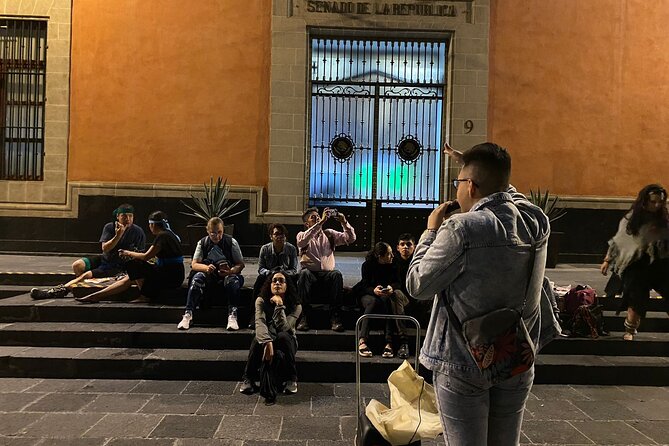
Next up is Alameda Central, with about 15 minutes. This is a big name for a reason. It’s described as the first public park in all of America, ordered to be built by Viceroy Luis de Velasco in 1592.
What makes this stop useful is the way it teaches you to read the city as a planned space, not random streets. You also get to see classic sculptures and understand how the park was transformed over time. In other words, you learn how history lives in everyday places.
This stop is free, so you don’t need to worry about extra ticket costs while still getting a sense of Mexico City’s urban rhythm. If you want a mental reset after the museum, this park break is exactly that, short and informative.
Palacio Postal: architecture, legends, and why the details matter
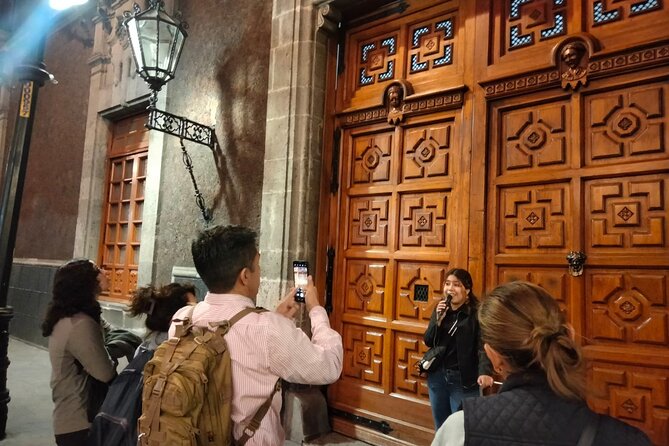
Your tour continues at Palacio Postal, where you spend around 15 minutes. Even if you mostly care about photos, this building rewards attention. It’s described as one of the most beautiful buildings in the city, and the guide focuses on its eclectic architecture and legends.
Why does this matter for a pre-Hispanic Day of the Dead theme? Because the tour keeps showing you how beliefs, institutions, and national identity shift. Palacio Postal represents a later layer of Mexico City’s story, when the city became more internationally connected and architectural ambition followed.
Admission is free for this stop, so you’re really paying for the guide’s interpretation. Look up as you walk around key sections. When the guide points out design choices, you’ll feel like you understand the building, not just the façade.
The theater stop and the Palace of Medicine link to the Holy Office
The itinerary includes two closely related cultural stops in the historic center.
First, there’s an early important theater in the city, created by the operetta queen Esperanza Iris. This is a good moment to notice how performance culture fits into the story of a city. Even for people who don’t consider themselves theater fans, it helps you see Mexico City as a place where art and public life evolved over time.
Then you get a darker, more complex turn. In colonial times, the place is described as the Palace of the Inquisition, and today it is the Palace of Medicine. The guide explains the Holy Office.
This isn’t just trivia. It’s a reminder that institutions shaped what people believed and how they lived. When you later talk about Aztec rituals and attitudes toward life and death, you’re carrying a broader sense of how different systems of belief competed, adapted, and left traces in buildings.
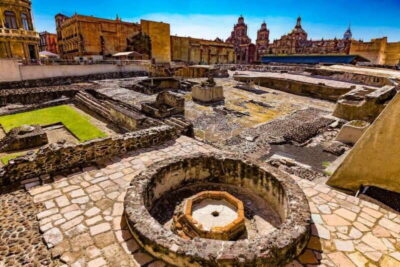
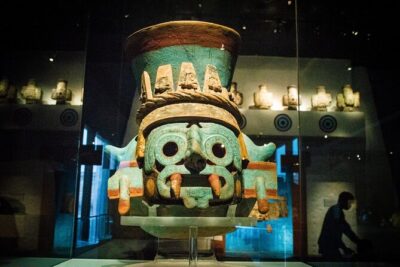
Museo del Templo Mayor: Aztec rituals and the worldview of life and death
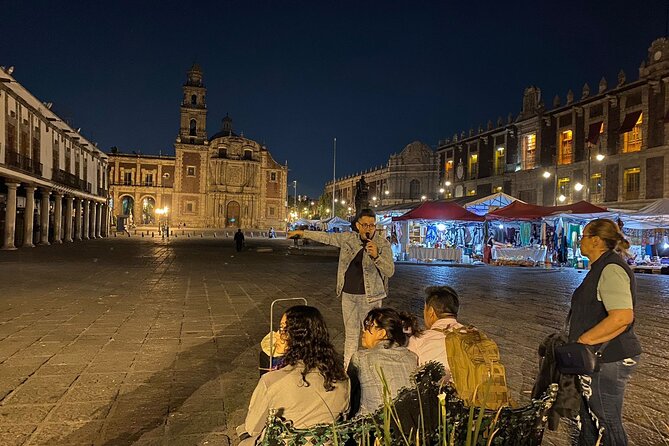
The final stop is Museo del Templo Mayor, with about 30 minutes. This is where the theme lands hardest.
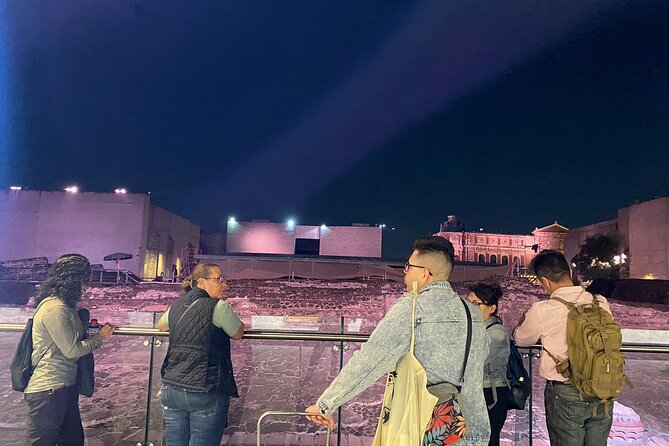
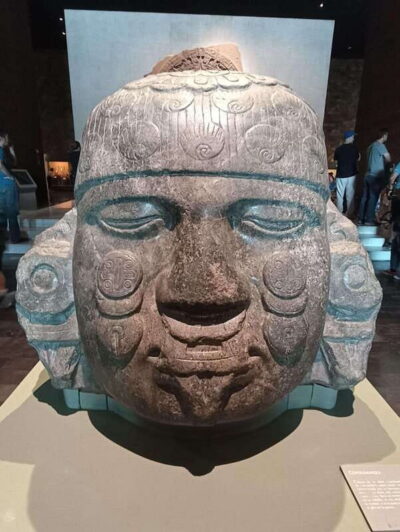
Here the guide explains the Aztecs’ worldview related to life and death, along with the rituals the Aztecs organized for their gods. This is the emotional and intellectual core of a pre-Hispanic Day of the Dead experience. You’re not just hearing that death was important. You’re learning how people structured meaning around it through ceremony and belief.
This is a free admission stop in the context of the tour, which is great because it keeps your spending focused on the guide and the paid entry you already got earlier. It also means the guide can spend more of your limited time on ideas, not on ticket logistics.
If you want to get the most out of this ending, slow down your photos a bit. Listen first. The Aztec worldview will make more sense if you let the guide build the framework before you start photographing every panel.
What this tour does best (and where you might want to adjust)
The biggest strength here is the through-line. You get a guided path where each stop supports the next, from Diego Rivera’s historical storytelling to the city’s colonial institutions, and finally to Aztec ritual beliefs.
The guide, Ana, is highlighted in the experience with praise for historical details and for giving an easy-to-follow summary of Mexican history as the walk goes along. That kind of clarity matters on a short tour. You leave with a mental map, not just random impressions.
Now the adjustment I’d make if you’re picky about pace: the stops are timed. Some are 15 minutes, so you won’t have long breaks to wander on your own. If you like to linger, plan a second visit to the places you care about most, especially the Rivera mural museum and Templo Mayor.
Practical tips so you actually enjoy the short stops
You’ll get the most out of this tour if you treat it like a guided history walk, not a free-form museum day.
- Wear comfortable shoes for Centro walking, because you’ll move between several landmarks in a compact area.
- Bring water, especially if you’re traveling in warm months. The tour does not include meals.
- If you like taking notes, bring a pen or use your phone notes at each stop. The guide’s timeline connections help a lot later.
- Do quick mental prep before the last stop. Ask yourself what you think a ritual is supposed to do, then see how the guide frames Aztec rituals around the idea of life and death.
Also, keep your expectations realistic about time. This is a 2 to 2.5 hour experience. You’re not going to master every building. You’ll master the story the guide is telling.
Who should book this tour, and who might not love it
This tour is a great match if you:
- want a short, high-context introduction to Mexico City’s history
- like architecture but also want meaning, not only visuals
- are interested in how pre-Hispanic beliefs connect to modern ways of understanding death and ritual
- prefer a small group, capped at 25 travelers, with explanations in English
You might not love it if you:
- want long interior time at each stop
- dislike walking tours with timed segments
- only want one or two major sites and prefer spending the rest of the day on your own
If your schedule is tight, this is exactly the kind of tour that helps you feel oriented fast.
Should you book this Pre-Hispanic Day of the Dead Tour?
If you’re in Mexico City for a short stay and you want your Day of the Dead interest to be grounded in ideas, not just decorations, I think you should book this. The mix of Diego Rivera Mural Museum, Alameda Central, Palacio Postal, the Esperanza Iris theater connection, the Holy Office story, and the finish at Museo del Templo Mayor is a smart way to learn the city’s layered thinking about life, death, and power.
Go for it if you enjoy guided history and you like architecture when someone explains the why. Consider skipping or pairing it with independent time if you need to linger longer inside each place.
FAQ
Where does the tour start?
The tour starts at Diego Rivera Mural Museum, Calle Colón Balderas s/n, Colonia Centro, Centro, Cuauhtémoc, 06040 Ciudad de México, CDMX, Mexico.
Where does the tour end?
The tour ends at Museo del Templo Mayor, Seminario 8, Centro Histórico de la Cdad. de México, Centro, Cuauhtémoc, 06060 Ciudad de México, CDMX, Mexico.
How long does the tour take?
It runs about 2 hours to 2 hours 30 minutes.
Is the tour offered in English?
Yes, it is offered in English.
What is included in the price?
The price includes tickets and the guide.
Are meals included?
No, meals are not included.
How big is the group?
The tour has a maximum of 25 travelers.
What if I need to cancel?
You can cancel for a full refund up to 24 hours in advance of the experience start time. If you cancel less than 24 hours before start time, the amount paid is not refunded.
More Tour Reviews in Mexico City



The Capital in Marigold Season






Tenochtitlan Beneath the Modern City



More Mexico City plans worth opening

Templo Mayor & Aztec Tours for the next day.
 ★ 4.5Taxco, Cuernavaca & Pre-Hispanic Mine optional visitFrom $29597 reviews
 ★ 4.6Taxco & Cuernavaca Tour with Pre-Hispanic MineFrom $29271 reviews
 ★ 4.0Xochimilco, Coyoacan, Aztec Stadium & UNAMFrom $52232 reviews
 ★ 4.5Teotihuacan & Anthropology Museum, Templo Mayor & City TourFrom $137109 reviews
 ★ 4.2Templo Mayor Skip-the-Line Entry TicketFrom $2996 reviews
 ★ 5.0Exclusive tour to Templo Mayor in CDMXFrom $6583 reviews
 ★ 4.9Historical walking tour of TenochtitlanFrom $4369 reviews
 ★ 5.0Pre-Hispanic Xochimilco, local food included and ajolotario.From $20741 reviews
This review also appears in