
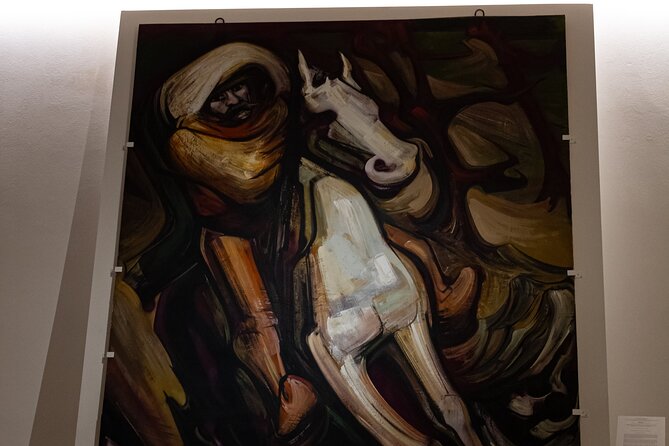
REVIEW · MEXICO CITY MUSEUMS & GALLERIES
Soumaya Museum: the Master of Mexican and Western Art
Art history gets a shortcut here.
This Museo Soumaya experience turns a big museum into a six-floor story you can actually follow, with clear themes that connect European masterpieces to Mexican art and the modern era. I love that the visit is organized room-by-room, so you do not just drift around. You also get a chance to see headline works in a way that feels personal, like a close Da Vinci moment, plus time spent with artists such as Rodin, Rivera, Dali, and Monet. One consideration: the pace is focused. In about 2.5 hours, you cover a lot, so if you want slow, unhurried contemplation, you might feel slightly rushed.
The experience is built around a bilingual guide, and that matters because the museum is dense. I also like the small-group feel, with a maximum of 15 travelers, which helps the guide keep explanations pointed and moving. The possible drawback is simple: food and transportation are not included, so you’ll want to plan that part before or after the tour.
Key Things You Will Like About This Museo Soumaya Tour
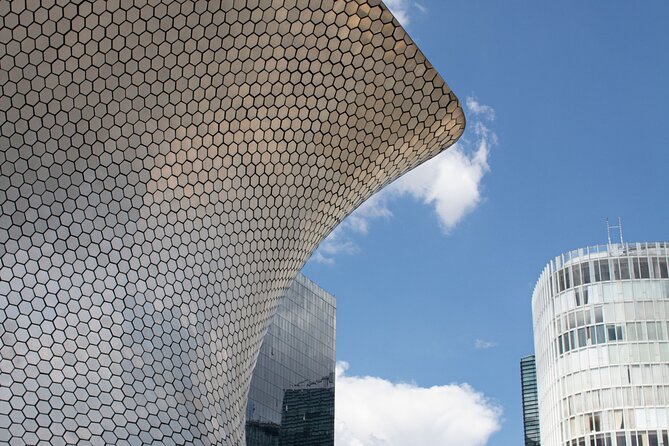
- Six themed floors, from Modernity to the Rodin era
- Bilingual guide that helps art history click into place
- Small group size (maximum 15), so you are not lost in the crowd
- Free admission ticket included in the price
- English offered, plus the guide format supports smoother understanding
Open another museum door in the capital
- CDMX: Xochimilco, Coyoacan, Frida Kahlo Museum & Murals Tour
★ 4.4 · 3,025 reviews - Chapultepec Castle & Anthropology Museum Tour
★ 4.5 · 1,348 reviews - Frida Kahlo VIP [Museum Tickets Included] Bike, Markets & Churros
★ 5.0 · 1,072 reviews - Anthropology Museum Guided Tour
★ 4.5 · 1,035 reviews
Why Museo Soumaya Feels Like More Than a Gallery
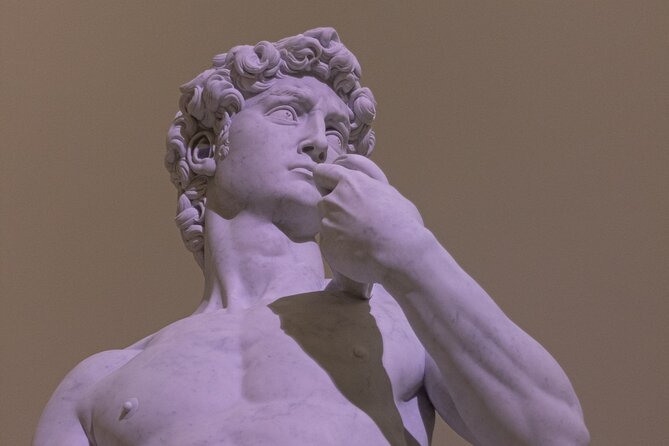
Museo Soumaya can look like just another museum on the outside, but inside it is structured like a guided lesson. The six floors are grouped by ideas and time periods, so you get a sense of how art changes and why it matters. Instead of treating every room as a new universe, the tour nudges you to notice links: technique to meaning, myth to symbol, and European influence to New Spain and then to modern Mexican creativity.
I like museum tours that respect your time. This one does. You get a focused overview of what each level is trying to teach, including a plan for what to look for as you move. That structure is especially helpful at Soumaya because the building is big and the collection can overwhelm you if you go in cold.
Price and What You Really Pay For
At $53.68 per person for about 2 hours 30 minutes, you are not just buying entry. You are paying for a guided art history walkthrough that organizes the museum into digestible parts. The admission ticket is included, and you keep the benefit of a bilingual guide inside the galleries.
Is it cheap? No. But it is also not a luxury add-on price. It is a reasonable way to turn a museum visit into something you can remember. If you have limited time in Mexico City, or you want to understand what you are seeing without turning it into a solo scavenger hunt, the price starts to make sense fast.
One more practical point: food and transportation are not included. That is normal for many museum tours, but it changes how you should plan your day.
Meeting Point, Timing, and Group Size Reality Check
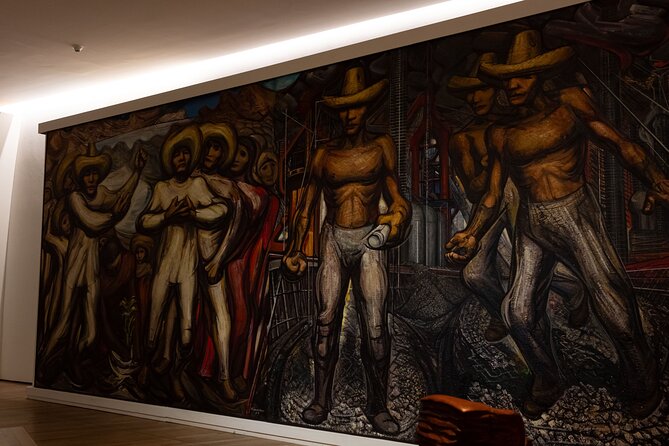
This experience starts at the Museo Soumaya, Blvd. Miguel de Cervantes Saavedra, Granada, Miguel Hidalgo, 11529 Ciudad de México, CDMX, Mexico. It ends back at the meeting point, so you do not have to worry about a complicated finish.
You will want to show up with enough time to get settled because the tour is built around moving through six floors. The group size is limited to a maximum of 15, which is big enough to feel lively but small enough that your guide can keep explanations on track.
The ticket is mobile, and confirmation happens at booking time. It is also listed as near public transportation, so you have options if you are using transit that day.
Add another collection to the day
- CDMX: Xochimilco, Coyoacan, Frida Kahlo Museum & Murals Tour★ 4.4 · 3,025 reviews
- Chapultepec Castle & Anthropology Museum Tour★ 4.5 · 1,348 reviews
- Frida Kahlo VIP [Museum Tickets Included] Bike, Markets & Churros★ 5.0 · 1,072 reviews
- Anthropology Museum Guided Tour★ 4.5 · 1,035 reviews
- Frida Kahlo VIP [Museum Tickets Included] Walk, Markets & Churros★ 5.0 · 982 reviews
Floor by Floor: The Six Rooms You Will See
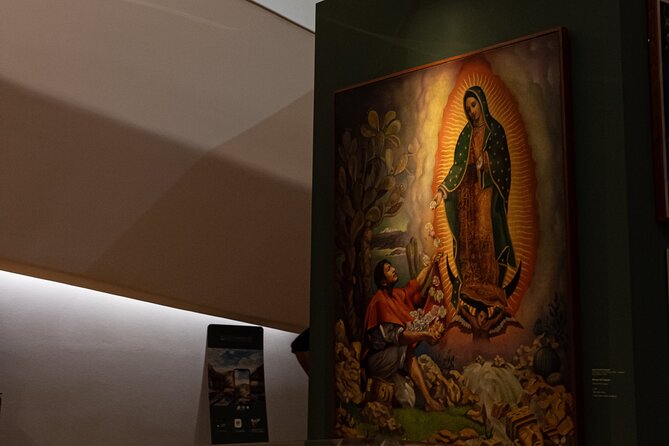
The tour focuses on the six floors, each with a clear theme. Think of it like moving through chapters. The guide helps you connect what looks different at first glance into one flowing story.
Room 1: Modernity, Art and Techné
This floor is about the idea that making art is not just inspiration, it is also craft. I like how the room’s theme gives you permission to look at the details that usually get skipped. When you hear a guide frame what you are seeing as both art and technique, it changes how you look at materials, form, and style.
If you usually jump past technical stuff, this is a gentle way to catch it. If you love technique, you will probably enjoy the way the guide points out the logic behind modern design choices.
Room 2: Myths and Allegories, From the Visible to the Invisible
Art that uses myth can feel like homework if no one explains the symbols. This room’s theme is basically an instruction: do not stop at what you see. Ask what it might mean.
Guides often do best here because they can translate symbolism into plain language. A myth or allegory can be hard to access alone, especially in a museum full of objects that came from different eras and places. The payoff is that you start to recognize patterns, like how stories become symbols and symbols become art.
Room 3: Old European and New Spain Masters
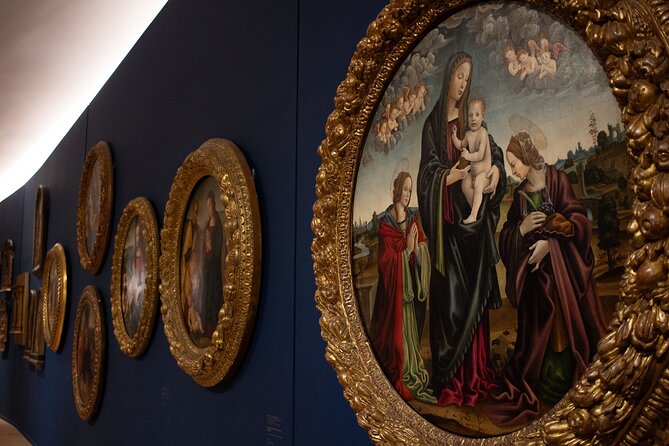
This is where the museum’s mix becomes obvious. You move into works associated with Old Europe and New Spain, so the tour helps you compare how similar artistic problems get solved in different cultural settings.
I find this kind of floor especially useful when you want to understand Mexico City’s art context. You are not just seeing isolated masterpieces, you are learning how European art traditions traveled and reshaped themselves locally. The guide’s job is to connect the dots without drowning you in dates.
If you want the most direct link between European art and Mexican art traditions, this is the room to pay close attention to.
Room 4: Romanticism to the Avant Garde
This room covers a shift in how art represents emotion and reality. Romanticism tends to pull you toward feeling and drama, while the avant-garde pushes you toward experimentation and new rules.
A good guide can make this transformation feel logical instead of random. From what you get in this tour, you should expect your guide to explain how artists moved from big expressive themes into bolder forms and methods. When it clicks, modern art becomes less intimidating because you see it as a continuation of ideas, not a sudden break.
The drawback to consider here is that your brain may be switching gears often. You are moving through a tight schedule, so give yourself permission to linger for just a few extra minutes where your interests spike.
Room 5: 20 Centuries of Art in Mexico
This is where the tour shifts from outside influence to Mexican momentum. A broad period like the 20th century can feel too big for a single visit, so the tour approach matters: it keeps the floor framed so you can spot the major movements rather than trying to read everything.
I like floors like this because they help you leave with a stronger sense of how Mexican art developed over time. You can start noticing how artists respond to history, identity, and changing cultural debates. Even if you only absorb part of it, the guide structure gives you a map for what to revisit later.
Room 6: Julián and Linda Slim, The Rodin Era
The final room is built around Julián and Linda Slim and highlights the Rodin era. This matters for two reasons.
First, it brings sculpture into sharper focus. Second, it gives the tour an emotional anchor. In the experience’s coverage, one guide-led moment that stands out is the chance to see a Da Vinci work up close and to spend meaningful time with major artists. Rodin’s work often lands with that same punch because you can feel the physicality of the form.
If you are a sculpture fan, do not rush this room. Give yourself a chance to step back, then step in again, because Rodin-type sculpture can look completely different depending on how you read scale and surface.
The Guide Makes or Breaks the Museum
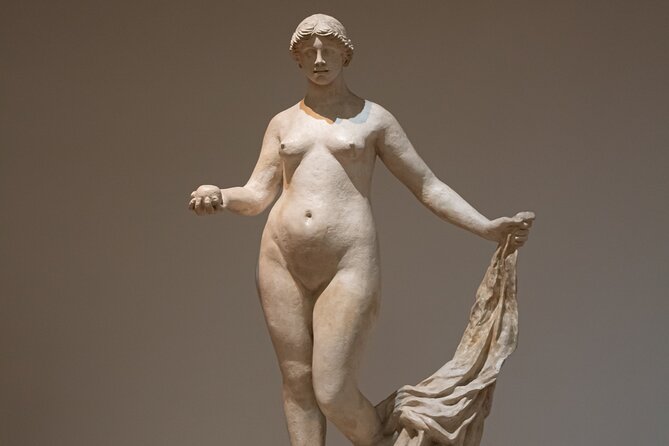
The tour includes a bilingual guide, and the names that come up in past experiences include Jesus and José. The common thread in those guide moments is clarity and flow. You are not just told what the artwork is. You are taught how to look, and then you get reminded of the big story that connects one floor to the next.
One thing I really like about this setup is that guides here focus on making the information easier to digest. When a guide can link artists across rooms and explain the why behind the themes, the museum stops feeling like a test and starts feeling like a conversation.
If you prefer facts without personality, you might find the pace too lively. But if you want explanations that feel human and practical, this tour has the right format.
What to Do With Your Time After the Tour
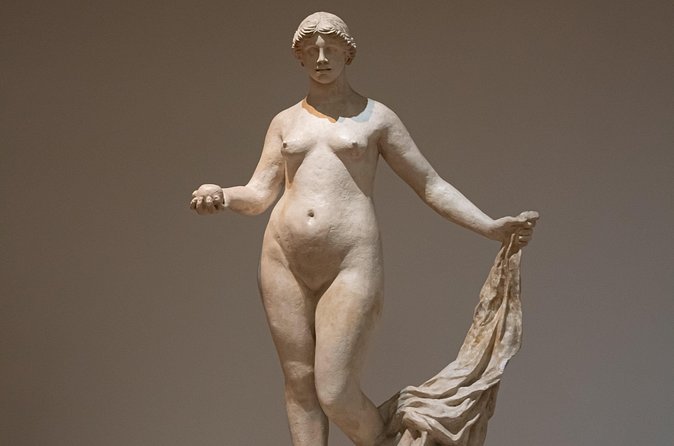
Since this experience ends back at the meeting point, you have an easy landing. You can either continue exploring the museum on your own if there is a room you want to see again in slower mode, or you can move on to another Mexico City stop.
I also suggest thinking of this tour as a fast “first read.” You get oriented quickly, and then you decide which themes to return to later. That is often the best strategy in big museums.
If you have a full day, you can pair this with other cultural sites nearby. If your day is already packed, the 2.5 hour timing makes it a workable anchor.
Who Should Book This Museo Soumaya Experience
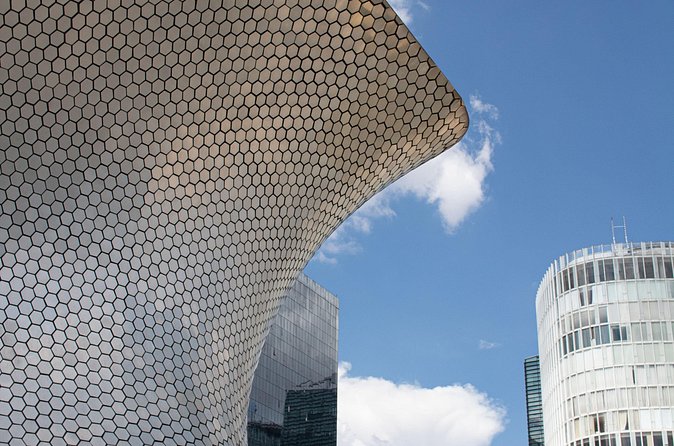
This tour is a strong fit if:
- You want a guided plan through a large museum without guessing where to start
- You enjoy art history but need it translated into a clear story
- You are visiting Mexico City with limited time and want maximum value per hour
- You want a small-group experience that stays focused, with a maximum of 15
It may not be the best fit if:
- You hate structured tours and want complete freedom to roam with no schedule
- You want to spend long stretches on one single work, because the tour moves through multiple floors
Quick FAQ
FAQ
How long is the Museo Soumaya tour?
It runs about 2 hours 30 minutes.
What is the price per person?
The price is listed as $53.68 per person.
Is admission to Museo Soumaya included?
Yes. A free admission ticket is included as part of the experience.
Is food included?
No. Food is not included.
Is transportation included?
No. Transportation is not included.
What language is the tour offered in?
The tour is offered in English.
How big is the group?
There is a maximum of 15 travelers.
Where does the tour start?
It starts at Museo Soumaya, Blvd. Miguel de Cervantes Saavedra, Granada, Miguel Hidalgo, 11529 Ciudad de México, CDMX, Mexico.
Can I cancel for a full refund?
Yes. You can cancel up to 24 hours in advance for a full refund.
Should You Book This Museo Soumaya Tour?
If you want a museum visit that gives you a real framework, I think you should book it. The value is strong because a bilingual guide is included, the group stays small, and admission is already covered. You get a room-by-room path through six floors, which is the difference between walking through galleries and actually learning how the collection connects.
Book this especially if you are the type who likes to understand what you are seeing. If you prefer wandering with no structure, you might find the timeboxed approach a bit intense. But for most visitors who want art history to land fast and well, this is a smart way to spend a couple of hours in Mexico City.
Collections for a Longer Afternoon




More Tour Reviews in Mexico City






Museums and Galleries for the Next Afternoon
More Mexico City plans worth opening


Mexico City Museums & Galleries for the next day.
 ★ 4.4Xochimilco, Coyoacan, Frida Kahlo Museum & Murals TourFrom $893,025 reviews
 ★ 4.5Chapultepec Castle & Anthropology Museum TourFrom $791,348 reviews
 ★ 5.0Frida Kahlo VIP [Museum Tickets Included] Bike, Markets & ChurrosFrom $831,072 reviews
 ★ 4.5Anthropology Museum Guided TourFrom $391,035 reviews
 ★ 5.0Frida Kahlo VIP [Museum Tickets Included] Walk, Markets & ChurrosFrom $83982 reviews
 ★ 5.0EXCLUSIVE TOUR Frida Kahlo Museum – SMALL GROUPSFrom $86901 reviews
 ★ 4.4Anthropology Museum Guided VisitFrom $67708 reviews
 ★ 4.5Frida Kahlo Museum Entry Ticket w/Digital GuideFrom $34683 reviews
This review also appears in