
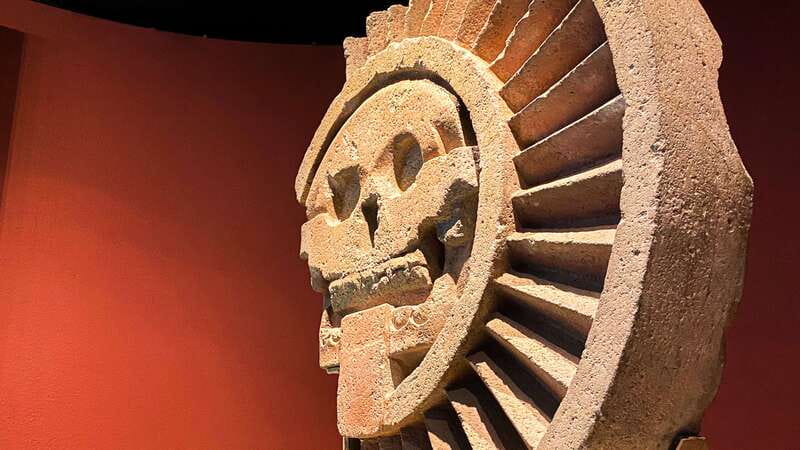
REVIEW · ANTHROPOLOGY MUSEUM TOURS
Mexico City: Anthropology Museum Guided Visit
Prehistory comes alive fast here. This guided visit helps you read Mexico City’s National Museum of Anthropology with a clear, human story and a smart hit list of artifacts that matter. You get a guide plus entrance, and then a bit of breathing room to wander when you’re done.
I really like two things about this setup. First, the tour focuses on the museum’s toughest-to-navigate areas, especially rooms with small objects like early spear points, clay tools, and daily-life pieces that explain what people actually did. Second, the museum can be overwhelming on your own, but a good guide, including names like Leonardo and Giovanna (often highlighted for strong English explanations), helps you connect Mayan, Aztec, and Zapotec eras into one timeline.
One drawback to think about is price versus time. At $67 per person for a 2.5-hour experience, it’s not just paying for entry (the museum admission is much less), so you’re paying for the guide. Also, you’ll still be limited by the museum’s size, since you only get a short window and some label text is in Spanish.
Key things to notice on this Anthropology Museum visit
- Skip-the-line entry so you start seeing important pieces sooner
- Early hunter technology through tiny spear points, some tied to more than 10,000 years ago
- Daily-life vs ceremonial objects, explained through clay items and symbolic articles
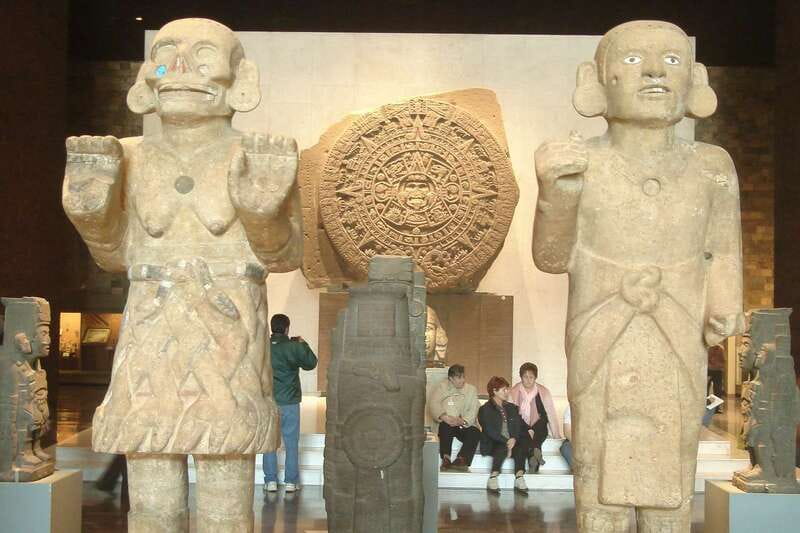
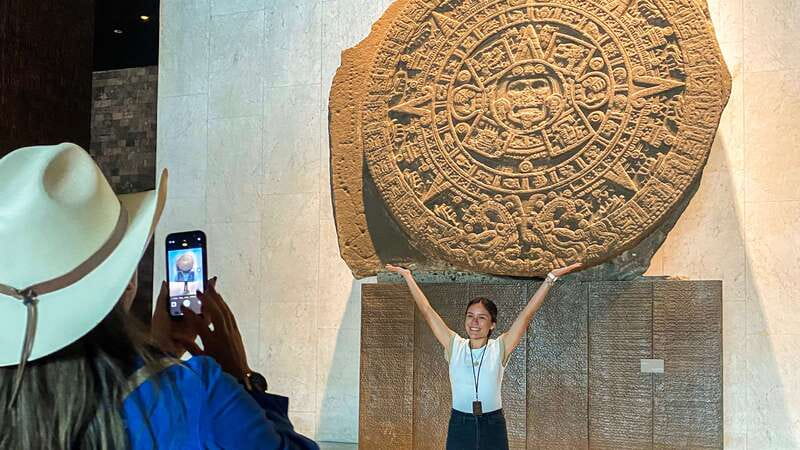
- Stone of the Sun context, not just a photo stop
- A route that keeps the story chronological, which is the real time-saver in a massive museum
- Guided highlights first, then free time to follow your own interests
Give the Anthropology Museum a closer look
- Chapultepec Castle & Anthropology Museum Tour
★ 4.5 · 1,348 reviews - Anthropology Museum Guided Tour
★ 4.5 · 1,035 reviews - Mexico City: Anthropology Museum Guided Visit
★ 4.4 · 708 reviews - Mexico City: Chapultepec Castle and Anthropology Museum Tour
★ 4.5 · 637 reviews
Stepping inside the museum that anchors Mexican identity
The National Museum of Anthropology is one of those places that can either feel chaotic or feel crystal clear, depending on how you approach it. This guided format helps you do the second. It’s also hugely popular, drawing roughly 2 million visitors each year, so starting with structure is a gift to your feet.
What makes it compelling is that this museum is not only about famous kings and emperors. It’s about everyday lives across time, from early hunters to later civilizations, with objects recovered from archaeological sites all over what is now Mexico. In other words, you’re not just looking at art. You’re looking at evidence of how people adapted, believed, traded, and survived.
You’ll also get the benefit of a guide’s framing as you move. That framing matters because many museum artifacts can look similar at first glance, especially small stone and clay items. A good guide helps you notice what changes across eras, and why those changes matter.
From the flagpole at 8:50 to a focused 2.5-hour route
This tour is built around momentum. You meet at 8:50 am at the flagpole next to the main entrance, then you head inside and start moving right away. The guided portion is designed to use your limited time wisely, since the museum is huge and free-roaming can turn into aimless wandering.
In practice, the guide’s job is to choose what to see and what to skip so you don’t waste the first hour just trying to find the right wing. You’ll get an overview of the museum’s main themes and then move through specific rooms where objects are grouped by period and function.
The total time is 2.5 hours, and after the guided portion you get free time to explore on your own. I like this split because you get both: a fast orientation to the “big story,” plus the chance to return to anything that caught your eye.
If you’re someone who loves asking questions, this format works well. Many guides (names like Alan, Hector, Roberto, and Lili come up often) are praised for keeping a good pace while still answering follow-ups. That’s how you turn museum time into real understanding, instead of just scanning labels.
Small spear points and everyday clay: the rooms where details matter
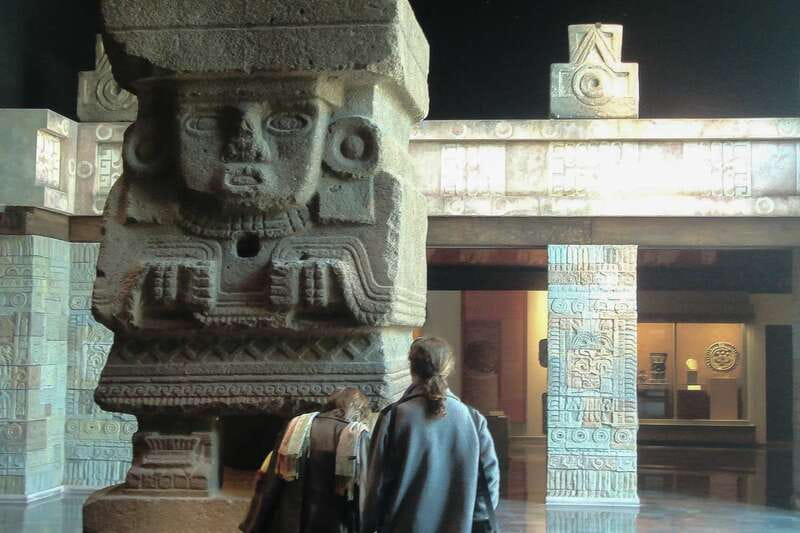
One of the best parts of this visit is how it handles the small stuff. Early human history is easy to feel remote, but when a guide points out tiny artifacts, it becomes personal. You’ll spend time in rooms with smaller displays, including spear points tied to very early hunter life on the continent, more than 10,000 years ago.
Seeing those pieces up close changes your perspective. Instead of thinking of “ancient people” as one vague category, you start to notice choices: how stone was worked, what tools were needed for survival, and what skills had to be passed down. It’s the kind of detail that’s hard to get on your own if you don’t know what you’re looking for.
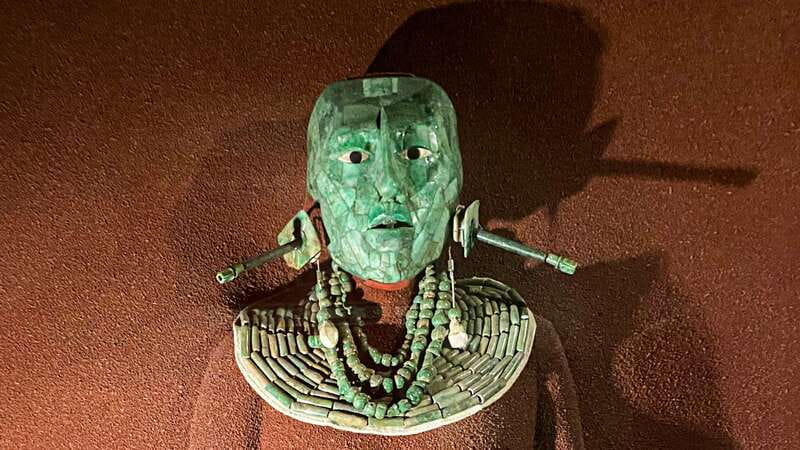
The tour also includes examples of clay pieces used in daily life and others that were part of religious ceremonies. This is important because it shows how the same materials could serve different purposes. A clay object can be practical, but it can also carry meaning. That balance is a big theme across Mesoamerican cultures.
For you, the real value is not memorizing dates. It’s learning how to read objects. When a guide explains what a tool was for, or what a symbol likely meant, you start building a mental map. Later, when you walk past another display on your own during the free time, you’ll recognize the pattern instead of starting from zero.
Open another museum door in the capital
- Chapultepec Castle & Anthropology Museum Tour★ 4.5 · 1,348 reviews
- Anthropology Museum Guided Tour★ 4.5 · 1,035 reviews
- EXCLUSIVE TOUR Frida Kahlo Museum – SMALL GROUPS★ 5.0 · 901 reviews
- Mexico City: Anthropology Museum Guided Visit★ 4.4 · 708 reviews
- Mexico City: Frida Kahlo Museum Entry Ticket w/Digital Guide★ 4.5 · 683 reviews
The timeline from Mayan, Aztec, and Zapotec worlds
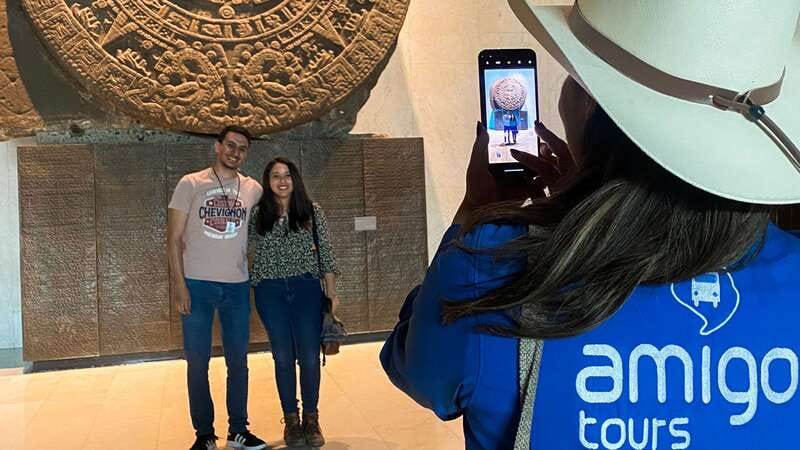
This museum is built for long-range comparisons. The guided visit helps you connect multiple cultures across time, especially Mayan, Aztec, and Zapotec societies. You’ll see artifacts excavated from archaeological sites covering vast territories in modern-day Mexico, and your guide will explain what those objects can tell us about culture.
Here’s the practical reason this matters. Without a route and an explanation, it’s easy to treat cultures like separate topic areas. With a good guide, you start seeing relationships: how different groups shaped their environments, what kinds of craftsmanship appear repeatedly, and how belief systems influenced everyday life.
A key part of the tour is that it doesn’t just repeat textbook lines. The guide helps you understand how historians have been challenged to rethink how the broader Mesoamerican story developed. That might sound abstract, but it actually makes the museum feel more alive. You’re not being told to memorize conclusions. You’re learning how interpretation works when new evidence is found.
If you’re the type who enjoys context while you walk, this is a highlight. Guides such as Giovanna and Alan are often praised for weaving individual pieces into a bigger storyline, so you leave with a coherent sense of what you saw, not a pile of disconnected photos.
Stone of the Sun: why one object draws the room
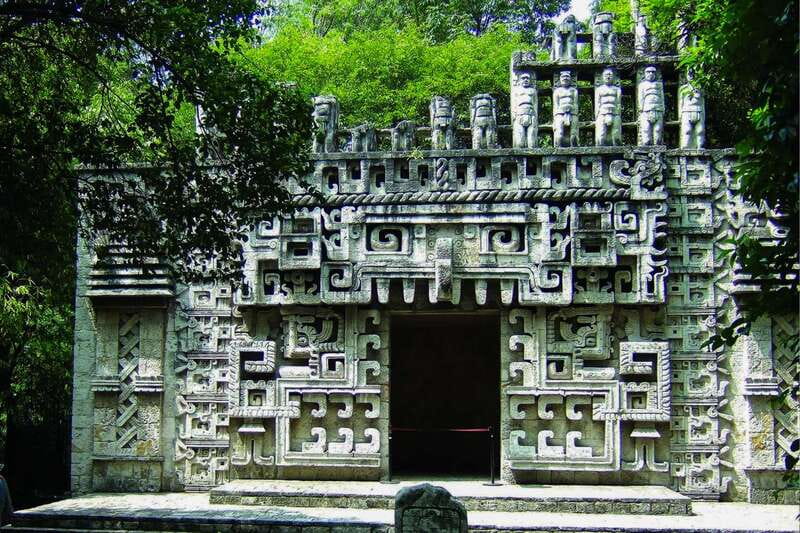
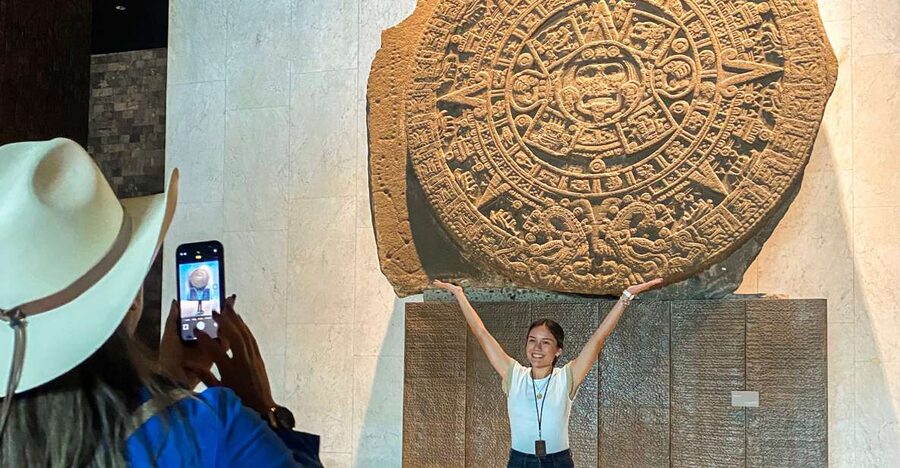
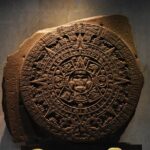
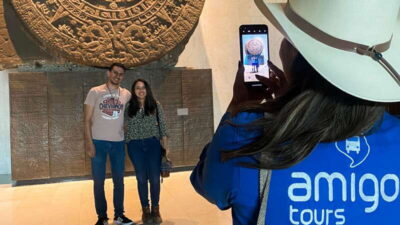
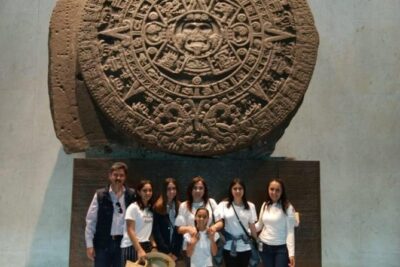
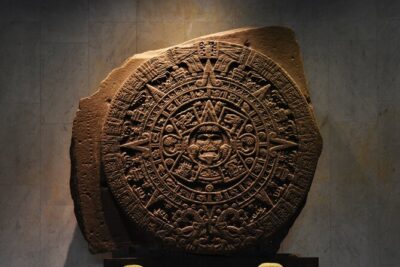
At some point, you’ll get to the museum’s biggest-name object, the Stone of the Sun, often called the Aztec calendar stone. The temptation is to treat it like a landmark, snap a picture, and move on.
The guided visit pushes past that. Your guide will explain what the stone represents and why it matters in the broader story of Mexican history. Even if you know a little already, this kind of explanation is useful because the stone is packed with symbols and structure. Without context, it’s easy to miss what you’re actually looking at.
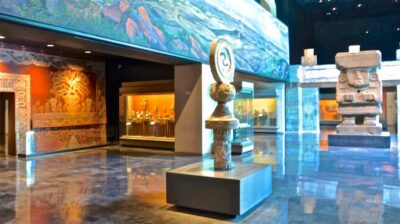
This is also where you’ll feel the benefit of the museum’s design. The National Museum of Anthropology doesn’t group everything randomly. It builds a reading experience, with rooms and objects that make sense together. A guide helps you catch that logic quickly.
And because the tour includes free time after, you can return to the Stone of the Sun area if you want more time than the guided pacing allows. That’s a simple but smart benefit. You get the first understanding, then you get a second chance to look closer.
Originals vs replicas and Spanish-only labels: the real help for English speakers
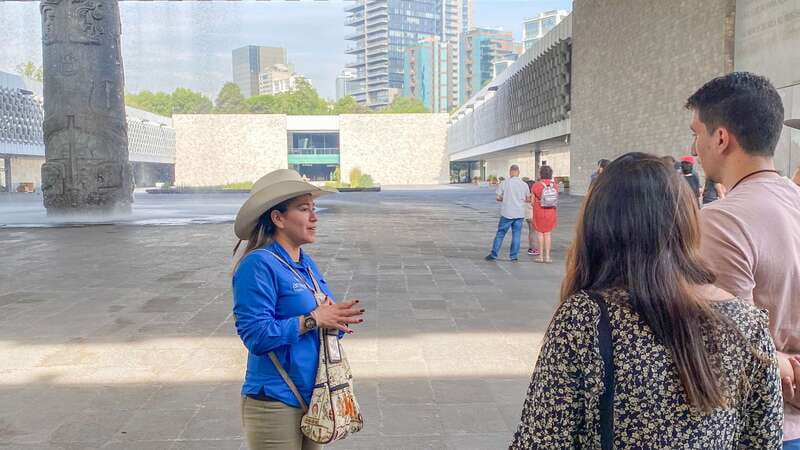
One practical challenge in this museum is language. The museum labels are often in Spanish, and unless you read them comfortably, you can miss a lot of what the object is telling you. That’s exactly where a guide becomes more than a nice-to-have.
A strong guide does two things for English speakers. They translate the main points, and they also explain how to interpret what you’re seeing. Some guides are also careful about pointing out which items are originals vs replicas, which makes a big difference. Replicas can still teach you a lot, but knowing what’s original helps you calibrate your expectations.
This is also why I like the structure of this tour. It’s not trying to “teach you everything.” It’s trying to get you oriented enough that you can enjoy the museum during your own time after the guide.
If you’re considering a solo visit, be honest about your time and language comfort. If you only have a half day, your money is better spent on guided context than on hoping you’ll piece it all together by reading plaques at random.
Price and value: what $67 buys you (and what it does not)
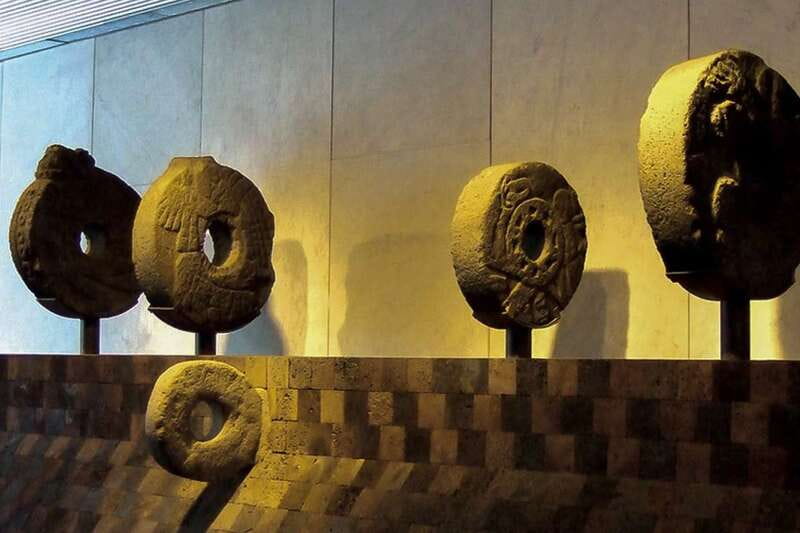
Let’s talk value plainly. The price is $67 per person for about 2.5 hours, with the guide and museum entrance included. The museum itself has admission that’s much lower than the guided activity cost, so the real product you’re paying for is the guide’s time and the route.
Is that worth it? Usually, yes, if you fit one of these profiles:
- You want to see the highlights without losing time to navigation
- You care about understanding what objects mean, not only what they look like
- You prefer guided storytelling because labels are often in Spanish
Where value can feel thin is if you already know the museum well, or if you’re the kind of visitor who only wants a few big photos. In that case, you might decide to spend your time exploring at your own pace and skipping the structured route.
One more caution that affects value: the museum is so large that even a great tour won’t cover everything. Some visitors end up wanting more time than the schedule allows, which is normal here. If you’re truly a museum-nerd and you want to read deeper, plan more time in Mexico City anyway.
The good news is that your free time at the end helps. You’re not forced to stop thinking when the guide leaves. You can circle back to what you found most meaningful.
Best fit for history lovers, families, and first-time museum visitors
This guided visit is a strong match for first-time visitors to Mexico City who want a fast entry into pre-Columbian themes. It’s also a great choice if you’re traveling with kids or family members, since the tour can be tailored to needs with a family tour option.
It’s especially good for people who get overwhelmed in big museums. The museum is huge, and without help you can drift from room to room without a coherent storyline. With a guide, you get the “why this is here” part, which makes everything else easier to enjoy.
I’d also recommend it to couples or solo travelers who want a shared moment of understanding. It’s one thing to see the Stone of the Sun. It’s another to understand what it symbolizes and how historians interpret related evidence across time.
If you’re short on time and also picky about language, the English-speaking guide is one more reason this tour pays off. Many guides are praised for clear English and for answering questions, including guides like Hector, Roberto, and Lili.
A practical way to get the most from your free time
After the guided route, you’ll have some free time to explore. Use it with a plan, not a hope.
My suggestion: pick one of these strategies:
- Revisit the objects your guide emphasized, but slow down for details
- Follow any area that matched your specific interest, like early technology or ceremonial items
- If you spot labels in Spanish you don’t fully read, treat the object as visual learning and move on, then rely on the guide approach when you can
Also, plan for comfort. A 2.5-hour museum visit is still a lot of walking. Bring water if you can, and wear shoes you can stand in. Even without extra time, you’ll notice the museum’s scale right away.
If your schedule allows a longer stay, you’ll likely want it. Some visitors point out you really need more than a single day to do the museum justice. This tour is a strong primer, not the whole course.
Should you book this guided visit?
Book it if you want a structured path through a massive museum, and especially if you don’t read Spanish labels comfortably. This tour is built for understanding, not just sightseeing, with a focus on objects like spear points, clay pieces from daily life and ceremony, and major icons such as the Stone of the Sun.
Consider skipping the guided option if you have deep prior knowledge, prefer wandering with no schedule, or only care about a tiny handful of photo stops. In that case, you may spend your time more efficiently on your own.
If you do book, do one smart thing: show up ready to ask questions. When guides like Leonardo, Giovanna, Alan, and Hector are at their best, the tour becomes more than a route. It becomes a way to look at artifacts and understand what they’re trying to say.
FAQ
Where do I meet the guide?
Meet your guide at the flagpole next to the main entrance of the National Museum of Anthropology at 8:50 am.
How long is the guided tour?
The experience runs for 2.5 hours.
Is the entrance ticket included?
Yes. Entrance to the National Museum of Anthropology and the guide are included.
What language will the guide speak?
The live guide is available in Spanish and English.
Do I get time to explore on my own?
Yes. After the guided highlights, you’ll have free time to explore the museum independently.
Is food included in the tour price?
No. Food and drinks are not included.
Is this tour private or shared?
A private group option is available.
Can I cancel if my plans change?
You can cancel up to 24 hours in advance for a full refund.
More Tour Reviews in Mexico City





Museums and Galleries for the Next Afternoon





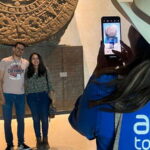
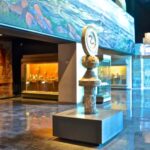
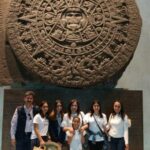
Inside the National Museum of Anthropology
More Mexico City plans worth opening




Anthropology Museum Tours for the next day.
 ★ 4.5Chapultepec Castle & Anthropology Museum TourFrom $791,348 reviews
 ★ 4.5Anthropology Museum Guided TourFrom $391,035 reviews
 ★ 4.5Chapultepec Castle and Anthropology Museum TourFrom $47637 reviews
 ★ 4.4Anthropology Museum Skip-the-Line TicketFrom $15502 reviews
 ★ 5.0Anthropology Museum Private Experience Walking TourFrom $78355 reviews
 ★ 5.05 Hour Tour through Chapultepec, Anthropology Museum and CastleFrom $61239 reviews
 ★ 5.0PRIVATE Tour in Chapultepec Castle and Museum of AnthropologyFrom $113144 reviews
 ★ 4.5Teotihuacan & Anthropology Museum, Templo Mayor & City TourFrom $137109 reviews
This review also appears in