
REVIEW · ANTHROPOLOGY MUSEUM TOURS
National Museum of Anthropology Early access with VIP Archaeologist
Museo de Antropología is big, so plan smart. This experience turns a sprawling, top-tier museum visit into a guided route through the museum’s standout architecture and the artifacts most people travel here to see. You also get an archaeology-led explanation style that stays grounded in evidence and cultural respect.
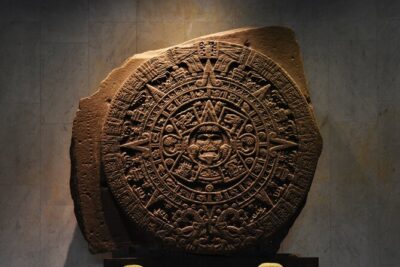
I love that the tour keeps your group small, with a maximum of 11 people, so questions do not get lost in the shuffle. I also like the practical pacing for a tight 2 hours 30 minutes, where you still get context for major works like the Stone of the Sun and Coatlicue.
One consideration: even though the experience is marketed as early access, museum entry timing can shift due to security checks and internal museum flow. In one case, the tour started about 40 minutes after the listed meeting time, so if you are on a tight schedule, build in buffer time and stay flexible at check-in.
Key things to know before you go
- Small group size (up to 11) helps you actually follow the story, not just walk by things
- Admission ticket included means you are not hunting for the right line at the last second
- English-led visit works well if you want explanations without translation apps
- Archaeology-focused approach favors science and cultural respect over wild speculation
- Chapultepec Forest location pairs well with a morning outing in Mexico City
Give the Anthropology Museum a closer look
- Chapultepec Castle & Anthropology Museum Tour
★ 4.5 · 1,348 reviews - Anthropology Museum Guided Tour
★ 4.5 · 1,035 reviews - Mexico City: Anthropology Museum Guided Visit
★ 4.4 · 708 reviews - Mexico City: Chapultepec Castle and Anthropology Museum Tour
★ 4.5 · 637 reviews
Museo Nacional de Antropología, Chapultepec Forest, and why this museum matters
The Museo Nacional de Antropología is not just famous, it is built into Mexico City’s cultural identity. Opened in 1964 and set in the Chapultepec Forest, it is the country’s largest and most visited anthropology museum, and it is so prominent that it even received the Princess of Asturias de la Concordia Award in 2025 for conservation, research, and sharing of indigenous heritage.
What I love for your visit is the way the museum does two things at once. First, it gives you a clear “anchor” place to start, because the building is memorable from the outside and inside. Second, it gives you the chance to connect specific objects to real people, real time periods, and real regions, instead of treating artifacts like random trophies.
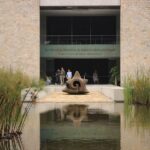
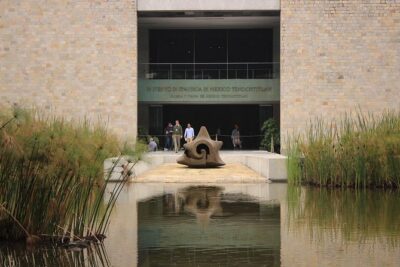
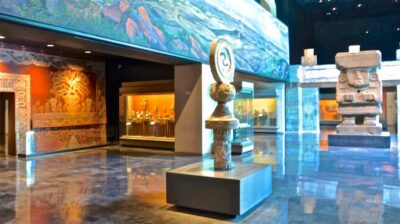
One fun detail to keep in mind as you walk in: the museum’s architecture is not background noise. It is part of the experience. The building, designed by Pedro Ramírez Vázquez, Jorge Campuzano, and Rafael Mijares, surrounds a central courtyard with a pond, plus the iconic “Umbrella” column that drops water like a small waterfall. It is the kind of structure you will want to look at twice, once as you arrive, and again after you know what you are seeing inside.
Price and logistics for a 2.5-hour visit that actually works
This tour is priced at $25 per person, runs about 2 hours 30 minutes, and is booked fairly far ahead on average. That price is not just for a guide. It also includes admission, so you are paying for interpretation plus entry in one simple package.
Logistically, you will want to arrive a little early, because you are meeting at Starbucks on Av. P.º de la Reforma s/n, Bosque de Chapultepec I Secc, Miguel Hidalgo, 11850 Ciudad de México, CDMX. Start time is listed as 8:40 am, and the tour returns you to the same meeting point.
You should also know the group size is capped at 11. That matters in a place like this, because the museum is huge and easy to get lost in. With fewer people, you can keep pace with the guide and ask questions without repeating yourself three times.
A small practical note that can save you frustration: the museum entrance process can take time. Even when you have an early start, you still have to pass through the museum’s security and internal entry steps. So if you are planning lunch reservations later, I recommend giving yourself a cushion rather than assuming the exact clock time will be perfect.
The early-access title, reality at the gate, and how to handle timing
The experience is labeled as early access with a VIP Archaeologist, but here is the honest travel lesson. “Early” depends on museum flow, security, and how quickly a group can move through official entry steps.
In one reported situation, the group waited for late traffic on the Mexico City roads and then still had to work through standard museum entry processes, including time between ticketing and checking items. The result was a later start than the listed meeting time.
So what should you do with this information? Treat the 8:40 am start time as your best target, not a guarantee. If you get there on time, great. If you are running late, try not to overthink it, because there is usually an official check-in and entry sequence either way. And if you hate waiting, show up a bit early and use the time to get oriented around the Chapultepec Forest area before you enter.
Open another museum door in the capital
- Chapultepec Castle & Anthropology Museum Tour★ 4.5 · 1,348 reviews
- Anthropology Museum Guided Tour★ 4.5 · 1,035 reviews
- EXCLUSIVE TOUR Frida Kahlo Museum – SMALL GROUPS★ 5.0 · 901 reviews
- Mexico City: Anthropology Museum Guided Visit★ 4.4 · 708 reviews
- Mexico City: Frida Kahlo Museum Entry Ticket w/Digital Guide★ 4.5 · 683 reviews
VIP Archaeologist style: science-forward and culturally respectful
The “VIP Archaeologist” part is not just branding. The tour is meant to be led by an archaeology-trained guide, and in guide feedback tied to the experience, one archaeologist named Rodolfo was referenced as having the highest certifications available through the operator. Another reported guide, Iván, was praised for providing strong historical background, and Raúl Hernandez was praised for his clear, focused essentials, with extra passion for the Maya.
What you should take from this is the explanation style. One response from the provider emphasized that the tour aims to be scientific and to respect cultures, and it specifically pushed back on linking Mexican cultures to aliens, saying that such claims cannot be supported scientifically in museum science materials.
That matters because it tells you what you will and will not get. If you are hoping for evidence-based interpretations, you will likely feel comfortable here. If you want speculative theories and sci-fi angles, you may find the tone too grounded.
Entering the museum: architecture first, then artifacts with context
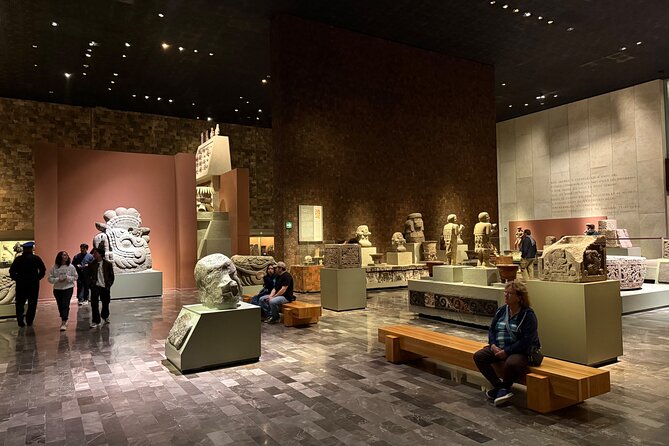
Your visit centers on a single main stop: the Museo Nacional de Antropología itself. The early part of your walk is not random browsing. The guide helps you orient quickly, and the museum’s architecture makes that easier.
Start with the courtyard concept. The museum wraps around a central outdoor space with a pond, and the umbrella-like water feature is a built-in landmark. You are not just passing by. You are using a physical reference point to understand how the galleries connect.
Then the guide helps you connect the museum’s layout to the objects you came for. You will move through a curated focus rather than trying to personally conquer the whole building. That is key, because trying to do this museum without a plan is how you end up tired and frustrated, especially in a museum this large.
Also, the time limit helps you. With only about 2.5 hours, you need a route that prioritizes the big anchors. That is what the guide role does well: it gets you to the key artifacts and tells you enough background to make them click.
The Umbrella courtyard, the museum’s symbolic design, and what to notice
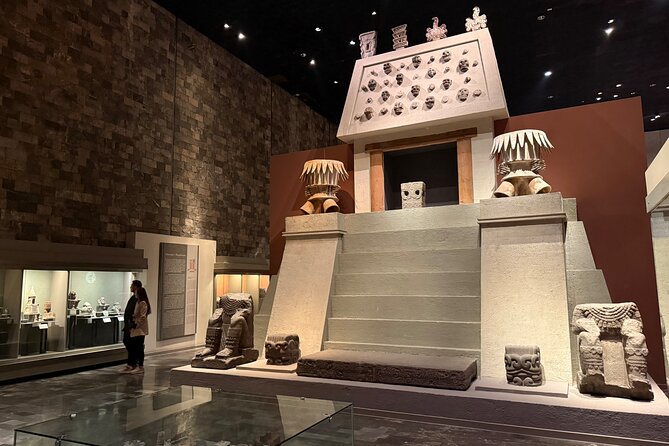
Before you even get to the heavy hitters, look up and look outward. The museum’s designers gave you a central courtyard with a pond and a waterfall effect from the Umbrella feature. It is one of those details that feels theatrical, but it is also functional, creating a cooling micro-atmosphere in a setting that welcomes long looking.
As you pass through, take a moment to notice how the building frames views. The museum’s layout encourages a loop feeling, where you can keep your bearings. That makes your 2.5-hour visit more satisfying, because you are not constantly asking, Where am I again?
This is also a good time to set your expectations. The museum is internationally renowned and heavily visited, which means you will see a flow of people. A guided route helps you move with the logic of the collections instead of fighting the crowd without direction.
The big-name artifacts you will actually remember
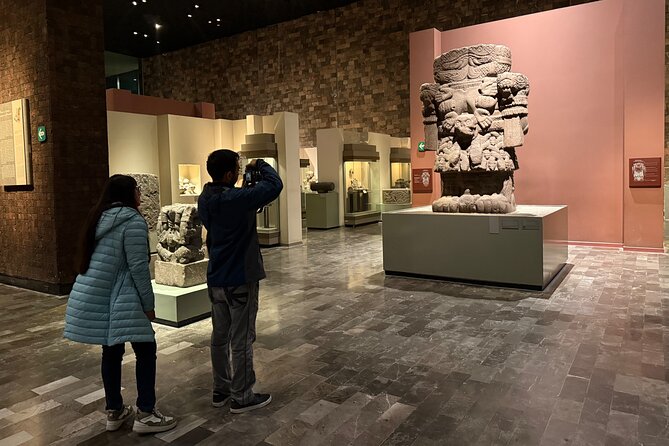
Here is what you should expect to focus on during your guided route. These are some of the most famous highlights, and they are listed because they are widely recognized for their cultural and historical importance.
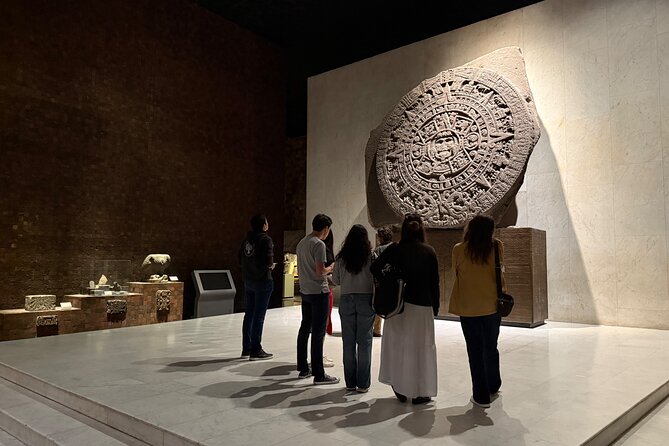
Stone of the Sun, also known as the Aztec Calendar
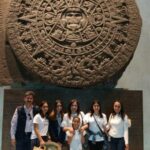
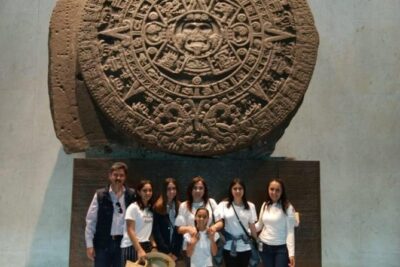
The Stone of the Sun, a 24-ton monolith, is the kind of object that makes your brain go quiet. Even if you have seen photos, seeing the real scale changes the experience. You will likely get context around how this artwork functions as a monument, tied to Mesoamerican cosmology and public meaning rather than decoration.
What to do: slow down and treat it like a “read.” Let the guide explain the structure and significance, then look for the patterns again on your own for a minute or two before you move on.
Coatlicue, the goddess of life and death
Coatlicue is a major Aztec goddess figure, and the museum presents this statue as more than a visual shock. It is an entry point into symbolism, beliefs, and how cultures used imagery to communicate big ideas about life cycles and the sacred.
If you are sensitive to heavy imagery, you will still be okay, just know it is intense. The advantage of a guide is that you get the cultural framing, so you are not staring at a carved figure without understanding why it mattered to the people who made it.
Olmec colossal heads and other standout sculpture
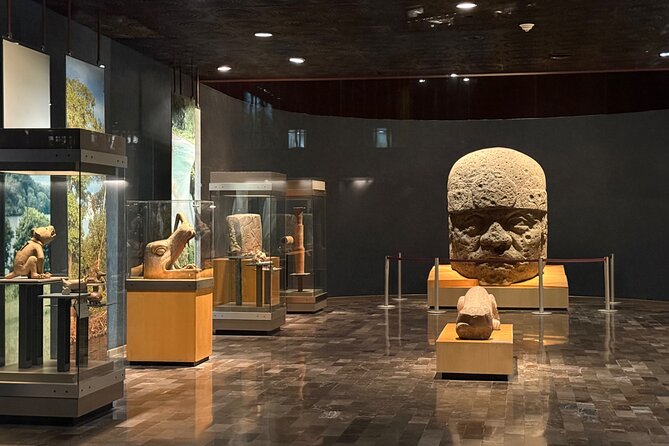
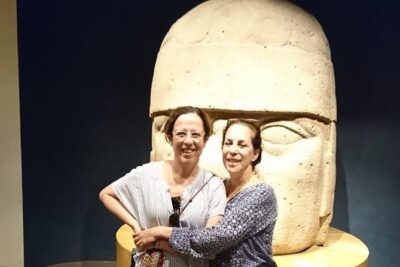
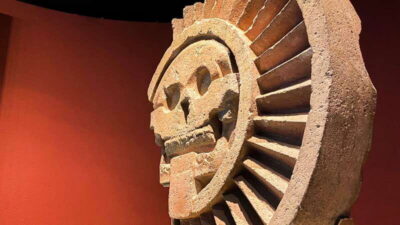
You will also be guided to iconic sculpture such as the Olmec Colossal Heads and other major works like the Tula Atlantean figures and the Mask of the God Zapotec Bat.
These objects help you do something important in a museum like this. They let you compare styles and regional emphasis over time. The guide’s job is to keep these connections clear, so you see patterns instead of only seeing individual masterpieces.
How to get the most out of only 2.5 hours
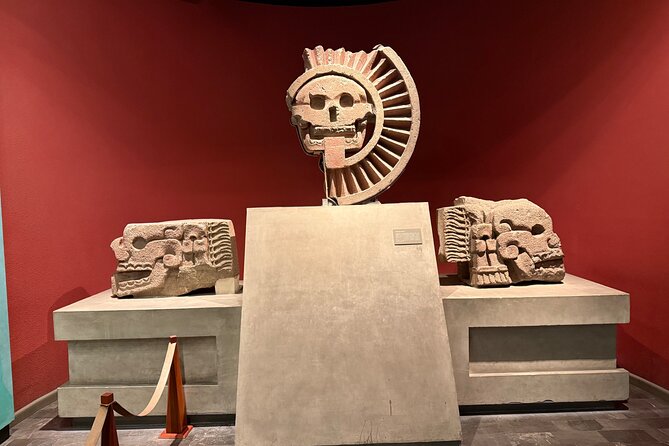
Two hours 30 minutes sounds like a lot until you enter a massive museum. The trick is not to try to see everything. The trick is to see the right things in the right order, and then leave energized instead of drained.
I recommend using the guided route as your skeleton, then adding a little personal time where you feel drawn. If you finish early, use that extra time for one slow stop, not five quick ones. That one slow stop is where a museum visit becomes memorable.
Also, plan your energy. Museum visits include standing, walking, and looking up and down. If you have limited mobility or stamina, you may want to tell the guide early, so they can suggest where to pause longer and where to move on faster. The tour does not claim to be accessible in a specific way, so your best move is to manage your comfort proactively.
If English is your language, you are set. The tour is offered in English, and guide quality seems to matter in this experience. Iván and Raúl Hernandez received praise for giving background that helped visitors understand what they were seeing.
Transportation and where the meeting point fits into your morning plan
Your meeting point is in a central area near public transportation, which is helpful because Mexico City traffic can be unpredictable. The Starbucks location gives you a stable landmark, which matters when you are traveling in a big city and the group needs to regroup fast.
Because the tour starts at 8:40 am, it also pairs well with a morning routine in Chapultepec. You can think of it as a way to “start your day with meaning.” You get into the museum before your energy drops, and you still have enough day left to do something else nearby.
If you hate waiting around, show up close to the start time, but not late. The entry process and any brief group coordination can add time.
Who this tour is best for, and who might want a different style
This is a great fit if you want:
- A guided essentials route through a huge museum
- Interpretation by someone with archaeology training
- Clear explanations for major artifacts like the Stone of the Sun and Coatlicue
- A manageable group size, up to 11 people
It is also a good fit if you are traveling with limited time in Mexico City and want your museum visit to feel organized rather than chaotic.
Who might consider a different option: if you expect a hard guarantee of dramatic early entry with zero delays, you could be disappointed by timing variability. Also, if you want a science-skeptic or conspiracy-friendly style, the tour’s stated approach stays evidence-based and respectful, and it pushes back on claims that cannot be supported.
My take on value: is $25 worth it here?
For many museum visits, the cost of admission is only half the equation. The other half is whether you understand what you are looking at once you are standing in front of it.
At $25 per person with admission included, you are paying for:
- Guide interpretation during a short, practical time window
- Access to a focused route through the museum’s best-known works
- An archaeology-focused explanation style
Given the museum’s size, that guidance is usually worth it. Even a short guided route can help you avoid wasting time wandering and then realizing you missed the core items. If you go in with curiosity and a little patience for museum entry flow, the value feels solid.
Should you book this National Museum of Anthropology early access?
If you want a fast, organized way to experience one of Mexico City’s most important museums, I would book it. The combination of admission included, a small group size up to 11, and an archaeology-focused approach makes it a smart use of a morning.
Just book with eyes open about timing. Early access in title does not mean you will ignore security and internal entry flow. If you schedule something right after the tour, give yourself a buffer. If you want an evidence-based tour that focuses on key artifacts, you are exactly in the right place.
FAQ
What is the meeting point for the tour?
The tour meets at Starbucks, Av. P.º de la Reforma s/n, Bosque de Chapultepec I Secc, Miguel Hidalgo, 11850 Ciudad de México, CDMX, Mexico.
What time does the tour start?
The listed start time is 8:40 am.
How long is the experience?
It lasts approximately 2 hours 30 minutes.
Is admission included in the price?
Yes, an admission ticket is included.
What is the group size?
The maximum group size is 11 travelers.
Is the tour offered in English?
Yes, it is offered in English.
Is the ticket delivered digitally?
Yes, you receive a mobile ticket.
Are service animals allowed?
Service animals are allowed.
What is the cancellation policy?
You can cancel for a full refund up to 24 hours before the experience’s start time. After that point, the amount paid is not refunded.
More Tour Reviews in Mexico City




Museums and Galleries for the Next Afternoon




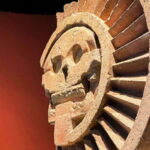
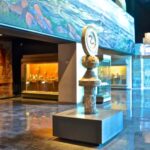
Inside the National Museum of Anthropology
More Mexico City plans worth opening



Anthropology Museum Tours for the next day.
 ★ 4.5Chapultepec Castle & Anthropology Museum TourFrom $791,348 reviews
 ★ 4.5Anthropology Museum Guided TourFrom $391,035 reviews
 ★ 4.4Anthropology Museum Guided VisitFrom $67708 reviews
 ★ 4.5Chapultepec Castle and Anthropology Museum TourFrom $47637 reviews
 ★ 4.4Anthropology Museum Skip-the-Line TicketFrom $15502 reviews
 ★ 5.0Anthropology Museum Private Experience Walking TourFrom $78355 reviews
 ★ 5.05 Hour Tour through Chapultepec, Anthropology Museum and CastleFrom $61239 reviews
 ★ 5.0PRIVATE Tour in Chapultepec Castle and Museum of AnthropologyFrom $113144 reviews
This review also appears in