
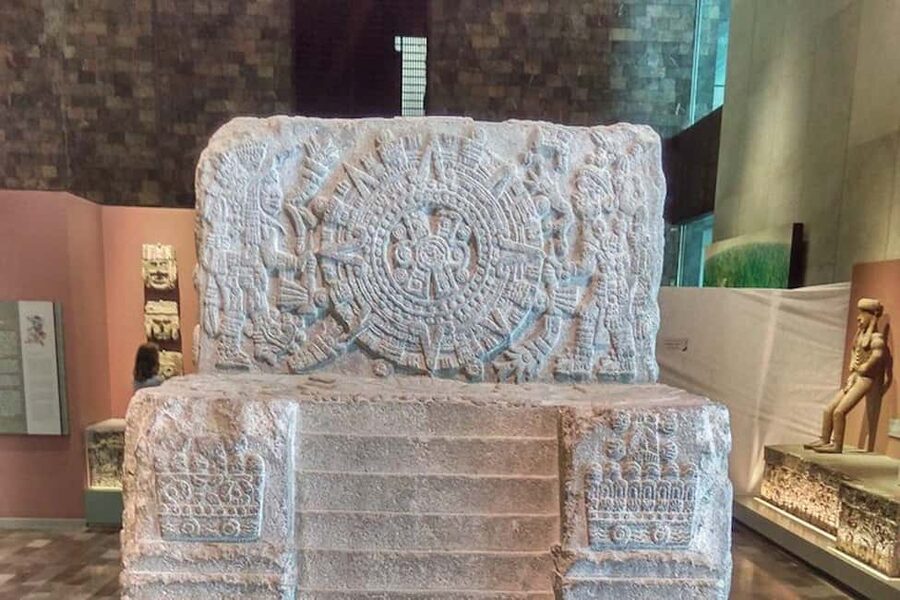
REVIEW · ANTHROPOLOGY MUSEUM TOURS
National Museum of Anthropology: a journey into Mexico’s past – English lang.
A museum tour can turn into homework fast, but this one stays fun. It focuses on Mesoamerican symbolism and how ancient people made sense of the universe. I like that the guide connects big ideas to specific objects you can actually see.
Two things I really enjoy here: you get an organized route through the museum’s must-see rooms, and you learn a way to read images, animals, and sky symbols without feeling lost. You also get an English live guide, and the pace feels interactive, not a lecture at you.
The only real catch is time on your feet. You should expect standing for long stretches and a cosmology-heavy tone that is not aimed at kids or teens under 16.
Key takeaways before you go
- Symbol-first guiding, so you learn how to interpret carvings, pictograms, and ritual imagery
- English live guide with extra visuals and clear explanations that make the museum easier to follow
- Targeted stops like the Mural of Duality, Teotihuacan, and the Mexica room, instead of random wandering
- Animal and celestial meaning, from eagles and snakes to sun and moon references
- Private group feel, which helps when you want to ask questions and decode details
Give the Anthropology Museum a closer look
- Chapultepec Castle & Anthropology Museum Tour
★ 4.5 · 1,348 reviews - Anthropology Museum Guided Tour
★ 4.5 · 1,035 reviews - Mexico City: Anthropology Museum Guided Visit
★ 4.4 · 708 reviews - Mexico City: Chapultepec Castle and Anthropology Museum Tour
★ 4.5 · 637 reviews
Mexico City’s Museum Shortcut to Understanding Ancient Life
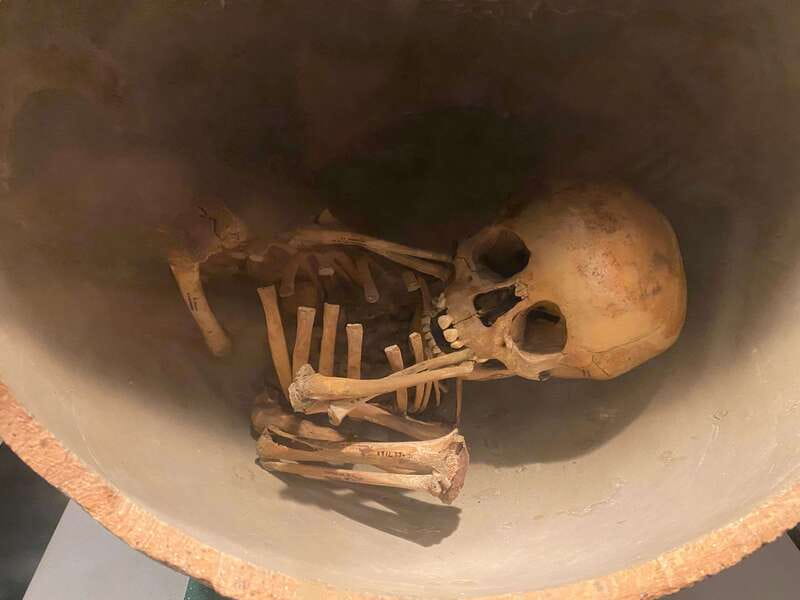
The National Museum of Anthropology is big. If you go in cold, you can still enjoy it, but you might miss the “why” behind what you’re seeing. This tour helps you get the meaning faster, especially the parts that posters and labels do not fully explain.
I like the tour’s premise: ancient Mexican cultures were not random art-makers. Their symbols, animals, and even everyday objects came from a worldview. Once you understand that mental system, the museum stops feeling like separate time periods and starts feeling like one connected conversation across centuries.
And yes, the questions are the fun part. You’ll start wondering things like why certain animals show up again and again, or why the sun and moon matter beyond astronomy. That mindset changes how you look at everything afterward.
Where You Start at Chapultepec and How to Get Oriented Fast
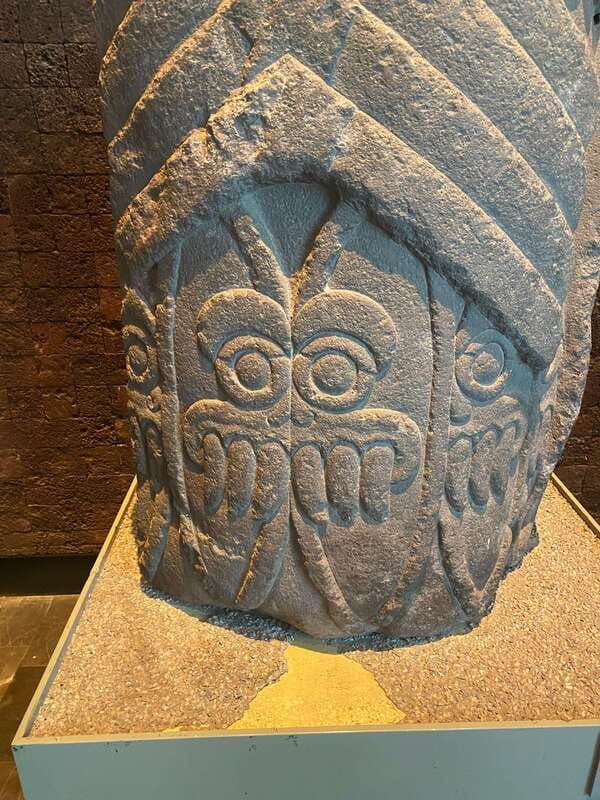
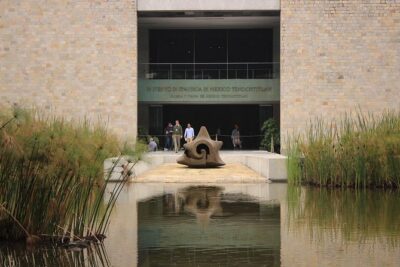
You’ll meet near the Mexican flag at the entrance of the museum. That’s a helpful detail because the museum grounds can feel like a maze when you arrive and try to find your group.
From the start, the guide’s job is clear: orient you so you don’t just “collect rooms.” Instead, you learn what each stop is for. That matters because the museum is located in Bosque de Chapultepec, and you’ll likely arrive wanting a plan more than another map.
One practical note: this is a walking tour. Comfortable shoes are not optional. You’ll be listening for long periods, and the museum’s scale means you’ll also be moving between exhibits constantly.
Skipping the Ticket Line and the Value of Included Admission
The price is $75 per person for a 3-hour guided walking experience. What makes that feel fair is that you’re not only paying for a guide. Your museum admission and access to the permanent exhibitions are included, and the tour also helps you skip the ticket line.
If you were planning to visit the museum anyway, the guided portion can be a smart add-on. Without a guide, you might spend your time trying to guess which objects are most important and why. With this tour structure, you get a focused route and a way to interpret symbolism as you go.
Also, the format is a private group. Even if it is not massive, it tends to feel calmer than a large group tour, and the guide can keep explanations aligned with what you’re seeing.
Open another museum door in the capital
- Chapultepec Castle & Anthropology Museum Tour★ 4.5 · 1,348 reviews
- Anthropology Museum Guided Tour★ 4.5 · 1,035 reviews
- EXCLUSIVE TOUR Frida Kahlo Museum – SMALL GROUPS★ 5.0 · 901 reviews
- Mexico City: Anthropology Museum Guided Visit★ 4.4 · 708 reviews
- Mexico City: Frida Kahlo Museum Entry Ticket w/Digital Guide★ 4.5 · 683 reviews
The Mural of Duality: The World Explained in Symbols
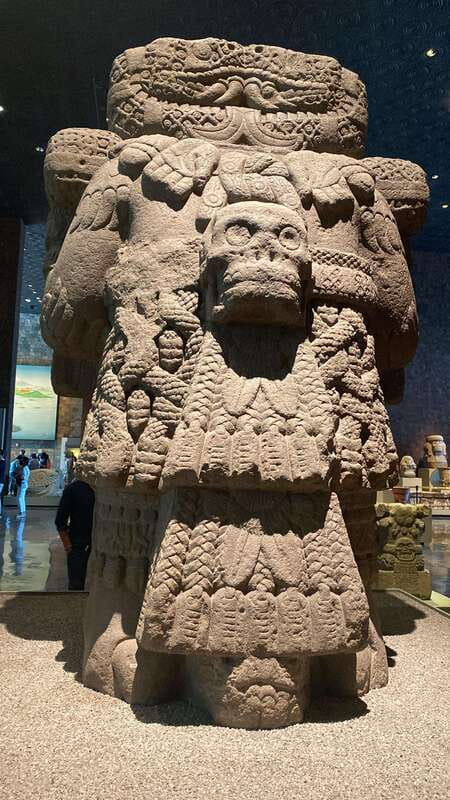
One of the tour’s first anchors is the Mural of Duality. This is where the guide lays out the worldview that connects a lot of the museum’s objects.
The big idea here is that ancient cultures often saw the universe as paired forces, not random opposites. You’ll get the “why” behind symbolic logic, which then helps you interpret later rooms. It’s less about memorizing names and more about learning a way to read meaning.
What you’ll notice is that once duality clicks, patterns become easier to spot: animals with roles, imagery that signals balance, and visuals that act like shorthand for cosmology. The guide turns the mural into a map, and you carry that map to the next rooms.
The Umbrella Exhibit: How Cosmology Shows Up in Objects
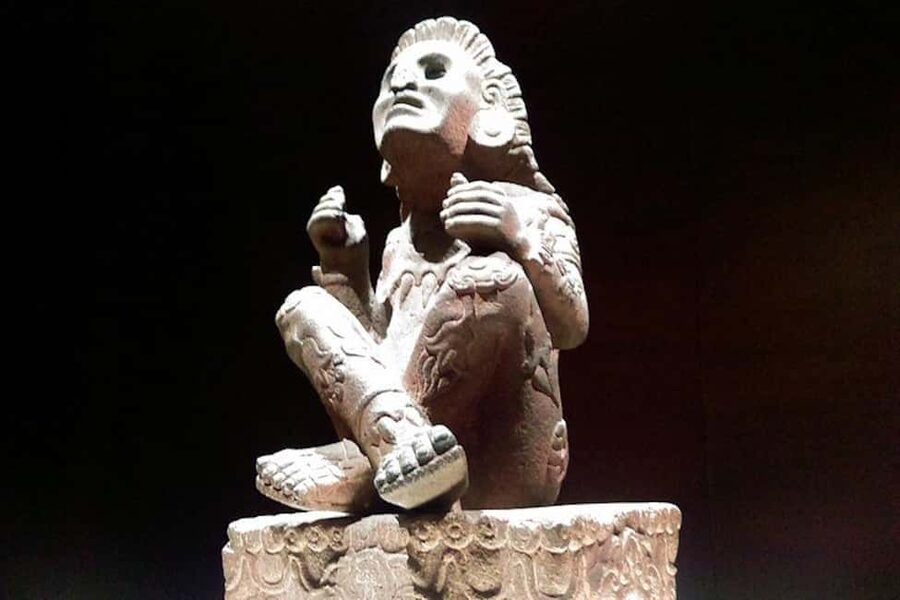
Next comes the Umbrella stop, where the guide explains the worldview again through a specific object. This is one of the tour’s strengths. You’re not just hearing concepts in the abstract. You’re seeing how cosmology could be expressed through design and symbolism.
Umbrellas in many ceremonial contexts are about more than shade. Here, the guide uses it to show how visual motifs can communicate authority, order, and sacred structure.
If you like museum tours where you leave thinking, I can read this stuff, this is a good one. The Umbrella stop is proof that the “meaning layer” is not limited to murals and stone monuments.
Teotihuacan Room: Patterns, Power, and Shared Symbol Systems
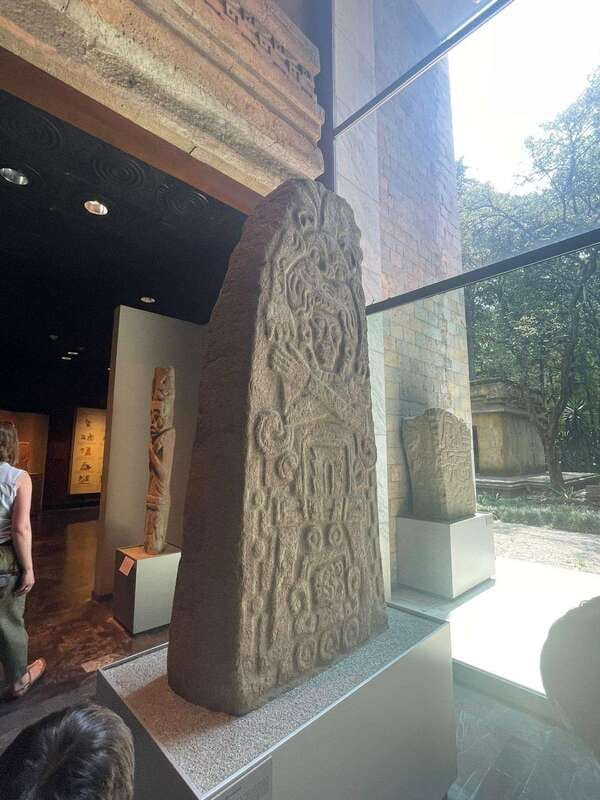
Then you move into the Teotihuacan Room. This room helps you connect the dots between architecture-like ideas and symbolism. Even when the guide focuses on interpretation, you get enough structure to understand what Teotihuacan represents in the broader story of Mesoamerica.
What I like about this approach is that it avoids a common museum problem. You don’t just tour objects in a timeline line. You learn how certain visual languages can travel across cultures, and how shared themes can show up in different forms.
You’ll also get explanations designed to help you see beyond the surface. The guide points out what to look for so you’re not stuck reading labels only. It’s the difference between watching a magic trick and learning the method.
Mexica (Aztec) Room: Glyphs, Animals, and Social Meaning
The Mexica room is where symbolism often turns from interesting to addictive. It’s also where you start asking sharper questions, like why certain animals are used in outfits and paintings.
The guide’s method is interactive. You may be asked questions that push you to interpret glyphs and imagery as clues rather than decoration. That is a big reason the tour feels engaging instead of passive.
Here’s what you’re building: a way to understand how imagery reflects social systems. In the Mexica worldview, images helped communicate roles, cosmological alignment, and cultural values. When you know what the symbols signal, the room becomes less about “Aztec artifacts” and more about how people thought and organized life.
The guide also uses comparisons beyond Mexico at times, including references to Asian or European ideas. That can be helpful, as long as you keep the focus on what makes the Mesoamerican framework distinct. You come away with more context, not diluted meaning.
The Replica of Pakal the Great: When History Gets Personal
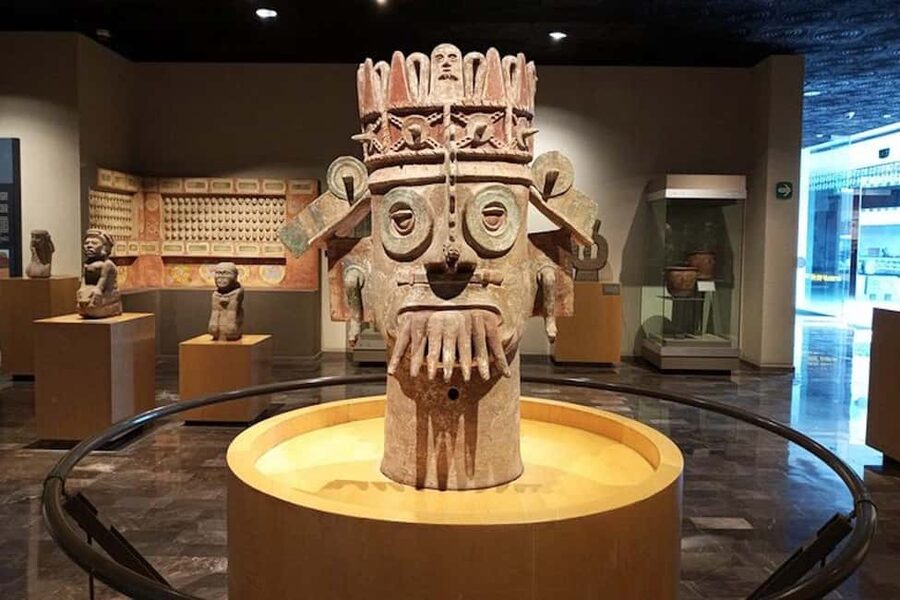
A memorable stop is the replica of the tomb of Pakal the Great. Even though it is a replica, it gives you a window into how monumental art can carry worldview, identity, and time.
This stop is valuable because it shifts your attention to a human story. You start to see how cosmology and status could be expressed in carved form. The guide’s explanation helps you understand why the visual system matters, not just what it depicts.
It’s also a nice pacing change. You go from rooms of symbols into something that feels like a story you can follow. If you like leaving a museum with a clear “theme” you can repeat to friends, this stop helps you do it.
What the Guide Actually Does: iPad Visuals and Real-Time Decoding
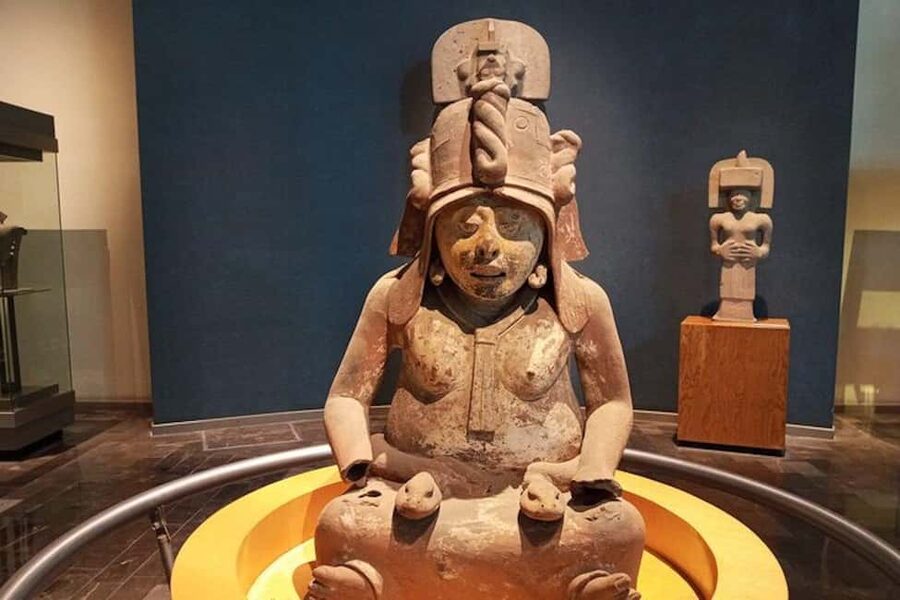
The guide here is Hector Balderas Iglesias. His approach stands out for one main reason: he explains with visuals, not just words.
Many museum tours rely on the guide’s voice and your memory. This one adds tools like an iPad with reconstructions and additional images. In practice, that means you can understand what an object might have looked like in its original context, or what details might represent.
The tour can also include guidance like pointing out pieces that are easy to miss at a distance. If you’ve ever stared at an artifact and thought, I’m not seeing what the fuss is about, you’ll appreciate the method here.
And yes, the tone comes off like a college class you actually wanted to attend. Questions are part of it. You’re not just listening, you’re learning a skill.
How Much You’ll See in 3 Hours, and Why That Matters
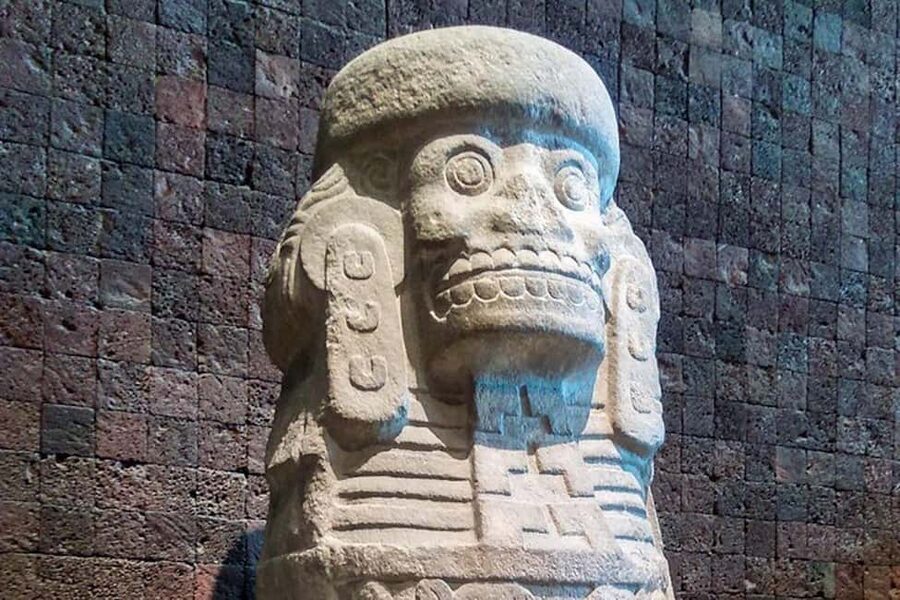
Three hours is long enough to do more than scratch the surface, but short enough that the tour stays focused. You visit key parts of the museum rather than trying to cover everything.
You’ll also get free time after the guided portion. That’s important because it lets you test what you learned. You can walk back to objects and use your new interpretive lens. Without that pause, a guided tour can feel like you watched a good show and then left.
Also, doing the tour early in your trip is a smart move. It gives you backup knowledge for later Mexico City sights, especially places tied to the Mexica world.
Practicalities: What to Wear and What Not to Bring
This tour is wheelchair accessible, and the route is on foot. So, plan for walking, standing, and moving between rooms.
Bring:
- Comfortable shoes
- Comfortable clothes
Not allowed includes a long list. A few items that matter most for day-of-museum flow:
- No selfie sticks
- No professional cameras
- No drones
- No food and drinks
- No touching exhibits
- No tripods, flash photography, or audio recording
If you’re the type to want your phone out for pictures, you can still bring your camera, just be sure you follow the restrictions on flash and professional gear. Save snacks for later, because you won’t be eating during the tour.
Price and Value: Is $75 a Good Deal?
For $75 per person, you’re buying four things:
- A guided route through major interpretation stops
- Museum admission to permanent exhibitions
- Skip-the-line entry
- English explanations designed for understanding symbolism and cosmology
If you’re a casual museum visitor, you might prefer to wander on your own. But if you want meaning, not just dates and names, this tour is built for that goal. The guide’s focus on symbolism and worldview saves you time. Instead of figuring it out yourself from dense labels, you learn the framework and then apply it immediately.
Also consider this: Hector’s explanations use visual aids and ask questions to help you interpret. That kind of active learning costs time and effort from the guide. In a museum, that effort is what turns “seeing objects” into “understanding what they meant.”
Who Should Book This Tour (and Who Might Feel Misplaced)
This experience is not meant for kids or teens under 16. The explanations include cosmology and worldview concepts that are part of the point of the tour.
So who it fits best:
- Adults who like symbolism, myths, and how art communicates power
- Travelers who want context before visiting other major sites tied to the Mexica past
- Anyone who has looked at ancient imagery and wondered what the animals, sky, and scenes actually signify
If you want a kid-friendly, simplified tour, you might find this style too theory-heavy. But if you enjoy a thoughtful, structured approach, you’ll likely love it.
Final Call: Should You Book It?
If your plan is a “hit the highlights” museum day, I’d book it. The tour helps you see the National Museum of Anthropology with meaning, not just objects. The Mural of Duality, Teotihuacan, the Mexica room, and the Pakal stop are the kind of anchors that make a museum trip stick in your head.
I’d only skip it if you prefer totally independent wandering, or if standing and cosmology-heavy explanations would drain your energy. Otherwise, this is one of those rare tours where the guide gives you tools you can keep using as you explore.
FAQ
How long is the tour?
The tour lasts 3 hours.
Is the tour in English?
Yes, the live tour guide offers the experience in English.
Where is the meeting point?
You meet near the Mexican flag at the entrance of the National Museum of Anthropology.
What is included in the price?
Your tour includes a guided walking tour of the museum, 3 hours of guided time, museum admission to permanent exhibitions, and skip the ticket line.
What should I expect to see during the tour?
You’ll visit major areas including the Mural of Duality, the Umbrella, the Teotihuacan Room, the Mexica (Aztec) Room, and a replica of the tomb of Pakal the Great.
Is the tour suitable for children?
It is not suitable for children under 16 due to the cosmological explanations.
Is the tour wheelchair accessible?
Yes, the tour is wheelchair accessible.
More Tour Reviews in Mexico City





Museums and Galleries for the Next Afternoon




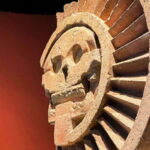
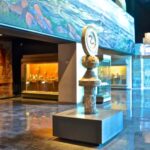
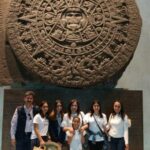
Inside the National Museum of Anthropology
More Mexico City plans worth opening


Anthropology Museum Tours for the next day.
 ★ 4.5Chapultepec Castle & Anthropology Museum TourFrom $791,348 reviews
 ★ 4.5Anthropology Museum Guided TourFrom $391,035 reviews
 ★ 4.4Anthropology Museum Guided VisitFrom $67708 reviews
 ★ 4.5Chapultepec Castle and Anthropology Museum TourFrom $47637 reviews
 ★ 4.4Anthropology Museum Skip-the-Line TicketFrom $15502 reviews
 ★ 5.0Anthropology Museum Private Experience Walking TourFrom $78355 reviews
 ★ 5.05 Hour Tour through Chapultepec, Anthropology Museum and CastleFrom $61239 reviews
 ★ 5.0PRIVATE Tour in Chapultepec Castle and Museum of AnthropologyFrom $113144 reviews
This review also appears in