
REVIEW · ANTHROPOLOGY MUSEUM TOURS
Mexico City Royal Castle & Anthropology Museum
Chapultepec hill puts on a show. This half-day combo pairs Castillo de Chapultepec with the National Museum of Anthropology, so you hit two top sights without wasting hours getting your bearings. I especially like that the guide takes care of the practical stuff, so you can spend your energy on the art, artifacts, and views.
The second big win for me is the pacing. You get museum time at both stops, then a nature walk through the park as you head downhill, which breaks up what could otherwise feel like nonstop galleries. One thing to plan for: you will be walking, and the castle entrance is only accessible on foot, so moderate fitness helps.
Key things that make this tour a smart pick
- Tickets handled for you: Entry tickets are included and managed by your guide.
- Full private attention: It is a private experience, so your guide can adapt to your group.
- Castle first, then anthropology: A clean flow from hilltop to museum halls.
- Nature time built in: You walk through Chapultepec forest on the way downhill.
- Museum focus that actually works: The anthropology visit targets three major halls, instead of trying to do everything.
- A finish you can use: The tour ends at the Anthropology Museum area, which connects to Paseo de la Reforma.
Give the Anthropology Museum a closer look
- Chapultepec Castle & Anthropology Museum Tour
★ 4.5 · 1,348 reviews - Anthropology Museum Guided Tour
★ 4.5 · 1,035 reviews - Mexico City: Anthropology Museum Guided Visit
★ 4.4 · 708 reviews - Mexico City: Chapultepec Castle and Anthropology Museum Tour
★ 4.5 · 637 reviews
Half-day power move: two icons of Mexico City, one smooth route
If your time in Mexico City is limited, this is the kind of tour that helps you make progress fast. You spend the morning or afternoon range (it runs about 3 to 4 hours) going from chapters of Mexican life to the places that preserve them. The concept is simple: start at the hilltop castle, then work your way down into the park corridor and finish at one of the world’s best anthropology museums.
What makes it work for most people is the structure. The tour is built around two longish museum blocks (each about 1 hour 30 minutes), plus a short walk segment through Chapultepec Park. That timing matters because both museums can swallow your day if you wander without a plan.
Castillo de Chapultepec: the walk up is part of the point
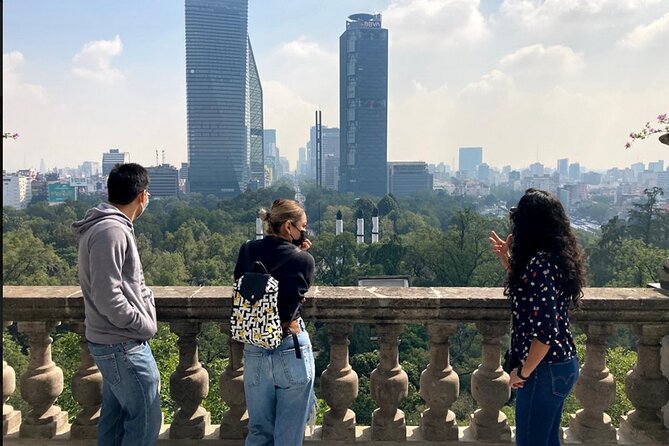
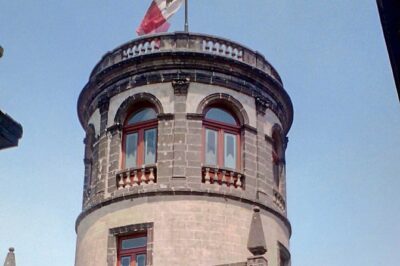
Chapultepec Castle sits on top of Chapultepec hill, and you reach it by foot. That matters because the approach is not just logistics, it is a preview. As you climb, you get that “I’m going somewhere important” feeling, and the views from the hilltop are a big payoff.
You should know what kind of walking you are signing up for. The tour is for people with moderate physical fitness, and at the castle you are dealing with an uphill start plus the fact that the entrance is foot-access only. If you are prone to getting winded on hills, plan to go slower and let the guide set the pace.
Also, this is where having a private guide helps. A good guide can keep you moving without rushing you. In the guidance style shared by one guide named Clara, pacing and access concerns were handled with extra care, including slower walking when needed.
Inside the castle: emperors, presidents, and Mexico’s long timeline
The castle museum is divided into two parts, and that split is actually useful for your visit. It keeps the story from becoming one long blur.
In the North part, you see belongings connected to emperors and presidents who lived in the castle. This section gives you the sense of power and politics, but in a tangible way, through the objects and rooms tied to leadership.
Then the South part shifts into artifacts representing different eras of Mexican history, starting in the 16th century and moving up through the 20th century. So you get a clear sweep across time, without needing to study a museum map for hours. If you like history but do not want to be overwhelmed, the castle’s two-part format is a practical match.
One small drawback to keep in mind: because the entrance is on foot and the museum is split into areas, it can be easy to feel a bit “location focused” if you are tired. That is why your guide’s job is important. They can point you to what to prioritize so you do not burn energy searching.
Open another museum door in the capital
- Chapultepec Castle & Anthropology Museum Tour★ 4.5 · 1,348 reviews
- Anthropology Museum Guided Tour★ 4.5 · 1,035 reviews
- EXCLUSIVE TOUR Frida Kahlo Museum – SMALL GROUPS★ 5.0 · 901 reviews
- Mexico City: Anthropology Museum Guided Visit★ 4.4 · 708 reviews
- Mexico City: Frida Kahlo Museum Entry Ticket w/Digital Guide★ 4.5 · 683 reviews
Bosque de Chapultepec walk: nature break with a downhill payoff
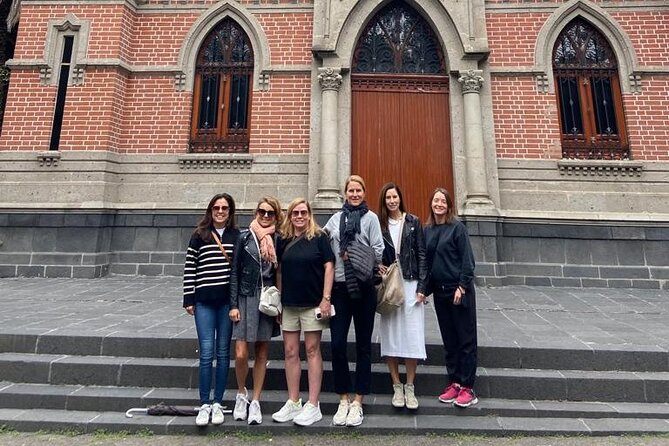
After the castle, the tour heads downhill toward the Museum of Anthropology. The walk is where the day feels more like a city outing and less like a museum sprint.
This is not a separate sightseeing detour. It is a functional, scenic transfer through Chapultepec forest, with time to admire plants and trees along the way. The provided timing for this segment is short, about 20 minutes, and that is intentional. You get fresh air and a change of scene without losing too much museum time.
You might think 20 minutes is too little to matter. But it often is just enough to reset. If you are doing both museums in one go, that nature break helps your concentration for the big anthropology galleries after.
Museo Nacional de Antropología: the halls that make the museum click
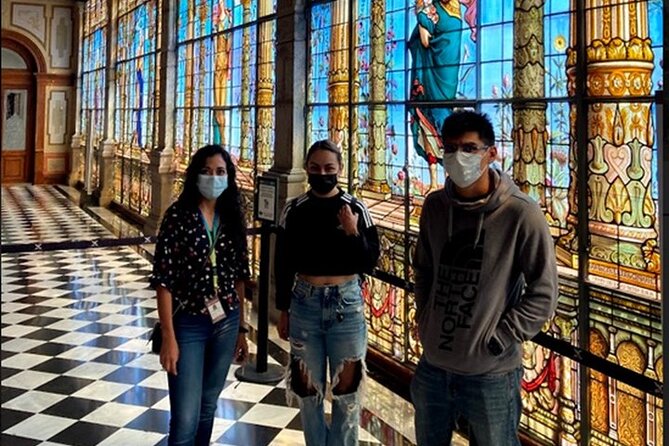
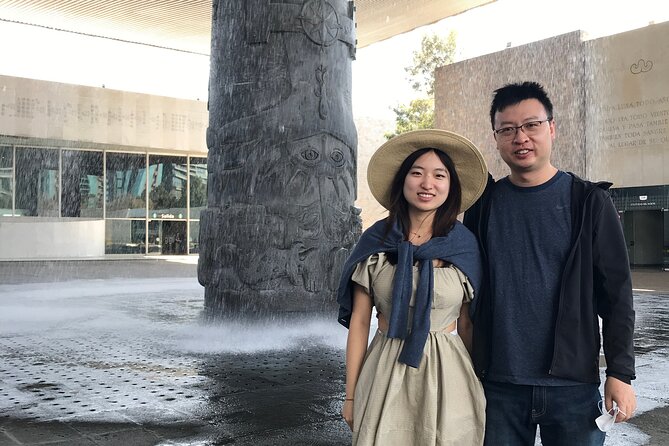
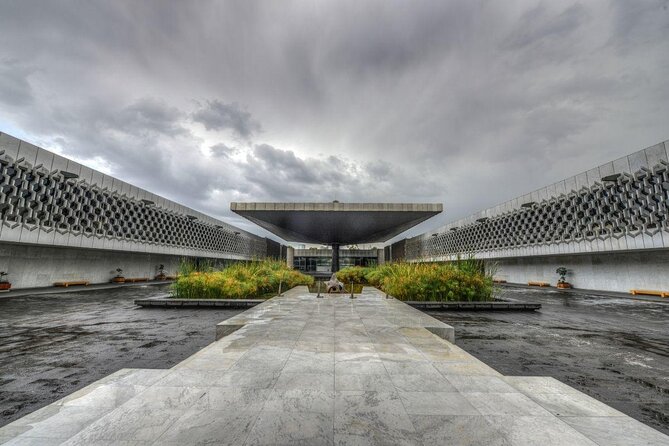
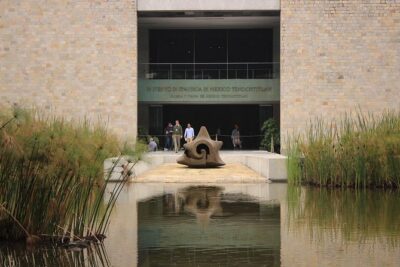
The National Museum of Anthropology is one of Mexico City’s anchor experiences. It houses more than 7,000 pieces, so trying to see everything on your own can turn into stress.
This is where the tour’s focus is a real advantage. Your guide zeroes in on three main halls, which makes your visit feel coherent rather than random. The highlights are:
- Teotihuacan hall
- Mexica hall
- Mayan hall
Those selections cover some of the most influential cultures and art styles in Mexico’s pre-Hispanic past, and they help you build a mental framework fast. Instead of collecting facts like puzzle pieces, you start to notice patterns in materials, design, and symbolism.
It also helps that the museum’s scope spans cultures from Mexico’s broad regions, from the north toward Baja California, down through the Yucatan Peninsula area. Your guide’s job is to connect the dots so you do not walk out with a dozen “cool objects” and no bigger picture.
One practical consideration: the museum is large. Even with a guide, you should be ready to do some walking inside the galleries. The value is that you are not trying to cover the whole museum. You are seeing the key areas that give you the fastest understanding.
Timing and logistics: making 3 to 4 hours feel generous
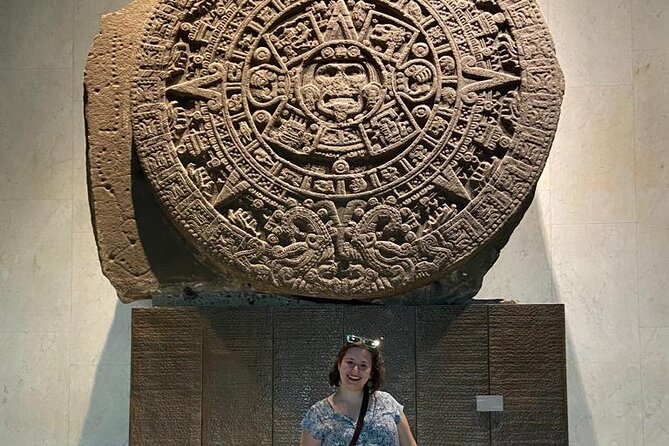
The tour is 3 to 4 hours total, so you get a half-day commitment, not a full-day project. That is great if you want to fit in another neighborhood later or if you prefer shorter sightseeing blocks.
The tour also has an advantage in how it is structured:
- Stop 1 (castle): about 1 hour 30 minutes
- Stop 2 (walk in the park): about 20 minutes
- Stop 3 (anthropology museum): about 1 hour 30 minutes
The pacing is designed to keep you in motion but not frantic. Since both major museums get equal time, you get balance instead of “the first place is amazing and then the second gets rushed.”
Meeting and ending points also help. You start at the Puerta de los Leones area in Chapultepec Park (Bosque de Chapultepec I Secc). The tour ends at the Museum of Anthropology on Paseo de la Reforma, in the Polanco area. The good part of that ending is flexibility: you can stay at the museum or leave and keep exploring from the Reforma connection.
As for language and group setup, it is offered in English, and it is a private tour, meaning only your group participates. If you hate being stuck with a pace that does not fit your group, that private format is worth caring about.
Value and what’s included: tickets, guide time, and less hassle
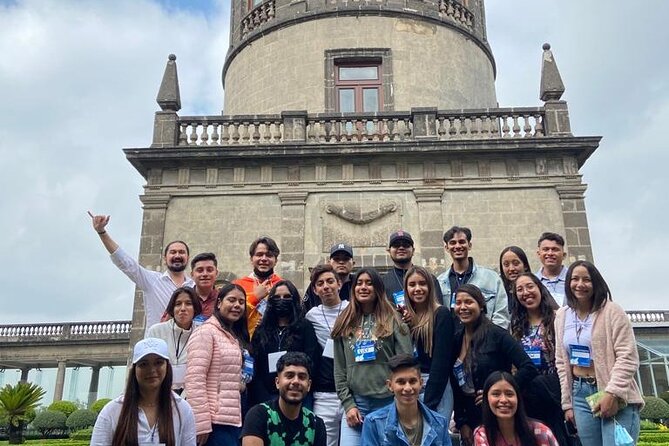
You are not just buying a route. You are buying reduced friction.
Here’s what is included:
- Entry tickets, handled by the guide
That might sound small, but it matters. When your guide manages tickets, you avoid delays and time spent figuring out entry points. It also usually means your tour flow is smoother, because the guide can plan your movement between spaces.
What is not included:
- Lunch
So you should plan to eat before or after the tour. Since the tour is only a half-day, you can choose a lunch option that fits your schedule and energy level. You could also treat lunch as part of your next neighborhood stop, since the tour finishes near Paseo de la Reforma.
If you are comparing this to a self-guided plan, the question is simple: do you want to spend your limited time figuring out the best route and the right galleries? If not, this tour’s value is that you get guided prioritization in both museums.
Who this tour suits best (and who should reconsider)

This tour is a strong match if you want:
- A high-impact half-day that covers two major attractions
- A private guide who can manage pacing for your group
- Tickets included so you can focus on the experience
- A guided plan that prioritizes key halls in the anthropology museum
It may be less ideal if you:
- Have trouble with hill walking or you need long rest breaks
- Want a fully unstructured museum wandering day
- Expect to eat lunch as part of the tour (because lunch is not included)
The sweet spot is people who like history and culture, but also like their sightseeing organized.
Should you book this tour?
I think it is worth booking if your goal is to see the castle views and get a meaningful taste of the National Museum of Anthropology in one efficient block. The included tickets and private guide time are practical wins, and the museum focus on Teotihuacan, Mexica, and Mayan halls helps you leave with more understanding than a random scan of rooms.
If your schedule is tight, this half-day combo makes a lot of sense. And if you know you will struggle with uphill walking, message your comfort level ahead of time and plan for slower pacing, since the experience is designed for moderate fitness and the guide can adapt to real access needs.
FAQ
How long is the Mexico City Royal Castle and Anthropology Museum tour?
It runs about 3 to 4 hours.
What are the main stops on the itinerary?
You visit Castillo de Chapultepec, walk through Bosque de Chapultepec, and then tour the Museo Nacional de Antropología.
Are entry tickets included?
Yes. Entry tickets are included and handled by your guide.
Is lunch included?
No. Lunch is not included.
What language is the tour offered in?
The tour is offered in English.
Where do I meet the guide, and where does the tour end?
The start is at Puerta de los Leones in Bosque de Chapultepec I Secc. The tour ends at the Museo Nacional de Antropología on Paseo de la Reforma. You can stay at the museum or leave, since it is connected to Reforma Avenue.
What is the fitness level needed?
You should have a moderate physical fitness level due to walking, including reaching the castle on foot.
More Tour Reviews in Mexico City



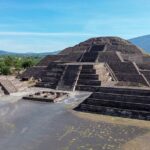

Museums and Galleries for the Next Afternoon



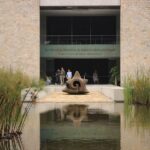


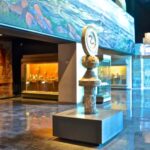
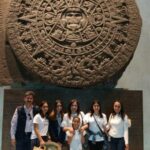
Inside the National Museum of Anthropology
More Mexico City plans worth opening



Anthropology Museum Tours for the next day.
 ★ 4.5Chapultepec Castle & Anthropology Museum TourFrom $791,348 reviews
 ★ 4.5Anthropology Museum Guided TourFrom $391,035 reviews
 ★ 4.4Anthropology Museum Guided VisitFrom $67708 reviews
 ★ 4.5Chapultepec Castle and Anthropology Museum TourFrom $47637 reviews
 ★ 4.4Anthropology Museum Skip-the-Line TicketFrom $15502 reviews
 ★ 5.0Anthropology Museum Private Experience Walking TourFrom $78355 reviews
 ★ 5.05 Hour Tour through Chapultepec, Anthropology Museum and CastleFrom $61239 reviews
 ★ 5.0PRIVATE Tour in Chapultepec Castle and Museum of AnthropologyFrom $113144 reviews
This review also appears in