
REVIEW · ANTHROPOLOGY MUSEUM TOURS
Mexico City: Anthropology Museum Tour with Historian
Mesoamerica clicks into place fast here. This 3-hour Anthropology Museum tour connects the myths, symbols, and technologies of Mexico’s ancient civilizations so you stop seeing galleries as isolated blocks. I love the way the guide ties objects together like a single story, using clear explanations and humor that keeps a huge museum from feeling overwhelming.
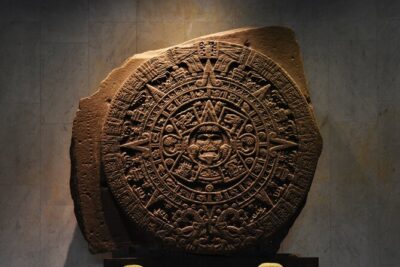
Two things I especially like: first, you get real interpretation, not just descriptions, starting with standouts like the Sun Stone and the Olmec colossal head. Second, the tour zooms in on everyday tech and materials, like agave uses, textiles, and natural pigments, so the art feels grounded in how people actually lived. One possible drawback: at $175 per person, it only feels like a bargain if you genuinely want context, and if you are the type who will ask questions and stick with museum mode.
You’ll meet your guide in the main lobby near the ticket booth, with the WALK MEXICO logo waiting for you. The group is small, up to 10 people, and you’ll have museum tickets plus headsets if you need them.
Key points to know before you go
- A historian-led route through the big museum highlights, so you don’t wander and miss the connections
- Symbol decoding, from shared myths to visual storytelling across Mesoamerica
- Hands-on cultural context, including textiles, agave tools, and natural dyes
- Big-icon moments like the Olmec colossal head, the Sun Stone, and Pakal’s tomb replica
- Maya writing story with real detective energy, including how it was deciphered
- A memorable museum finale, tied to the 1985 Christmas Eve Pakal heist
Entering Mexico City’s Anthropology Museum the right way
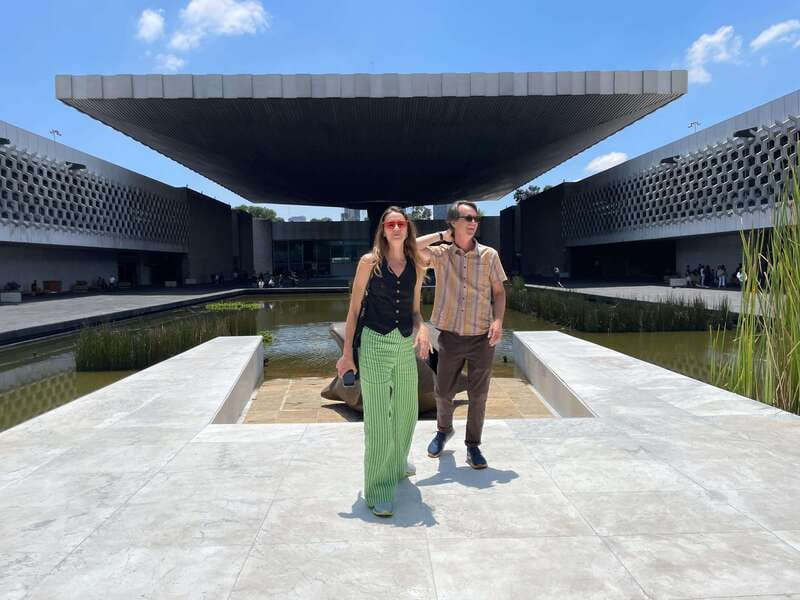
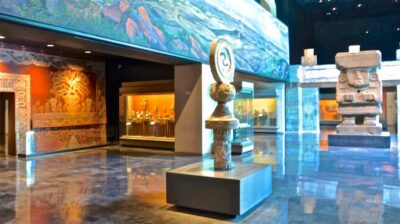
Start with the museum building itself, because this tour treats it as part of the experience, not just a shell around artifacts. You’ll hear about the way architects and artists collaborated to honor Mesoamerican cultures through murals, symbolism, and monumental replicas. That matters more than it sounds, because it trains your eye before you ever reach the famous objects.
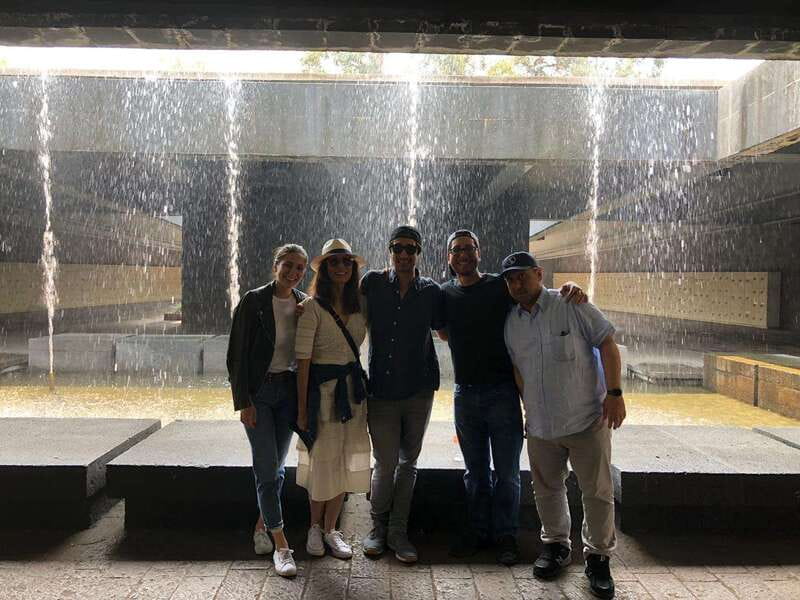
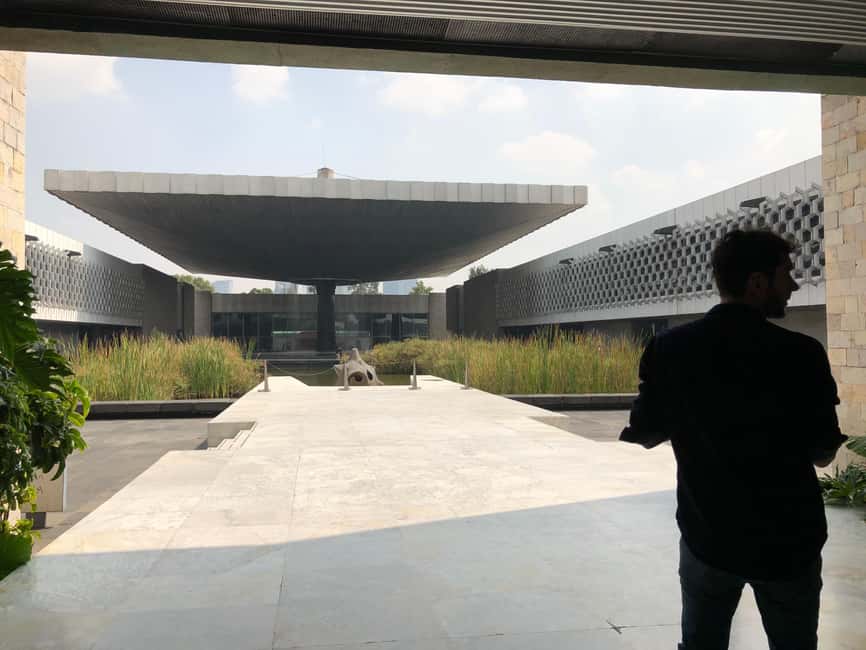
You’ll also spend time in spaces that many people skim. One of the first “wait, look at that” moments is the courtyard water feature. It’s famous for a reason, but the best part is that you’ll learn how to read its meaning, not just admire it. This is one of those museum details that can turn into an instant memory once you know what the guide is pointing to.
The courtyard fountain: where symbolism beats decoration
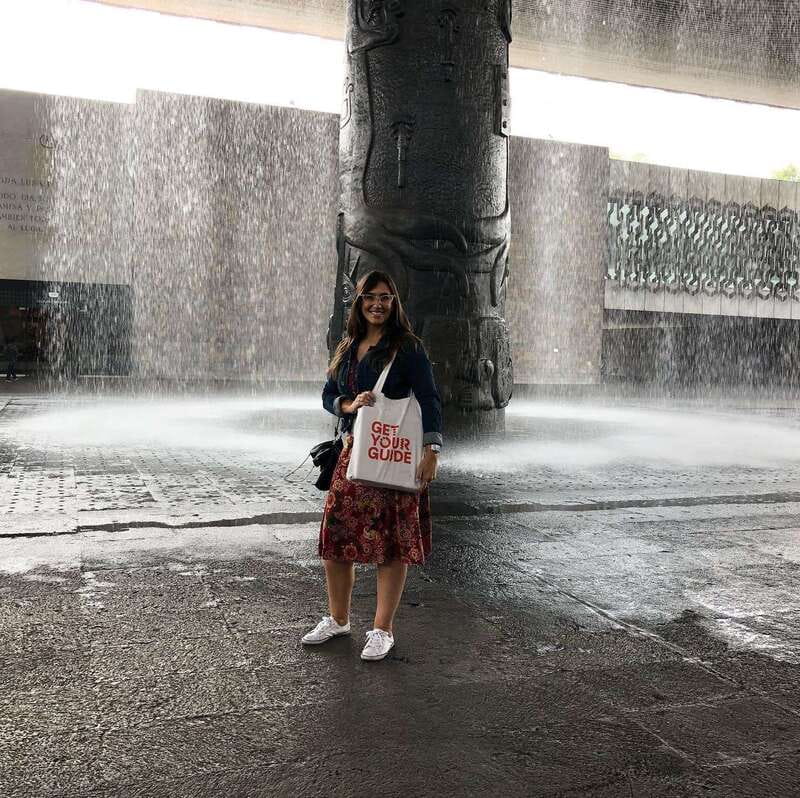
The museum’s courtyard fountain is dramatic on its own, but the tour adds a layer of cultural interpretation that makes it feel intentional. You’ll talk about symbolism and why monumental elements in Mesoamerican traditions often carry bigger meanings than you’d guess from a quick glance.
If you’re someone who likes art history but hates long lectures, this is a good fit. The discussion stays tied to what you can see, so you keep checking back to the fountain while the guide explains its role.
What “Mesoamerica” really means in this museum
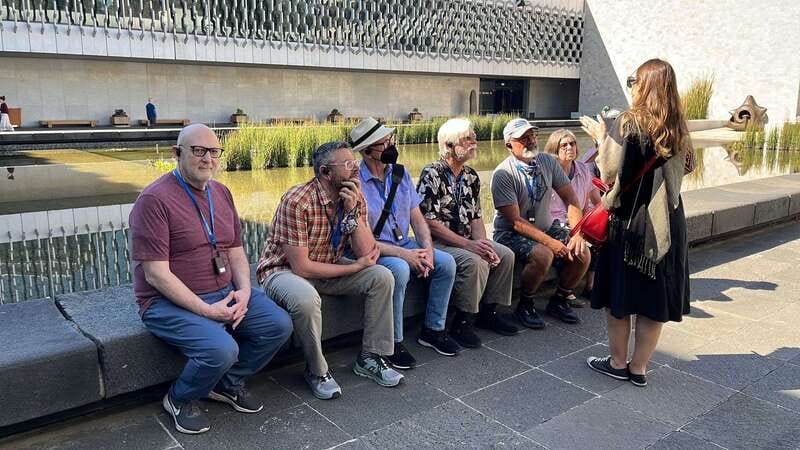
You’ll get a clear, memorable framework for understanding the whole region. The tour uses Paul Kirchhoff’s definition of Mesoamerica as a shared cultural area, where traditions moved across distances. You’ll hear how distant communities could share agricultural systems, cosmological ideas, and recurring patterns even when they were politically separate.
This is one of the tour’s best values. Without a framework like this, you can walk through the museum and still feel like every civilization is on its own shelf. With it, you start noticing repeated visual themes and similar ways of thinking, like how different cultures used images to explain time, power, and the universe.
Agave, textiles, and natural pigments: the tech behind the art
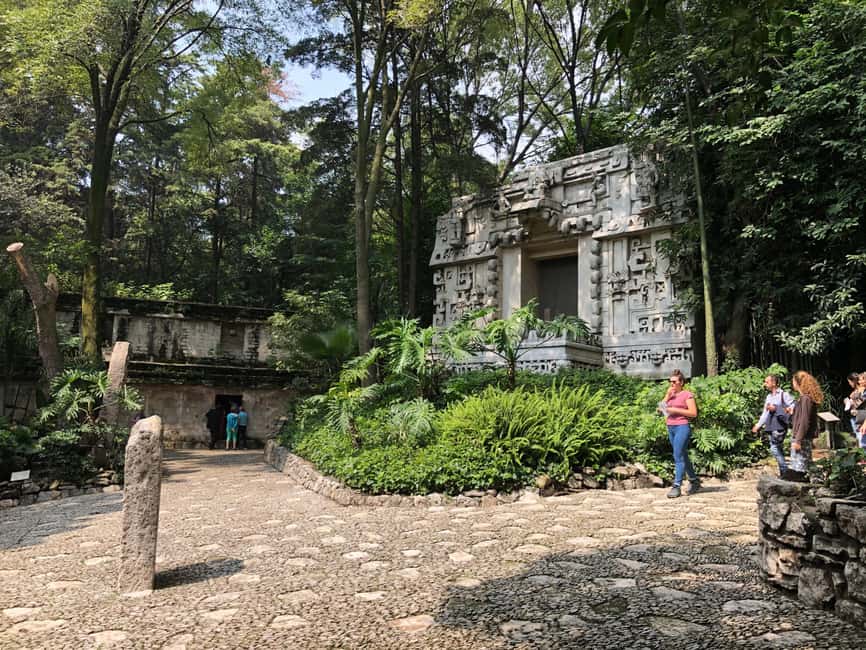
This part is pure practical interest. You’ll see looms, textiles, garments, and tools, then connect them to agave. Agave is easy to reduce to a tourist product, but here it becomes a plant with jobs. You’ll learn about many uses of agave, including fibers and household items, and how the material world supports ritual and identity.
The tour also covers the production side: spinning, weaving, and dyeing with organic pigments. That matters because textiles are not just decoration. They’re labor, technique, status, and storytelling, all at once. When you understand that, the museum’s objects stop being “pretty things” and start being evidence of real craft.
How cultural blending shows up in ritual objects and attire
Next you’ll walk through displays of ritual attire and ceremonial objects to see cultural blending in action. The guide explains how centuries of exchange shaped festivals, body decoration, and artistic identity across the region.
This section can be a mindset shift if your museum habit is to look for single-culture “pure” styles. In real life, cultures borrow, adapt, and mix. The tour helps you spot those influences without getting lost in academic arguments.
Olmec colossal heads: why they get called the mother culture
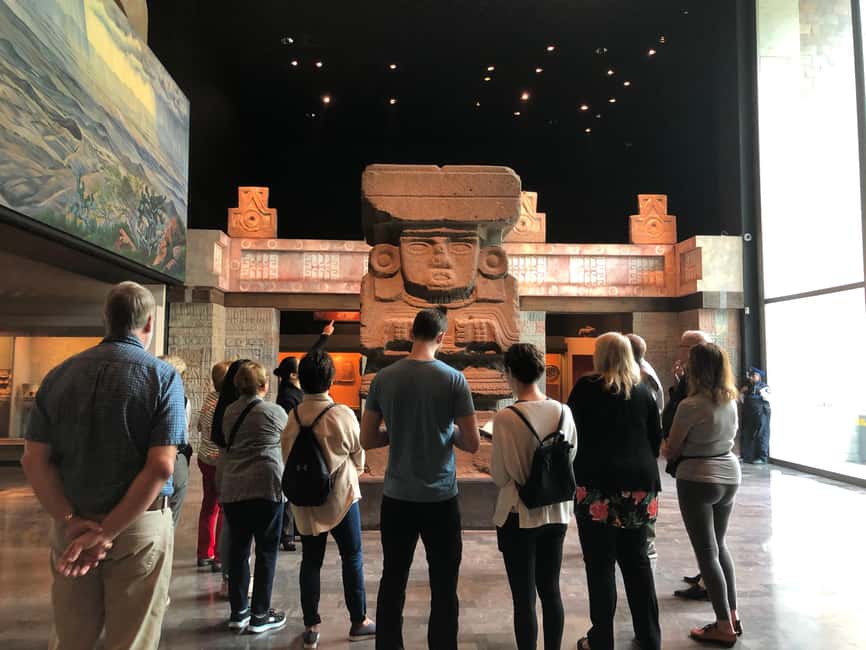
Then comes the big Olmec moment. You’ll encounter an iconic Olmec colossal head and learn why the Olmec are often described as a mother culture of Mesoamerica. The point isn’t to treat the Olmec as the only origin story. It’s to understand their far-reaching influence on later societies, including artistic styles and religious concepts.
If you like seeing cause-and-effect across centuries, you’ll enjoy this stop. The guide connects what you’re looking at in the gallery to patterns that appear later in other cultures, so you can watch influence travel through time.
Mexica highlights: the Sun Stone and the real story behind the calendar
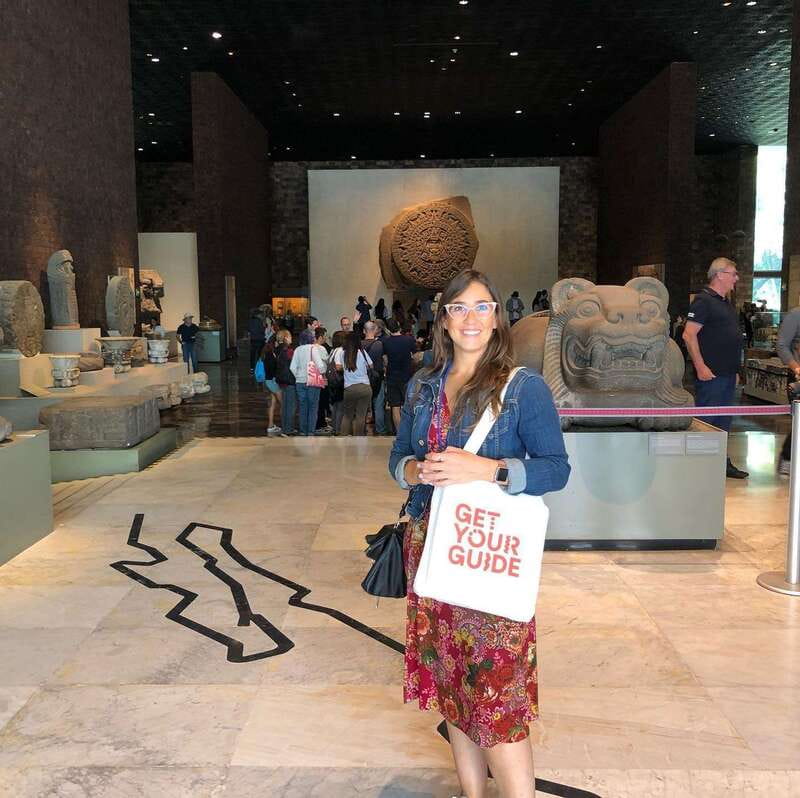
From Olmec to Mexica, the tour keeps building momentum with the Mexica section. You’ll cover major highlights like Templo Mayor themes, chinampas, and the Sun Stone.
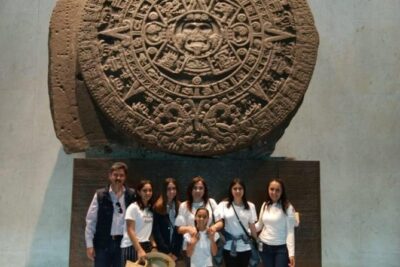
One key correction you’ll hear is about the famous object often nicknamed the Aztec Calendar. The tour explains that it has a misapplied name, then focuses on its true name and meaning. Even if you’ve heard the “calendar” story before, expect to walk away with a more accurate understanding of what that carved design is doing.
You’ll also get into city building. The guide explains how the Mexica developed their city on chinampas, artificial islands supported by bridges, aqueducts, and a sophisticated hydraulic system. A detailed scale model shows how the ancient city lies beneath colonial Mexico City. It’s a great reminder that modern streets often sit on older foundations.
A scale model lesson: why chinampas changed what was possible
The scale model is worth your full attention. Chinampas are sometimes explained quickly, but the tour’s angle is “how did this make life work?” You’ll learn what kind of infrastructure was needed and why it made a dense, productive urban life possible.
This is also where you’ll understand that power is not only temples and rulers. It is systems. Control over water, transport, and agriculture is control over survival and growth.
Teotihuacán as a multicultural metropolis
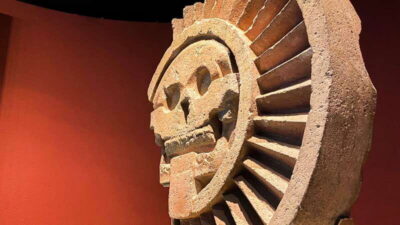
The Teotihuacán gallery reframes the city as more than a single group’s project. You’ll see it described as a cosmopolitan metropolis shaped by multiple cultures. That idea is important, because it helps explain why the art and objects can look like they carry different regional influences.
The guide also covers theories about Teotihuacán’s rise and mysterious decline. The word mysterious gets used a lot in museum settings, so the useful part is the way the guide discusses competing ideas while keeping your attention on the material evidence.
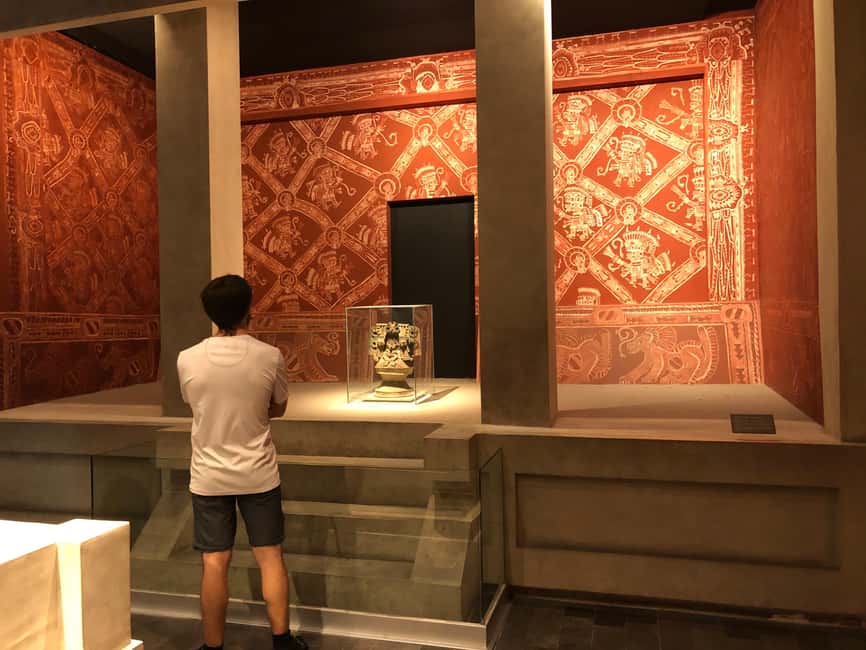
You’ll admire refined ceramics, obsidian masterpieces, mural fragments, and colorful architectural replicas. The best strategy here is to keep one question in mind: what kinds of people would make a city like this, and what would they trade, worship, and build together?
Maya writing and Pakal: the tour’s dramatic finale
You finish in the Maya hall, and it’s a strong way to end. You’ll see ceramic portrait vessels, vibrant pottery, and jade carvings, then hear the story of how Maya writing was deciphered.
This part has real detective energy. The tour explains a long path that involves colonial archives and lost manuscripts, then highlights the work of a WWII Russian soldier who played a key role in the decipherment. Even if you don’t usually care about epigraphy, the story format helps you understand why decipherment matters. It turns symbols into language, and language into history you can actually read.
Then you reach the replica of Pakal’s tomb. It’s one of the most dramatic spaces in the museum, and the tour makes sure you know what makes it so memorable.
And yes, there’s a modern cliffhanger. You’ll hear the story of the 1985 Christmas Eve museum heist, when Pakal’s mask and many treasures were stolen. It’s not just drama. It adds a “why preservation matters” perspective that makes the tomb feel even more human and vulnerable.
Price and value: is $175 worth it?
At $175 per person for a 3-hour tour, you’re paying for a specialist guide plus a structured museum route. If you’re the kind of visitor who reads every label and enjoys self-guided wandering, you may feel the cost is steep. But if you want interpretation, correction of myths, and connections between civilizations, the price starts to make sense fast.
This tour tends to feel worth it because it covers several major cultural areas in one flow, while still giving attention to material details that most quick museum visits skip. A small group size up to 10 people helps too, because you can actually ask questions without shouting over a crowd.
One timing consideration: some visits can run longer than the listed 3 hours. I’d plan for the possibility of closer to 4 hours, and give yourself a bit of buffer after the tour so you don’t feel rushed.
Who this tour is best for
This is a great match if you want Mesoamerica as one connected system. You’ll like it if you care about how symbols travel, how art reflects beliefs, and how everyday materials like textiles and pigments link to ritual and identity.
It’s also ideal if you’re going with kids, because the guides know how to keep explanations clear and engaging. The only rule you must follow is that an adult must accompany children.
If you’re short on time in Mexico City and still want a high-impact museum experience, this route is a strong way to hit the right galleries without getting stuck in decision fatigue.
Book it or skip it?
I’d book this tour if you want a historian-led museum visit that actually ties the artifacts together, and if you like learning through examples instead of just reading walls. The guides have a track record of bringing the material to life, including guides named Natalia and Hector who were praised for strong English, humor, and the ability to answer lots of questions.
Skip it if your plan is to speed through major exhibits, or if you only want a “greatest hits” overview without interpretation. In that case, a self-guided museum visit might fit better.
FAQ
Where is the meeting point?
You meet your guide in the Anthropology Museum main lobby, near the ticket booth.
How long is the tour?
The tour is 3 hours.
What’s included in the price?
The experience includes an expert guide with a graduate academic degree (art historian or historian), headsets to hear the guide (especially helpful for larger groups), and a museum ticket.
What’s not included?
Food and drinks are not included, and you’ll also need to handle transportation. There is no pickup or drop-off.
What languages is the tour offered in?
The tour is offered in English and Spanish.
Is it wheelchair accessible?
Yes, the tour is wheelchair accessible.
How big is the group?
It’s a small group, limited to 10 participants.
Do children need to be accompanied by an adult?
Yes. An adult must always accompany children.
If you want, tell me your travel dates and whether you prefer art history, archaeology, or mythology. I can suggest a tight plan for what to see before and after the museum so your day feels smooth.
Anthropology Museum Tours for the next day.
 ★ 4.5Chapultepec Castle & Anthropology Museum TourFrom $791,348 reviews
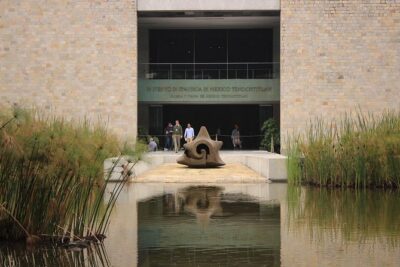 ★ 4.5Anthropology Museum Guided TourFrom $391,035 reviews
 ★ 4.4Anthropology Museum Guided VisitFrom $67708 reviews
 ★ 4.5Chapultepec Castle and Anthropology Museum TourFrom $47637 reviews
 ★ 4.4Anthropology Museum Skip-the-Line TicketFrom $15502 reviews
 ★ 5.0Anthropology Museum Private Experience Walking TourFrom $78355 reviews
 ★ 5.05 Hour Tour through Chapultepec, Anthropology Museum and CastleFrom $61239 reviews
 ★ 5.0PRIVATE Tour in Chapultepec Castle and Museum of AnthropologyFrom $113144 reviews
This review also appears in