
REVIEW · ANTHROPOLOGY MUSEUM TOURS
Guided Tour of the Museum of Anthropology
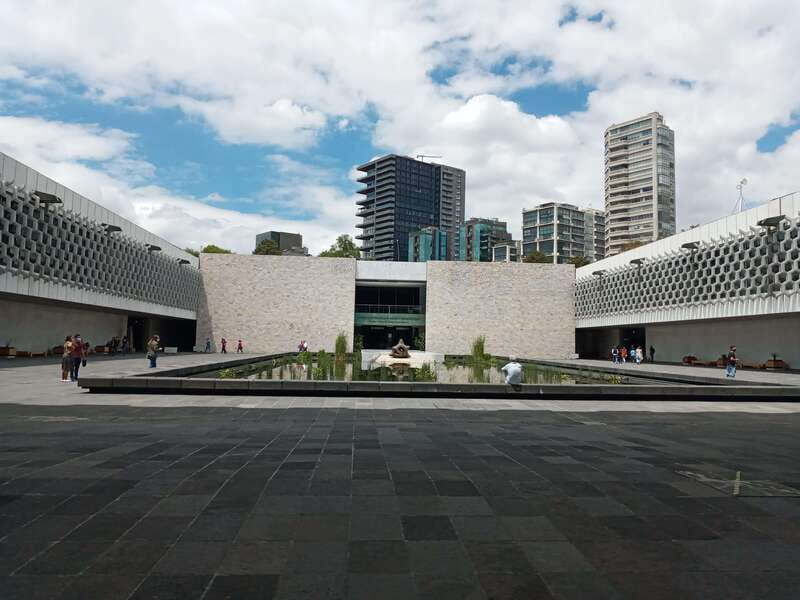
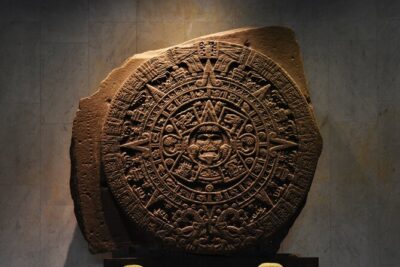
Ancient Mexico comes into focus fast. In this 3-hour, English-led visit, I like how a federal guide ties the big ideas together across Teotihuaca, Mexica, Maya, and Toltec art, and you get face-to-face with iconic pieces like the Sun Stone and Coatlicue. The one consideration is simple: three hours hits the high points, not the whole museum.
You’ll also learn why the museum was built and what its purpose is as you move room to room, then you’ll step into the gardens around the museum for a slower change of pace. Guides such as Edith G. and Hector bring English-language help that makes symbolism easier to catch, especially because a lot of the signage isn’t translated.
Quick reasons this Museum of Anthropology tour works
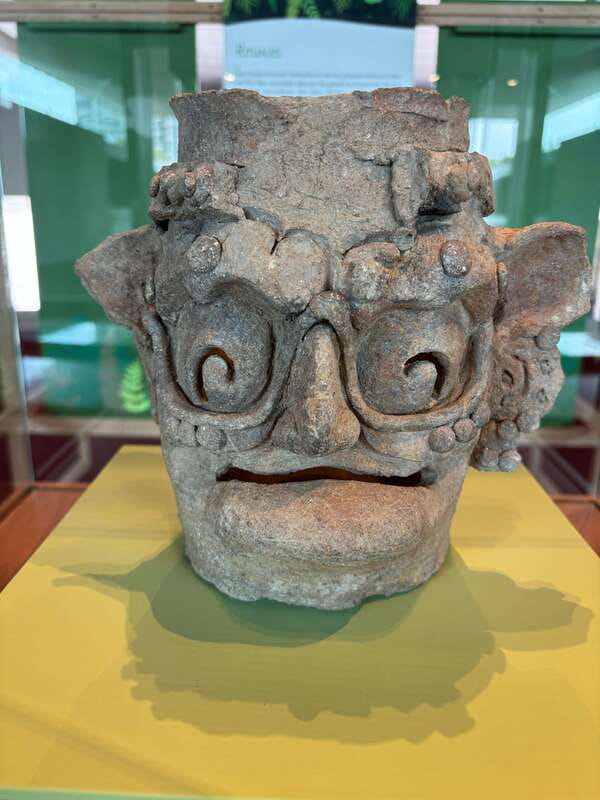
- Small group format (max 8) means questions stay part of the flow, not stuck at the end.
- A federal guide in English frames what you’re seeing, so you’re not just reading labels.
- Big “must-see” objects are covered with context, including the Sun Stone, Coatlicue, Olmec Heads, and the Mask of Pakal.
- Multiple culture stops in one route, from Teotihuaca and Mexica through Maya, Toltec, and Gulf of Mexico traditions.
- Gardens included so you get a breather and a different way to take in the space.
Give the Anthropology Museum a closer look
- Chapultepec Castle & Anthropology Museum Tour
★ 4.5 · 1,348 reviews - Anthropology Museum Guided Tour
★ 4.5 · 1,035 reviews - Mexico City: Anthropology Museum Guided Visit
★ 4.4 · 708 reviews - Mexico City: Chapultepec Castle and Anthropology Museum Tour
★ 4.5 · 637 reviews
Museum of Anthropology orientation, how the building tells a story
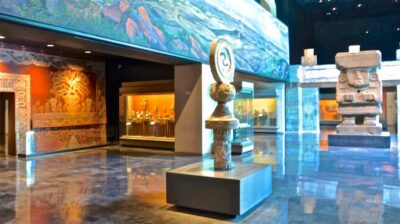
The Museum of Anthropology in Mexico City, officially the Museo Nacional de Antropología, is the kind of place that can feel huge at first. The tour helps you start in the right mindset. You’re not just looking at objects, you’re learning what the museum is trying to do and why it was constructed as it is.
That framing matters. When you understand the museum’s purpose, the collections stop feeling like separate “screens” and start feeling like a conversation across time. You’ll also see how the layout supports that idea, which makes the rest of your visit make more sense if you decide to stay longer on your own.
This is also a smart way to orient yourself in CDMX. Even if you’ve read about Mesoamerican civilizations before, walking through the main rooms in a logical order can help you connect dates, symbols, and style changes without getting lost.
A tight 3-hour route in a small group of 8
This tour runs for three hours, usually in the morning and afternoon. That’s long enough for a real guided storyline, but short enough that you still feel energetic at the end instead of drained.
You’ll be with a small group, limited to 8 participants, and that scale changes how the visit feels. With fewer people, the guide can slow down when you have questions and keep the pacing comfortable. One key bonus here is that you’re likely to get more practical explanations, not just a rapid read-through of labels.
A possible downside is that you may only cover a slice of the museum’s total galleries. If you want to wander independently after the tour, build in extra time. Several people found that the guided portion is so in-depth that it’s easy to want more once you’ve got the framework.
Sun Stone and Coatlicue, the first eye-catchers
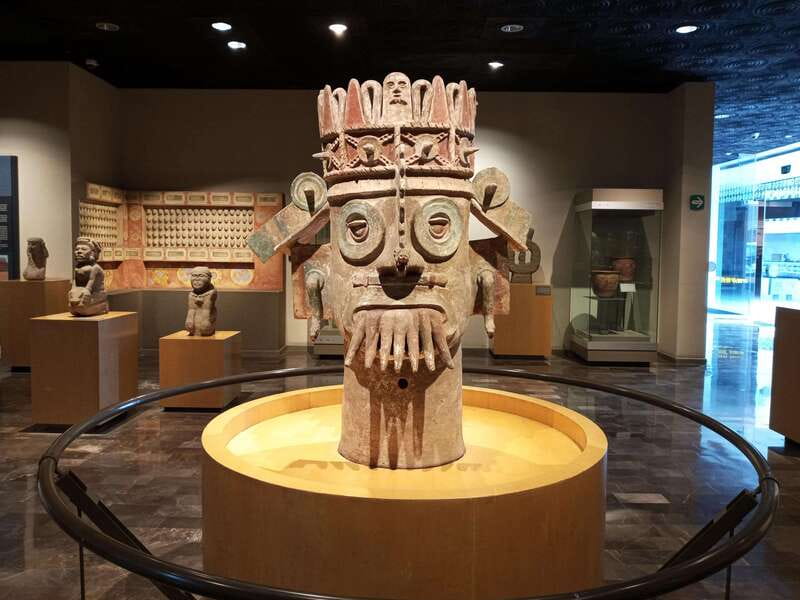
Most people come for the headline objects, and this tour makes sure the biggest names are right in your line of sight. Two early stunners are the Sun Stone and the Coatlicue.
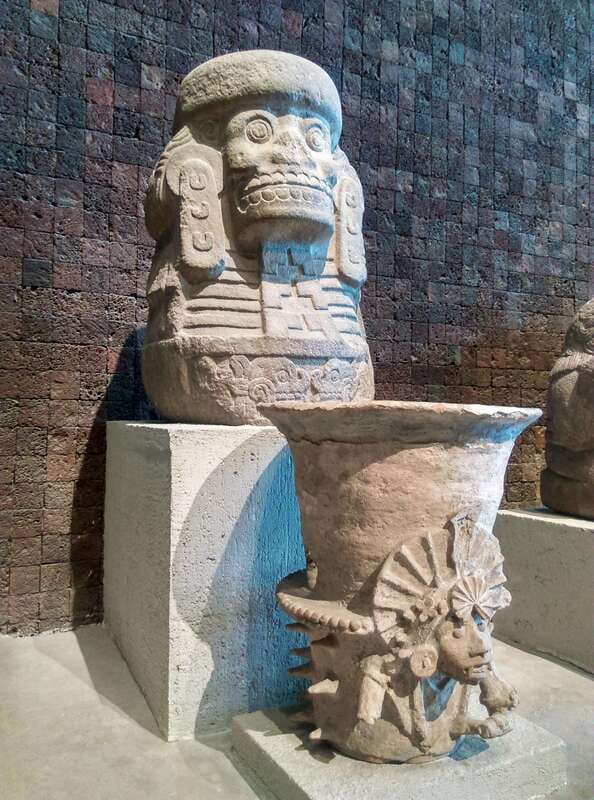
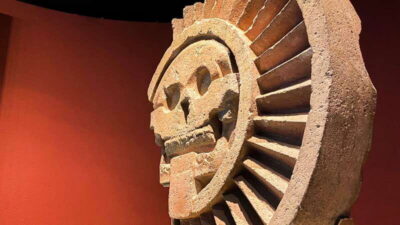
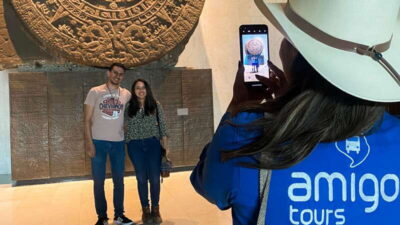
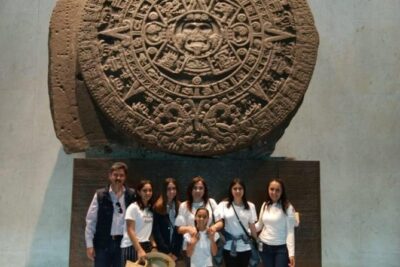
The Sun Stone isn’t just an impressive rock. It’s a way into how the Mexica (often called Aztec) thought about cycles, time, and ritual meaning. When a guide places it in context, it stops being only a famous sculpture and starts becoming a visual language you can actually read.
Coatlicue is the same kind of game changer. It’s dramatic and unforgettable, but the tour is where it turns from “wow” into understanding. You learn the symbolism behind what you’re seeing and how that symbolism connects to wider Mesoamerican religious ideas, not only to one object.
I like that the tour doesn’t treat these as trophies. You’ll see them as part of a larger map of beliefs and artistic choices across different cultures.
Open another museum door in the capital
- Chapultepec Castle & Anthropology Museum Tour★ 4.5 · 1,348 reviews
- Anthropology Museum Guided Tour★ 4.5 · 1,035 reviews
- EXCLUSIVE TOUR Frida Kahlo Museum – SMALL GROUPS★ 5.0 · 901 reviews
- Mexico City: Anthropology Museum Guided Visit★ 4.4 · 708 reviews
- Mexico City: Frida Kahlo Museum Entry Ticket w/Digital Guide★ 4.5 · 683 reviews
Olmec Heads and the Mask of Pakal, when “art” means power
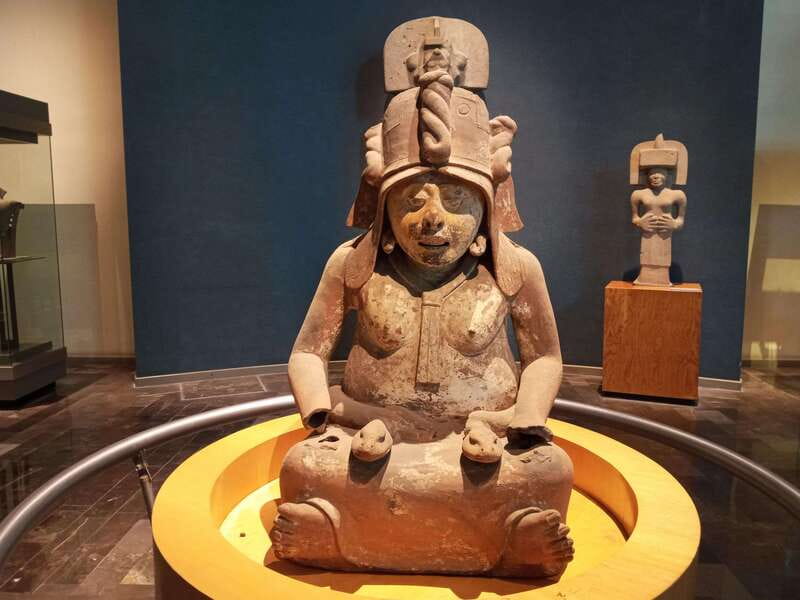
After the Mexica icons, the tour shifts to other civilizations that shaped the region. Two highlights people often remember are the Olmec Heads and the Mask of Pakal.
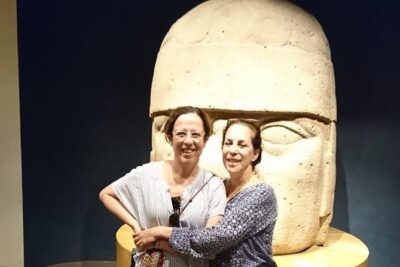
The Olmec Heads are huge and bold, and a big part of the impact is scale. With a guide, you’re not just noticing size, you’re learning what Olmec art suggests about authority, identity, and how communities represented important figures. It’s a good moment to pause mentally and ask yourself why certain styles became recognizable markers of prestige.
Then comes the Mask of Pakal, tied to Maya history. This is where the tour starts to feel like a timeline you can hold in your head. You connect how the Maya valued craftsmanship, symbolism, and ceremony, and you see how a face-like object can function as a powerful statement in its original setting.
Even if you don’t know the background beforehand, the guide’s explanations help you spot patterns. For example, you begin to notice how certain motifs show up again and again, even when styles differ between cultures and time periods.
Teotihuaca, Mexica, Maya, Toltec, and the Gulf of Mexico connections
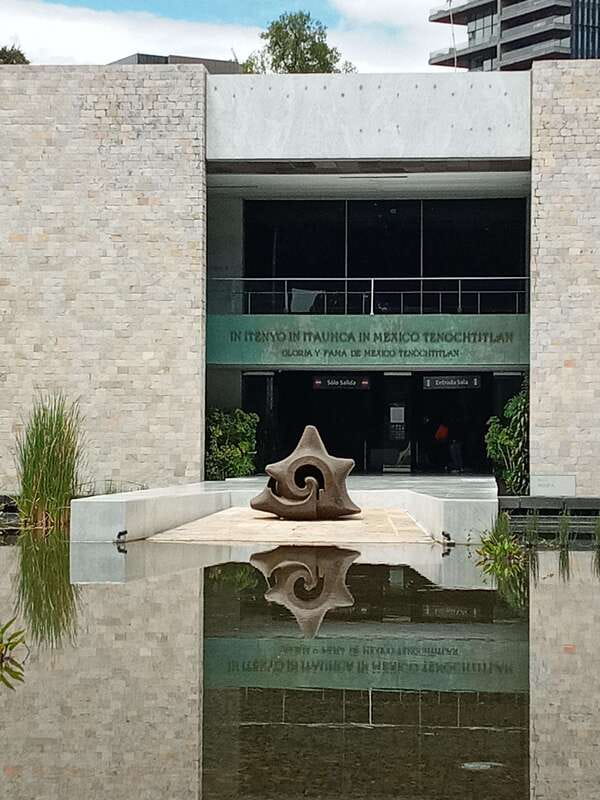
The tour is designed to move across cultures you might think of separately: Teotihuaca, Mexica, Maya, Toltec, and traditions from the Gulf of Mexico region. The value here isn’t only in ticking off names. It’s in learning how the guide connects the dots.
Teotihuaca, for example, helps you understand urban life and religious-political centrality in early Mesoamerica. The Mexica section brings you into a later worldview where symbolism and calendar thinking take center stage. The Maya portion shifts again, with art and monuments linked to dynasties, ceremony, and identity.
Toltec material adds another angle, often framed through the way styles and ideas travel and transform over time. And the Gulf of Mexico culture focus reminds you that Mexico’s story is not only about one heartland. Coastal and trade-linked regions played a role in shaping what people valued and how they made meaning.
By the time you’ve gone through these stops, you’re seeing the region as connected, not isolated. That’s a big reason the three hours feel worth it. You walk out with mental hooks you can reuse when you visit other sites later.
Gardens around the museum, a breath between galleries
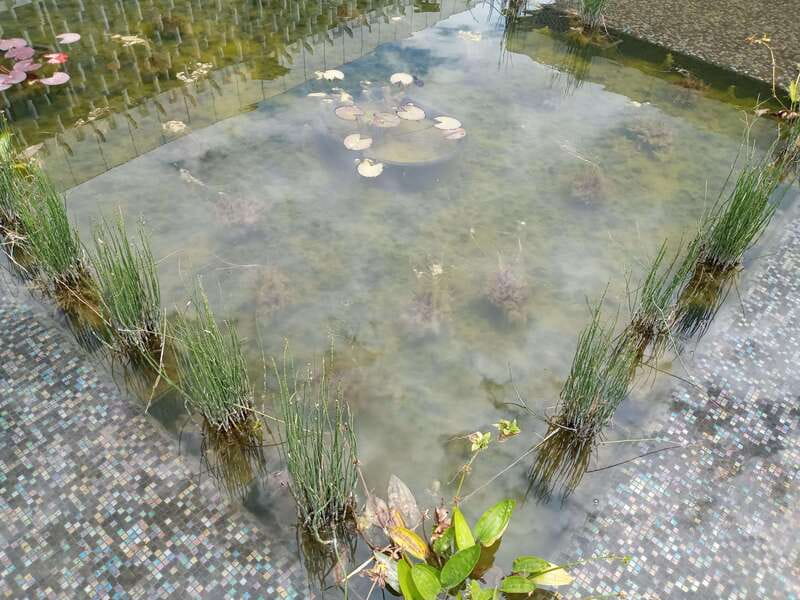
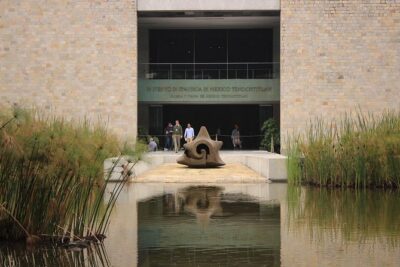
One part people don’t expect is the time in the gardens surrounding the museum. Including the gardens is a smart move. It gives your brain a reset, and it changes your relationship with the building.
The gardens also complement what you’ve just seen. After you’ve been focused on objects, symbols, and cultural meaning inside the halls, stepping outside helps you re-anchor in the physical place. You also get a calmer pace, which helps if you’re the type who gets a little overloaded in museums.
Practical tip: comfortable shoes matter here. Even though you’re not doing a hike, you will be walking enough to make foot comfort worth prioritizing from the start.
English signage and why the guide is the difference
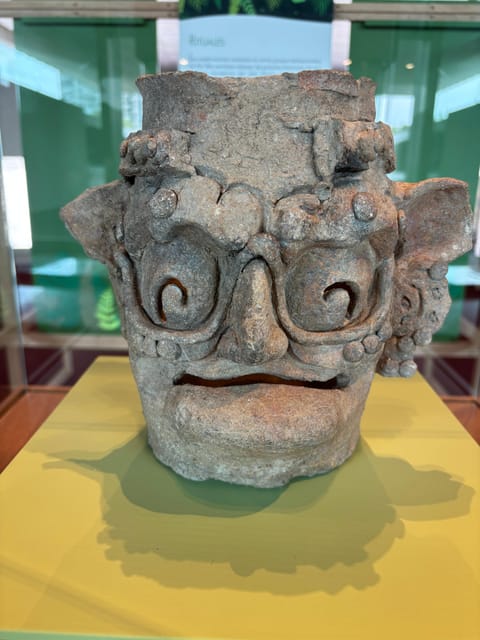
A major practical benefit for non-Spanish speakers is that the tour is English. The museum has tons of information, but the catch is that much of the signage is not translated. That means self-guided visits can feel hit-or-miss if you want to understand symbolism rather than just recognize famous names.
With a guide, you don’t need to be fluent to get value. You’re hearing explanations that connect the dots while you’re standing in front of the object. You can ask questions in real time, and the guide can adjust on the spot if something is confusing.
This is also where a skilled guide really shows. Guides mentioned in this experience, including Edith G. and Hector, are described as friendly, responsive, and able to answer lots of questions without rushing you. That turns the museum into something you can participate in, not just observe.
Price and value, what $38 buys you in the real world
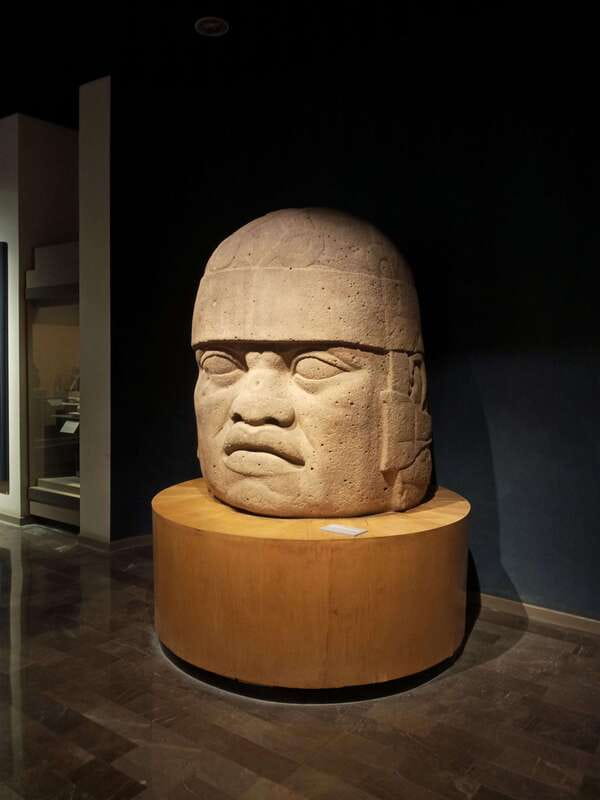
The tour costs $38 per person and includes entrance to the Museum of Anthropology plus a guided visit by a federal tour guide. On paper, that’s the basic breakdown. In practice, you’re paying for three things you can’t easily replicate alone.
First, you’re paying for framing. The guide turns a museum of objects into a guided storyline across cultures like Teotihuaca, Mexica, Maya, Toltec, and the Gulf of Mexico traditions. That framing saves you time and prevents the “I saw a lot, but I don’t really know what I took away” feeling.
Second, you’re paying for interpretation. Objects like the Sun Stone and Coatlicue are visually overwhelming. The tour helps you understand the symbolism behind them, not just their fame.
Third, you’re paying for language support. Because the signage may not be translated into English, the guide becomes your translator for meaning.
Food and beverages are not included, and souvenirs aren’t included either. That’s normal for museum tours, but it affects planning. If you want a meal right after, you’ll likely need to work around the museum’s dining schedule. One tip from people who continued on-site: lunch may not start until 1 pm, but there can be options earlier in the dining room. So if your tour ends around midday, it’s worth planning your timing.
What to bring, and how to plan your day around the tour
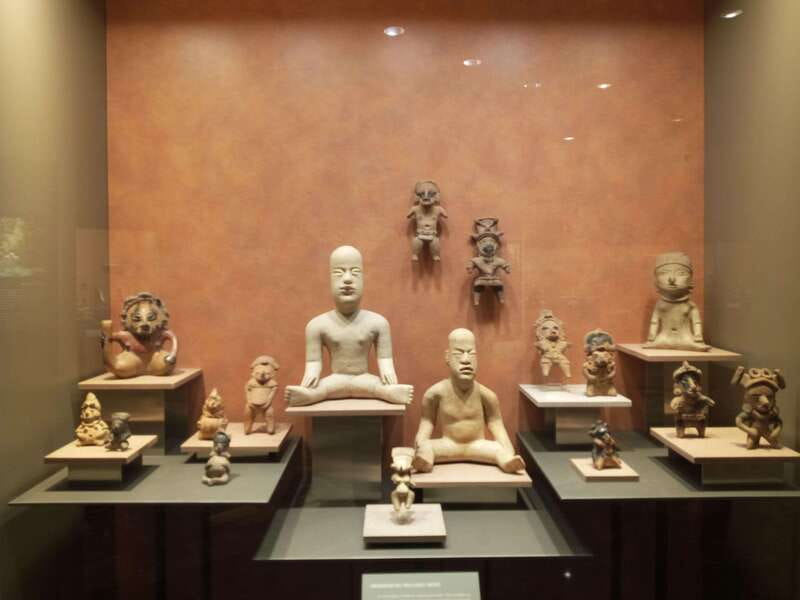
You only have one explicit must-have: comfortable shoes. I’d treat that as non-negotiable, because the museum has plenty of walking and you’ll also cover the gardens.
Beyond that, the biggest planning move is mental. Because this is a highlights route, you should decide ahead of time what you want most. If you want to leave with a clear story of the major civilizations and key artifacts, the tour hits that goal. If you want to spend hours reading every label, the guided part may feel like it moves fast. In that case, pair the tour with additional self-guided time.
Also, if you’re someone who likes asking questions, you’re in the right format. The small group size helps keep the conversation going, so bring curiosity and don’t worry about slowing down the moment.
Should you book this tour at the Museum of Anthropology?
Yes, you should book this tour if:
- You’re visiting the Museum of Anthropology for the first time and want a map you can follow.
- You care about meaning and symbolism, not just photos.
- You want an English guide to help where museum signage may not be translated.
- You prefer a small group pace and a chance to ask questions as you go.
You might skip it if:
- You plan to do a full-day, self-paced museum marathon and already feel comfortable reading the exhibits in Spanish.
- You want to see every gallery in detail, because the three hours are aimed at a focused highlights route.
If you want my simple rule: book this tour to get your bearings fast, then decide what to revisit on your own.
FAQ
How long is the Guided Tour of the Museum of Anthropology?
The tour lasts 3 hours.
What does the tour cost?
It costs $38 per person.
Is the tour in English?
Yes. The live tour guide provides the tour in English.
What’s included in the price?
The price includes entrance to the Museum and a guided visit by a federal tour guide.
Where is the meeting point?
Meet at the entrance of the Museum of Anthropology, next to the Mexican Flag.
What should I bring?
Bring comfortable shoes.
Is food included?
No. Food and beverages are not included, and souvenirs are also not included.
More Tour Reviews in Mexico City


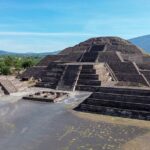

Museums and Galleries for the Next Afternoon


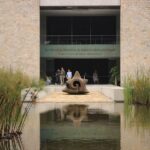


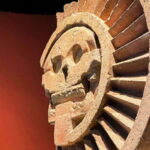
Inside the National Museum of Anthropology
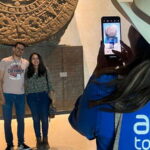
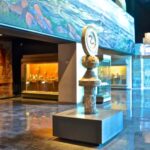
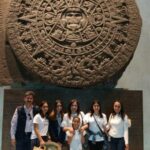
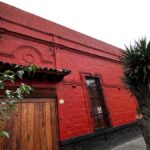
More Mexico City plans worth opening


Anthropology Museum Tours for the next day.
 ★ 4.5Chapultepec Castle & Anthropology Museum TourFrom $791,348 reviews
 ★ 4.5Anthropology Museum Guided TourFrom $391,035 reviews
 ★ 4.4Anthropology Museum Guided VisitFrom $67708 reviews
 ★ 4.5Chapultepec Castle and Anthropology Museum TourFrom $47637 reviews
 ★ 4.4Anthropology Museum Skip-the-Line TicketFrom $15502 reviews
 ★ 5.0Anthropology Museum Private Experience Walking TourFrom $78355 reviews
 ★ 5.05 Hour Tour through Chapultepec, Anthropology Museum and CastleFrom $61239 reviews
 ★ 5.0PRIVATE Tour in Chapultepec Castle and Museum of AnthropologyFrom $113144 reviews
This review also appears in