
REVIEW · VOLCANO HIKES & NEVADO DE TOLUCA
From CDMX: Trekking to Iztaccihuatl Volcano accompanied by a mountaineer
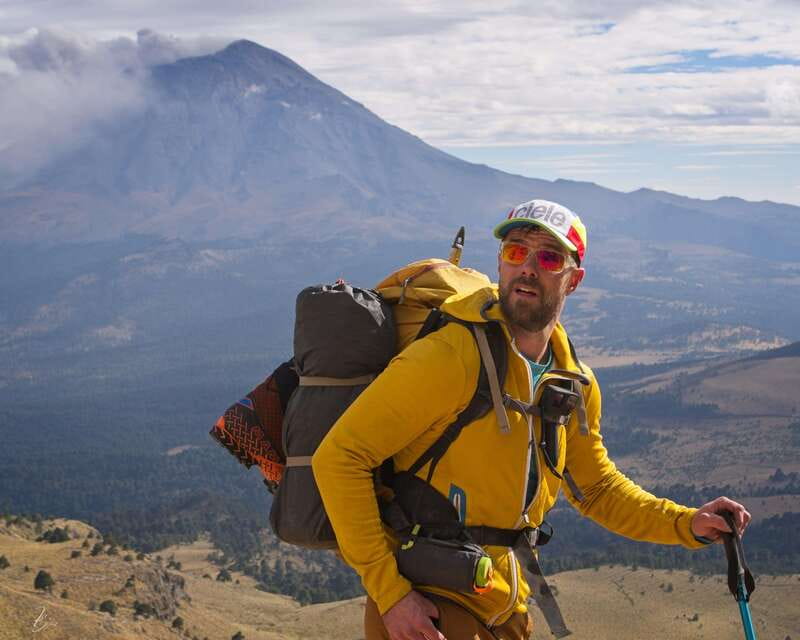
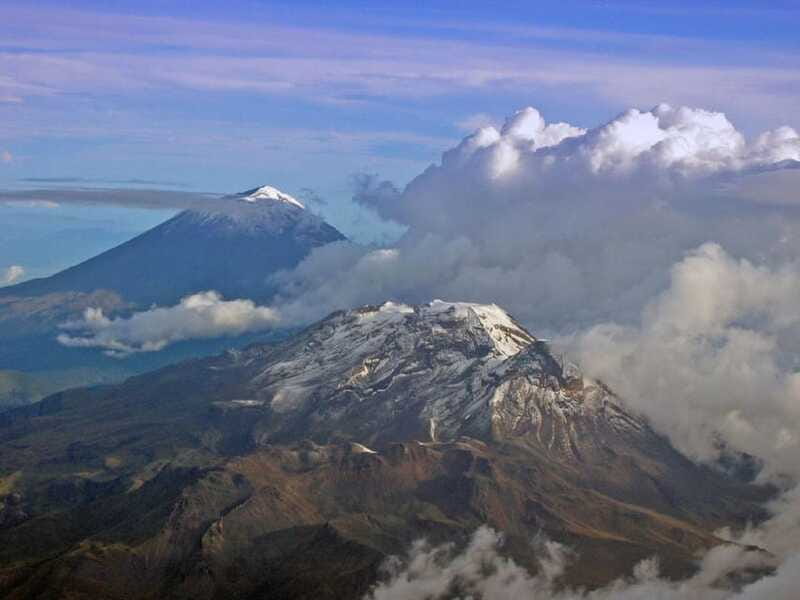
One early start, then real volcano breathing. This trip strings together Iztaccíhuatl National Park views, a historic stop at Paso de Cortés, and a guided ascent up to about 4,300 meters. I like how it mixes big scenery with a mountaineer-led hiking focus, not just a bus tour with occasional photos.
Two things I’m especially into: the panoramic mountain outlooks you get even before you start climbing, and the fact you’re hiking with an expert mountaineering tour guide who helps keep the group safe on uneven ground. One drawback to plan for: the level of on-trail explanation can vary by guide and group rhythm, and the trip runs long with no meals included, so you’ll want to manage your energy on your own.
Key things to know before you go
- Step off early from CDMX: meet at Calle Isabel la Católica 61-A at 6:20 a.m.
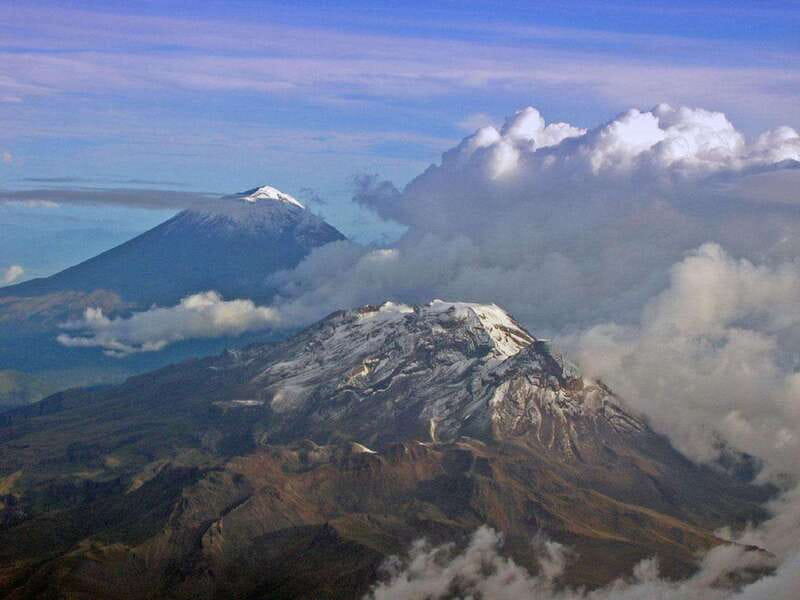
- Paso de Cortés break: short stop for wide mountain views tied to Hernán Cortés’ 1519 route.
- La Joya start point: you’ll transfer in and begin hiking in the protected national park area.
- Altitude of about 4,300 m: the air is thinner, so pacing and breath matter.
- Hike on uneven terrain: the day is physically demanding and pace depends on the group.
- Bring your own basics: comfortable shoes and clothes, plus passport or a copy.
Choose another high trail beyond the city
- Nevado De Toluca: Reach the Summit with Professionals
★ 4.8 · 250 reviews - Iztaccihuatl Volcano Hike with an Alpinist
★ 4.0 · 244 reviews - Mexico City: Guided Volcano Trek with Lunch
★ 4.7 · 242 reviews - From Mexico City: Hike Iztaccihuatl Volcano with an Alpinist
★ 4.3 · 155 reviews
Why Iztaccíhuatl trek feels like the real Mexico-vs-Altitude test
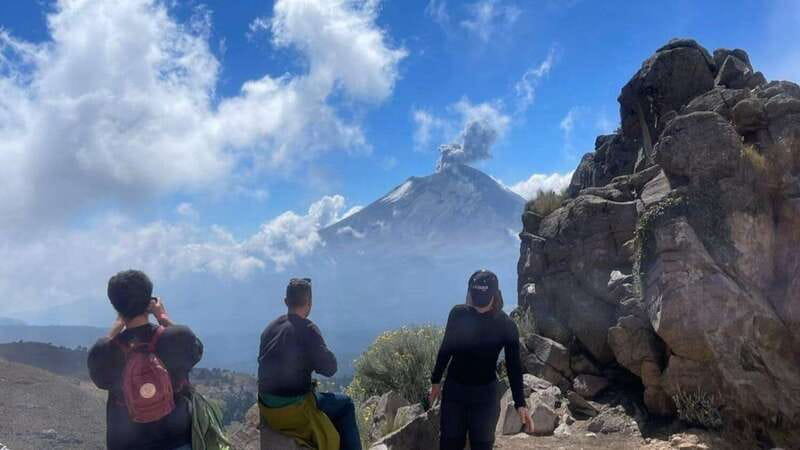
Iztaccíhuatl is one of those volcano trips that doesn’t feel like a quick Instagram detour. The day is long, you’re walking on uneven ground, and you can feel the effort in your lungs as you rise toward higher elevations. Even if you’ve hiked before, the combination of altitude plus a steady climb makes this a more honest test.
What makes it interesting is the contrast. You start with a historic viewpoint on the way, then you transition into a protected mountain environment where the scenery can shift with the season. Depending on conditions, you might see evidence of colder weather higher up, and the trail area changes as you gain elevation. It’s not just about reaching a summit, it’s about moving through zones in the same big volcanic system.
Paso de Cortés stop: history and your first mountain “wow”
Before the hike, you’re bused or shuttled out of Mexico City toward Paso de Cortés, a historic place tied to Hernán Cortés and his 1519 journey toward Tenochtitlan. You’ll make a brief stop there for panoramic views, so you get mountain context before your legs start working overtime.
This matters for two reasons. First, it helps you orient yourself visually, so the later volcanic views feel connected, not random. Second, it sets expectations: this is high-country Mexico, with wide skies and real scale. Even with just a short photo break, it’s the kind of view that makes the early departure feel worthwhile.
The La Joya transfer and the safety briefing you should take seriously
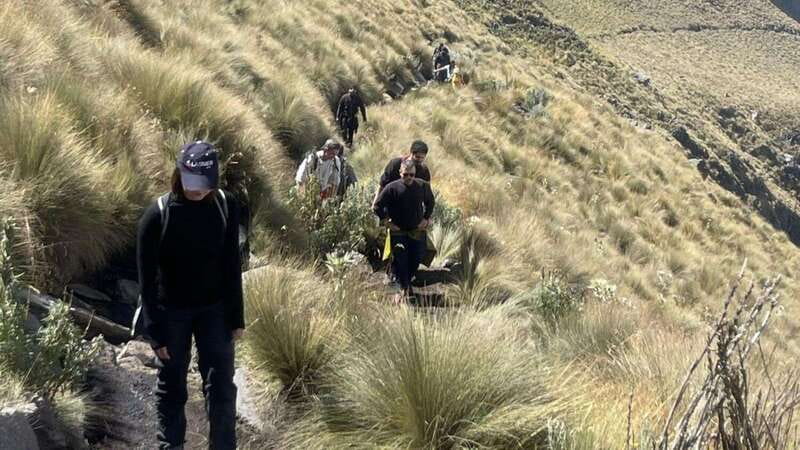
After the first viewpoint, you transfer to La Joya, where the hike begins. You should expect a safety briefing and time for a quick setup before walking. Even though it’s not described as a technical climbing course, it’s still an effort on uneven terrain at altitude, and your guide’s instructions are part of what makes the day go smoothly.
A key practical point: the tour pace depends on the group’s physical level. That means you’re not on a rigid timetable where everyone sprints. Instead, your best strategy is to stay relaxed, follow instructions, and keep your effort consistent. At altitude, going too hard early can ruin the rest of the day.
I also paid attention to the way guides are talked about in feedback. One guide name you might see is Fabricio, and he’s been praised for caring well for the group during the hike. On the flip side, there are times when the guide doesn’t talk much, so you might get less narrative and more “follow my pace.” If you want more explanation, it helps to ask direct questions during breaks, like what to look for in the changing scenery.
Keep these Mexico City options within reach:
- Trekking Through The Volcanoes★ 5.0 · 96 reviews
- 3 Hour Private Hike: Mountain Nevado Toluca from Mexico City★ 5.0 · 59 reviews
- Sunrise in Las Alturas Hiking in El Pico del Aguila Tlalpan★ 5.0 · 19 reviews
- From Mexico City: 2-Day Pico de Orizaba Summit Trek★ 4.9 · 18 reviews
- Hiking to the Puerta del Cielo Viewpoint in Mexico City★ 5.0 · 17 reviews
Inside the Iztaccíhuatl-Popocatépetl National Park hike
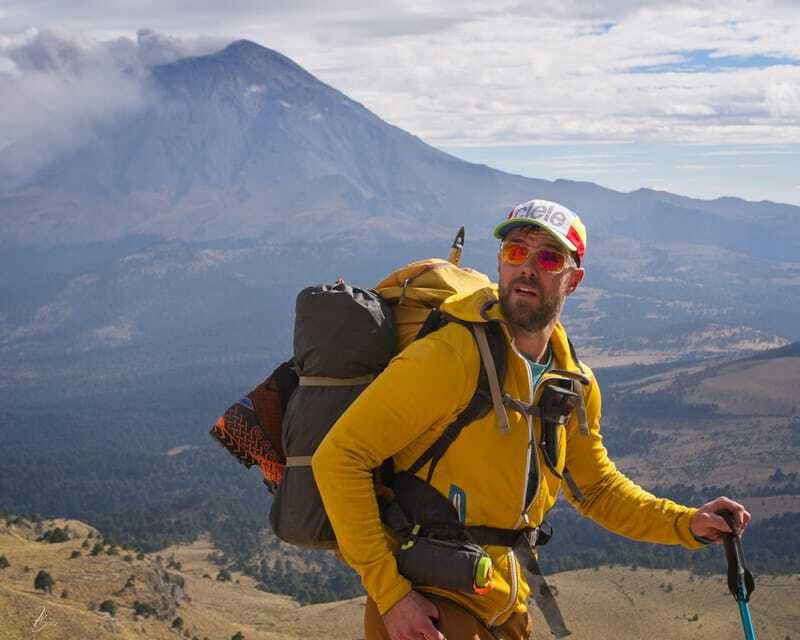
Once you’re in the park area, the day turns into a proper mountain walk. You’ll be in a protected zone around the Iztaccíhuatl and Popocatépetl volcanic system, and the hiking time on the mountain is described as about 3 hours of walking in the park portion.
Here’s what you can reasonably expect during the climb and movement:
- Changing trail scenery: the environment can shift from colder, snow-influenced conditions to warmer seasonal flora and fauna.
- Steady uphill effort: you’re testing endurance as you ascend toward roughly 4,300 meters.
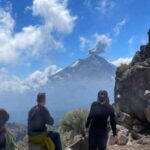
- Volcanic views that open gradually: the farther you go, the more you see of nearby villages and surrounding peaks.
And the altitude piece is not just a number. At around 4,000+ meters, breath control becomes a game. Move with your lungs in mind, not your ego. If you feel winded, slow down right away and focus on steady breathing. This is one of those days where “arrive alive and comfortable” beats “push too hard.”
Photo stops, panoramic pauses, and why timing matters
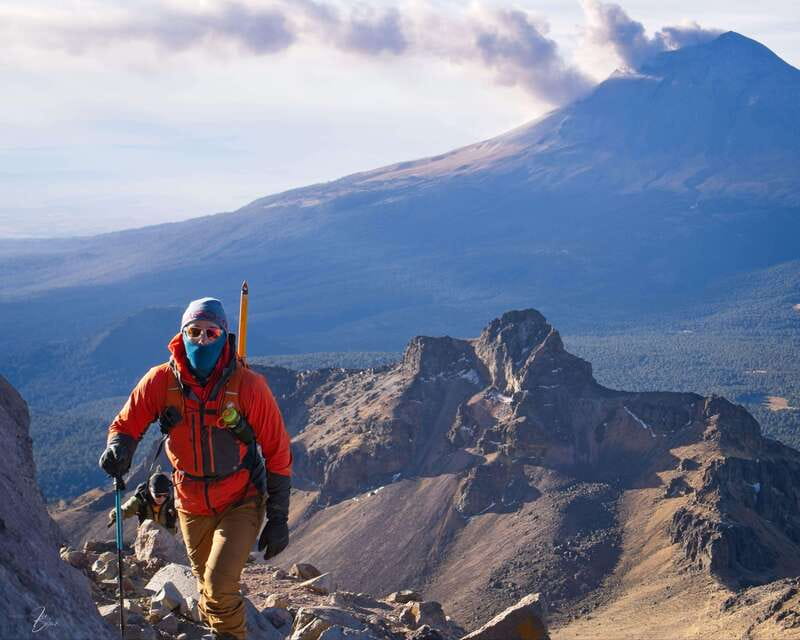
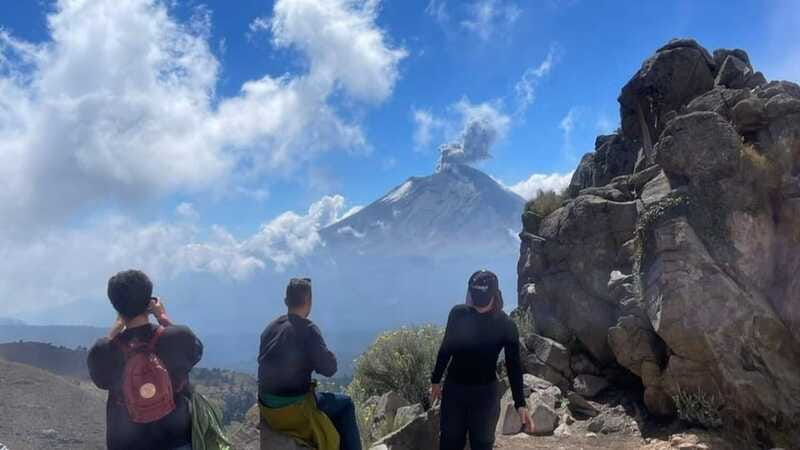
You’ll have at least a couple of moments built in for photos and viewpoints, including scenic stops along the drive and a photo stop with some free time later. This is important because the best mountain light often comes and goes fast. When you’re moving at altitude, you might not want to stop constantly, so those scheduled pauses help you capture views without turning the hike into a full-day scramble.
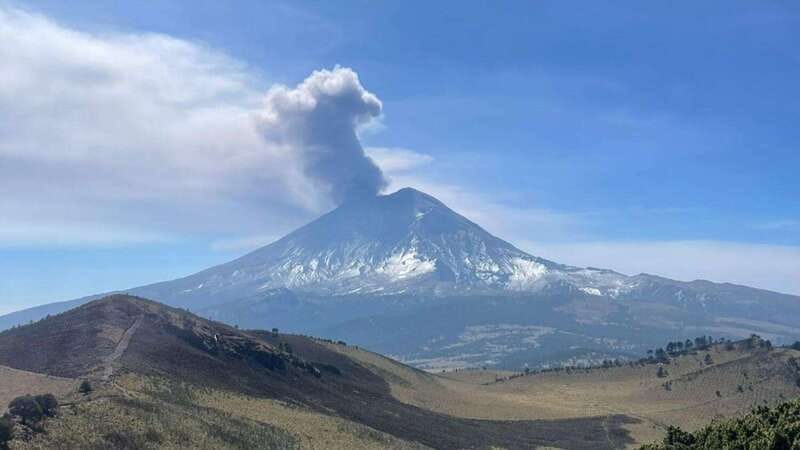
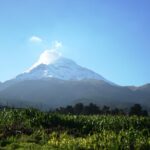
You’ll also get panoramic views that include nearby communities and other volcanoes in the wider region. That’s a big part of the appeal here: you’re not just walking on a trail, you’re watching the Valley of Mexico open up.
One practical note based on how people describe the service level: it’s smart to plan for basic needs yourself. Don’t assume you’ll get perfect, step-by-step info like where restrooms will be. If you need details, ask early, and keep a small personal kit (tissues, a light layer, and water).
Pace, groups, and fitness reality check
This isn’t a casual stroll. The tour involves a lot of walking on uneven terrain, and the day depends on the group’s overall physical capacity. The pace can shift based on who’s on the hike and how everyone is doing with altitude.
Also, it’s not suitable for everyone. The activity explicitly isn’t for:
- Children under 16
- Pregnant women
- People with mobility impairments or wheelchair users
- People with heart problems
- People with respiratory issues
If any of that applies to you, it’s best to skip this one and choose something lower and gentler. Altitude hikes can be risky, and the tour also mentions it’s a good idea to be in solid condition since it’s not a professional technical operation.
If you’re healthy and used to walking, you’ll likely enjoy it. Just make sure you can do an uphill day without needing to sprint, and that you’re comfortable with altitude discomfort as a normal part of the experience.
Price and value: is $153 fair for this kind of day?
At $153 per person for a day lasting 11 hours, you’re paying for several things that go beyond the hike itself:
- Round-trip transportation from Mexico City
- An expert mountaineering tour guide
- Access to the national nature reserve
- A full day plan that includes viewpoint stops and park walking time
Where value can feel weaker is what you don’t get. Meals and beverages are not included, and hiking equipment is not provided. That means your budget needs to cover food, water, and basic gear, especially if you’re not arriving with proper footwear.
There’s also a service-factor here. One review described the tour as feeling more like a bus ride, with limited place explanation and some confusion about basics like toilet info and timing clarity. Another review praised a guide for caring well during the hike. So you should think of this as a guide-led hike that can be talkative or more quiet depending on the day, and plan to rely on your own preparation.
My take: it can be good value if you show up ready to hike, want those park views, and appreciate altitude. If you’re expecting a highly narrated cultural program, you may find the communication level inconsistent.
What to bring for cold air, uneven ground, and long hours
The basics matter a lot more at altitude. Use the provided guidance, and then add your own common sense.
Bring:
- Comfortable shoes with grip for uneven terrain
- Comfortable clothes that handle temperature swings
- A passport (digital, original, or photocopy is accepted as proof of legal stay)
Not allowed:
- Smoking
- Littering
- Making fire
I’d also strongly suggest you pack as if you’ll be colder higher up than you expect. Even if the day is sunny at the start, mountains can change fast. A small day pack, a water bottle you’ll actually use, and some energy food can make the “no meals included” reality much easier.
The guide experience: caring on the trail, varied explanations off it
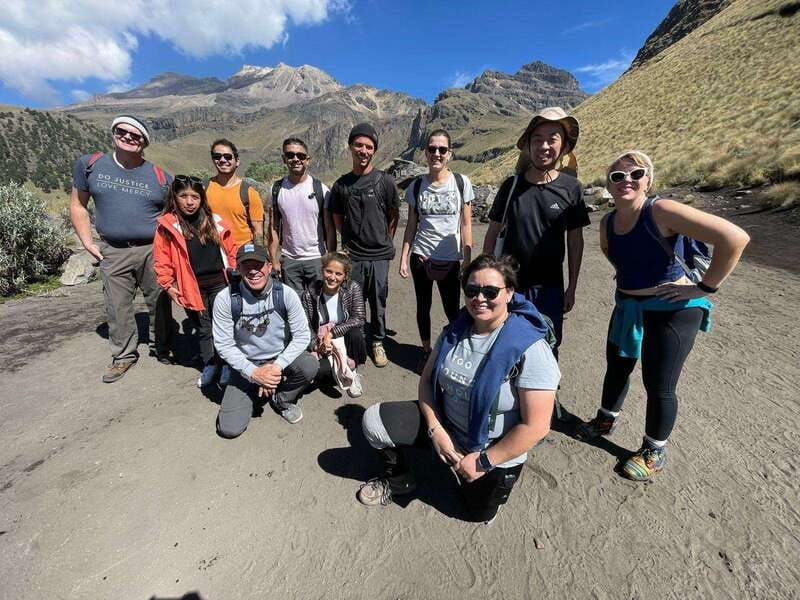
What’s consistent here is the role of the mountaineering guide. Some groups describe guides as taking great care of everyone during the hike, with an attentive approach to keeping the group moving safely. That’s exactly what you want at altitude.
What varies is how much context you get while walking. One complaint noted the guide didn’t talk much and there wasn’t much explanation about what was being seen. Another person had a positive experience overall, so it’s not guaranteed one way or the other.
So your best move: treat the guide as your safety and pacing resource first, then ask for extra detail if you want it. Simple questions like what you’re passing, what the views include, or how altitude affects the route can help turn a quieter guide day into a richer one.
Weather and rescheduling: how flexible you should be
This kind of mountain day can’t ignore conditions. The tour may be rescheduled or cancelled due to bad weather. If you’re in town only for a tight window, keep that in mind and build some breathing room into your schedule if possible.
If weather is bad, the right call is often safety over stubbornness. An itinerary that protects you from a risky trail is more valuable than squeezing in a hike that should be avoided.
Who should book this Iztaccíhuatl hiking tour
Book it if:
- You want an active volcano hike that’s more than a casual walk.
- You’re comfortable with altitude and can handle a long day.
- You like guided experiences where safety and pacing matter most.
- You want scenic views that include nearby villages and other peaks, with built-in photo stops.
Skip it if:
- You have respiratory or heart concerns, are pregnant, or fall into the mobility restrictions listed.
- You need a low-effort outing, or you want a very detailed, highly narrated history program all day.
- You don’t plan to bring the right footwear and expect meals and equipment to be handled for you.
If you want the kind of day where you feel your lungs working, you earn views, and you come home with a real sense of what high Mexico looks like, this is a solid choice.
FAQ
How long is the tour?
The duration is listed as 11 hours.
Where do I meet the guide?
Meet at Calle Isabel la Católica 61-A, in the Historic Center of Mexico City, at 6:20 a.m.
Is this tour offered in English?
Yes, the live tour guide is available in English and Spanish.
What’s included in the price?
Included are round-trip transportation, an expert mountaineering tour guide, and access to the national nature reserve.
Is food or water included?
No, meals and beverages are not included.
Do I need hiking equipment provided?
No, hiking equipment is not included, so you’ll need to bring what you need.
How high do we go?
The hike ascends up to about 4,300 meters above sea level.
Who cannot participate?
The tour is not suitable for children under 16, pregnant women, people with mobility impairments or wheelchair users, and people with heart problems or respiratory issues.
More Hiking & Trekking in Mexico City
More Tour Reviews in Mexico City
High Trails Beyond Mexico City
More Mexico City plans worth opening

Volcano Hikes & Nevado de Toluca for the next day.
 ★ 4.8Nevado De Toluca: Reach the Summit with ProfessionalsFrom $162250 reviews
 ★ 4.0Iztaccihuatl Volcano Hike with an AlpinistFrom $139244 reviews
 ★ 4.7Guided Volcano Trek with LunchFrom $105242 reviews
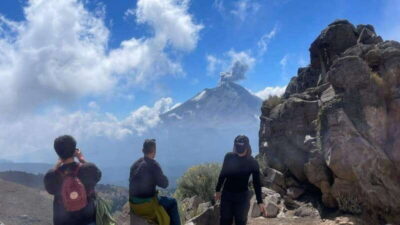 ★ 4.3From Mexico City: Hike Iztaccihuatl Volcano with an AlpinistFrom $168155 reviews
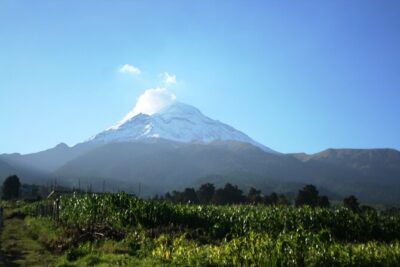 ★ 5.0Trekking Through The VolcanoesFrom $13396 reviews
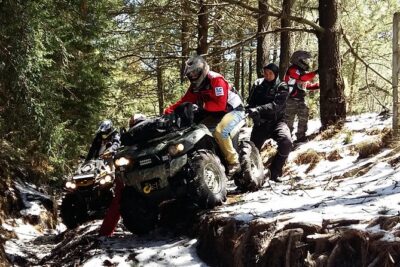 ★ 5.02 Volcanos – Special 2 pax, 3 -4 hr ride. Reserve Only 1 paxFrom $50081 reviews
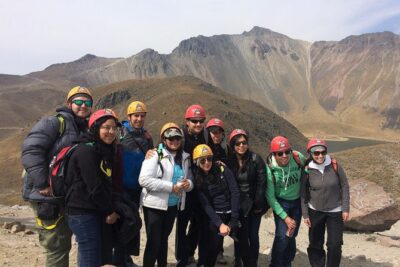 ★ 5.0Mountaineering to the Nevado de Toluca (altitude 4680m)From $16678 reviews
 ★ 5.0Hike at Nevado de Toluca VolcanoFrom $10569 reviews
This review also appears in