

REVIEW · MEXICO CITY MUSEUMS & GALLERIES
CDMX: Museum of Memory and Tolerance – Anne Frank (Entrance ticket)
A quiet story hits hard in this exhibit. The Anne Frank House collaboration and the replica hideout make the museum experience feel both intimate and concrete.
Museum of Memory and Tolerance in CDMX is an ideal setting for this, because it frames one child’s hopes inside a bigger message about hatred, protection, and change.
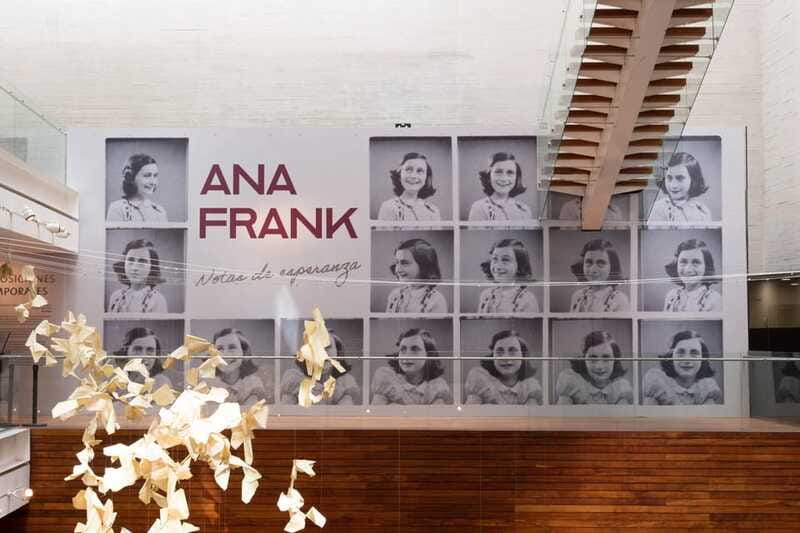
I love how the show uses strong photos and clear content to explain the stakes without turning it into something clinical. I also like that you can actually study a model of where the Frank family hid, then move into the replica hideout so the history sits in your mind, not just in your head.
One drawback to plan around: this is not suitable for children under 12, and the subject matter is emotionally heavy, so go when you can take it at a steady pace.
Key moments that make this ticket worth it
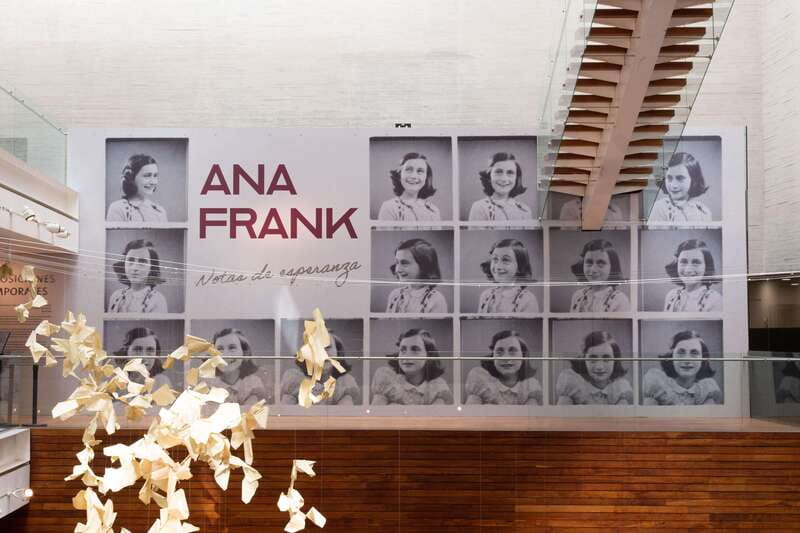
- Anne Frank House (Amsterdam) collaboration that gives the exhibition extra authority and care
- Model of the hiding place so you understand layout, distance, and concealment
- Replica hideout that helps you visualize what life in hiding meant
- Holocaust memory and tolerance focus, tied to reflection on hate and indifference
- Temporary exhibition format, so your visit stays focused and manageable
- Rules that keep things respectful, like no flash and no audio recording
Open another museum door in the capital
- CDMX: Xochimilco, Coyoacan, Frida Kahlo Museum & Murals Tour
★ 4.4 · 3,025 reviews - Chapultepec Castle & Anthropology Museum Tour
★ 4.5 · 1,348 reviews - Frida Kahlo VIP [Museum Tickets Included] Bike, Markets & Churros
★ 5.0 · 1,072 reviews - Anthropology Museum Guided Tour
★ 4.5 · 1,035 reviews
Why this Anne Frank ticket belongs at CDMX’s Museum of Memory and Tolerance
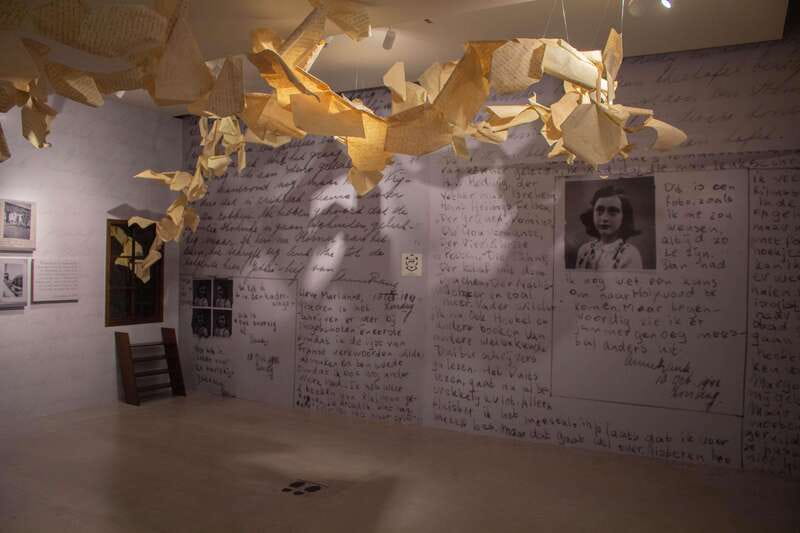
If you only have a day and you want one meaningful museum hit, this is the kind of stop that justifies the trip. The CDMX Museum of Memory and Tolerance is built around remembrance and learning how societies fall into cruelty. Dropping in the Anne Frank exhibition here makes it more than a biography. It becomes a lesson about where prejudice starts, and how people choose to either help or look away.
The big draw is that the exhibit is created in collaboration with the Anne Frank House in Amsterdam. That matters because it signals a consistent approach to Anne Frank’s story, not just a loose themed display. You’re not just reading about events. You’re stepping into an interpretation designed to make the message understandable and credible.
What I like most is the emotional grounding. The exhibition emphasizes hope through Anne’s words, even as the story shows fear, uncertainty, and real risk. It connects an individual childhood voice to the wider reality of Jewish families who resisted Hitler’s hatred by hiding, and to the protectors who acted despite danger. That blend, personal and historical, is exactly why this works as a museum experience rather than a casual viewing.
Your visit flow: what you’ll do once you enter the temporary exhibition
With an entrance ticket like this, you should think of the day as flexible “museum time,” anchored by one focused exhibition. Your admission gives access to the Anne Frank Temporary Exhibition only, so you can plan your other sightseeing around it without feeling like you need to cover an entire museum campus.
Here’s how the experience typically unfolds in a way that helps you keep your bearings:
First, you walk into the exhibition space and settle into the tone. The exhibit is designed around story and reflection, not just facts on a wall. Expect a sequence that builds context and emotional understanding. You’ll see content that supports the narrative, including photos and explanatory materials.
Next comes the part that turns comprehension into visualization: you move toward the model of the hiding place. This is where the story stops being abstract. You can study the arrangement and get a real sense of how the concealment worked.
Then you transition from the model into the replica hideout, which is where you start thinking like a person living there. Instead of only imagining the cramped reality, you can observe it in physical space. That shift is powerful, because it makes the choices, risks, and daily life feel more immediate.
Finally, you come back to the exhibition’s bigger theme: memory and tolerance, and what hate speech and division can do to a country and the world. The point is not guilt for the sake of guilt. It’s clarity, and a push toward action. The overall message centers on the idea that even in adversity, hope and responsibility still matter.
Practical tip: because it’s a temporary exhibition and your ticket is only for that, give yourself time to move slowly. This is the kind of museum where rushing can flatten the impact.
The hiding place model and replica: why this section hits
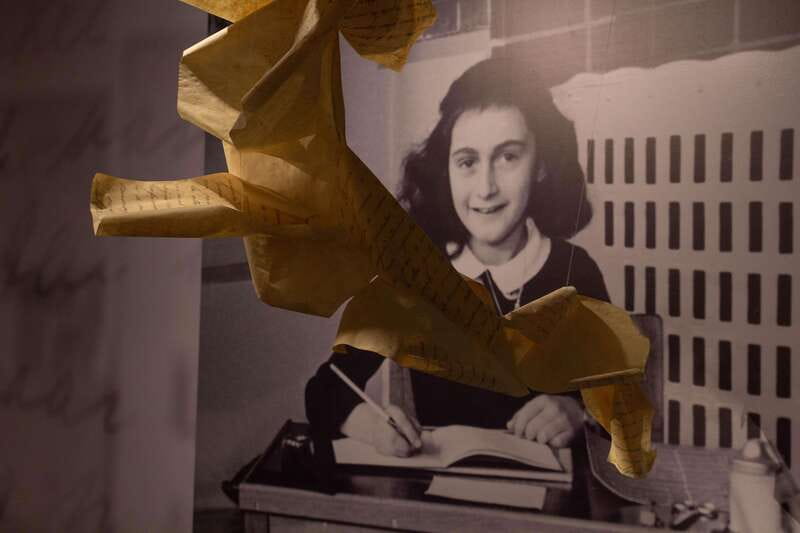
The highlights are not random. They are the core of why the exhibition works.
The model of the place where the Frank family hid helps you understand layout and concealment. Even if you already know parts of the story, the model gives you a “map” for what you’re seeing. That matters because the hiding wasn’t just a concept. It was an environment with constraints, routes, and limitations. The model makes those constraints visible.
Then comes the replica of the Frank’s hideout, which turns the model into a lived setting. When you stand in or near a replica, you tend to pay attention to scale, placement, and how small details affect daily routines. You start to connect the physical reality of hiding with the emotional reality of uncertainty.
This is also where the collaboration with the Anne Frank House adds credibility. You get the sense that the exhibition is carefully designed, not improvised. That carefulness makes the replica feel more respectful and more meaningful.
If you care about details, you’ll likely spend more time here than you expect. It’s the kind of section that keeps pulling you back for a second look, because your brain is comparing what you know to what you can observe.
Keep these Mexico City options within reach:
- Lucha Libre Tickets & Tacos & Beer & Mezcal – BEST NIGHT EVER!★ 5.0 · 1,077 reviews
- Frida Kahlo VIP [Museum Tickets Included] Bike, Markets & Churros★ 5.0 · 1,072 reviews
- Frida Kahlo VIP [Museum Tickets Included] Walk, Markets & Churros★ 5.0 · 982 reviews
- Mexico City: Frida Kahlo Museum Entry Ticket w/Digital Guide★ 4.5 · 683 reviews
- Mexico City: Anthropology Museum Skip-the-Line Ticket★ 4.4 · 502 reviews
Museum rules that change how you experience it
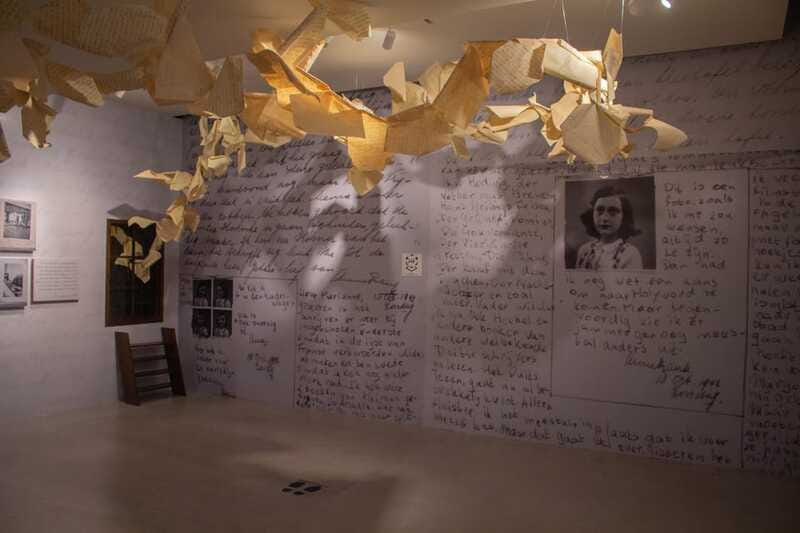
This ticket comes with some clear restrictions. They’re not there to be difficult. They’re there to keep the experience focused and considerate.
Not allowed:
- Food and drinks
- Flash photography
- Audio recording
- Alcohol and drugs
What this means for you:
- Go light. If you need something beforehand, do it before you enter, then settle in.
- Leave your phone in normal mode. No flash keeps lighting steady, which helps you focus.
- If you like to process later, take notes with pen or pencil if allowed in the space, or just mentally bookmark the parts that stand out.
A small pacing note: the no audio recording rule also means you’re relying on the exhibit itself, and on your own attention. That’s actually a good thing. It reduces “screen time” and keeps your mind on the message.
And yes, it’s a museum, not a quick photo stop. Plan to be present. The exhibit’s purpose is reflection, not content collection.
Price and value: what $7 buys you in CDMX
At about $7 per person, this is one of those tickets that feels like a straightforward value. The cost is low enough that money shouldn’t be the deciding factor. Instead, you should decide based on fit and timing.
Here’s the value breakdown that matters:
- You’re paying for access to a curated temporary exhibition, not a vague general pass.
- The experience includes both a model and a replica hideout, which are the kinds of elements that take real effort and design to build.
- The exhibition is tied to the Anne Frank House collaboration, which helps justify why it feels professionally constructed.
Also, your time commitment is clear. The duration is listed as 1 day, and the ticket is valid for one day. That makes it easy to pair with other nearby activities in Greater Mexico City without forcing a complicated schedule.
If you want maximum value, plan your day so the exhibit isn’t sandwiched between chaotic plans. Put it somewhere you can arrive calm and leave time to reflect.
Who should book, and who might want to rethink it
This is a strong choice for adults, teens, and older students who want a guided-by-design museum experience about Holocaust memory and tolerance. The content is serious, and the exhibition is meant to connect personal hope with historical horror and moral responsibility.
The ticket is not suitable for children under 12, so families should plan accordingly. If you’re traveling with younger kids, you may want to pick other museum stops that match age suitability better.
If you’re sensitive to heavy topics, don’t assume this will be “sad but short.” The focus on victims of the Holocaust, survivors’ stories, and the warning about destructive hate speech makes it emotionally weighty. You’ll likely benefit most if you go with a mindset for learning and reflection, not entertainment.
Good news for accessibility: it’s wheelchair accessible, so physical access is part of the planning you can count on.
Should you book this Anne Frank entrance ticket in CDMX?
I think you should book if you want one museum experience in CDMX that is focused, thoughtfully built, and anchored by the most recognizable, carefully handled story of hope from the Holocaust era. The model and replica hideout are the kind of tangible elements that help the story stick. And the Anne Frank House collaboration adds trust that the presentation is taken seriously.
Skip it, or at least reconsider timing, if you’re not ready for emotionally intense subject matter, or if you’re traveling with a child under 12. Also, if you’re hoping for a quick photo stop, the rules (no flash, no audio recording, no food) and the exhibition’s reflective tone may feel slower than you want.
If you do go, I’d plan to spend your attention where it matters most: the hiding place model, then the replica hideout, then the final reflection on tolerance. That is where the exhibit turns from “information” into “understanding.”
FAQ
What does the entrance ticket include?
Your admission ticket gives you access to the Anne Frank Temporary Exhibition only.
How long is the experience?
The experience is listed as 1 day, with the ticket valid for one day. You should check availability to see starting times.
Where is this happening?
It takes place in Greater Mexico City, Mexico, at the Museo Memoria y Tolerancia.
What are the main highlights of the Anne Frank exhibition?
The exhibition includes a collaboration with the Anne Frank House in Amsterdam, a model of where the Frank family hid, and a replica of the Frank’s hideout.
Is the museum wheelchair accessible?
Yes, the venue is wheelchair accessible.
Are food and drinks allowed inside?
No, food and drinks are not allowed.
Can I take photos with flash?
No, flash photography is not allowed.
Is this suitable for young children?
No. It is not suitable for children under 12 years old.
More Tickets in Mexico City



More Tour Reviews in Mexico City





Museums and Galleries for the Next Afternoon


More Mexico City plans worth opening
Mexico City Museums & Galleries for the next day.
 ★ 4.4Xochimilco, Coyoacan, Frida Kahlo Museum & Murals TourFrom $893,025 reviews
 ★ 4.5Chapultepec Castle & Anthropology Museum TourFrom $791,348 reviews
 ★ 5.0Frida Kahlo VIP [Museum Tickets Included] Bike, Markets & ChurrosFrom $831,072 reviews
 ★ 4.5Anthropology Museum Guided TourFrom $391,035 reviews
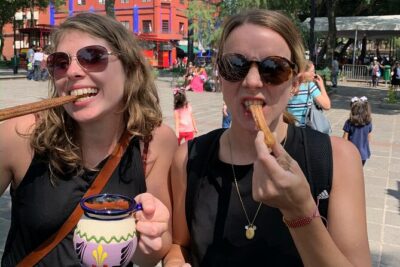 ★ 5.0Frida Kahlo VIP [Museum Tickets Included] Walk, Markets & ChurrosFrom $83982 reviews
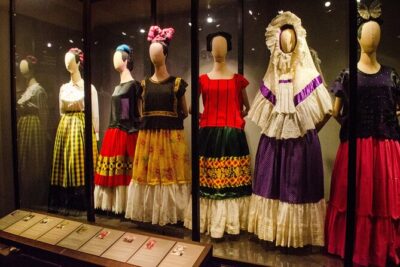 ★ 5.0EXCLUSIVE TOUR Frida Kahlo Museum – SMALL GROUPSFrom $86901 reviews
 ★ 4.4Anthropology Museum Guided VisitFrom $67708 reviews
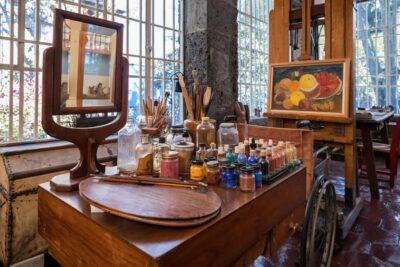 ★ 4.5Frida Kahlo Museum Entry Ticket w/Digital GuideFrom $34683 reviews
This review also appears in