
REVIEW · MEXICO CITY MUSEUMS & GALLERIES
Mexico City: Jewish Presence
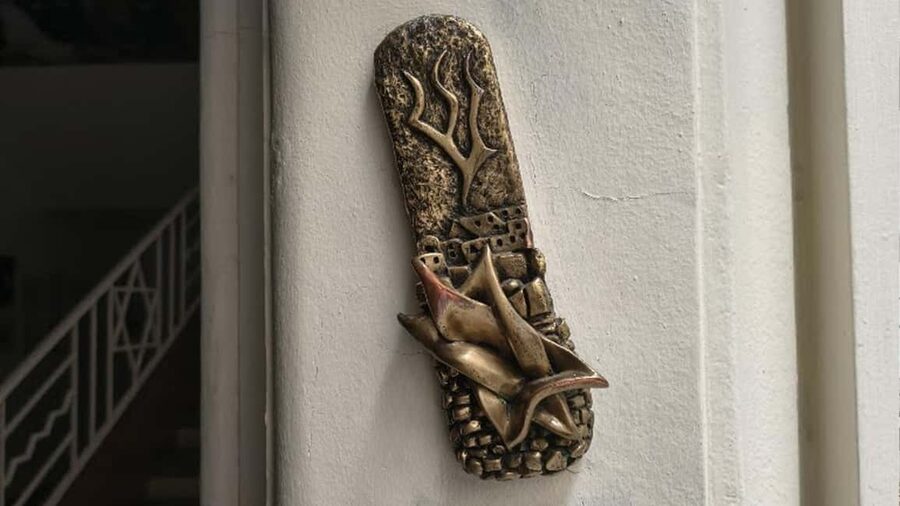
A walk with stakes, then hope. This 3.5-hour experience uses the streets around the historic center to tell how Jewish arrivals survived the Spanish Inquisition, later found room to grow in a secular Mexico, and still shaped the city. I liked the way it connects big political turning points to real places you can stand in, like the Inquisition palace and working synagogues in the 19th and 20th centuries. It feels tightly focused.
What I love most are two things. First, the guide work, especially Carlos, is the kind of teaching where facts stay crisp and your questions get real answers. Second, you get a strong sense of continuity, from early arrivals and persecution to the community’s rise through finance and industry, then later migration when families moved to other parts of town. You see the story, not just hear it.
One drawback to consider: the route is not for everyone, since it involves walking and stops around historic buildings. If you have mobility limits or you are traveling with kids under 18, this may not fit, so check the details before you commit. Plan around the walking.
Key points to know before you go
- Carlos is the main attraction, with lots of information shared clearly and kept to proven facts.
- You start near the Aztec Temple zone, with an intro that sets the religious and political scene in one view.
- You visit major landmarks tied to Jewish persecution and survival, including the Palace of the Inquisition area.
- Loreto Park links the 19th-century immigrant wave to synagogues you can actually enter.
- You’ll track the community’s economic role, from small trades to textile and jewelry industries tied to Jewish capital.
- You end with modern movement, including the 1970s shift as Jewish families moved to more affluent areas.
Open another museum door in the capital
- CDMX: Xochimilco, Coyoacan, Frida Kahlo Museum & Murals Tour
★ 4.4 · 3,025 reviews - Chapultepec Castle & Anthropology Museum Tour
★ 4.5 · 1,348 reviews - Frida Kahlo VIP [Museum Tickets Included] Bike, Markets & Churros
★ 5.0 · 1,072 reviews - Anthropology Museum Guided Tour
★ 4.5 · 1,035 reviews
A 3.5-hour walk where 500 years of Jewish life fits on one route
This is a compact walking tour that covers a huge time span, about 500 years, without turning into a history lecture you survive on caffeine. You’ll start at República de Argentina 15 and finish at Justo Sierra 71, with enough time at each stop to look closely and ask questions.
The “value” here comes from structure. The tour doesn’t only point at buildings, it uses them like chapters. You’ll cover arrival, persecution, legal change, community building, and later shifts, all using significant sites you can find in the historic center.
And yes, you should expect heat and sun. You’ll want comfortable shoes, a sun hat, and sunscreen, because this is a real walk through real streets.
Starting at República de Argentina 15, right by the Aztec Temple Bridge zone
You meet outside the white building across Justo Sierra Street from the northern entrance to the Aztec Great Temple Bridge. The group gathers under the main door labeled #15, with a tall sign above it that reads Librería Porrúa.
That precision matters, because the tour depends on you being at the exact meeting point. Also, this kind of city-center start time works best when you show up a few minutes early to get your bearings fast, not when you are hunting for the right corner.
From the start, you get a strong “map in your head” feeling. The tour sets you up with an intro conversation while looking over the Great Aztec Temple area, and near major religious landmarks nearby, including the Catholic cathedral area and a Protestant church. It’s a useful frame, because it explains how different communities, empires, and faiths layered over each other in Mexico City.
Patio Norte and the Catedral Metropolitana de México: power, faith, and who gets protected

Patio Norte is where the tour begins its sit-down style orientation, giving context before you start walking from site to site. If you like history that explains why events happened, this early setup helps. It’s the moment when the guide lays out the city’s long timeline, and why the historic center matters.
Then you spend time at the Catedral Metropolitana de México. The goal is not to turn this into a cathedral checklist. It’s to place Jewish arrivals and survival into a landscape where church power was not abstract. You’ll connect the religious authority of the era with the legal and social pressures that later affected Jews in Spanish territories.
One practical note: cathedral areas can be busy, and you’ll be on your feet through visits. If you prefer a slower pace, this may feel a bit full, but the guide’s storytelling helps the time pass quickly.
Take a wider circuit through Mexico City
- Mexico City: Teotihuacan, Tlatelolco & Guadalupe Shrine Tour★ 4.6 · 3,773 reviews
- Teotihuacan Hot Air Balloon Flight from Mexico City / Volare★ 5.0 · 3,262 reviews
- Teotihuacan Private Tour from Mexico City★ 5.0 · 1,890 reviews
- Historic Center Food Tour in Mexico City★ 5.0 · 1,263 reviews
- The best tour to Teotihuacán from Mexico City★ 5.0 · 1,236 reviews
San Ildefonso’s former college building: Mexico City’s education and political shifts in the background
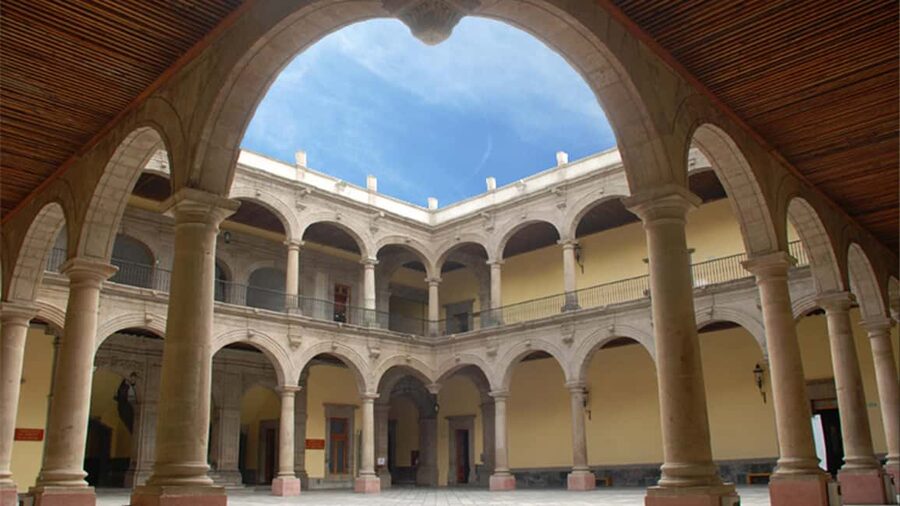
Next comes the Former College of San Ildefonso, a stop that adds the “Mexico became Mexico” layer. You’re not just learning Jewish history in a vacuum. You’re seeing how the broader civic changes in Mexico City set the stage for what Jewish communities could do, legally and economically, in later centuries.
This stop also helps the tour avoid the trap of “only one type of story.” Instead of treating Jewish life as separate from national change, the tour connects Jewish experiences to wider shifts in Mexico’s governance and society.
You’ll get enough time here to look around and listen, without feeling rushed through the architecture.
The Sinagoga guided tour: seeing shuls as lived spaces
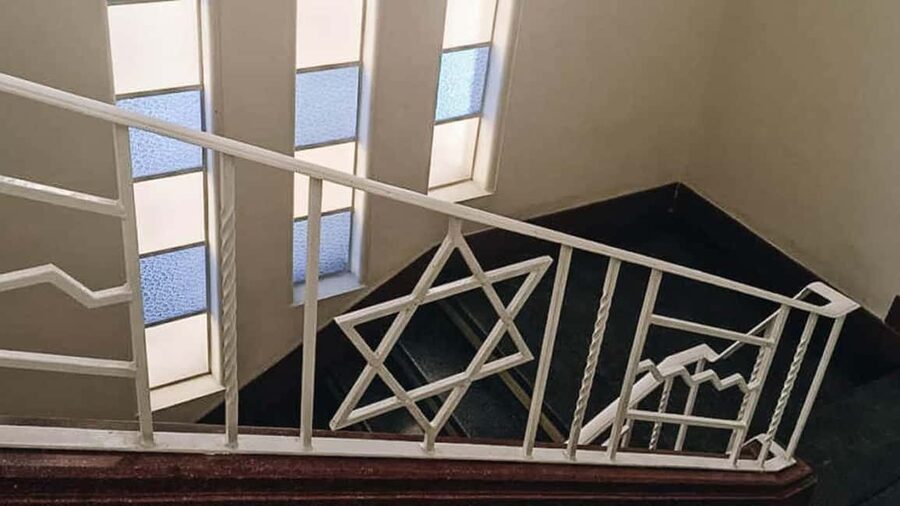
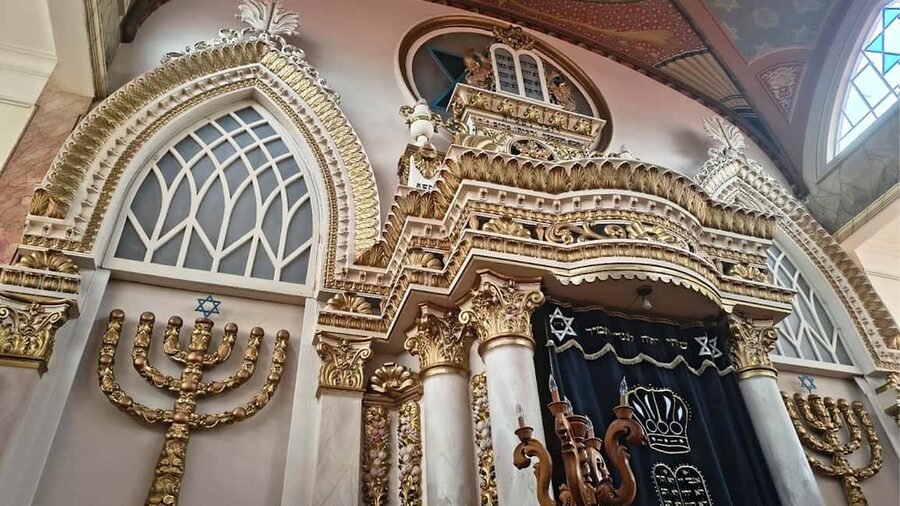
The highlight for many people is the synagogue visit, with a guided tour lasting about 45 minutes. You’ll see the progression of Jewish life through multiple arrival waves and then get inside, which is where the story starts to feel real.
The tour also explains that two of the oldest synagogues are in the Loreto Park area, and you will visit one of them. That matters because these buildings are not just museums. They’re tied to community continuity, even as the community’s center of gravity changed over time.
Inside a synagogue, you learn more than symbolism. You learn how tradition survives changing laws and changing neighborhoods. The guide’s focus on proven facts helps here, because it keeps the visit grounded and avoids turning into vague inspirational talk.
Antiguo Palacio de la Santa Inquisición: where the persecution story becomes physical
At the Antiguo Palacio de la Santa Inquisición, the tour gets heavier. You’ll spend about 45 minutes here, and the point is to show how persecution worked in practice, not only as a historical concept.
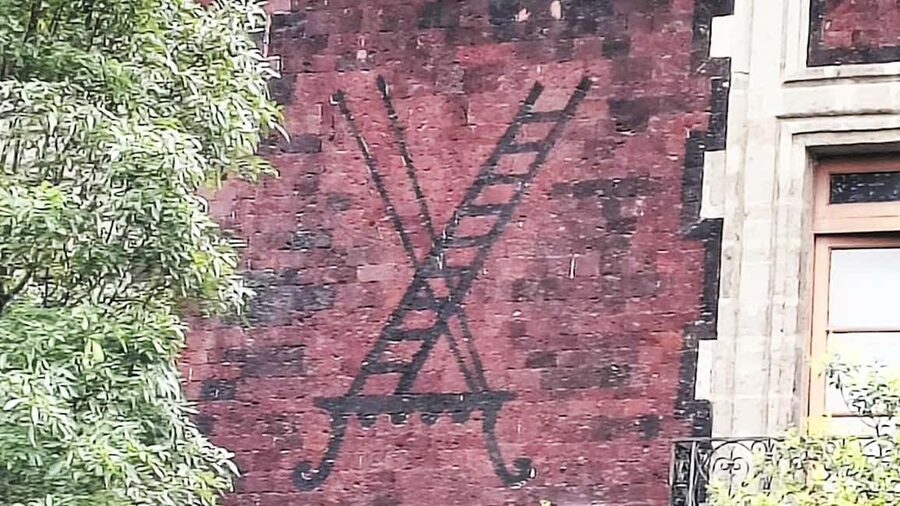
The tour references the “hidden messages” persecuting Jews, mainly trading ones, for centuries. Whether you’re familiar with the Inquisition already or not, seeing the palace area while listening to how Jews were targeted helps you understand why this chapter shaped everything that followed.
This is also where the tour’s strongest theme shows up: survival. The story includes tragic fates at the stake, including the early arrivals around 1519, and it places those events in the broader reality of empire and enforcement.
If you prefer history told with emotional distance, this may be intense. If you want the story to feel honest, this stop delivers.
From 1519 arrivals to a secular Mexico: laws, civil war, and an anti-fascist win
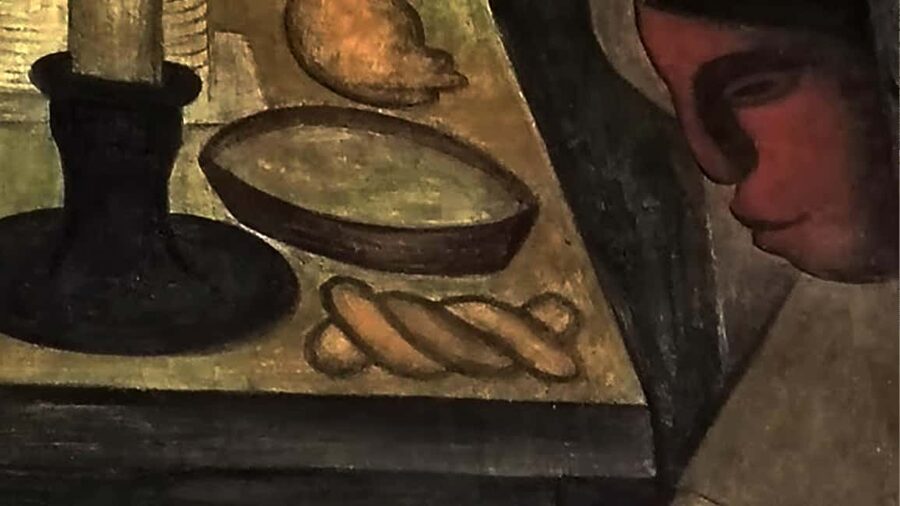
One of the tour’s best moves is the jump from the early Spanish period to later political changes that transformed daily life. You’ll hear how Mexico became the economic center of the Spanish Empire, and how that empire reached across Asia, North America, and the Caribbean. Then you’ll track how legal and political shifts later opened the door for immigration.
The tour also brings in the Reformation-era laws and civil war changes that helped transform Mexico into a secular state. That’s not an abstract term here. It’s framed as a practical shift in what communities could build and how likely they were to be targeted.
You’ll also learn about anti-Fascist resistance that helped cancel the first anti-Semitic convention. This is an important moment because it shows that 20th-century threats were not met only by victims. There were also organized responses within Mexico City society.
That thread helps connect the tour’s early chapters to the later story of synagogues, community growth, and rescue efforts during WWII.
Loreto Park and the second-wave immigrant story, plus where people settled
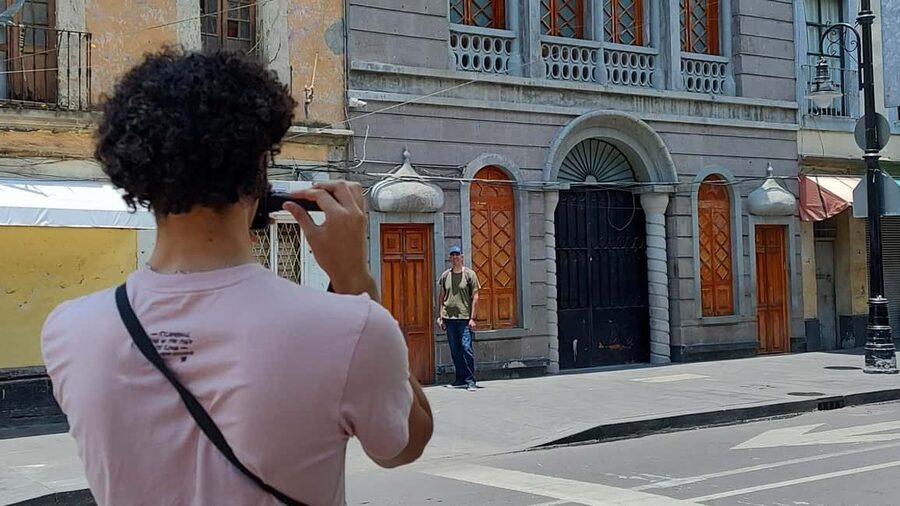
Loreto Park is where the tour shifts from politics to neighborhoods. You’ll see why the second wave of Jewish immigrants settled there at the end of the 19th century, including arrivals connected to Eastern Europe and the Ottoman Empire, and those who were not accepted at Ellis Island.
That detail matters because it highlights the “routes” behind migration, not just the destination. You can often tell in history lessons, but here the guide ties it to where families ended up and where institutions grew.
From a traveler perspective, Loreto Park also gives you a change of mood. You’re not only hearing about hardship. You’re walking through a part of Mexico City connected to long-term community presence, and to the synagogues that became anchors for daily life.
Tailors to textiles and jewelry: how Jewish capital shaped the city’s finances
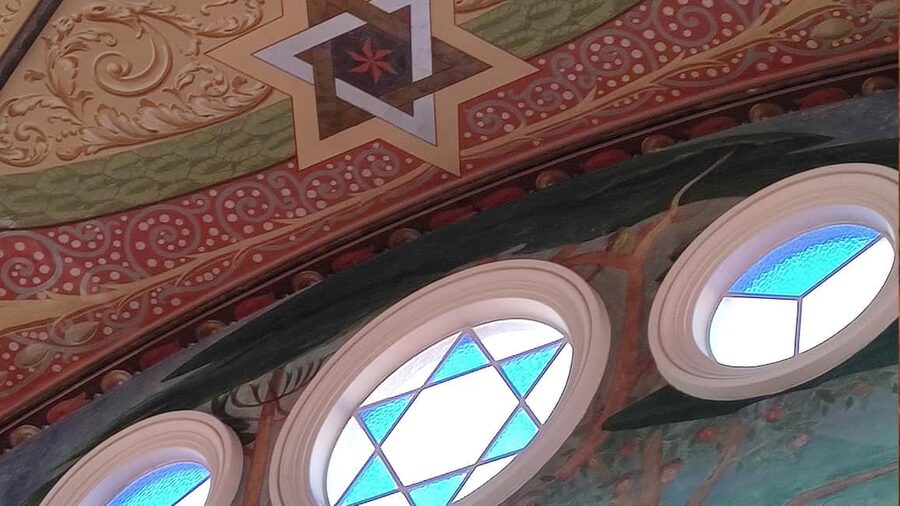
Later in the tour, you’ll learn about the progression from tailoring and sewing work to bigger roles in textile and jewelry industries. The tour links this shift to how Mexico’s financial system developed, with Jewish capital playing a major role.
This is one reason the tour feels different from a “tragic history only” itinerary. The guide does not stop at persecution. You learn how people built businesses, supported community institutions, and helped drive economic growth.
If you like Mexico City as a living economic machine, this is the part that clicks. You start connecting what you see in the historic center to how wealth and work moved in the 20th century.
WWII rescue and the 1970s synagogue abandonment as families moved
The final act brings the story into the 20th century and toward modern Mexico City. You’ll hear about Mexico’s rescue of Jews during WWII, and then about what happened in the 1970s when Jewish families largely abandoned these synagogues as they migrated to more affluent areas of the city.
That ending is a little bittersweet, but it makes a key point. Jewish life in Mexico City didn’t disappear, it relocated and changed. Institutions you can visit today are part of a timeline, not the whole timeline.
It also helps you understand why synagogues can feel both historical and fragile. A building can survive, while the neighborhood’s demographics shift.
Logistics that help you enjoy the walk (and not fight it)
This tour lasts about 3.5 hours, and it is a walking experience through important historic areas. It’s not designed for strollers, and it’s not designed for people who need mobility scooters.
Wear comfortable shoes. Avoid sandals or flip flops, because you’ll be walking on uneven surfaces at street level. Bring a sun hat and sunscreen, since the tour doesn’t mention any indoor-only coverage.
For etiquette and rules, there are several “no” items you should note: food and drinks are not allowed, flash photography is not allowed, and drones are not allowed. Pets are not allowed either, though assistance dogs are allowed.
One more practical consideration: the meeting point is very specific, under the main door marked #15 by Librería Porrúa. If you’re late, you can easily miss the start window.
Who this fits best, and who should skip it
This is best for adults 18 and up who want a story-driven walking tour with real stops and guided explanations. If you like when history connects law, economics, and community life, you’ll probably enjoy this a lot.
It is not suitable for children under 18. It is also not suitable for people with mobility impairments or wheelchair users.
If you want a relaxed sightseeing walk with minimal context, this may be too dense. But if you like your city tours with meaning and good pacing, the format works well.
Should you book Mexico City: Jewish Presence
I’d book it if you want a guided walk that covers real turning points, from early arrivals and Inquisition persecution to synagogues, economic change, and WWII rescue. The big draw is the guide quality, especially Carlos, with lots of information and careful focus on proven facts. The synagogue visit and the Inquisition palace area are the emotional core, and they make the rest of the timeline land.
I’d think twice if walking is hard for you, or if you’re traveling with anyone under 18. Also, because the meeting point is exact, plan to arrive early and be ready to connect on time.
FAQ
FAQ
How long is the Mexico City: Jewish Presence tour?
The tour lasts about 3.5 hours.
What language is the guide?
The tour is guided in English.
Where do we meet for the tour?
You meet outside the white building across Justo Sierra Street from the northern entrance to the Aztec Great Temple Bridge, under the main door marked #15. The sign above it says Librería Porrúa.
Where does the tour end?
The tour ends at Justo Sierra 71.
What’s included in the price?
The experience includes the host and expert, plus entrance to all open private or public locations mentioned that do not require reservations or tickets.
Is it suitable for children?
No. It is not suitable for children under 18.
Is this tour wheelchair accessible?
No. It is not suitable for wheelchair users or people with mobility impairments.
What should I bring?
Bring comfortable shoes, a sun hat, and sunscreen.
Are pets allowed?
Pets are not allowed, though assistance dogs are allowed.
Can I cancel and get a full refund?
Yes. Free cancellation is available up to 24 hours in advance for a full refund.
Mexico City in a Wider Frame



More Tour Reviews in Mexico City




Museums and Galleries for the Next Afternoon




More Mexico City plans worth opening

Mexico City Museums & Galleries for the next day.
 ★ 4.4Xochimilco, Coyoacan, Frida Kahlo Museum & Murals TourFrom $893,025 reviews
 ★ 4.5Chapultepec Castle & Anthropology Museum TourFrom $791,348 reviews
 ★ 5.0Frida Kahlo VIP [Museum Tickets Included] Bike, Markets & ChurrosFrom $831,072 reviews
 ★ 4.5Anthropology Museum Guided TourFrom $391,035 reviews
 ★ 5.0Frida Kahlo VIP [Museum Tickets Included] Walk, Markets & ChurrosFrom $83982 reviews
 ★ 5.0EXCLUSIVE TOUR Frida Kahlo Museum – SMALL GROUPSFrom $86901 reviews
 ★ 4.4Anthropology Museum Guided VisitFrom $67708 reviews
 ★ 4.5Frida Kahlo Museum Entry Ticket w/Digital GuideFrom $34683 reviews
This review also appears in