
REVIEW · MEXICO CITY MUSEUMS & GALLERIES
Bean to Beverage: Roast and grind cacao into chocolate
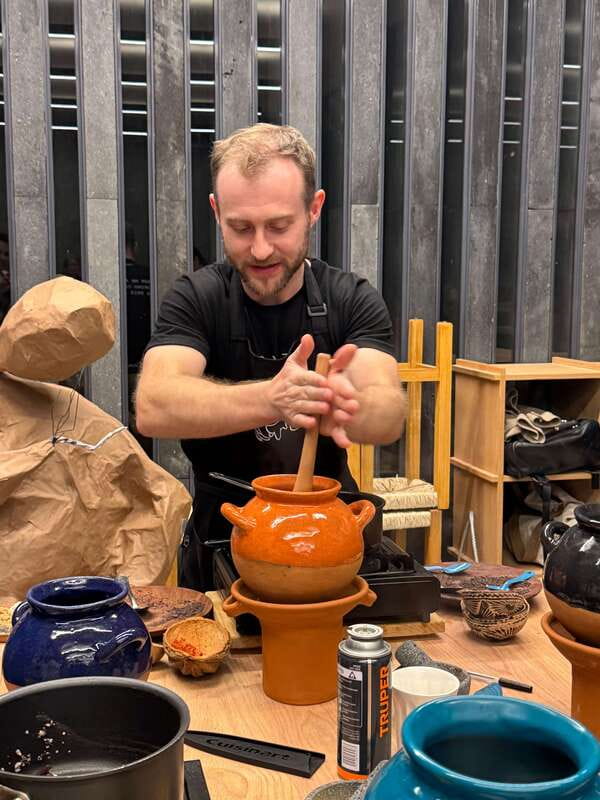
Cacao turns out to be way more than a flavor, it is a whole story you can grind by hand. This Bean to Beverage class in State of Mexico focuses on going from raw cacao to hot chocolate, using a metate the way Aztecs and Mayans did, then letting you experiment with traditional ingredients like chile and achiote. You also get a relaxed, homey setting in Condesa, where Jim guides the process and keeps it friendly for all ages.
I especially like the hands on sequence, roasting and grinding the cacao yourself before you brew anything. I also love the creativity part, where you make a selection of hot chocolate drinks from scratch, then enrich them with ingredients such as chile, achiote, and avocado leaf.
One thing to plan around: the building has no elevator, and there are two cats in the house, so allergy sufferers and anyone relying on step free access should think ahead.
Key highlights worth planning for
- Metate grinding: You roast and grind cacao yourself, then brew from your own work.
- Six drink options: You prepare enough to try multiple variations, not just one cup.
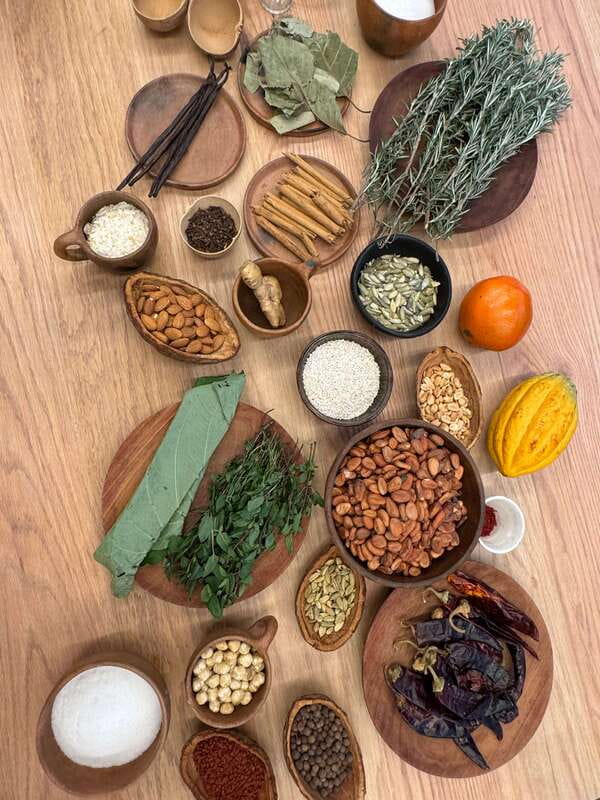
- Mesoamerican ingredients: Expect flavors built with chile, achiote, and avocado leaf.
- Jim as host: Jim brings clear explanations and a warm, practical pace for families.
- Tasting table setup: You finish by enjoying your creations at a table with artisanal serveware plus dessert.
- Dietary awareness: You can email dietary needs ahead of time, with most accommodations possible, though strict Kosher is not available.
Open another museum door in the capital
- CDMX: Xochimilco, Coyoacan, Frida Kahlo Museum & Murals Tour
★ 4.4 · 3,025 reviews - Chapultepec Castle & Anthropology Museum Tour
★ 4.5 · 1,348 reviews - Frida Kahlo VIP [Museum Tickets Included] Bike, Markets & Churros
★ 5.0 · 1,072 reviews - Anthropology Museum Guided Tour
★ 4.5 · 1,035 reviews
Condesa cacao class, led by Jim and set in a real home
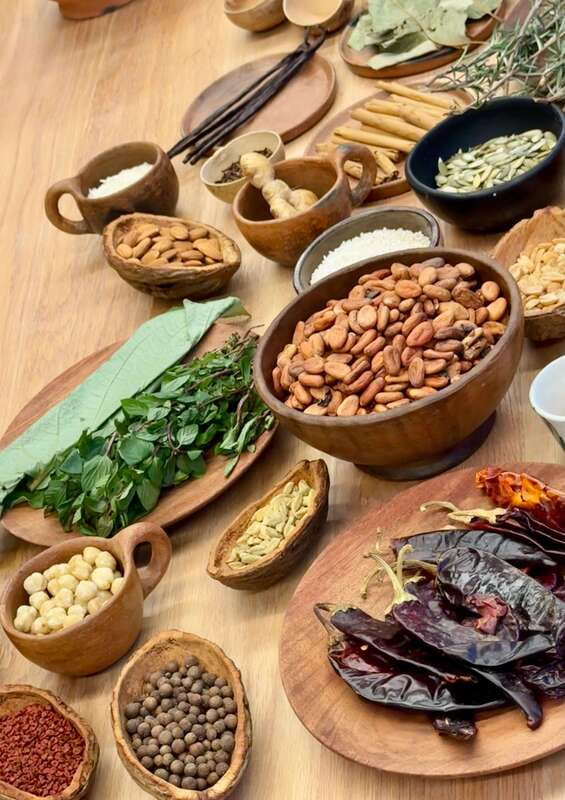
The vibe here matters. Instead of a big commercial kitchen, the workshop happens at a chef guided home in Condesa, which makes the whole thing feel calm and personal. You start by learning, but you are not stuck watching for long. The room setup makes it easy to ask questions, and you move from cacao history into apron time without the usual tour bus feel.
Jim runs the class, and that shows in how the steps are taught. You are guided through what you are doing and why, not just told to follow directions. Several families noted that the class works well with kids, including ages as young as 8, and that is usually a sign that instructions are paced well and the explanations stay understandable.
Also, this is a language friendly class. Instruction is offered in English and Spanish, so you can pick what is comfortable.
Practical note: the meeting point can vary depending on what option you book, so check your confirmation details closely.
Roasting and grinding cacao like the Aztecs, one step at a time
The core of this experience is the bean to beverage method. You do not just show up for a finished cup. You begin with cacao and work through the transformation process, including roasting and grinding.
Roasting is the part where your senses really wake up. The cacao changes as it heats, and you get a feel for what the beans become before they ever reach the brewing stage. Then comes grinding on a metate, which is one of those things that sounds simple until you actually try it. It slows you down in a good way, and it connects you to the process instead of skipping to the result.
What I like about this approach is that it gives you practical respect for the final drink. When you grind and brew your own cacao, you understand why texture, roast, and ingredient choices matter. You also get to ask questions in the moment, instead of trying to remember cacao facts later.
Another perk: the class is framed with the history of cacao in the Mayan world and then the Aztec tradition of grinding cacao for hot chocolate. That context keeps the hands on work from feeling random. You are not just making chocolate, you are learning why these methods became meaningful.
If you enjoy food workshops that focus on method and not just tasting, you will likely appreciate how structured the process is.
Your six hot chocolate drinks, built from cacao plus ancient ingredients
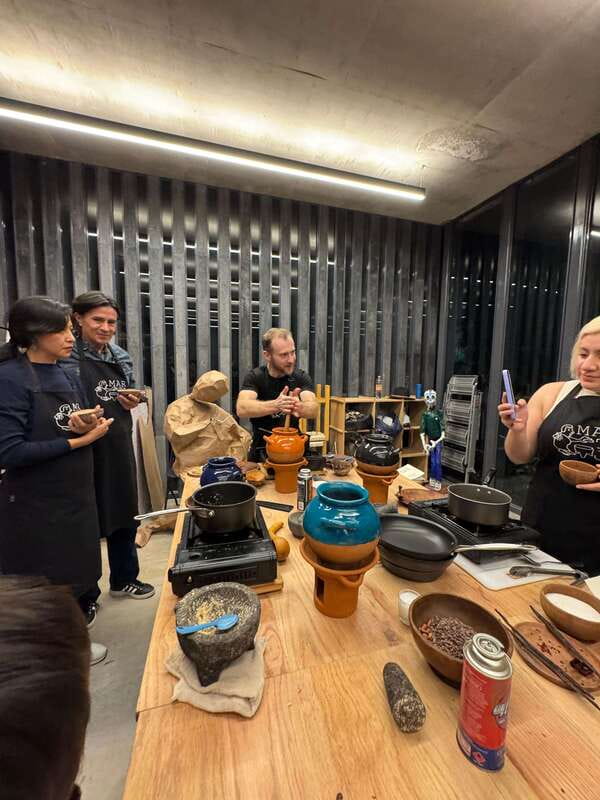
After the cacao groundwork, the class becomes more playful. You get creative and build your own hot chocolate using a range of Mesoamerican ingredients.
The workshop includes ingredients to prepare six different hot chocolate drinks. That is a big deal because it gives you variety without making you bring home a pantry full of experiments. You get enough different combinations to learn what you like, and to taste how each ingredient changes the character of the drink.
From the ingredient list, the standouts include chile, achiote, and avocado leaf. Each one shifts the cup in a different direction.
- Chile adds heat and a deeper spice note, so you learn how hot chocolate can be more than sweet and cocoa forward.
- Achiote brings a warm color and flavor that feels earthy and fragrant rather than purely sugary.
- Avocado leaf contributes a more herbal, green aroma that can make the drink feel lighter even when it is still rich.
Jim encourages combinations, so you are not just following one recipe. You are experimenting with the way ingredients layer. That is why this class works for both adventurous eaters and more cautious people. If you want gentle flavor, you can steer your choices. If you want bold, you can build toward it.
One more useful detail: the class ends with you enjoying your unique creations, not collecting them like lab samples. That matters. It is food, not a worksheet.
Keep these Mexico City options within reach:
- Mexico City: MUCHO Museum of Chocolate Entrance Ticket★ 4.6 · 91 reviews
- Cacao Chronicles: A Mexican Chocolate Tasting★ 5.0 · 14 reviews
- Magic Teotihuacan and Chocolate★ 5.0 · 4 reviews
What the history lesson gives you, beyond trivia
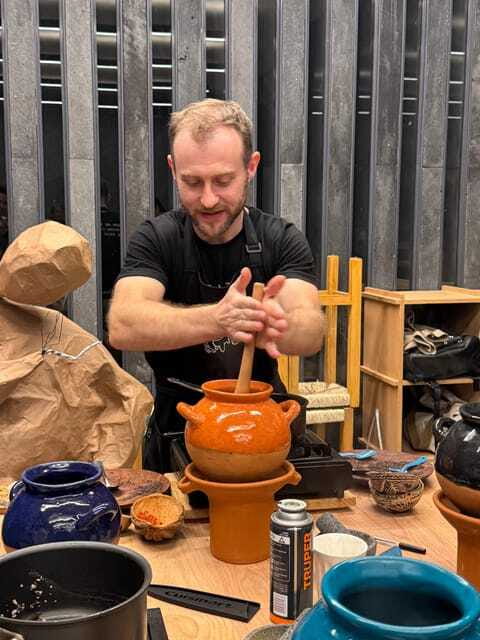
A chocolate workshop can easily become either all technique or all storytelling. Here, you get both, and the history part feels connected to the drink you are making.
You learn about the fascinating history of cacao as the Mayan world’s prized foodstuff. Then you learn about the Aztecs and how they used cacao as part of their hot chocolate tradition, including grinding their own cacao beans. The takeaway is not just knowing that cacao was important. It is understanding that people treated cacao as a craft and a cultural ingredient, not just a sweet treat.
This matters because it helps you taste with intention. When you are adding chile or achiote, you are not guessing. You are thinking like a cook: what does this ingredient do, and why would a traditional pantry have used it?
Some additional color comes through in how Jim frames flavor choices, including the role of spices and sugar to enhance the beverage. That blend of old ingredients with the reality of changing tastes is useful context, especially if you have only ever met chocolate in a modern, candy bar way.
The overall result: the history stops being trivia and becomes a tasting guide.
The final table moment, plus dessert that rounds it out
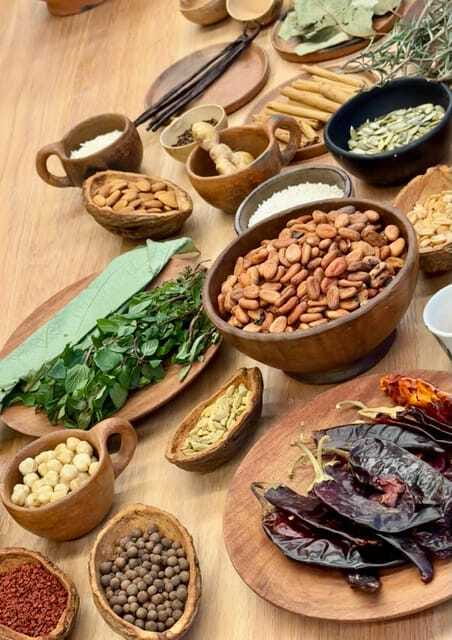
At the end, you get to enjoy what you made. Your drinks are served at a table laid with artisanal serveware, which helps the whole thing feel like a proper tasting instead of a quick sip and walk away.
The class also includes a dessert to accompany your beverage. That pairing is a practical way to end. It gives you contrast, and it lets you keep tasting without overloading your palate.
I also like that the tasting part is part of the experience flow. You are not leaving right after the cooking and grinding. You settle in, try your variations, and enjoy the payoff of the work you did with your own hands.
If you like food classes that end with a satisfying sit down meal, this one likely hits the mark.
Price and value for a 3 hour cacao-to-cup workshop
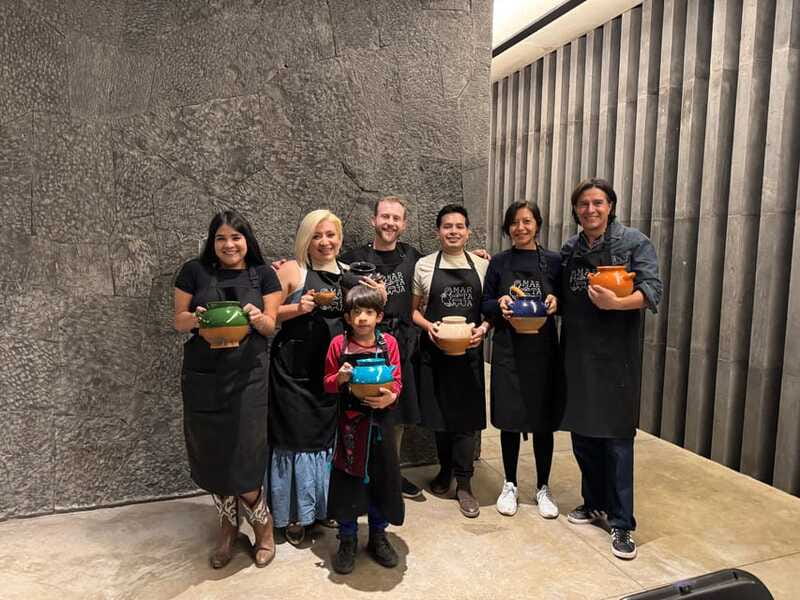
At $115 per person for a 3 hour session, the value depends on what you want out of a cooking class.
Here is why it is arguably worth it:
- You are doing more than tasting. You are roasting, grinding, and building drinks from scratch.
- You get ingredients to prepare six different hot chocolate drinks, so you are not paying just for one cup.
- You also get dessert, plus you get a guided learning component about cacao and Mesoamerican uses.
If you typically spend money on tastings only, this can feel like a better deal because you leave with skills and a clear understanding of process. If you only want a quick snack, you might feel it is too long. But if you enjoy hands on workshops and want to taste several variations, the structure supports that goal.
Another small value factor: the class is offered as private or small groups, so it is easier to ask questions and get personal attention compared to a large group setup.
Who should book Bean to Beverage, and who should plan carefully
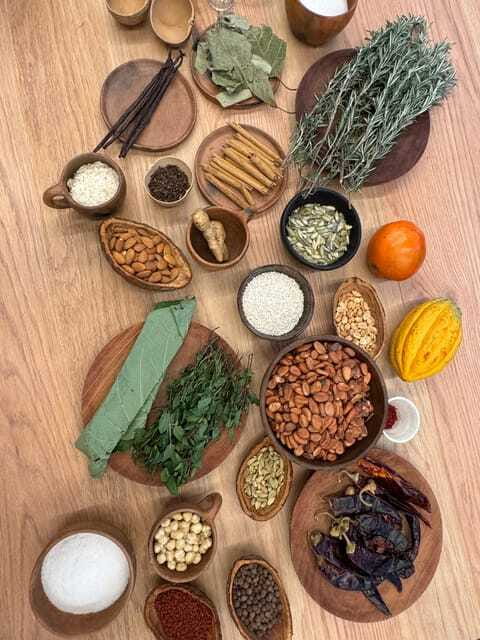
This is a strong fit for families and mixed age groups. A big reason: the pace and format are interactive, and kids can join in, including younger ones. If your group includes teens, they tend to like the hands on craft and the chance to customize flavors.
It also suits food lovers who want something authentic but not overly intense. You are learning cultural context and technique, but the atmosphere stays relaxed and homely.
Two practical considerations to keep in mind:
- No elevator: Wheelchair users have enjoyed the class before, but the building does not have an elevator. If step free access is essential, ask in advance.
- Cats in the house: Allergy sufferers should know there are two cats. The cooking area is kept separate, and allergy pills are available for guests who need them, but it is still smart to plan.
Dietary requirements are handled with care. After booking, you will likely be asked about dietary needs by email, and most needs can be accommodated. The one stated limitation is strict Kosher, which is not possible.
If you are traveling with a food focused itinerary, this is also a good way to get a memorable workshop day without needing a full cooking day of multiple dishes. Hot chocolate can sound simple until you make it from beans and then test spiced variations.
Should you book this cacao workshop?
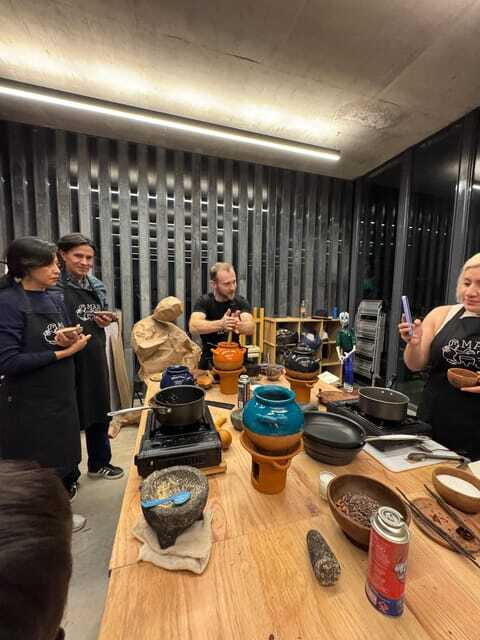
If you want an experience that mixes history with real technique, I think you should book it. This is not a generic hot chocolate tasting. You roast and grind cacao yourself, then build multiple drinks with ingredients like chile, achiote, and avocado leaf, and you finish by actually enjoying your creations at the table with dessert.
Choose it if you like hands on classes, want something that works for families, or are curious about why cacao became such an important food in the Mayan and Aztec worlds.
Skip it, or at least ask questions first, if step free access is required, or if cat allergies are a serious issue for you.
FAQ
How long is the Bean to Beverage workshop?
The duration is 3 hours.
What is included in the class?
All ingredients to prepare six different hot chocolate drinks are included, and there is a dessert to accompany your beverage.
Do I make multiple hot chocolate drinks?
Yes. The class includes ingredients for six different hot chocolate drinks, and you make a selection of them from scratch.
What languages are offered during the workshop?
The instructor provides the experience in English and Spanish.
Can the class accommodate dietary requirements?
After booking, the organizers contact you to ask about dietary requirements. Most can be accommodated, but strict Kosher is not possible.
Is the class wheelchair accessible, and are there pets?
Wheelchair users have enjoyed the class before, but the building does not have an elevator. Also, there are two cats in the house, so allergy sufferers should take that into account.
More Dessert Tours in Mexico City
More Tour Reviews in Mexico City
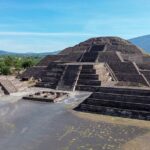

Museums and Galleries for the Next Afternoon
More Mexico City plans worth opening
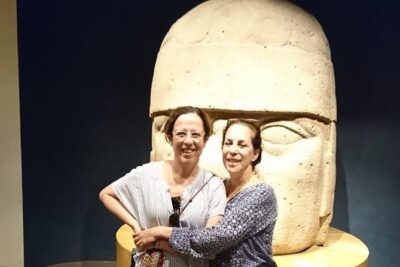
Mexico City Museums & Galleries for the next day.
 ★ 4.4Xochimilco, Coyoacan, Frida Kahlo Museum & Murals TourFrom $893,025 reviews
 ★ 4.5Chapultepec Castle & Anthropology Museum TourFrom $791,348 reviews
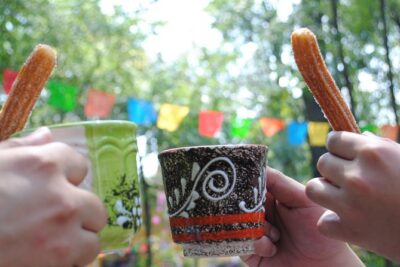 ★ 5.0Frida Kahlo VIP [Museum Tickets Included] Bike, Markets & ChurrosFrom $831,072 reviews
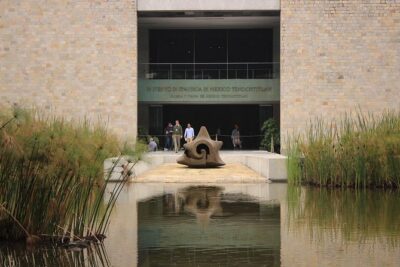 ★ 4.5Anthropology Museum Guided TourFrom $391,035 reviews
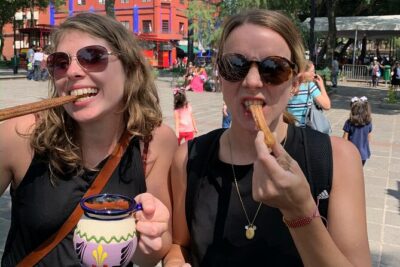 ★ 5.0Frida Kahlo VIP [Museum Tickets Included] Walk, Markets & ChurrosFrom $83982 reviews
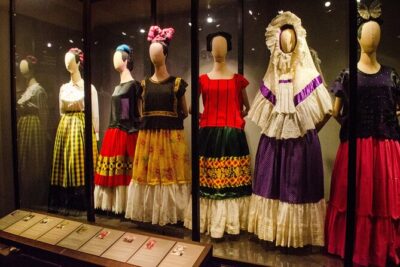 ★ 5.0EXCLUSIVE TOUR Frida Kahlo Museum – SMALL GROUPSFrom $86901 reviews
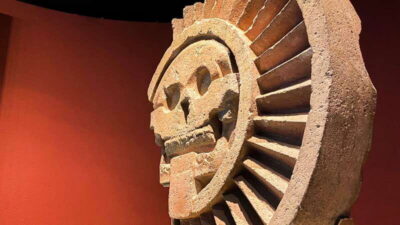 ★ 4.4Anthropology Museum Guided VisitFrom $67708 reviews
 ★ 4.5Frida Kahlo Museum Entry Ticket w/Digital GuideFrom $34683 reviews
This review also appears in