
REVIEW · VOLCANO HIKES & NEVADO DE TOLUCA
Mountaineering Iztaccihuatl (5220m)
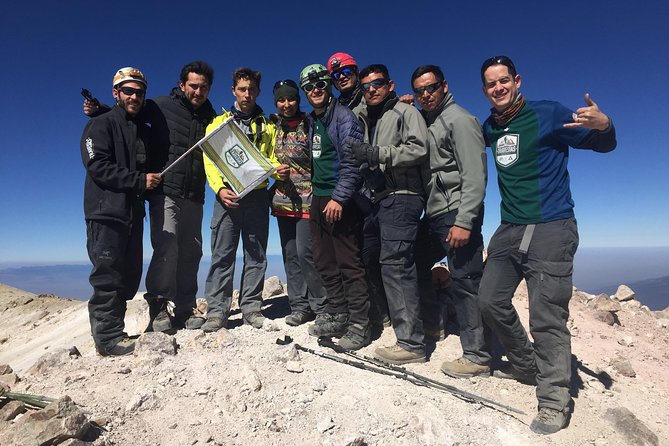
Two days, one big mountain challenge. I like how this trip combines Altzomoni refuge acclimatization with a serious summit goal, and I love the payoff of high-altitude views toward Popocatepetl. The main thing to consider is the early grind, with a 2:00 am start that demands good fitness and an open mind for cold, dark hours.
This is a small-group climb, capped at 10 people, with English-speaking guidance and private transportation from Mexico City. You base out of the Iztaccihuatl and Popocatepetl National Park area, register at Paso de Cortes, then follow a set plan that builds you up for the top without wasting your daylight.
You should only book this if you are truly comfortable with mountaineering basics and the altitude game. It is not aimed at casual hikers, and it is also not recommended for kids under 14.
Key things I’d plan around
- Altzomoni refuge stay plus an acclimatization ascent, not just a straight push
- Summit day timing: up at 2:00 am, summit around 12:00 pm
- Safety kit included: helmet, lamp, crampons, and ice ax
- Small group size (max 10) with private transportation
- Post-climb reset in Amecameca with a traditional meal
Choose another high trail beyond the city
- Nevado De Toluca: Reach the Summit with Professionals
★ 4.8 · 250 reviews - Iztaccihuatl Volcano Hike with an Alpinist
★ 4.0 · 244 reviews - Mexico City: Guided Volcano Trek with Lunch
★ 4.7 · 242 reviews - From Mexico City: Hike Iztaccihuatl Volcano with an Alpinist
★ 4.3 · 155 reviews
Iztaccihuatl mountaineering, and why 5,220m feels so serious
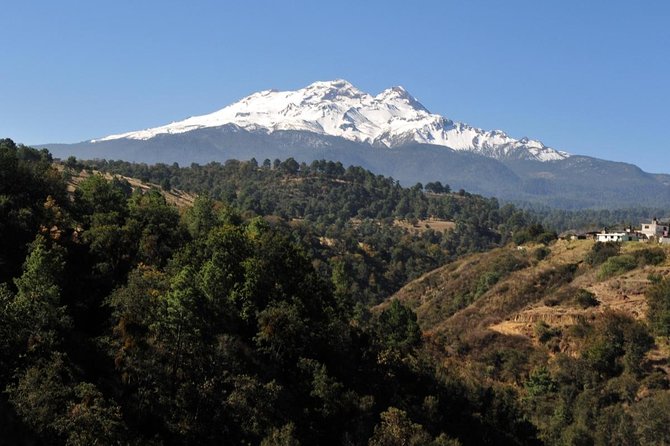
Iztaccihuatl, at 5,220m, is one of Mexico’s defining big-mountain objectives, and this climb is built around that reality. The trip also targets the summit area of a mountain within Iztaccihuatl and Popocatepetl National Park, with views that can include Popocatepetl, a nearby active volcano. That combination of meaning, altitude, and scenery is the real hook.
What makes this approach practical is the way it paces you. Instead of showing up and going straight for the top, you spend the first day getting set up, then do an acclimatization ascent toward the first gate. That matters because altitude is not a switch you flip, it is a gradual process your body has to work through.
The other reason I like this plan: it is explicit about what you need. Strong physical fitness is required, and you should expect mountaineering conditions where crampons and an ice ax are part of the standard kit. If you know you get anxious at night, or you hate early starts, this is still doable, but you need to accept that the day begins in the dark.
Day 1 from Paso de Cortes to the Altzomoni refuge
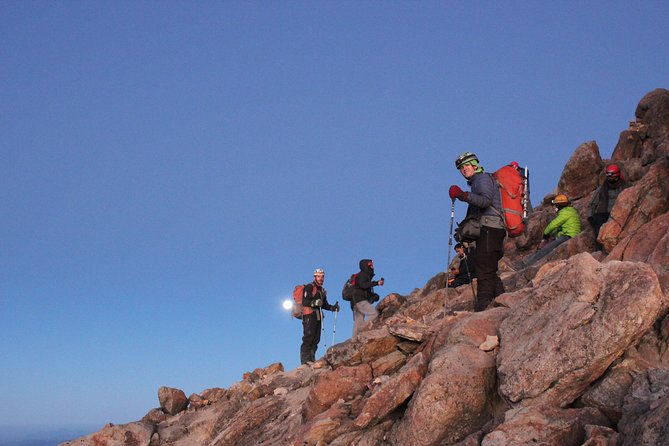
Day 1 starts with a move out of Mexico City toward Paso de Cortes, where you register. It may sound small, but registration is one of those steps that keeps the operation smooth later, especially when you are coordinating timing, gear, and a group of up to 10 people.
After registration, the plan takes you to the Altzomoni refuge. This is where the trip starts to feel like a real mountaineering outing rather than a hike on a schedule. Refuge time is also useful because it gives your body a chance to settle into the altitude before you do anything ambitious.
You then get an acclimatization ascent toward the first gate and return to the refuge for dinner and early rest. I like this rhythm because it avoids the common mistake of spending Day 1 going too hard, too fast. You still get “work” in, but you also leave room for sleep, which you will want for the summit day.
The drawback is also inherent to the first day. If you are not used to being active at high altitude, the acclimatization climb can feel like a lot, even though it is not the full summit push. Treat it as training, not a victory lap.
Acclimatization toward the first gate, the smart middle step
The acclimatization ascent toward the first gate is there for a reason: it teaches your body how to work at height. Even if you are fit, altitude changes breathing and effort, and it can turn an otherwise normal ascent into something you feel in your lungs and legs.
This step also helps you understand the pace you will need on summit day. You learn what “steady and controlled” feels like when the air is thin, and you get a preview of how long you might be moving while your head is constantly adjusting.
Another practical benefit is psychological. Doing something uphill on Day 1 makes Day 2 less scary, because you have already experienced the mountain’s rhythm. If you handle that well, you will be less likely to blow up on summit morning simply because the first big push came out of nowhere.
Just be honest with yourself here. If you go out too fast on acclimatization day, you will pay for it later. This trip is successful when you respect the plan and treat the first gate as a tool, not a test.
- Teotihuacan, Guadalupe Shrine & Tlatelolco Day Tour with Lunch★ 5.0 · 11,603 reviews
- Xochimilco, Coyoacan and Frida Kahlo with Optional Lunch★ 4.5 · 7,320 reviews
- Teotihuacan pyramids morning or afternoon without tourist traps★ 5.0 · 6,186 reviews
- Teotihuacan Early Access Guided Tour with optional Lunch★ 4.5 · 6,138 reviews
- Mexico City: Teotihuacan, Tlatelolco & Guadalupe Shrine Tour★ 4.6 · 3,773 reviews
Summit morning at 2:00 am, reaching the top by noon
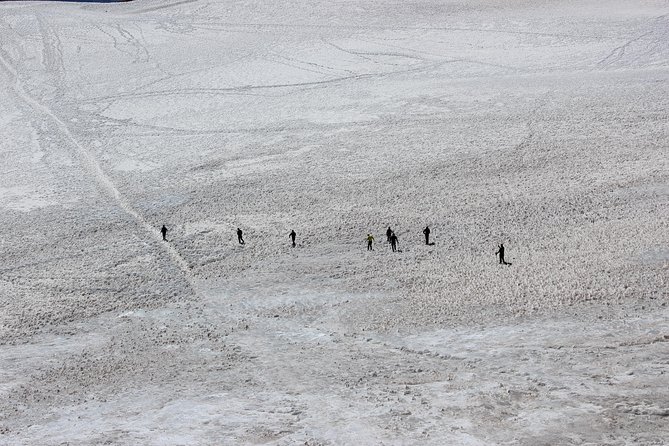
Here is the part of the trip that shapes everything else: you get up at 2:00 am. That is not a cute early start. It is the kind of timing that turns preparation into the difference between a calm climb and a stressful one.
From there, the schedule aims for a summit around 12:00 pm. That long middle stretch is why having the right kit matters. You are moving in early darkness and cold, and the included gear list supports that reality: helmet and lamp are part of the safety set, and crampons plus an ice ax are there for traction and support in mountaineering conditions.
What I like about the timing is that it builds in a big view moment without rushing you. You spend time at the top, then you head back down. You are not stuck there for hours, and you are not expected to treat the summit as a quick selfie stop.
The main consideration is energy management. Midnight and early morning movement can feel deceptively hard. You will want a steady pace, focus on breathing, and avoid the urge to sprint just because you are “almost there.”
The descent and the truck to Amecameca
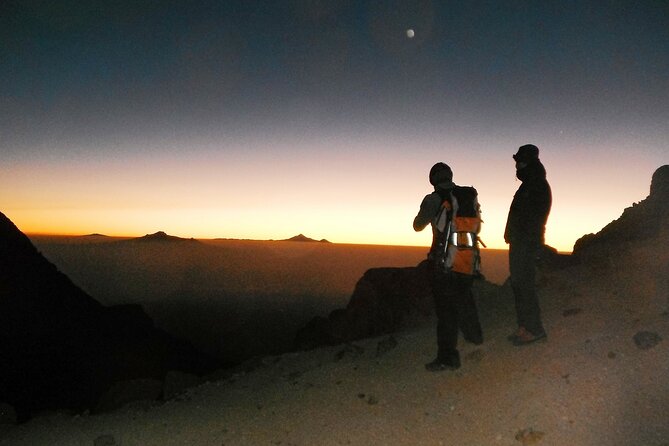
After the view moment at the summit, the itinerary has you return to the truck. That matters more than people think. A guided descent can be slow and careful, and having a planned transition back to a vehicle helps you recover sooner rather than spending extra time figuring out logistics.
Then you go to Amecameca for a delicious traditional meal of the region. This is a classic mountain-travel move, and I value it: you climb hard, then you shift your day toward warmth, food, and conversation. It turns the experience into something you can actually enjoy, not just survive.
It also gives you a satisfying bookend. The summit is the peak moment, but the meal is how you remember the day afterward. You leave with a story that includes both the effort and the reward.
Safety gear included: helmet, lamp, crampons, ice ax
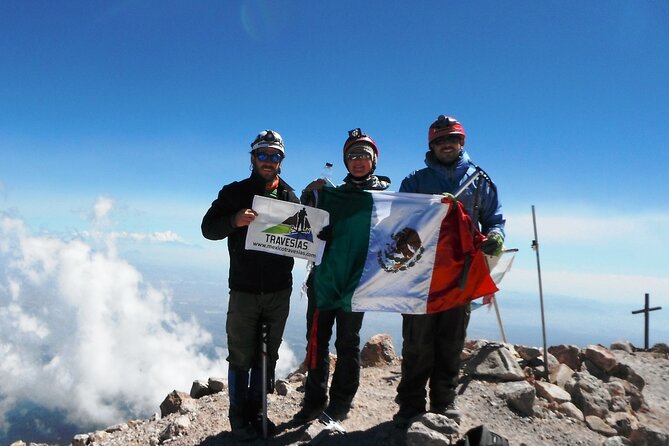
One of the strongest value points here is that the tour includes core mountaineering safety gear: helmet, lamp, crampons, and ice ax. For a 5,220m climb, gear and safety are not optional add-ons, and it is reassuring when the basics are handled for you.
This does not automatically mean you are fully hands-off. You still need to be prepared in your own way, especially with clothing and personal comfort items that are not listed as included. Before you go, I’d confirm what you must bring versus what they provide, because the line between “gear included” and “bring your own layers” is where last-minute stress usually shows up.
What I also like: including a lamp signals a specific expectation about early timing. If you have ever tried to do anything technical before sunrise, you know a working light matters for safe movement.
And since the group is small (max 10), you usually get more consistent attention around gear use. That helps if you are still learning the feel of crampons and how to hold an ice ax comfortably in a controlled way.
Meals, timing, and why the food plan helps at altitude
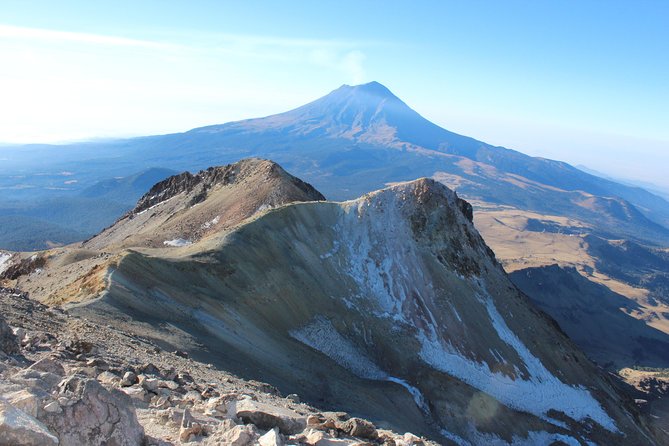
Food is a big part of how this kind of climb feels. This trip includes breakfast, dinner, and lunches across the two days. On summit day, breakfast matters because you are starting at 2:00 am, so you need fuel before you are fully awake.
Dinner on Day 1 also matters because early rest is part of the plan. When you have a normal schedule, food is just comfort. Here, meals affect sleep quality and energy reserves.
The itinerary even includes a traditional meal in Amecameca after the descent. That is not just a nice touch. It helps you recover and enjoy the last part of the day without feeling like you need to hunt for food while you are worn out.
Alcoholic beverages are not included, which is standard for this kind of trip and honestly a good thing. You will be safer and more comfortable keeping your focus on rest and hydration after big exertion.
Price of $579.45, what you are really paying for
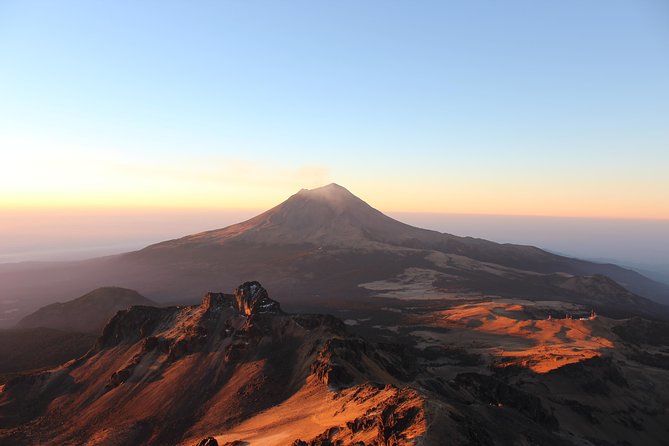
At $579.45 per person for about two days, this climb is not cheap, but it is not just a ticket to a mountain either. You are paying for a guided mountaineering operation that includes safety gear, meals, and private transportation from Mexico City.
Here is how I think about value on trips like this:
- You get equipment you would otherwise need to rent or buy (helmet, lamp, crampons, ice ax).
- You get a structured plan: registration, refuge logistics, acclimatization, early wake-up timing, and a post-summit meal.
- You get small-group guidance, up to 10 people, plus English service.
If you tried to build this yourself, the cost often shifts into rental gear, transportation, and the headache of scheduling permits and timing. Even when a DIY plan looks cheaper on paper, it can get expensive fast once you price the real work.
So for me, the value depends on one question: are you ready to climb, but you want the operation to handle the risky parts? If yes, this price starts to make sense.
If you are not sure about your fitness or comfort with technical gear, you may be better off doing a different stepping-stone activity first. The mountain does not care about good intentions.
Guides, small group size, and the human side of the climb
The operation is run by México Travesías, and the climb has strong praise for its leadership. In particular, people highlight Bernardo and describe the operation as well-run over two days on Iztaccihuatl. That kind of consistent support is more important than it sounds on a summit trip.
Small group size, max 10 travelers, also changes the experience. You tend to get clearer pacing, more attention to safety moments, and less chaos than on bigger groups. When a climb starts at 2:00 am, that matters, because small delays become big stress quickly.
English is supported, which is crucial if you want to understand safety instructions clearly. Technical mountaineering works best when you can ask questions and get straightforward answers.
Who should book this, and who should skip it
This trip is best for adults with strong physical fitness who want a true mountaineering objective. If you already handle high-altitude hikes and you are comfortable with crampons and an ice ax, you are in the right zone.
It is not recommended for children under 14. That is a clear suitability line, and you should respect it. High-altitude and technical gear requirements do not pair well with kids who cannot reliably communicate discomfort or follow pace guidance.
If you have never used crampons or carried an ice ax, consider whether you can learn quickly and calmly. The tour includes safety gear, but learning technique takes attention, and attention takes energy when you are tired at altitude.
Also think about your sleep tolerance. The early wake-up on Day 2 is non-negotiable in the plan. If you struggle with jet lag, sleep in an unfamiliar setting, or panic with darkness, you should plan extra hard.
Practical tips for making the most of your two days
You will get the safety kit, but you still control a lot of your outcome. Here are practical things you can do to tilt the trip toward success.
- Pace on Day 1: the acclimatization ascent is not a race, it is training for summit day.
- Sleep early on Day 1: the plan calls for early rest, so treat that as part of the climb.
- Plan for a 2:00 am morning: night movement feels different, so have a simple routine and keep your focus on steady breathing.
- Confirm personal gear needs: the tour lists safety equipment and meals, so check what clothing or personal items you must bring.
If you handle those basics, you give yourself the best chance to enjoy the summit view rather than just endure the effort.
Should you book this Iztaccihuatl mountaineering trip?
I’d book this if you want a guided climb that mixes acclimatization at Altzomoni refuge with a realistic summit push and a clear post-summit plan. The included safety equipment, plus meals and private transport, makes it easier to take the mountain seriously without turning your trip into gear homework.
Skip it, or delay it, if you are not ready for strong physical effort or you know you cannot handle early morning starts. This climb is for people who take altitude seriously, and who are okay following a tight safety-first structure.
If your goal is a high-altitude achievement on Iztaccihuatl with strong leadership and small-group support, this is the kind of itinerary that makes that goal feel reachable.
FAQ
How long is the Iztaccihuatl mountaineering experience?
It is listed as about 2 days.
How much does the tour cost?
The price is $579.45 per person.
Where do you meet in Mexico City?
You meet at Av. Vicente Suárez 38, Colonia Condesa, Cuauhtémoc, 06170 Ciudad de México, CDMX, Mexico.
How many people are in the group?
The maximum group size is 10 travelers.
Is the tour offered in English?
Yes, it is offered in English.
What safety equipment is included?
Helmet, lamp, crampons, and ice ax are included.
What meals are included?
Meals included are breakfast and lunches, plus dinner.
Are alcoholic beverages included?
No, alcoholic beverages are not included.
When do you start summit day?
You start the summit day at 2:00 am.
What is the cancellation policy?
You can cancel for a full refund up to 24 hours in advance. If it is canceled due to poor weather, you will be offered a different date or a full refund.
More Tour Reviews in Mexico City
High Trails Beyond Mexico City
More Mexico City plans worth opening

Volcano Hikes & Nevado de Toluca for the next day.
 ★ 4.8Nevado De Toluca: Reach the Summit with ProfessionalsFrom $162250 reviews
 ★ 4.0Iztaccihuatl Volcano Hike with an AlpinistFrom $139244 reviews
 ★ 4.7Guided Volcano Trek with LunchFrom $105242 reviews
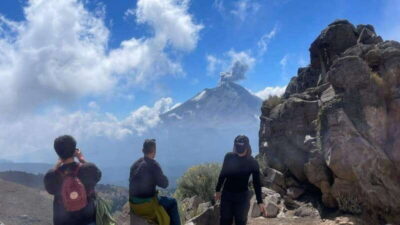 ★ 4.3From Mexico City: Hike Iztaccihuatl Volcano with an AlpinistFrom $168155 reviews
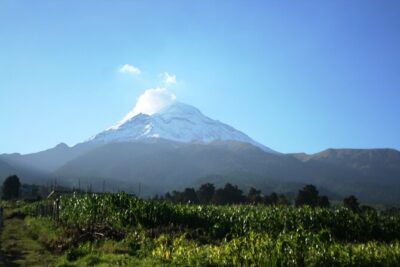 ★ 5.0Trekking Through The VolcanoesFrom $13396 reviews
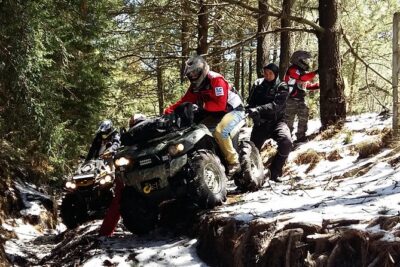 ★ 5.02 Volcanos – Special 2 pax, 3 -4 hr ride. Reserve Only 1 paxFrom $50081 reviews
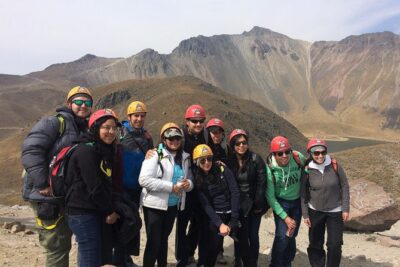 ★ 5.0Mountaineering to the Nevado de Toluca (altitude 4680m)From $16678 reviews
 ★ 5.0Hike at Nevado de Toluca VolcanoFrom $10569 reviews
This review also appears in