
REVIEW · WALKING TOURS
Mexico City Walking Tour
Big lessons start in the Zócalo. This Mexico City walking tour connects the city’s main landmarks in a smart, 3-hour loop, so you get the big picture of how the center changed over time. I especially like the stop-by-stop focus on Tenochtitlan-era context, from Zócalo and Templo Mayor through Catedral Metropolitana and Palacio Nacional.
I also like the human touches: the guide, Orlando, keeps explanations easy to follow and helps with photos using your phone. The one drawback to plan for is that it is still a walking tour, so if you are heat-sensitive or have limited stamina, you will want to pace yourself and bring what you need.
Key highlights worth planning around
- Orlando leads the walk with clear, engaging explanations and photo help using your phone
- Free-admission stops are built into the route at every major landmark
- Centro Histórico route flow takes you from politics and religion to art and public space
- A private experience in English means you can ask questions as you go
- Alameda Central adds a reset moment near the end of the walk
- Moderate fitness helps since you will be on your feet for about 3 hours
Keep exploring Mexico City at street level
- Historic Downtown Walking Tour
★ 5.0 · 1,289 reviews - Mexico City: Historic Downtown Walking Tour
★ 4.8 · 1,039 reviews - Frida Kahlo VIP [Museum Tickets Included] Walk, Markets & Churros
★ 5.0 · 982 reviews - Walking Tour of the Historic Center of Mexico City
★ 5.0 · 870 reviews
Why this 3-hour Centro Histórico loop works
A walking tour sounds simple until you hit Mexico City traffic, long museum lines, and the confusion of too many “must-sees” in one day. This route solves that by keeping you inside the Centro Histórico core, where you can actually connect the dots.
For me, the best part is that it is not just a list of famous places. The order matters, because you move through the center in a way that makes political power, religious change, and later cultural life easier to understand without feeling rushed. You start at the big square, then sweep through the landmark belt that tells the story of Mexico City’s layers.
At $14.87 per person for about 3 hours, the value comes from more than the low price. You are paying for a guided framework that turns scattered monuments into a single, readable experience. And because the sights on the itinerary are marked as free admission, you are not adding extra entry costs on top.
Start at Zócalo, the city’s main time machine
Your meeting point is at Plaza de la Constitución in the Centro Histórico, right at the Zócalo. This is where the tour makes a smart move: it begins with the place everyone sees first, then explains how it evolved and why it matters.
The Zócalo stop is short, about 20 minutes, but it sets the tone. If you arrive with only photos in your head, you will leave with a clearer sense of how the center functions as a public stage. It is also a great place to get your bearings fast because so many streets and landmarks radiate from here.
Practical tip: wear sunscreen and keep an eye on your footing around the square. This is a high-activity area, and you will likely spend more time standing and regrouping than you expect.
Templo Mayor, Mexica context without museum overload
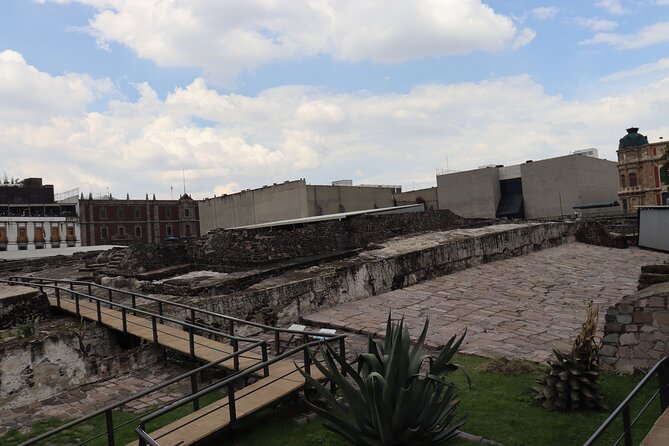
Next you head to Museo del Templo Mayor, which is set up for a quick “glance at the past” of Mexica culture. You get about 20 minutes here, so think of it as context-building rather than a deep, slow museum day.
Why this works on a walking tour: it gives you a baseline before you move into colonial-era monuments. Without that, Cathedral and government buildings can feel like isolated architecture. With it, they start to read like part of a longer story.
The only downside is also obvious: 20 minutes is not enough to absorb everything. But that is not the goal. The goal is to make your next stops make sense, and then let the guide connect the themes as you walk.
Take a wider circuit through Mexico City
- Mexico City: Teotihuacan, Tlatelolco & Guadalupe Shrine Tour★ 4.6 · 3,773 reviews
- Teotihuacan Hot Air Balloon Flight from Mexico City / Volare★ 5.0 · 3,262 reviews
- Teotihuacan Private Tour from Mexico City★ 5.0 · 1,890 reviews
- Historic Center Food Tour in Mexico City★ 5.0 · 1,263 reviews
- The best tour to Teotihuacán from Mexico City★ 5.0 · 1,236 reviews
Catedral Metropolitana and Palacio Nacional, power in stone and ceremony
From Templo Mayor, you move to Catedral Metropolitana de la Ciudad de Mexico for about 20 minutes. The tour frames it as the most important cathedral in the country, and you use that time to look at the building while the guide explains why this site carries such weight.
Then the route turns to Palacio Nacional, where the focus is political history. The itinerary calls it the main political center from Mexicas to Spaniards, and that is the thread you should listen for while you stand in front of it. Even with a short stop (about 15 minutes), you can pick up the big idea: the center is not only about buildings, it is about who held power there and how that power expressed itself.
Photo tip: if you want clean phone photos, step a little to the side before you shoot. You will have less crowd interference and fewer weird angles in the background.
Madero Avenue, the pedestrian pulse of the center
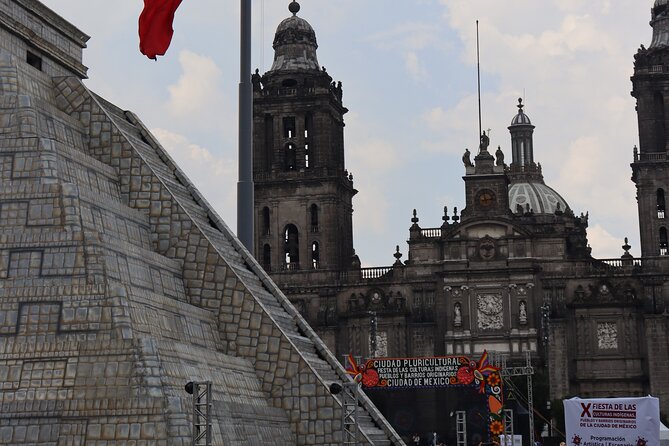
After the grand monuments, you shift to a more street-level moment at Francisco I. Madero Avenue (about 15 minutes). This is described as the main pedestrian street in Mexico City, and it is a useful contrast point.
Why I like this stop: it keeps your brain from “monument overload.” After staring at government and church landmarks, walking a busy pedestrian avenue helps you feel what the Centro Histórico actually feels like day to day.
If you are traveling with energy limits, this is also where you can slow down slightly. It is still part of the story, but you are not stuck in a single viewpoint.
El Atrio del Templo de San Francisco, religion after conquest
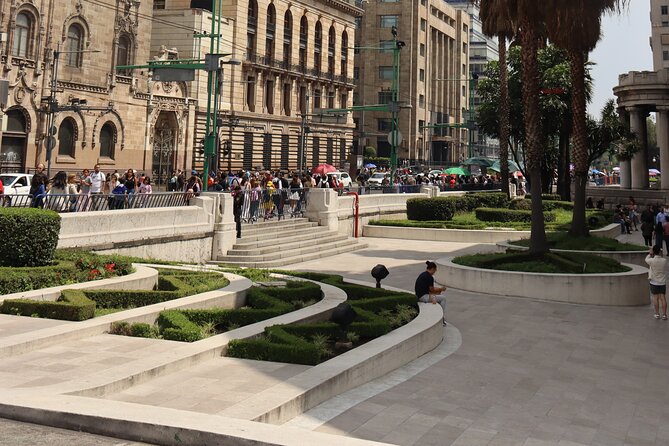
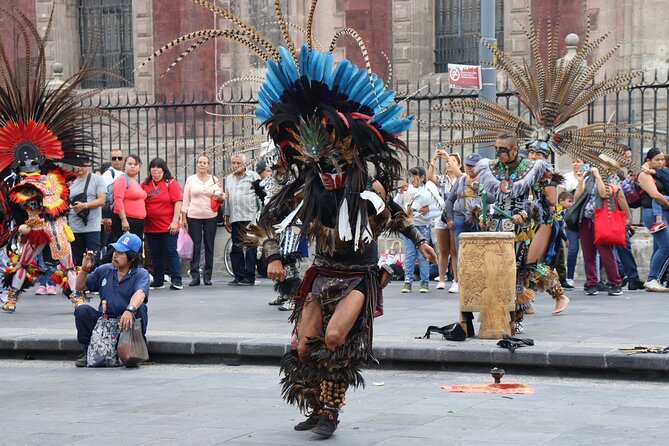
Next comes El Atrio del Templo de San Francisco, with about 20 minutes. The itinerary describes this stop as learning about the religious conquest in Mexico and the importance of Mexican culture and destiny.
That wording hints at a key benefit of a guided walk like this: you are not just seeing the place, you are getting the interpretive lens. Religious conquest is a heavy theme, and the guide’s job is to explain it in a way you can hold onto without getting buried in details.
If you tend to get overwhelmed by big topics, you will still be okay here. Orlando’s style, based on prior feedback, is engaging and easy to understand, and he is patient when you ask questions.
House of Tiles, architecture plus legends
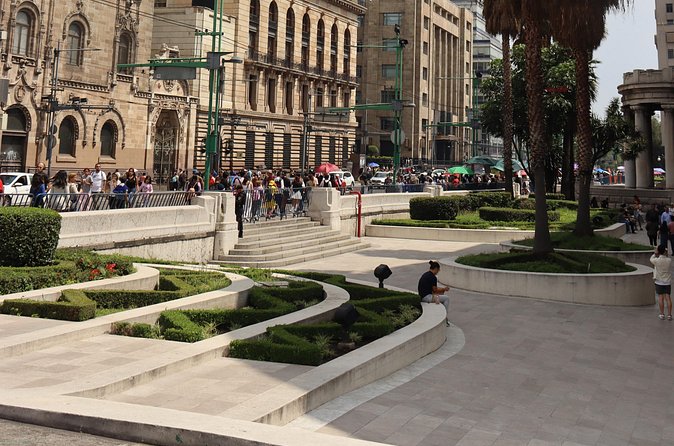
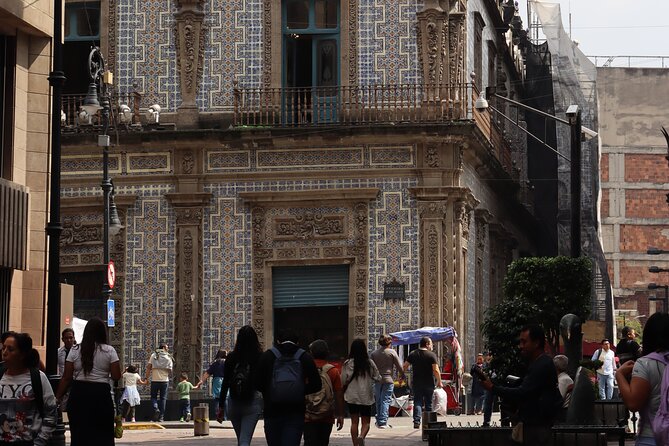
At Casa de los Azulejos, or the House of Tiles, you get about 15 minutes. This stop is described as the most iconic house in Mexico, with unique architecture and legends.
Even in a short window, it is a memorable pause because the building itself gives you something to read visually. Tiles and design details help your brain “reset” after the more conceptual stops on power and conquest themes.
Small practical note: look for the areas where the light hits the details. Phone cameras often do better when you pause and adjust your angle rather than just snapping straight-on.
Plaza Tolsa viewpoints, a square that frames multiple landmarks
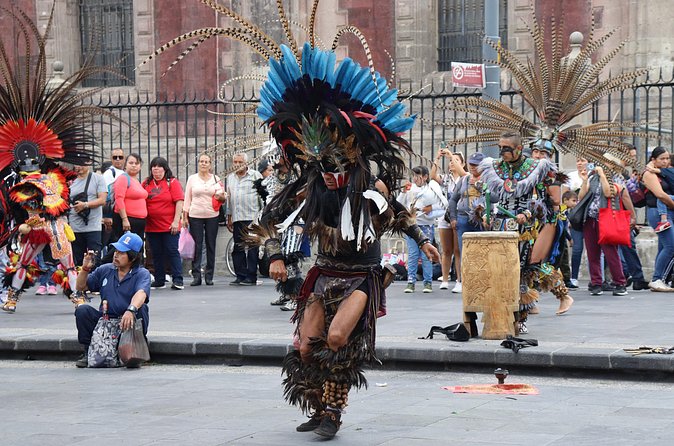
Then it is Plaza Tolsa for about 20 minutes. The itinerary calls it an emblematic square with an impressive view of Minery Palace, MUNAL, and Postal Palace, and it even mentions that this is on the oldest street in Mexico City.
What to expect: you are less focused on “one building” and more focused on the view. This is where you benefit from the guide walking you through why these buildings sit together the way they do, and how this part of the center links back to earlier themes.
This stop is also a nice one if you like photos but do not want to spend an entire afternoon hunting angles. You will get a built-in viewing moment.
Palacio de Bellas Artes, art where history keeps speaking
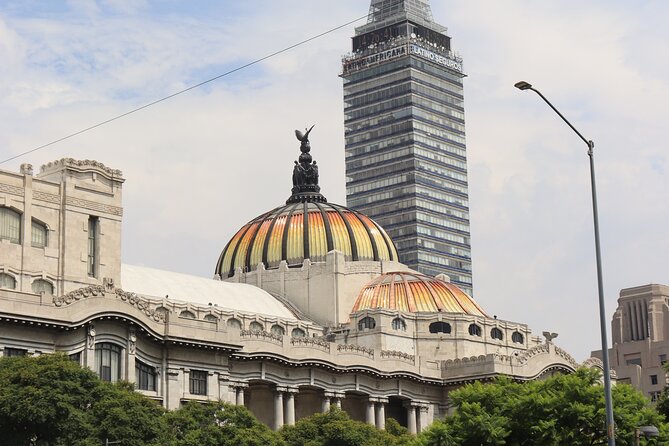
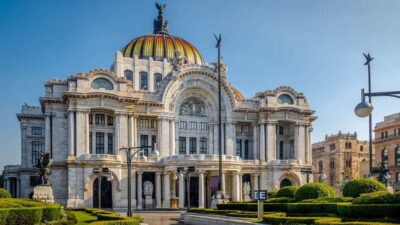
Next comes Palacio de Bellas Artes for about 20 minutes. The tour frames it as the most important center of Arts and Culture in the country. The finish point is there too, so you end the walking loop with a big, iconic site.
This is a meaningful last step for the same reason the tour begins with the Zócalo. Starting with public life, ending with arts, gives your day a shape. You are not only going through history, you are ending in the part of the story where culture becomes a public identity.
Even if you do not plan to enter any extra rooms, it is worth lingering a few minutes. The building can be a strong final backdrop for photos and a calm transition after all the walking.
Alameda Central, the oldest pause you can take
Although your endpoint is Bellas Artes, the itinerary also includes a stop at Alameda Central, about 15 minutes. It is described as the oldest public park from 1592 to nowadays.
This is the stop that often changes how people feel about the entire day. After multiple stops and lots of interpretation, Alameda Central gives you a breather. If you are traveling with sore feet, this park moment helps you end without feeling like you rushed straight from one stop to the next.
If you want one simple “do this during the walk” strategy, it is this: use Alameda Central as your recovery checkpoint. Sit for a few minutes, drink water if you brought it, and let the day sink in.
Value check: $14.87 is the price, but the guide is the product
Let’s talk money without pretending it is just about affordability. $14.87 per person for about 3 hours is unusually low for a private, English-language walking tour with a guide and included fees.
Your value comes from three places:
- You get a structured story with a guide who connects themes across different monuments
- You do not have to plan entrances at every stop since the itinerary lists free admission
- You get a private group experience, which makes it easier to ask questions and adjust pacing
One catch: it is not a “sit and watch” tour. You will walk, and you might want to treat this as a sightseeing session that also includes a light education component.
If you want Mexico City in one organized afternoon without committing to a full-day museum schedule, this is a strong match.
Orlando’s approach: clear explanations and photo support
The most repeated praise centers on Orlando. The overall pattern is simple. He is friendly, professional, and patient, and his explanations stay engaging and easy to understand.
One detail I think is genuinely useful: Orlando helps with photographs. Instead of just pointing you toward a viewpoint, he will take pictures for you using your phone. That sounds small until you realize most people end a Mexico City day with blurry selfies and half-cut landmarks. Here, you can leave with better memories and spend less time wrestling your camera.
Orlando also tends to answer questions quickly and provides suggestions for museums. That is helpful because the walking tour is only part of the day. Once you understand the big themes, you can choose museum stops with more confidence.
What to bring so the walk feels good, not long
This tour asks for moderate physical fitness. You are walking through the Centro Histórico core, which means you should plan like it is a city walk day, not a casual stroll.
Bring:
- Water if you want it during the walk. Bottled water is not included, and a sip break can keep you comfortable
- A snack if you get hungry. Lunch is not included, and the tour recommends eating breakfast before arriving
- Sun protection like sunscreen and a hat, especially if you burn easily
- Comfortable shoes with good grip for uneven sidewalks
Also check your phone battery. Since the guide may use your phone for photos, you do not want to end up at 5 percent with no backup.
Timing, weather, and keeping expectations realistic
The itinerary runs about 3 hours. That is enough time to see a lot and still keep the day moving, but it is also short enough that you will not have “extra time for everything.”
The tour also depends on good weather. If weather conditions are poor, the experience may be canceled and you will be offered a different date or a full refund.
So here is the practical move: plan your Mexico City day with some flexibility. If you are trying to cram in multiple paid activities the same day, leave a cushion.
Who this walking tour fits best
This is a great choice if you want:
- A guided path through the Centro Histórico landmarks you would otherwise see out of order
- A walk that gives context for Tenochtitlan-era connections and later changes
- An English-language guide and a private group experience
- A tour that helps you with photos, not just facts
It might be less ideal if you:
- Have trouble with extended walking
- Need long stops where you can linger without moving onward
- Prefer to spend more time inside museums rather than learning through short, landmark-based stops
Should you book it?
If you want a fast, organized way to understand Mexico City’s center, I would book this. The route makes sense, the stops are varied, and the inclusion of free admission at each stop helps you control costs.
The biggest reason to choose it is the combination of structure and people. You get a story that connects Zócalo, Templo Mayor, major churches and palaces, then finishes at Bellas Artes, with Alameda Central as your breathing point. Add Orlando’s patient, engaging style and photo help using your phone, and you end up with more than just pictures. You leave with a cleaner mental map of what you saw and why it matters.
FAQ
FAQ
How long is the Mexico City walking tour?
It lasts about 3 hours.
Is the tour private, and what language is it in?
Yes, it is private, and it is offered in English.
Where do I meet the guide, and where does the tour end?
You start at Zócalo, Plaza de la Constitución in the Centro Histórico. The tour ends at Palacio de Bellas Artes.
What’s included in the price, and are admission fees covered?
The price includes all fees and taxes, plus the tour guide. The stops listed on the itinerary are marked as free admission tickets.
What should I bring since lunch and bottled water are not included?
Bring a snack if you want lunch during or after the tour, and bring water if you want bottled water. The tour also suggests having breakfast before arriving, and you should be ready for walking.
What if the weather is bad, or I need to cancel?
This experience requires good weather. If it is canceled due to poor weather, you will be offered a different date or a full refund. You can cancel for a full refund up to 24 hours in advance.
Mexico City at Walking Pace




More Tours in Mexico City




More Tour Reviews in Mexico City




More Mexico City plans worth opening




Walking Tours for the next day.
 ★ 5.0Historic Downtown Walking TourFrom $261,289 reviews
 ★ 4.8Historic Downtown Walking TourFrom $261,039 reviews
 ★ 5.0Frida Kahlo VIP [Museum Tickets Included] Walk, Markets & ChurrosFrom $83982 reviews
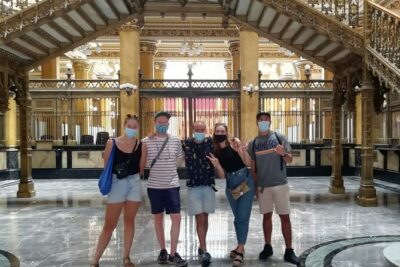 ★ 5.0Walking Tour of the Historic Center of Mexico City870 reviews
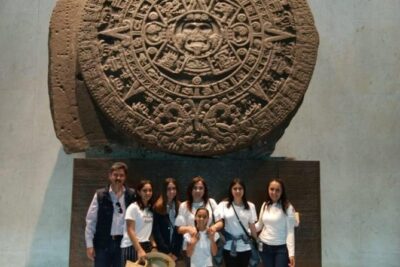 ★ 5.0Anthropology Museum Private Experience Walking TourFrom $78355 reviews
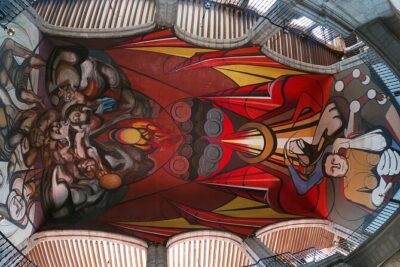 ★ 5.0Walking Tour in Mexico City for Exploring their Cultural HeritageFrom $25245 reviews
 ★ 5.0Walking Tour – Impressive murals in Historical Center of Mexico CityFrom $51224 reviews
 ★ 5.0Muralist Art Semi Private Walking Tour in Mexico City DowntownFrom $58188 reviews
This review also appears in