
REVIEW · HISTORICAL TOURS
Mexico City: Queer Mexican History
Queer history walks these streets. This 150-minute small-group walk maps LGBTQ+ stories across the historic center, starting at Alameda Central Park and ending near Templo Mayor.
I love the way the tour connects queer people from Mexican history to real, recognizable places you can point at while you listen. I also like that you get both past and present, with talk about contemporary queer artists and activists, not just older names in a lecture.
One consideration: it is a walking tour, so you need to be comfortable on your feet for a steady route through some of the most central streets in the city.
Key things I’d mark on your mental map
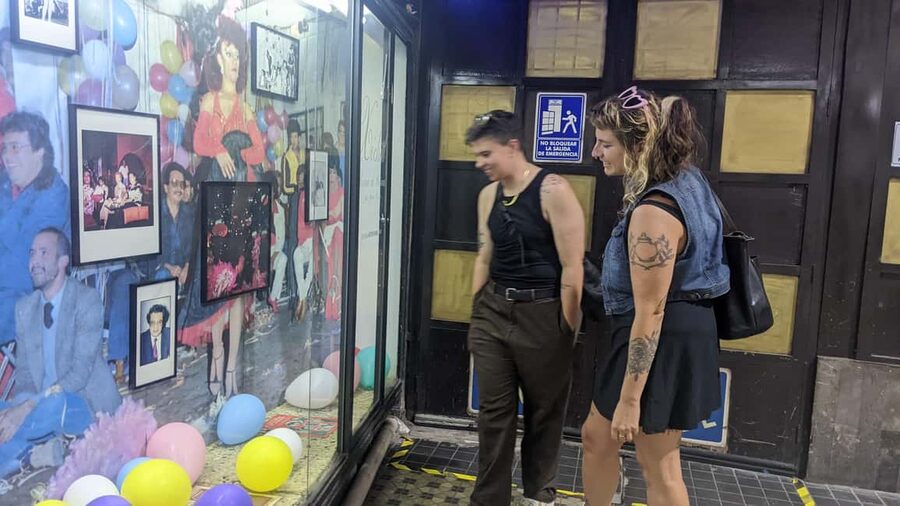
- Colorful umbrella meet-up at Alameda Central Park, so you can spot your guide fast
- Hemiciclo a Juárez to Zócalo connections, where public monuments meet public identity
- Art and activism in the same conversation, including contemporary queer creators
- Small group up to 10 people, which keeps questions and tone friendly
- Finish near Metropolitan Cathedral and Templo Mayor, perfect if you want to keep exploring afterward
Take a wider circuit through Mexico City
- Mexico City: Teotihuacan, Tlatelolco & Guadalupe Shrine Tour
★ 4.6 · 3,773 reviews - Teotihuacan Hot Air Balloon Flight from Mexico City / Volare
★ 5.0 · 3,262 reviews - Teotihuacan Private Tour from Mexico City
★ 5.0 · 1,890 reviews - Historic Center Food Tour in Mexico City
★ 5.0 · 1,263 reviews
Getting your bearings at Alameda Central Park
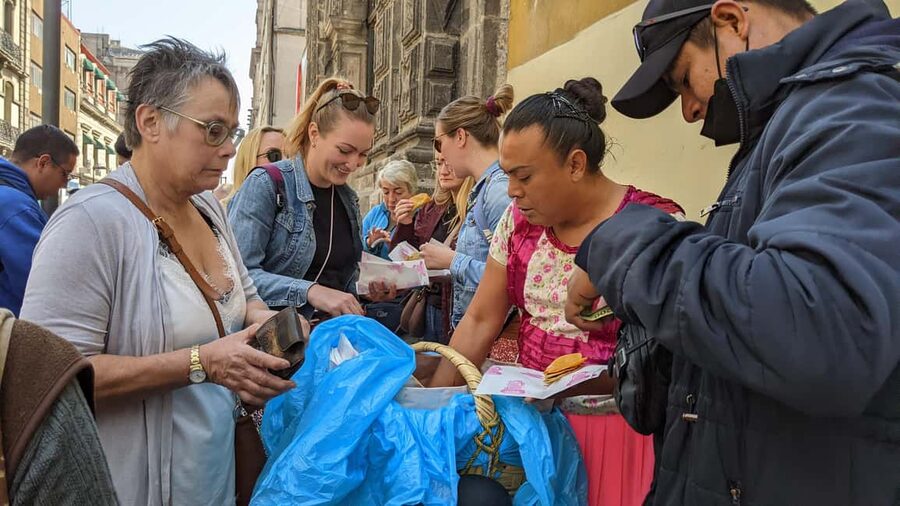
The tour starts at Alameda Central Park, right at the corner of Hidalgo Av. and Dr. Mora St. Your guide will be holding a colorful umbrella, which is a small detail, but it matters in Mexico City because “meet here” can otherwise turn into a mini scavenger hunt.
Before you move, expect a short orientation so you understand the flow of the walk and what kind of stories you’ll be hearing. This helps a lot because the route is built like a thread: you’ll keep circling back to the idea that queer life and queer community are not separate from Mexican history, they are part of it. That framing changes how you look at each landmark. You stop seeing only architecture and start seeing people, movements, and power.
The vibe tends to be warm and human. In bookings, guides such as Mannu and Ada Narcissa are repeatedly praised for being kind, clear, and easy to listen to. That’s the kind of delivery that keeps the walk from feeling like a school assignment. You also get English and French, which is a plus for mixed groups.
Alameda Central and the Hemiciclo a Juárez stop
From the starting point, you’ll walk through Parque Alameda Central and head toward the Hemiciclo a Juárez, the first major stop. Alameda Central is one of those places where the city’s layers show fast. You get trees, open space, and wide pedestrian areas, so it’s a good launchpad for history talk.
At Hemiciclo a Juárez, the tour’s objective becomes very clear: you’re not just collecting facts. You’re practicing a way of seeing, where LGBTQ+ people in Mexico are treated as part of national and civic life. That means listening for who was visible, who was pushed to the margins, and how community formed anyway.
One reason I like this start is that it’s early enough to set your expectations. The tour aims to “remember important queer people in Mexican history,” and placing that right after Alameda Central helps those names and stories land in your mind. You’ll also be in a comfortable, central environment before the walk turns into tighter streets around the Zócalo area.
Palace of Fine Arts and the art side of queer Mexico
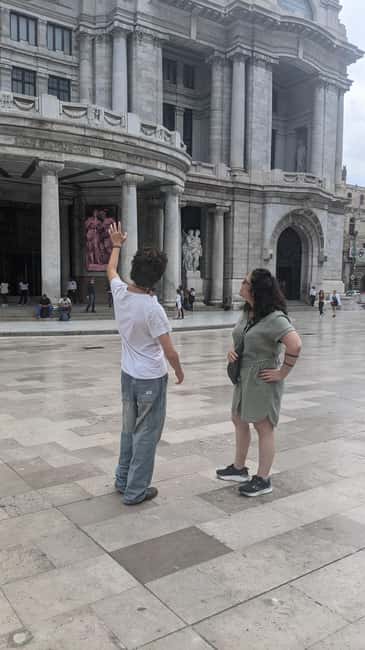
The route includes a sightseeing stop by the Palace of Fine Arts. Even if you don’t go inside, it’s still a useful pause because it reminds you how public art and public culture work in Mexico City.
Here’s what I think makes this stop matter for this specific tour: LGBTQ+ history is not only about rights fights and headlines. It’s also about expression, performance, fashion, visual culture, and the creative language people used to survive and to be seen. A guide can make those connections quickly when you’re standing near major cultural landmarks.
This part of the walk is also a tempo reset. You get a breather while the guide keeps building the narrative. The best walks like this do two things at once: they teach and they manage your energy. The Palace of Fine Arts stop does that, because it’s a natural place to look up, take photos if you want, and refocus.
If you’re the type who usually breezes through museums, don’t treat this as just a photo-op moment. It’s there to give context for the later talk about contemporary queer artists and activists.
Open another chapter of the capital
- Historic Downtown Walking Tour★ 5.0 · 1,289 reviews
- Historic Center Food Tour in Mexico City★ 5.0 · 1,263 reviews
- Mexico City: Historic Downtown Walking Tour★ 4.8 · 1,039 reviews
- Walking Tour of the Historic Center of Mexico City★ 5.0 · 870 reviews
- Mexico City Historical Centre Food Tour with 7 Authentic Tastings★ 5.0 · 723 reviews
Walking Francisco I. Madero toward the Zócalo
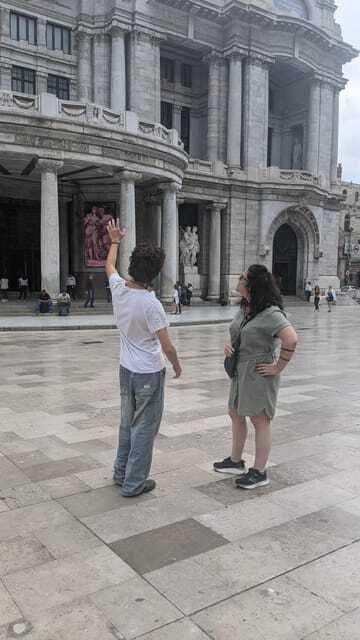
After the cultural stop, you’ll continue along Av. Francisco I. Madero all the way toward the Zócalo and/or Plaza de Constitución. This stretch is central Mexico City in the most literal way: lots of people, lots of buildings, and constant movement. It can feel intense if you are easily overwhelmed, but it’s also exactly why it’s a strong choice for a queer history tour.
Public space is the theme here. The Zócalo area is where you can see how identity becomes political. It’s where crowds gather, where national narratives get projected, and where social change becomes visible, sometimes slowly and sometimes with friction.
In the best moments on this kind of walk, you start linking stories to the street itself. A guide’s job is to make sure you’re not only hearing names, but also understanding how visibility, community, and institutions interact. The talk is designed to connect LGBTQ+ history with what’s happening now, which is why contemporary artists and activists show up in the conversation before you finish.
Also, a practical tip: on busy avenues, keep your water handy and your pace steady. The guide is keeping a walking rhythm, so if you stop to study every storefront, you might end up behind the group.
Zócalo and Plaza de Constitución: where stories go public
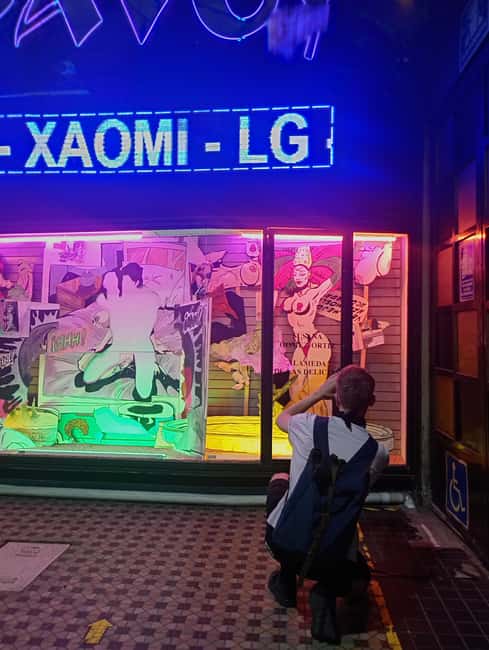
When you reach the Zócalo, you get one of the most powerful parts of this experience: the chance to see queer Mexican history in the middle of a national stage.
This stop works because the Zócalo is not a quiet corner. It’s a space that says, This is where Mexico looks at itself. That matters for a tour focused on LGBTQ+ history, because it pushes you to consider who gets included in that reflection and how inclusion changes over time.
The tour’s objectives include remembering important queer people in Mexican history and tying those memories to how people lived, organized, and expressed themselves. In a place like the Zócalo, that doesn’t feel abstract. You can look at how the city is arranged for gathering and question how visibility and belonging have played out in real civic settings.
If you’re hoping for a purely museum-style tour with minimal walking, this is where you’ll feel the most movement and most atmosphere. If you like a living-city feel, this is a highlight.
It’s also a good time for a quick reset mentally. Take a short breather, reapply sunscreen if needed, and keep listening. The guide often uses these large open stops to connect the dots between earlier monuments and later museum-adjacent history.
Templo Mayor area and the finish near La Casa de las Sirenas
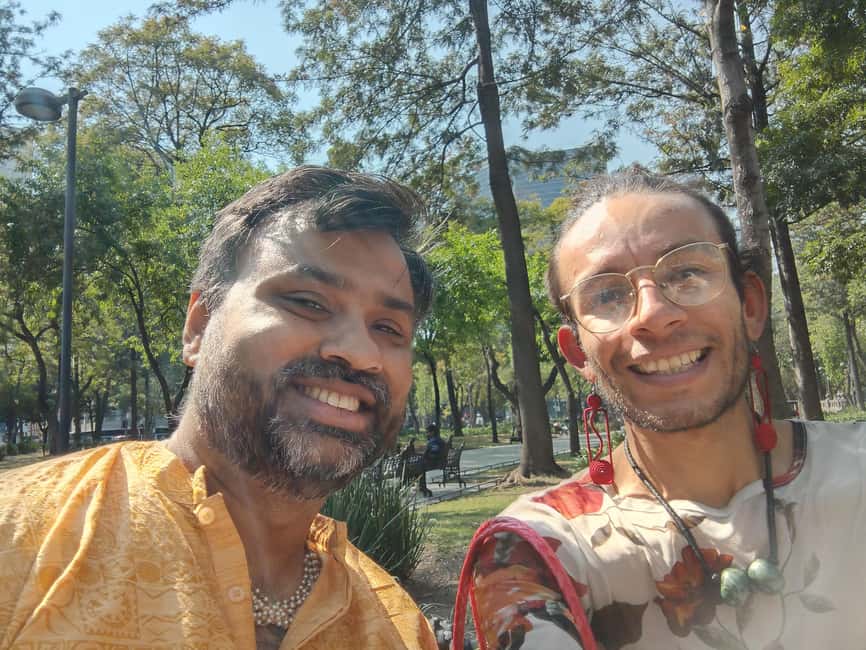
Your tour continues to the Templo Mayor Museum area for sightseeing. You’ll also be finishing behind the Metropolitan Cathedral, near Templo Mayor. That’s a smart finish point because it puts you right next to one of the city’s densest history zones, where you can keep exploring after the guide wraps up.
Finishing at La Casa de las Sirenas adds a very practical layer. It’s not just a random “we’re done” location. It’s a calmer landing after the Zócalo intensity, so you can decompress and decide what to do next. If you still have energy, you’re in the right part of town to wander more, visit a museum, or simply sit with a drink and process what you learned.
This ending also matches the tour’s theme. The area around Templo Mayor is about deep time, old foundations, and layers of culture. For a queer history walk, that kind of setting helps you understand that LGBTQ+ community and expression did not start recently, and it did not evaporate over time. The stories are part of the city’s continuity.
One more reason this finish works for many people: it’s logistically easier to transition to other plans. You’re close to major landmarks and public pathways, so you’re less likely to spend your final hour stuck in transit.
Price and logistics, with real value math
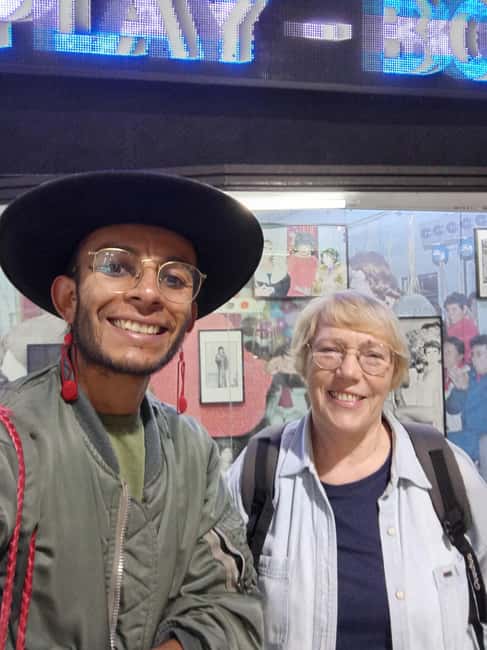
The tour costs $30 per person and runs about 150 minutes. With a group limited to 10 people, and with an English-speaking guide (and French as well), the price feels reasonable for what you’re paying for: guided storytelling tied to specific locations.
Walking tours are often a mix of luck and skill. The difference here is that the tour is built around objectives, not just a general “downtown highlights” script. You come for LGBTQ+ people in Mexican history, and you leave with a clearer picture of contemporary queer artists and activists, too. That combination is what makes it more than a standard stroll.
A timing note: one booking mentioned the walk felt shorter than expected. That doesn’t mean it will happen to you, but it’s a reminder to go in ready for a brisk, guide-paced route rather than a slow, lingering experience. If you want lots of quiet standing time, plan to do your own slow exploration after.
If you’re comparing costs, think about what you would pay for a private guide or a paid museum tour. Here you get a guide plus a concentrated route across major historic areas. For many visitors, that’s better value than trying to stitch together multiple visits on your own.
Who this tour is best for
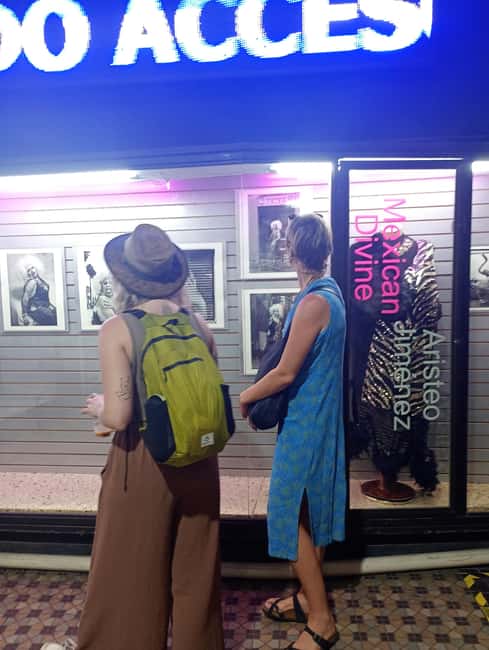
This is not a kids’ tour under 11, so plan on it being an adult-focused outing. That said, it’s not only for people who already know queer history. It’s also for people who want to learn respectfully and clearly, without having to guess which details matter.
I’d especially recommend it if:
- you enjoy walking and want your history to feel grounded in streets and buildings
- you like when a guide makes space for both serious stories and a little human humor
- you want contemporary context, not just old dates and names
The small group format is a big reason this can feel welcoming. It’s much easier to ask questions when there are fewer people in the circle.
If you’re someone who gets overwhelmed by crowds, bring your coping plan: water, sunscreen, and breaks when the guide pauses. The route hits central areas like the Zócalo, so the energy level is real.
Practical tips that make the walk easier
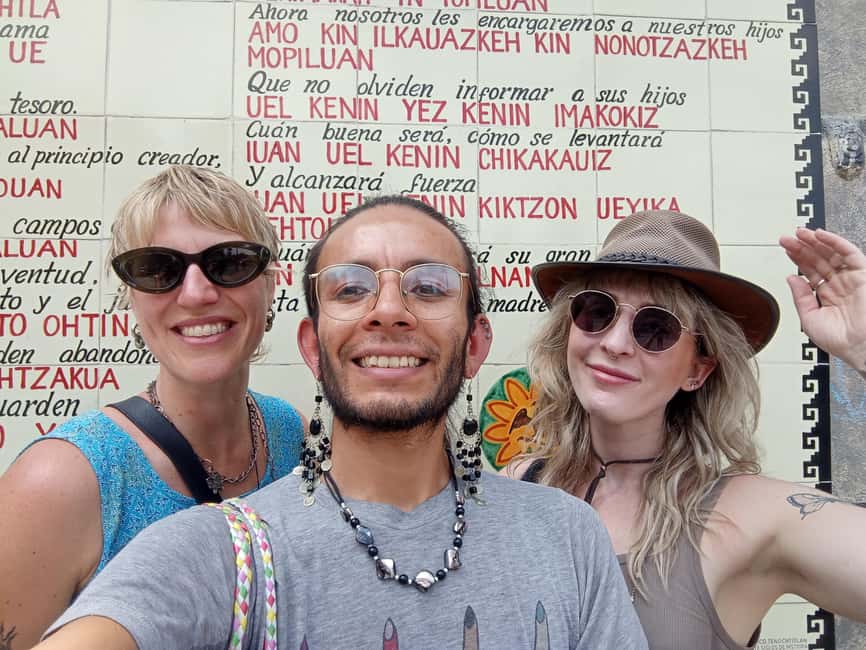
Do these and you’ll enjoy the experience more.
First, wear comfortable shoes. This is a walking route through historic-center streets, and your feet will do most of the work. If your shoes are cute but unforgiving, save them for museums where you can sit.
Second, bring water and consider having a small lunch before you go. The tour runs around two and a half hours, and it helps to start fueled. You might want to buy water or snacks nearby, but the tour itself does not include food.
Third, use sunscreen. Central Mexico City sun can be sneaky, especially when you’re standing still at monuments and then walking again.
Fourth, bring an umbrella. Rain happens, and even bright days can shift quickly. The umbrella advice fits the tour’s vibe, because the guide already brings a colorful umbrella.
Finally, be respectful: littering is not allowed. It’s also a reminder that this is a shared public space.
Should you book this Queer Mexican History walk?
If you want a guided walk that connects LGBTQ+ stories from Mexican history to what’s happening now in queer Mexico City, I think this is a strong booking. The small group, the focus on both past and present, and the fact that guides like Mannu and Ada Narcissa are described as warm and welcoming are good signs that the tour will feel human, not robotic.
Book it if you’re the type who likes learning while walking, and you want to understand the historic center through a queer lens. Skip it if you hate walking or you need a slow pace with minimal crowd exposure.
If you’re in Mexico City and you care about history that includes real people and real communities, this is one of the best ways to see the city with fresh eyes.
Stories Under the Modern Streets



Mexico City in a Wider Frame



More Tour Reviews in Mexico City






More Mexico City plans worth opening

Historical Tours for the next day.
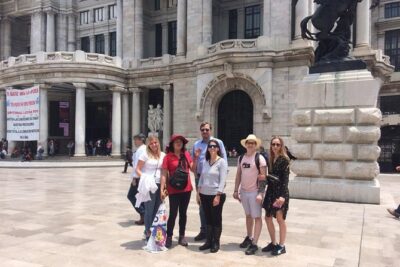 ★ 5.0Historic Downtown Walking TourFrom $261,289 reviews
 ★ 5.0Historic Center Food Tour in Mexico CityFrom $1151,263 reviews
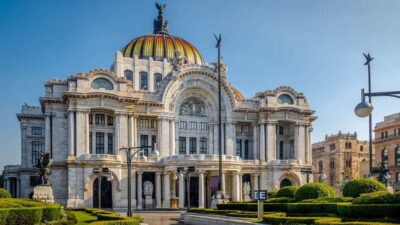 ★ 4.8Historic Downtown Walking TourFrom $261,039 reviews
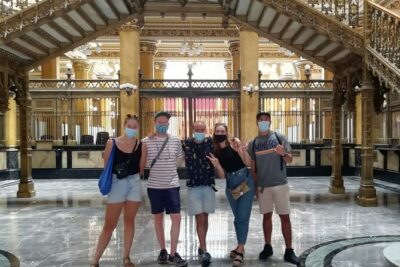 ★ 5.0Walking Tour of the Historic Center of Mexico City870 reviews
 ★ 5.0Mexico City Historical Centre Food Tour with 7 Authentic TastingsFrom $65723 reviews
 ★ 5.0Walking Tour in Mexico City for Exploring their Cultural HeritageFrom $25245 reviews
 ★ 5.0Walking Tour – Impressive murals in Historical Center of Mexico CityFrom $51224 reviews
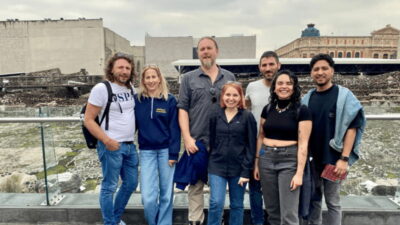 ★ 4.5Guided walking tour through the most historic parts of the city.From $30172 reviews
This review also appears in