
REVIEW · CITY TOURS
Mexico City: Gay Tales
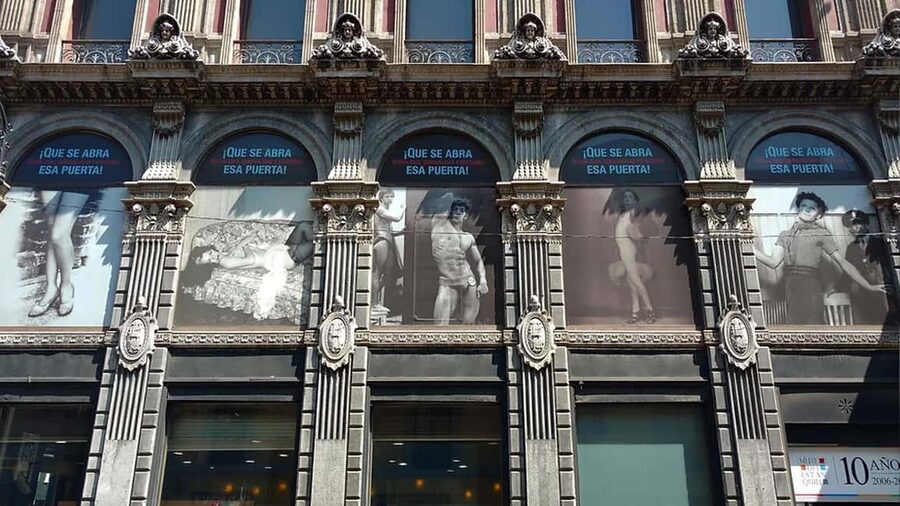
Madero Street has a secret side. This 3.5-hour Mexico City LGBTQ+ walking tour turns the Historic Center into a story trail, using sites along and near Avenida Francisco I. Madero to explain how the community lived, hid, and organized from the 19th into the 20th century.
I especially like how the tour connects street-level landmarks to specific moments, not vague themes, with stops like Casa de los Azulejos and the Borcegui Footwear Museum that help the history stick. I also like the way the guide translates the symbols you see on buildings into real context, plus you get a digital map and extra videos you can use after the walk.
One drawback to plan for: it is a serious walking route and the topics can get adult, so come with comfortable shoes and mentally prepared for conversations about cruising spots, censorship, and underground venues.
Key things you’ll remember
- Madero Street as a timeline: you follow LGBTQ+ threads through multiple eras, not just one “slice” of history.
- Story-first guiding in English: the narration style matters here, and the tour’s storytelling approach is a big part of the appeal.
- Artifacts and props tied to cross-dressing: you see replicas linked to the 1901 Those 41 ball.
- Places shaped by censorship and control: you visit sites connected to moral policing, including an office that censored “immoral” publications.
- Hidden corners you would miss alone: the tour routes you past behind-the-scenes doorways and lesser-noticed locations.
- A strong finish at Estanquillo Museum: you end at a place that feels like a final chapter, with the walk’s themes fresh in your head.
Take a wider circuit through Mexico City
- Mexico City: Teotihuacan, Tlatelolco & Guadalupe Shrine Tour
★ 4.6 · 3,773 reviews - Teotihuacan Hot Air Balloon Flight from Mexico City / Volare
★ 5.0 · 3,262 reviews - Teotihuacan Private Tour from Mexico City
★ 5.0 · 1,890 reviews - Historic Center Food Tour in Mexico City
★ 5.0 · 1,263 reviews
Why Madero Street tells a uniquely LGBTQ+ story
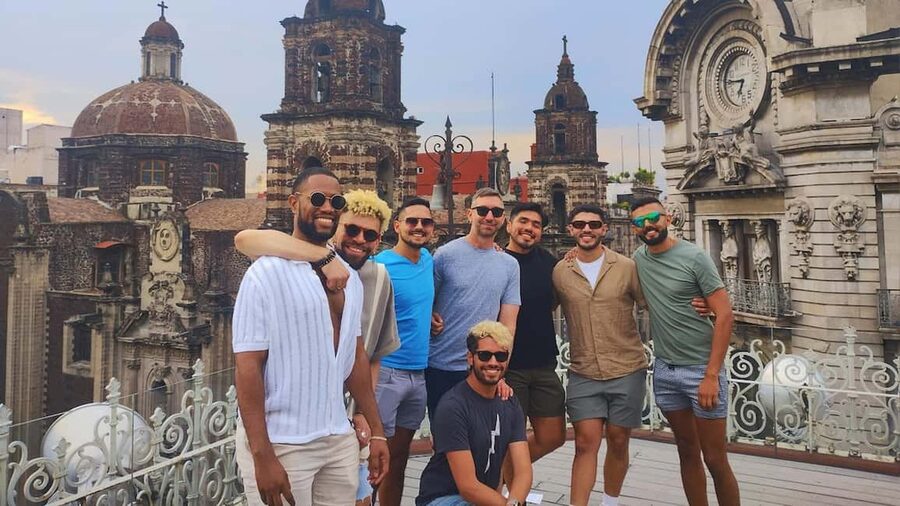
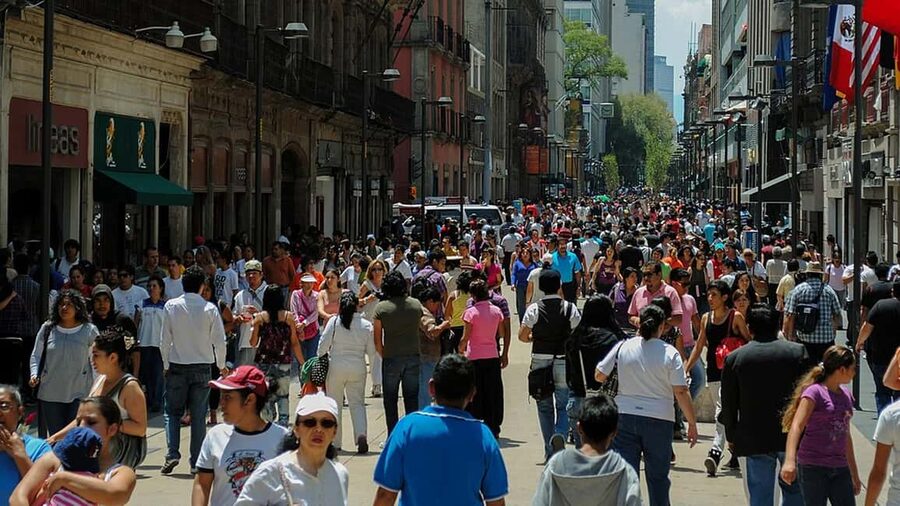
Madero Street is one of those streets where you can shop, people-watch, and take photos without thinking too hard about what happened there before. This tour flips that habit. You walk the same general Central-city corridor, but with a different set of questions: Who gathered here? Who had to hide? What did authorities try to stop?
The tour’s focus stays rooted in the Historic Center, usually within a couple of blocks and along the main street boundaries of the original 16th-century city limits. That compactness matters. Instead of spreading out across the whole metropolis, you get to feel how close the community’s world was to everyday power and everyday commerce. It makes the “in plain sight, but not safe” reality feel more real.
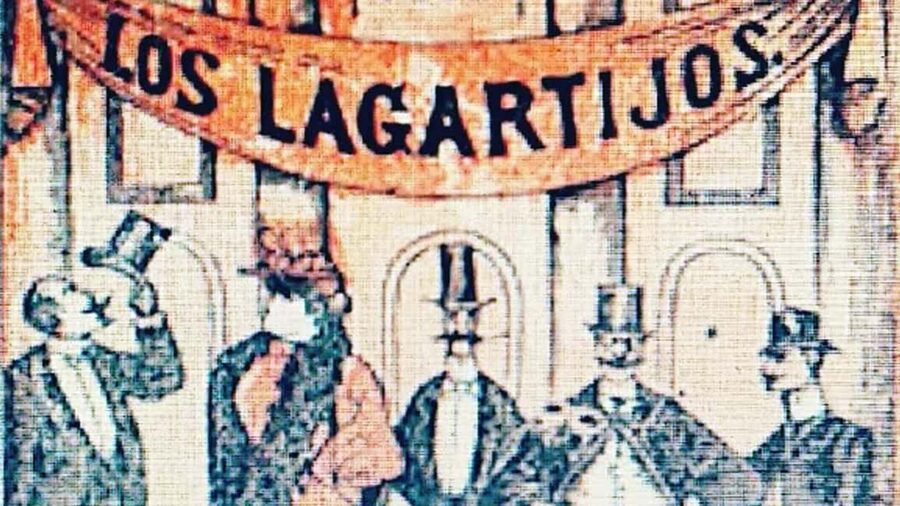
And it is not only about bars and nightlife. You also learn how moral oversight worked, including censorship that affected printed material. You’ll hear about the community’s activities in the 19th and 20th centuries, including the nickname-style mention of the “cruising lizards,” which helps put terms and behavior into historical context instead of treating them like modern slang.
Price and time: what $79 buys you in the real world
At $79 per person for about 3.5 hours, you are paying for more than a checklist of stops. You are buying interpretation. The tour is built around explaining why certain locations mattered, not just showing you buildings.
If you only wanted photos, you could walk Madero Street on your own in half the time. The value here is in the guide-led connections between places you might assume are purely architectural or commercial, and the LGBTQ+ stories attached to them. You also get a digital map designed for the Historic Center LGBTQ+ theme and a pack of videos, sources, and resources you can look at afterward. That “after the walk” material is useful if you want to keep learning once you are back in your hotel.
One practical point: 3.5 hours is a sweet spot. Long enough for multiple indoor stops and story breaks, short enough that you can still handle the rest of your day in Mexico City.
Meeting at MIDE Museum, then walking with purpose
You meet outside the main entrance to the MIDE Museum, curbside. It is one block from Allende Metro station, which makes it easy to anchor your plans.
The tour starts near the C. de Tacuba 17 area and quickly moves into the Historic Center rhythm. Expect a steady walking pace. This is not a “sit and learn” experience. The route is designed so that the stories appear as you move between sites, including short transitions where the guide points out what to notice.
Plan for comfort and heat. Bring comfortable shoes, sunglasses, a sun hat, and sunscreen. Mexico City can feel mild in the morning and loud with sun later, and the tour does not read like it was built for people who want to stop every five minutes.
Keep these Mexico City options within reach:
- Mexico City: Gay Tales★ 5.0 · 4 reviews
- Discover Mexico City’s (CDMX) Gay (LGBTQ) Hotspots Guided Tour★ 5.0 · 3 reviews
Ex-Capilla de Bethlemitas to the Military Museum: power, gender, and recognition
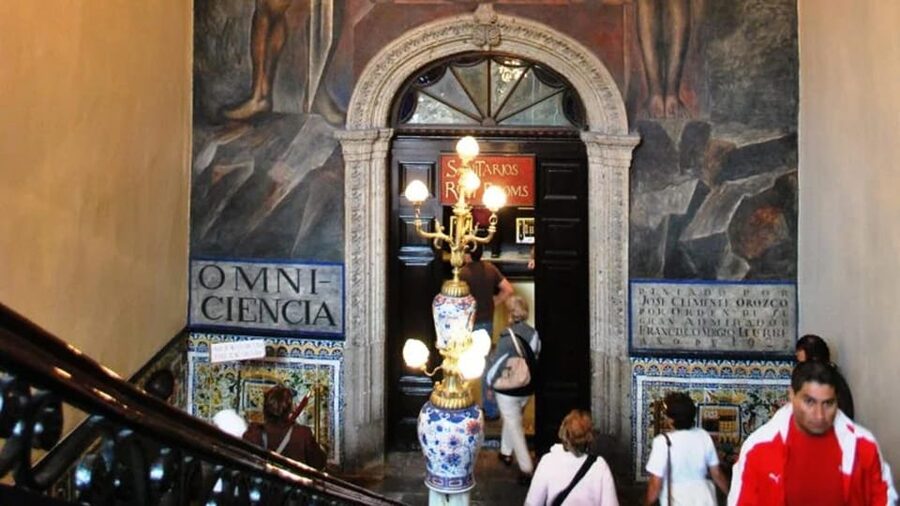
The first stop is the Museo del Ejército y Fuerza Aérea Mexicanos, in the setting of the former Ex-Capilla de Bethlemitas. Even before the LGBTQ+ angle is explained, the building itself sets the tone. A former chapel space inside a military museum is already about authority, discipline, and who gets defined by the state.
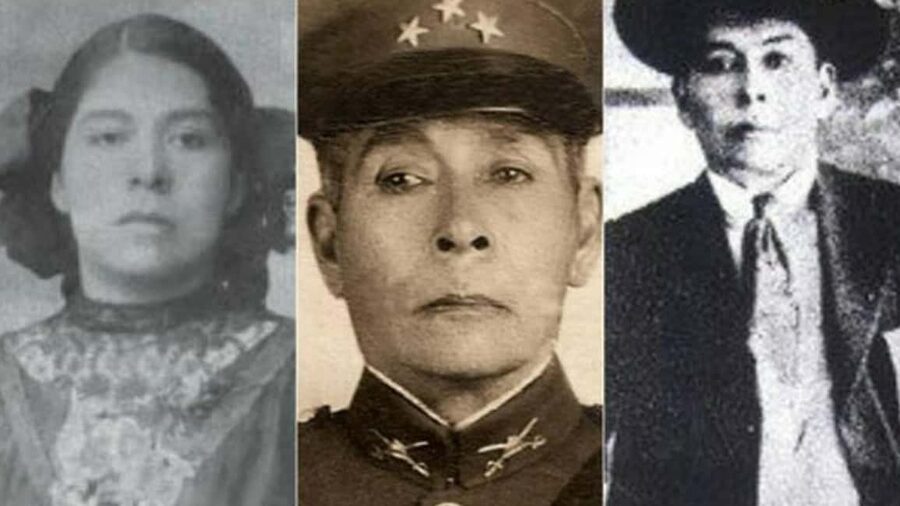
Here is where you start seeing how the tour treats LGBTQ+ history as part of larger historical structures, not as a side note. One standout story tied to this area involves the idea of a first trans man being recognized by the army and associated with a colonel role. The point for you is not to treat it as trivia, but to understand how institutions documented, categorized, and responded to gender and identity in different ways across time.
A small consideration: this stop is the beginning, so expect some information density right out of the gate. If you like to ease into tours, give yourself a moment to get oriented, then roll with it.
Casa de los Azulejos and Pastelería Ideal: history you can taste with your eyes
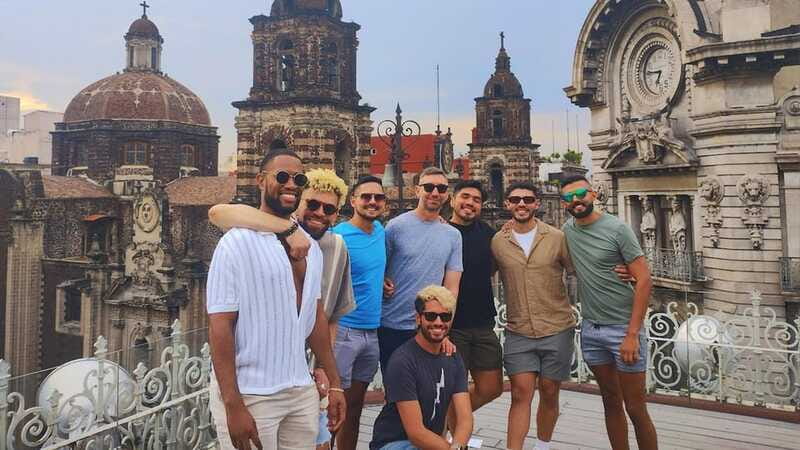
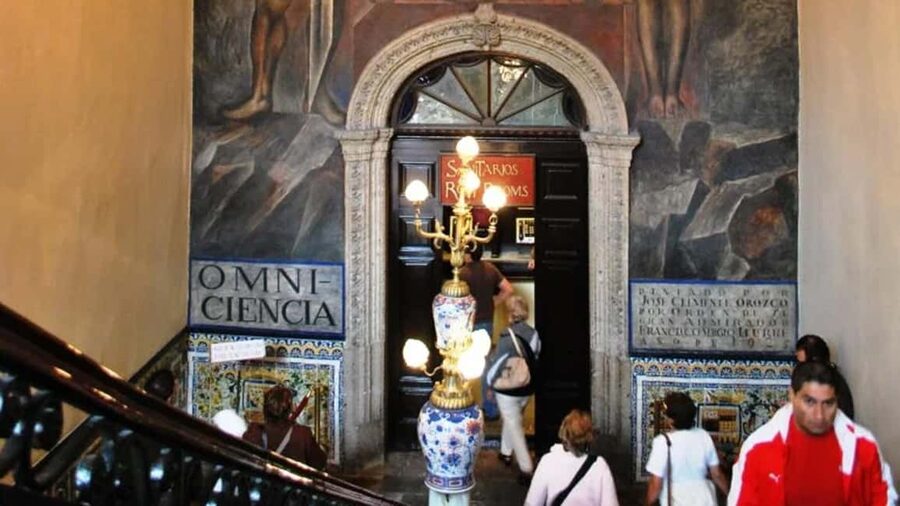
Next up is Casa de los Azulejos, a famous blue-tile landmark in the Historic Center. On its own, it is a beautiful stop and an easy photo. On this tour, you use it like a “cultural marker.” You look at a well-known façade and then hear how the surrounding streets connected to LGBTQ+ life and hiding places over time.
Then comes Pastelería Ideal. In a tour like this, a bakery stop can feel random until you realize it is often about access. Here, it is part of the path that leads you to locations tied to religious and moral power, including a former convent-like setting that you enter through a bakery. That kind of detail is the tour’s specialty: it guides you to the kind of doorways and transitions you would not notice if you were just passing through.
If you want to snack, note that food and drinks are not included. You can still grab something nearby, but plan your timing so it does not eat into the guided portion.
The Borcegui Footwear Museum: cross-dressing as a historical artifact
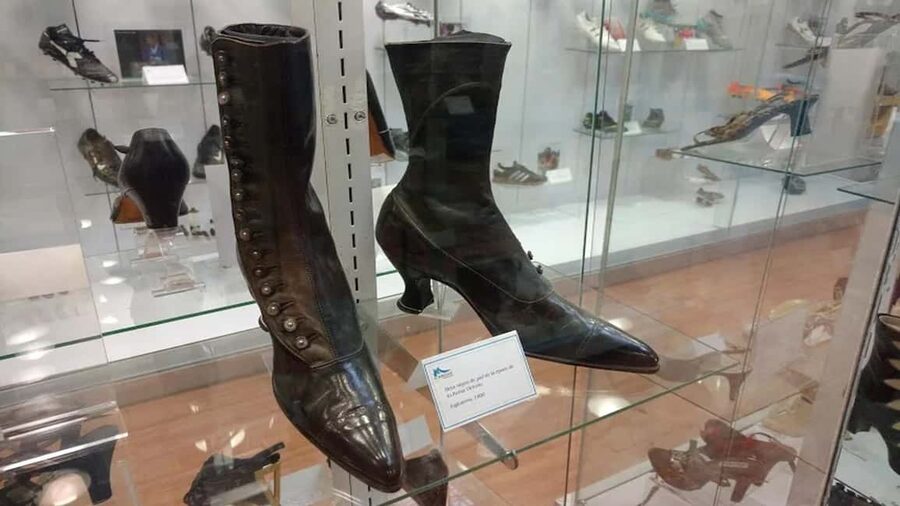
The Footwear Museum, The Borcegui gives the tour one of its most memorable angles: the language of clothing. Shoes matter here because you do not just hear about cross-dressing as a concept. You connect it to real events and real objects.
This is where the tour brings in replicas of high-heel shoes worn at the famous Those 41 cross-dressing ball in 1901. Even if you have heard the name before, seeing costume-related items and getting the story explained helps you understand why clothing could be both expression and risk. In an era when visibility could trigger punishment, what you wore was never only fashion.
The practical takeaway: go in thinking about clothing as evidence. You will leave with a clearer sense of how identity, performance, and enforcement overlapped.
Avenida Francisco I. Madero: censorship, porn cinemas, bath houses, and backstage doors
The heart of the tour is walking and stopping along and around Avenida Francisco I. Madero. This is where the “gay tales” part starts feeling less like a title and more like a street-level map of hidden life.
You will learn about places tied to censorship against “immoral” editions. You will also hear about the palace-area restrooms story, connected to the Palace of the Countship, where the tour notes that the restrooms became widely known through a store chain. That might sound oddly specific, but the tour uses it as a marker of how institutions and commerce shaped what people could access and what they had to negotiate.
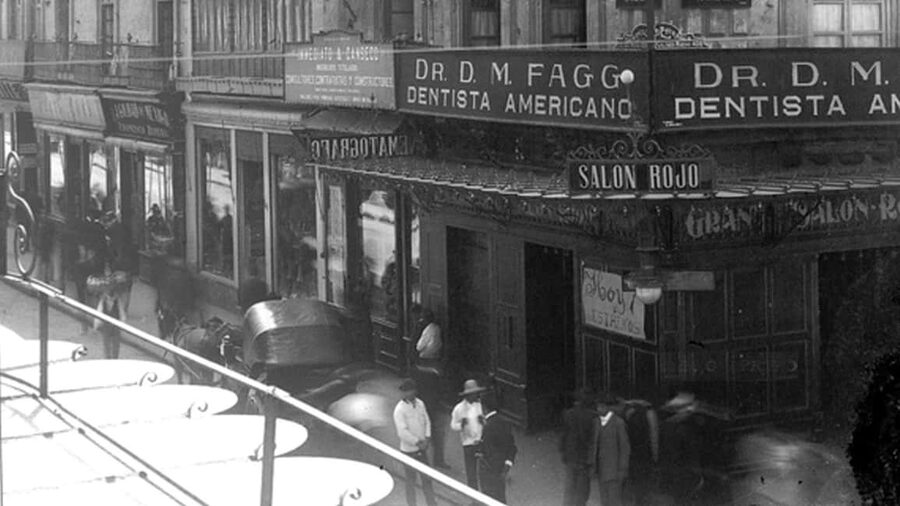
The guide also points out locations connected to the first pornographic cinema, the first bath house, and a reference to Dr. Fagg’s office. You will also pass by the place of one of the last remaining gay cinemas. If you are sensitive to adult themes, treat this section as the main wave. The tour includes these topics because they explain how LGBTQ+ social life found “infrastructure” even when public life was restricted.
A particularly human part of the walk comes with the reference to the Old National Theatre, including a backstage door site where gay men hooked up in a bar. The guide connects that to the growth of what is described as the biggest LGBTQ+ community present in the country. The implication for you is clear: spaces built for art and performance often had edges that became social meeting points too.
La Casa del Pavo and Banamex Culture Palace: architecture as a clue
After Madero’s center stories, the route keeps you moving through major landmarks, including La Casa del Pavo and later Banamex Culture Palace.
These stops matter less because of one single “gotcha” fact and more because the guide uses them to show how the Historic Center held different layers at once. Big, elegant buildings exist beside small, coded behaviors. That contrast helps you understand why the tour is so focused on doorways, courtyards, and transitions.
Between these named stops, you also hear about other routes the community used, including references to bath houses and the Pools’ Circuit Trolley. The tour explains why and where the community moved in the 1950s. That shift detail is important. It prevents the story from being only about the past as if it ended in the 1900s. You see how social geography changes when pressures and opportunities change.
Final stop: Estanquillo Museum and walking out with context
The tour ends at the Estanquillo Museum. Finishing there gives you a satisfying sense of closure. By the time you reach the end, you have already covered the interplay between censorship, media, public spaces, and private life.
If you want to keep the learning going, use the extra resources included with the experience. The tour provides a digital LGBTQ-focused map and a collection of videos, sources, and resources you can enjoy afterward. In practice, this is one of the ways you extend a walking tour beyond the walk itself.
How to handle the adult topics and still enjoy the tour
This is not a fluffy history stroll. The tour touches on porn cinemas, bath houses, cruising activity, and moral censorship. That does not mean it is crude. It is more like the guide is naming what existed, because leaving it out would make the rest of the story feel fake.
Photography is allowed, but you are expected to respect sites and their history. If you bring a camera, be ready to pause when the guide is explaining something important. Use photos like souvenirs, not like a replacement for listening.
Also note the tour is not suitable for children under 18 and not suitable for people with mobility impairments. The walking and the Historic Center route design are part of why it works. It also means you should only book if you can comfortably handle 3.5 hours on foot.
Who should book this Mexico City LGBTQ+ walking tour
You will likely love this tour if you:
- Want LGBTQ+ history told on foot, in the places it actually happened
- Prefer a guide who connects facts to visible architecture and street cues
- Like stories that include censorship, nightlife infrastructure, and how social life shifted over decades
- Enjoy museum stops but want them tied to real street-level behavior
If you want a purely social nightlife tour, or if you are looking for an ultra-light, stroller-friendly stroll, this is not that. This walk is historical and interpretive. Think “educated walk with a good storyteller,” not “bar crawl with facts.”
Should you book Mexico City: Gay Tales?
Yes, I think this is a strong booking choice if you are spending time in the Historic Center and you want your sightseeing to mean something. The tour’s biggest payoff is the way it turns well-known spaces into a coherent LGBTQ+ story, with the guide doing the hard work of explaining why each stop matters.
At $79 for 3.5 hours, it can be a great value compared to standalone museum tickets if you care about context, because you get multiple stops plus a structured narrative, then extra digital resources afterward. If the idea of adult themes and steady walking feels like a good match for you, book it. If not, you may prefer a lighter Historic Center walk and save your LGBTQ-focused learning for other formats.
FAQ
How long is the Mexico City: Gay Tales walking tour?
The tour duration is 3.5 hours.
Where does the tour start?
The meeting point is outside the main entrance to the MIDE Museum, curbside. It is one block away from Allende Metro station in the Historic Center of Mexico City.
Is the tour guided and what language is it in?
Yes, it is a live guided walking tour in English.
What is included in the ticket price?
Included are the walking tour, guide, a digital LGBTQ-focused map of the Historic Center, and a collection of videos, sources, and resources to enjoy after the experience.
What should I bring or wear?
Bring comfortable shoes, sunglasses, a sun hat, and sunscreen. Expect a significant amount of walking.
Is food included?
No. Food and drinks are not included. Photography is allowed, and you should respect the sites and their history.
More LGBTQ-Friendly in Mexico City

Mexico City in a Wider Frame


More Tour Reviews in Mexico City


More Mexico City plans worth opening
City Tours for the next day.
 ★ 4.6Teotihuacan, Tlatelolco & Guadalupe Shrine TourFrom $493,773 reviews
 ★ 5.0Teotihuacan Hot Air Balloon Flight from Mexico City / VolareFrom $1553,262 reviews
 ★ 5.0Teotihuacan Private Tour from Mexico CityFrom $1401,890 reviews
 ★ 4.6Teotihuacan Early or Afternoon Access TourFrom $571,547 reviews
 ★ 5.0Historic Center Food Tour in Mexico CityFrom $1151,263 reviews
 ★ 5.0The best tour to Teotihuacán from Mexico CityFrom $501,236 reviews
 ★ 4.3From Mexico City: Puebla, Cholula and Tonantzintla Day TripFrom $891,191 reviews
 ★ 4.0Hop-on Hop-off Bus TourFrom $211,043 reviews