
REVIEW · WORKSHOPS
Class of Sauces and Tortillas in Mexico City
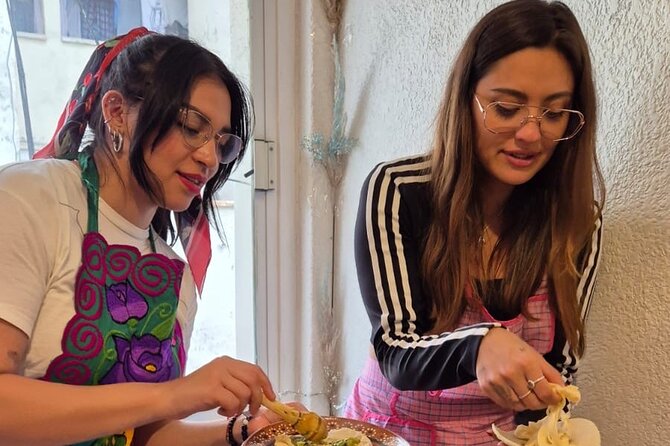
Salsa lessons start at a real market. In Mexico City’s San Rafael neighborhood, this class is interesting because you shop San Cosme Market with your guide, then cook four salsa styles and finish with warm quesadillas built on fresh corn tortillas. I especially like the hands-on ingredient shopping, where you learn what to look for and why, and I like the variety in the final salsas, from fried and fresh to creamy tatemada. One thing to consider: you can end up pretty full, and some salsas are naturally spicy unless you speak up about your heat level early.
You’ll be in a small group (max 10), and the vibe feels friendly and organized. I also like that the meal includes drinks like Jamaica water or horchata, plus a complementary mezcal, and the host gives clear guidance. Most people leave with practical salsa skills, not just a tasty plate.
Key highlights worth putting on your radar
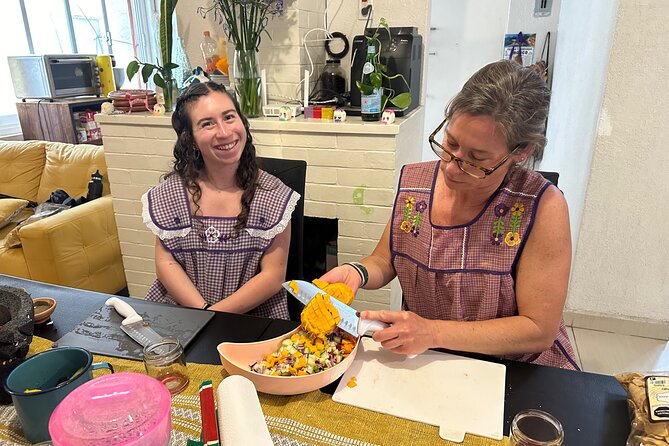
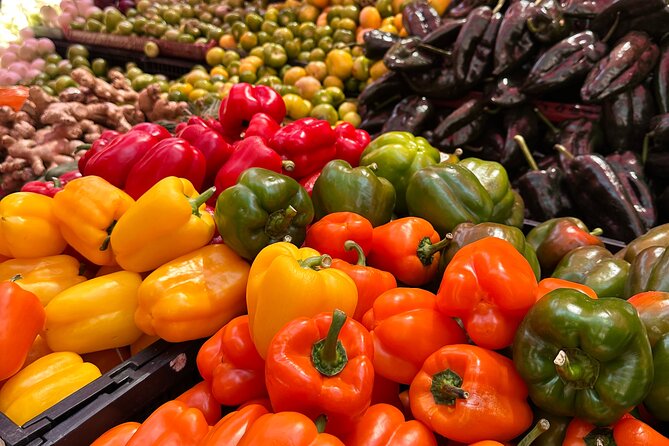
- San Cosme Market first, with real shopping time and practical tips for choosing peppers, tomatoes, and herbs
- Four different sauces, taught in distinct styles like fried, fresh, and creamy tatemada
- Quesadillas made with freshly made corn tortillas, plus chips and salsa that can hit harder than you expect
- Spice level control, since you can ask for a milder version if you are sensitive
- Recipe cards and a relaxed kitchen flow, with group teamwork (often split into teams) so you are not just watching
Take a wider circuit through Mexico City
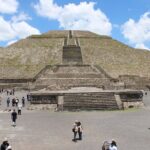
- Mexico City: Teotihuacan, Tlatelolco & Guadalupe Shrine Tour
★ 4.6 · 3,773 reviews - Teotihuacan Hot Air Balloon Flight from Mexico City / Volare
★ 5.0 · 3,262 reviews - Teotihuacan Private Tour from Mexico City
★ 5.0 · 1,890 reviews - Historic Center Food Tour in Mexico City
★ 5.0 · 1,263 reviews
San Cosme Market in San Rafael: where the class really starts
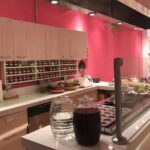
The best part of this experience is that it begins where Mexican food actually begins, in the market. You meet at Mercado de San Cosme, in the San Rafael area (C. Gabino Barreda 18). From the start, the guide focuses on ingredients, not just recipes.
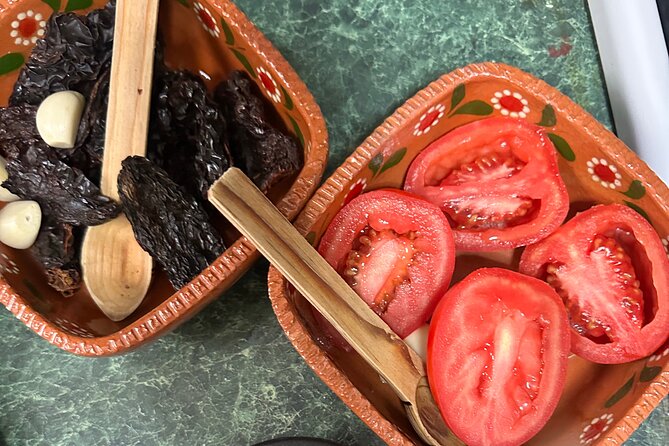
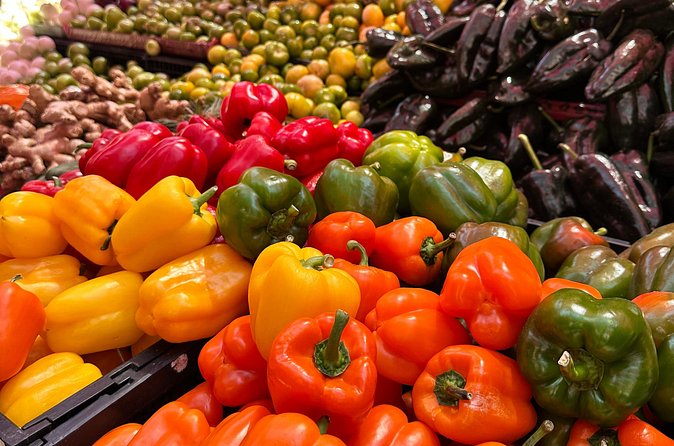
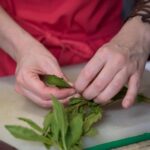
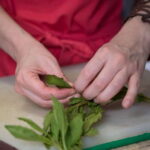
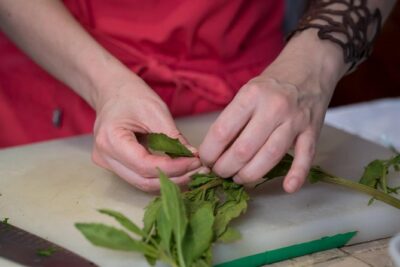
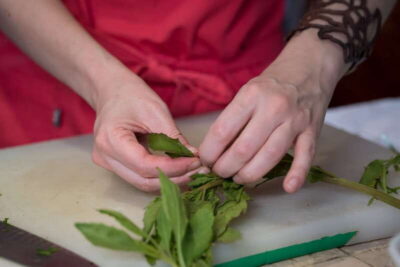
In the market, you are not simply pointing and buying. You learn how to pick produce that will behave well in salsa. Expect talk about items like tomatoes and tomatillos, avocados, and a range of peppers. Several details stand out from how the host teaches: you get the logic behind selection, and you also learn how different ingredients affect flavor and texture. It is the kind of explanation that helps you later at home, even if you change brands or seasons.
There is also a neighborhood angle. As you move around San Rafael, you get context on local traditions and landmarks. It makes the market walk feel like part of the city, not just a food stop on a schedule.
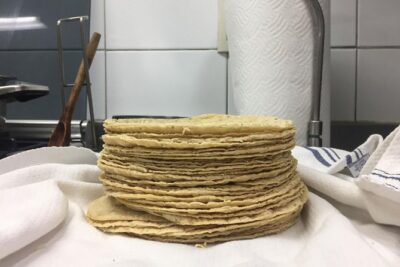
A small but important detail: some classes include a quick stop where you can see a tortilla maker or another local food source before cooking at the host’s place. This helps you understand why Mexican tortillas are not just a side dish. They are a foundation.
The Michelin-starred taqueria stop, and why it is more than a photo op
You also make time to stop at a taqueria connected to the Michelin Guide, described as the only one in Mexico City with that kind of recognition. Even though you are here for salsa-making, this pause is useful.
Here is why it works for your learning: it reminds you that salsa is not an accessory. In taquerias, salsa has a job. It balances fat, heat, char, and freshness. Seeing that in a quick stop helps you connect what you are making in class to what you taste on the street later.
You will likely use this stop as inspiration while you cook. Think of it like calibration: once you see how local flavor combinations land in a real meal setting, your salsa choices make more sense.
Four salsas, taught as styles, not just ingredients
The class centers on making sauces in different presentations. You do more than one “version of red salsa.” You learn distinct methods and flavor directions.
Make something during the next few hours
- Mexican Cooking Class with Food Market Visit in Mexico City★ 5.0 · 506 reviews
- Essence of Mexico: Authentic Mexican Cooking Class & Market Tour★ 5.0 · 289 reviews
- Mexican Cooking Class & Cocktails in Mexico City★ 5.0 · 134 reviews
- Private Mexican Cooking Class with Gastronomic Historian, Lucia★ 5.0 · 110 reviews
- Mexican Churros Master Class★ 5.0 · 91 reviews
1) Fresh salsa
Fresh style usually means raw or minimally cooked ingredients. The goal is bright flavor and a clean bite. You learn how freshness changes pepper flavor, and why resting time (even a little) can help ingredients meld.
2) Fried salsa
Fried salsa leans into depth. When peppers and aromatics are fried, flavors round off and turn more savory. This is one of the key reasons people love this class. Fried elements can transform what would be “just spicy” into something with body.
3) Creamy tatemada
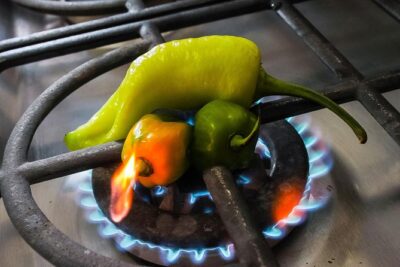
This is the one that surprises many first-timers. Tatemada points to roasted flavor. Add creamy elements and you get a sauce that feels more spoonable and rich, while still tasting like it came from real heat and smoke, not a jar.
4) Another sauce direction, tailored by your menu
Your menu rotates within the four-salsa structure, but the goal stays the same: you end up with a set that covers fresh, fried, roasted, and creamy. That variety matters because it trains your palate. After class, you can match salsa type to the food you are eating, instead of treating everything like it should go with chips only.
Spice level: tell the host early
Several accounts mention that you can choose spice level. So if you want mild, ask early and be specific. Your success here depends on communication, and your guide is the kind of person who can adjust the peppers you use.
Tortillas and quesadillas: the foundation that makes the food taste real
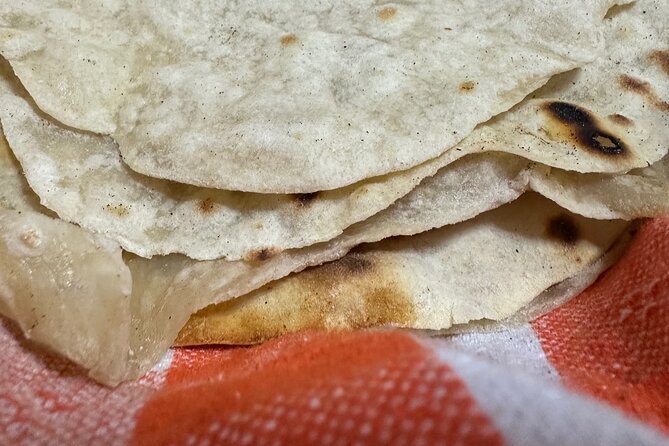
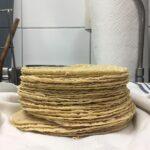
You are taught to make corn tortillas with homemade dough processes, and then you make quesadillas from that work. This is not a random tortilla demo.
You also visit a tortilla-related stop to source homemade tortillas as part of the flow, which helps you see how the city does it. Then in the kitchen, the class focuses on what to do with those tortillas to make quesadillas that actually taste like Mexico City food, not like a cooking class imitation.
Here is what you can take home from this part:
- Corn tortillas have different behavior than flour tortillas.
- Quesadilla success depends on how you assemble and heat, not just what cheese you use.
- Salsa matters more when it can cling and balance the warm tortilla and cheese.
The quesadillas usually come after the salsa work, once everyone has cooked enough to feel ready for the payoff. When people say the meal is filling, this is why. Chips and salsa can get you going, but once quesadillas arrive, you will understand the calorie math.
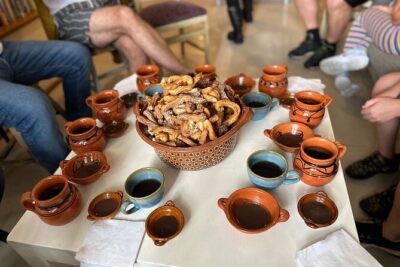
Drinks, mezcal, and the way the meal closes the loop
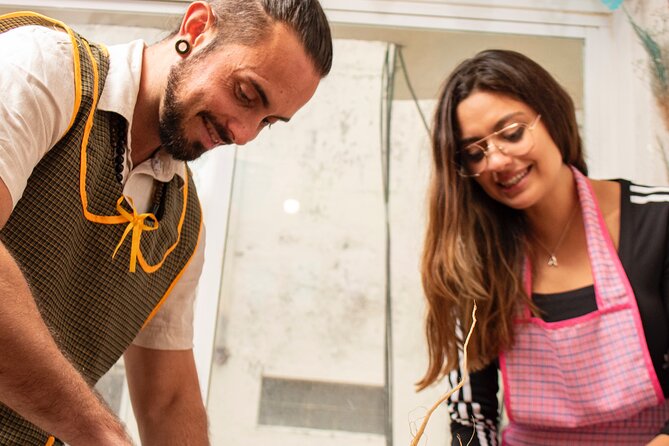
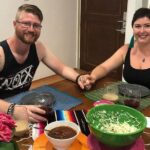
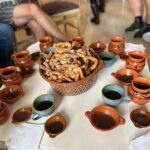
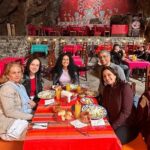
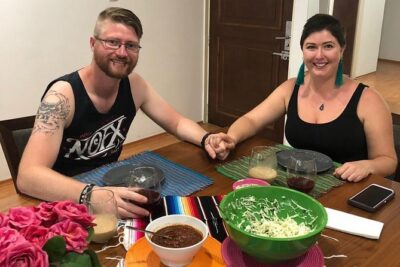
After cooking, you sit down and eat what you made. This is not the quick-and-run style you sometimes see on food tours.
You get drinks like:
- Jamaica water (hibiscus tea)
- Horchata
- Complementary mezcal, typically for adults
This pairing matters. Jamaica and horchata both cool and balance heat, which helps you taste differences between salsas more clearly. If you want to learn, not just eat, these drinks are part of the teaching method.
Also, you will likely see music or a relaxed social rhythm in the kitchen setting. That matters because salsa-making takes attention. When the atmosphere is calm, you can actually follow the steps and absorb the tips.
The host experience: small group energy, real teaching, friendly pressure
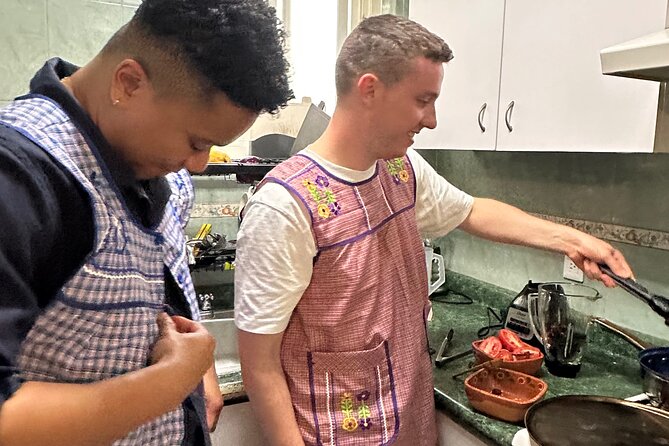
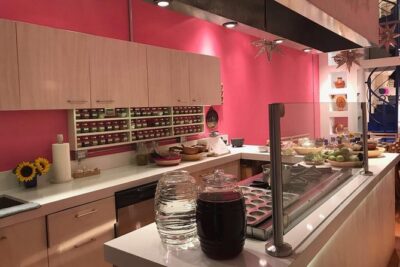
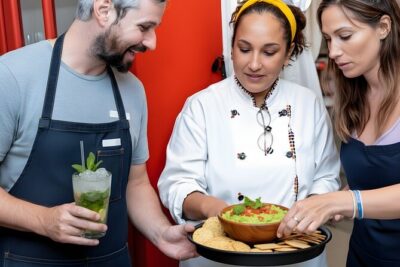
This is capped at 10 travelers, and it shows. Many classes like this feel like a cooking demo with a few hands-on minutes. Here, you are more likely to be actively involved, including chopping, mixing, assembling, and tasting.
In some sessions, the group gets split into teams, which helps you move efficiently and also makes it easier to meet people. It is a simple trick, but it works. You are cooking, comparing notes, and sharing bites without feeling like you are stuck waiting your turn.
You will also receive recipe cards in at least some sessions. That is practical. Salsa is one of those foods where small choices matter, so having notes helps you reproduce results later.
There is also personalization for dietary needs. The menu is described as suitable for vegetarians, and the class can accommodate restrictions. If you have allergies, be clear when booking so the host can adjust ingredients properly.
Practical value: what your $85 really buys
At $85 per person for about 2 hours 30 minutes, you are paying for more than a single meal.
You are getting:
- Market shopping with guidance
- Kitchen equipment and a structured cooking session
- Snacks plus breakfast and lunch items
- Freshly made tortilla-based quesadillas
- Drinks including Jamaica or horchata, plus complementary mezcal
- A guide who teaches methods and ingredient logic
What is not included is private transportation, so you will handle getting to the market meeting point. That is typical for city food experiences.
Is $85 a bargain? If you compare it to eating at a high-end sit-down place plus guided shopping plus hands-on cooking, it is competitive. If you only want one simple meal without learning, it can feel steep. But if you want skills you will use again, this price makes sense because the class is basically three activities in one: ingredient shopping, technique learning, and a sit-down meal.
Who this class suits best (and who should rethink)
This experience is ideal if you:
- Want hands-on practice making salsa and tortillas, not just tasting
- Enjoy market time and want to learn how ingredients are chosen
- Travel with kids or family who will actually eat what they help make
- Like vegetarian-friendly cooking and want flavors that do not feel like compromise
It is also a good fit if you like structure. The timing is tight, the steps are organized, and most of the work happens in a shared kitchen flow.
You might reconsider if:
- You hate spicy food and do not want to manage spice adjustments
- You are planning a later reservation soon, because this can leave you comfortably full
- You prefer restaurant-only dining with minimal hands-on cooking
Booking smart: best timing and what to expect on arrival
This class is commonly booked about 14 days in advance, so if your trip is fixed, book early. Once you reserve, you will get a mobile ticket and confirmation at booking time.
When you arrive, plan to start promptly at the meeting point at Mercado de San Cosme. The class ends back at the meeting point, so you are not left wandering for a ride afterward.
Also note, it is offered in English, and the class has near public transportation. Service animals are allowed.
Should you book this salsa and tortillas class?
If you like real food learning, this is an easy yes. I would book it when you want a mix of market culture, actual cooking techniques, and a meal you can enjoy without guessing.
Book it especially if you want salsa variety. The way the class teaches different salsa styles, from fresh to fried to creamy tatemada, gives you options you can recreate at home. And because you get tortilla-based quesadillas and drinks like Jamaica or horchata, you leave with a full experience, not just a snack.
The only real caution is heat and appetite. Tell the host you want mild if you need it, and plan the rest of your day around a satisfying meal. If you do that, you will probably come away feeling like you learned something useful, ate like you cared, and enjoyed San Rafael in a way that feels local.
FAQ
How long is the class?
It runs about 2 hours 30 minutes (approx.).
Where does the experience start and end?
It starts at Mercado de San Cosme, C. Gabino Barreda 18, San Rafael, Cuauhtémoc, 06470 Mexico City, CDMX, Mexico. It ends back at the meeting point.
Is the class offered in English?
Yes, it is offered in English.
How many people are in a group?
The tour/activity has a maximum of 10 travelers.
What is included in the price?
The price includes snacks, kitchen equipment, breakfast, lunch, and the guide.
Can the class accommodate dietary restrictions?
Yes, the menu can accommodate restrictions, and it is suitable for vegetarians.
Make Something in Mexico City
Mexico City in a Wider Frame


More Tour Reviews in Mexico City




More Mexico City plans worth opening

Workshops for the next day.
 ★ 5.0Mexican Cooking Class with Food Market Visit in Mexico CityFrom $124506 reviews
 ★ 5.0Essence of Mexico: Authentic Mexican Cooking Class & Market TourFrom $178289 reviews
 ★ 5.0Mexican Cooking Class & Cocktails in Mexico CityFrom $132134 reviews
 ★ 5.0Private Mexican Cooking Class with Gastronomic Historian, LuciaFrom $145110 reviews
 ★ 5.0Mexican Churros Master ClassFrom $7091 reviews
 ★ 4.8Mexican Cooking ClassFrom $12185 reviews
 ★ 5.03h Cooking Class in Mexico City: 8 Recipes & Bottomless DrinksFrom $11059 reviews
 ★ 5.0Private San Angel Tour & Cooking Class in Mexico City with LuciaFrom $15556 reviews
This review also appears in