
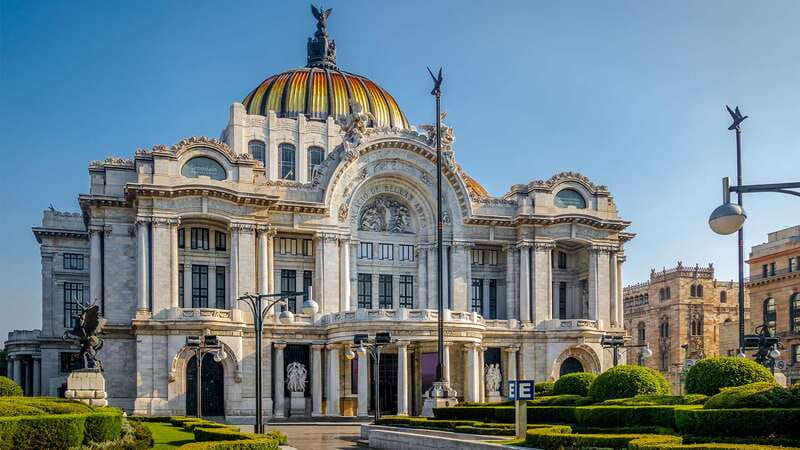
Make the capital yours.
Morning light on Bellas Artes, a market taco before noon, Xochimilco in full colour and Teotihuacán beyond the city: choose the hours that make a Mexico City trip feel complete.
Bookings that earn the time.
Put the Anthropology Museum, the canals, a Centro walk and one late taco stop on the same shortlist. These are the tours that turn a scattered plan into a strong first visit.
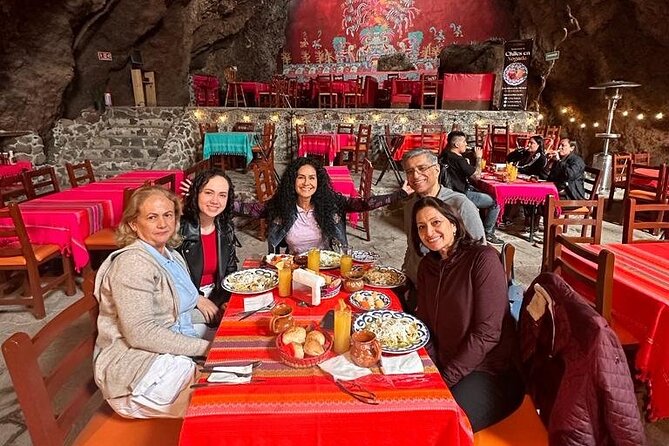
Balloon flight + Breakfast in cave + Pyramids + Pick up CDMX.
Sunrise hot air balloon over Teotihuacan, cave breakfast with pre-Hispanic art, artisan tastings, and pyramids day trip from Mexico City.
From $172 per person
Read the review →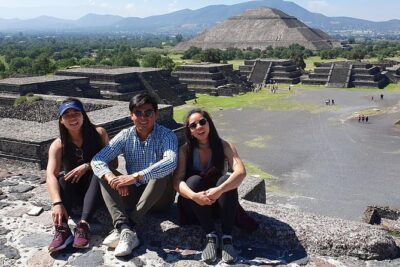 ★ 5.0Strong first pickTeotihuacan pyramids morning or afternoon without tourist trapsFrom $646,186 reviews
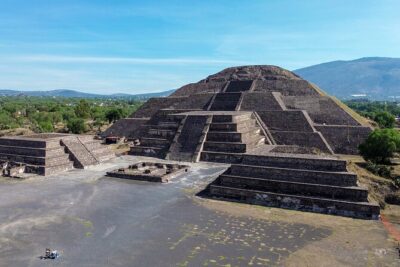 ★ 4.5Plan aheadTeotihuacan Early Access Guided Tour with optional LunchFrom $396,138 reviews
 ★ 5.0Local classicBalloon flight + pick up in CDMX + Breakfast in Cave + PyramidsFrom $1695,651 reviews
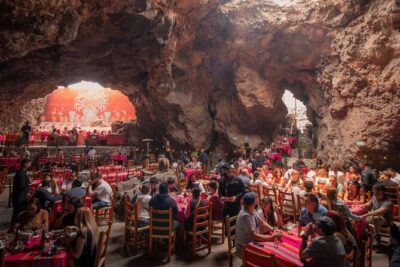 ★ 5.0Good use of a morningBalloon Flight + Cave Breakfast + Pick Up from CDMX or We FlyFrom $1664,410 reviews
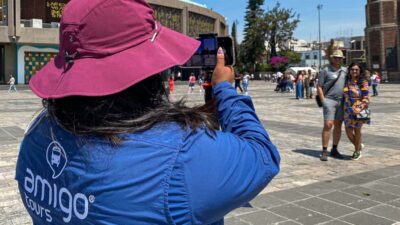 ★ 4.6Easy to fitTeotihuacan, Tlatelolco & Guadalupe Shrine TourFrom $493,773 reviews
 ★ 5.0Night worth bookingTeotihuacan Hot Air Balloon Flight from Mexico City / VolareFrom $1553,262 reviews
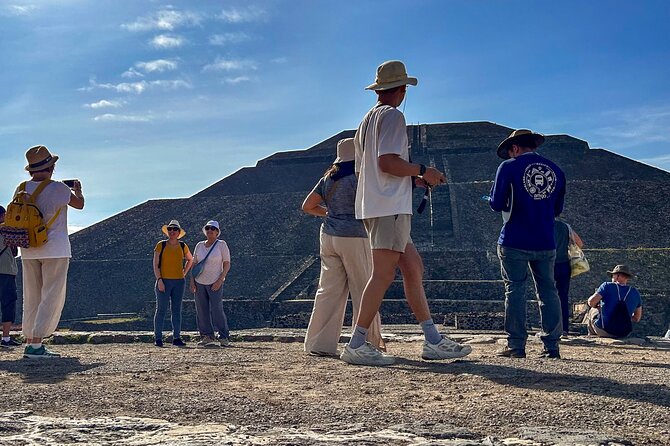
Walk the Avenue of the Dead.
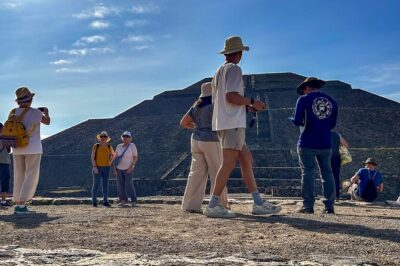
The first departure reaches Teotihuacán while the stone still holds the morning cool. Follow the avenue from the Pyramid of the Moon, learn what survives in the painted walls, then decide whether the day needs a cave breakfast or a balloon at sunrise.
Pick the version you will remember.
A balloon, a deep archaeological walk or a wider route through Guadalupe and Tlatelolco changes the shape of the whole day. Start with the experience, then compare the live options behind it.
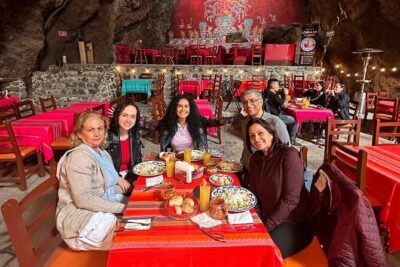 First light
See it from the air
2 to 8 hours (approx.) · from $172 · 6,335 reviews
Meet before dawn and rise with the balloon field as the pyramids take shape below. Breakfast follows the landing, with time on foot among the temples. It costs more, starts earlier and gives the valley its biggest reveal.
Open the flight options →
First light
See it from the air
2 to 8 hours (approx.) · from $172 · 6,335 reviews
Meet before dawn and rise with the balloon field as the pyramids take shape below. Breakfast follows the landing, with time on foot among the temples. It costs more, starts earlier and gives the valley its biggest reveal.
Open the flight options →
 Stone and story
Walk the full site
9 hours (approx.) · from $39 · 11,603 reviews
Take the complex at ground level with a guide who can connect the Sun and Moon pyramids, the feathered-serpent temple and the painted fragments between them. Choose an early entry when shade and open space matter.
Choose a guided route →
Three eras
Add Guadalupe and Tlatelolco
9 hours (approx.) · from $39 · 11,603 reviews
Extend the pyramid day through the Basilica and the Tlatelolco plaza. The route joins pre-Hispanic, colonial and modern Mexico in one sweep, with more driving but a clearer sense of how the capital grew.
Compare the extended days →
Stone and story
Walk the full site
9 hours (approx.) · from $39 · 11,603 reviews
Take the complex at ground level with a guide who can connect the Sun and Moon pyramids, the feathered-serpent temple and the painted fragments between them. Choose an early entry when shade and open space matter.
Choose a guided route →
Three eras
Add Guadalupe and Tlatelolco
9 hours (approx.) · from $39 · 11,603 reviews
Extend the pyramid day through the Basilica and the Tlatelolco plaza. The route joins pre-Hispanic, colonial and modern Mexico in one sweep, with more driving but a clearer sense of how the capital grew.
Compare the extended days →

Arena lights, taqueria smoke.
Watch the masks fly at lucha libre, follow the crowd to tacos al pastor and finish with mezcal in Roma. The strongest night routes handle the tickets, the introductions and the late table without flattening the city into a pub crawl.
Follow the comal smoke.
Move from al pastor cut straight from the trompo to blue-corn quesadillas and market fruit bright with lime. A useful food tour explains the neighbourhood as it orders, so lunch becomes a route through the city.



Read the walls from the pavement.
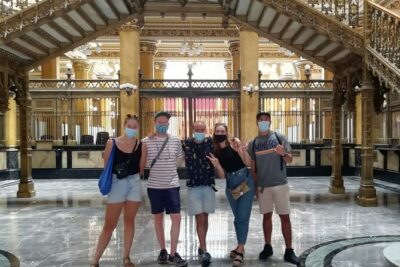
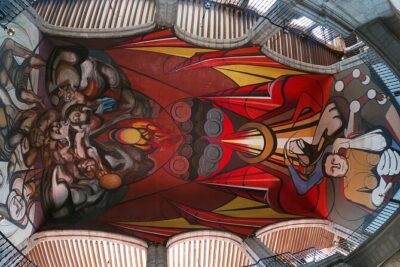
Rivera fills the National Palace stairwell, Siqueiros turns Bellas Artes into an argument, and newer walls in Roma and Juárez answer back. Walk with context and the murals become a public history rather than a photo stop.

The Zócalo holds every era.
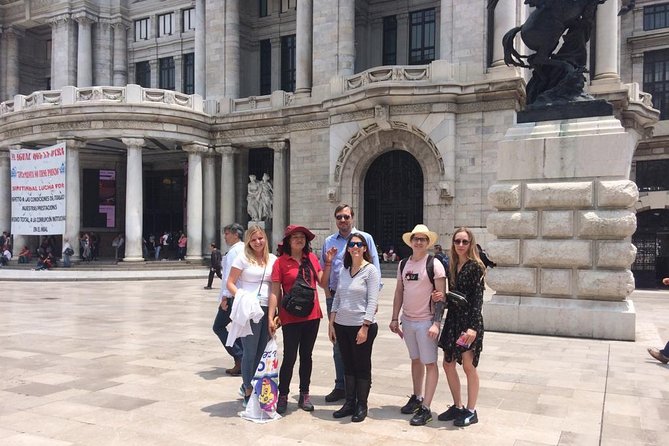
Templo Mayor, the Cathedral, the National Palace and Bellas Artes fit into one walk, but the distances are not the point. A good guide shows where Tenochtitlan still shapes the modern streets and where the next century broke through.
One metropolis, many speeds.
Centro Histórico starts early. Coyoacán stretches over coffee and a museum booking. Roma and Condesa favour a long lunch, while Xochimilco is louder by design. Pick the part of the city that matches the hours you have.
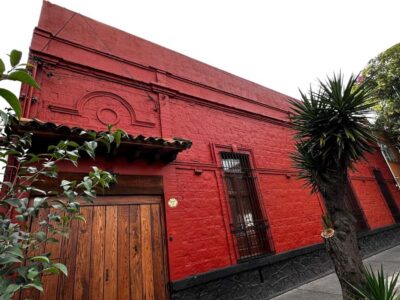
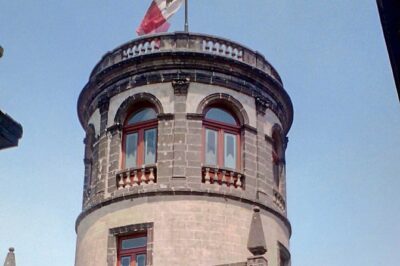

Start with how you like to travel.
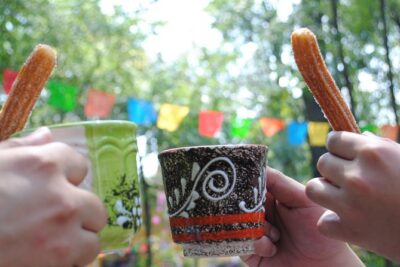
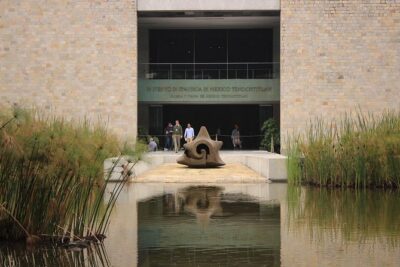
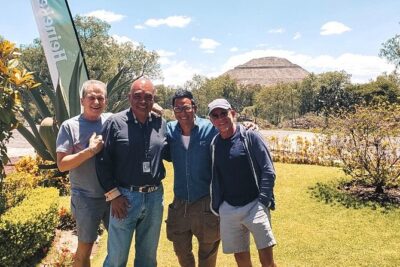
Walk, cook, cycle, climb, taste or take the top deck. Each doorway leads to a live category, so the page stays useful as more Mexico City reviews are published.
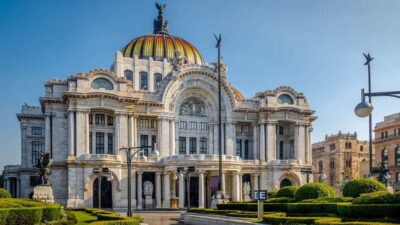

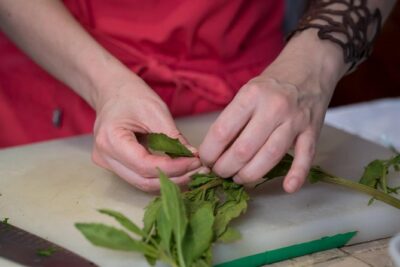



Trade traffic for a different skyline.
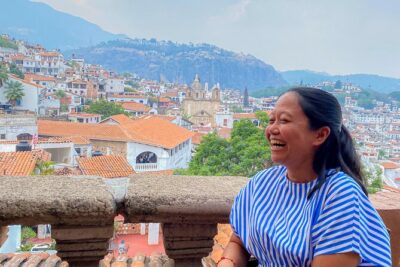
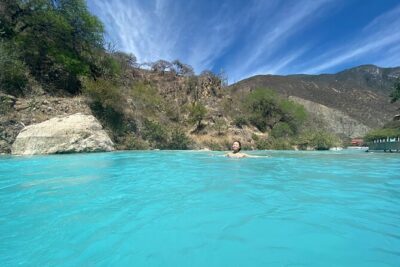
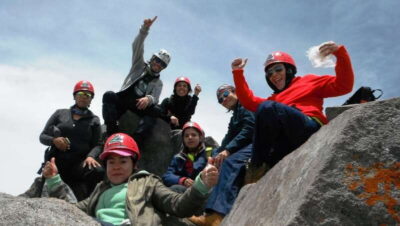
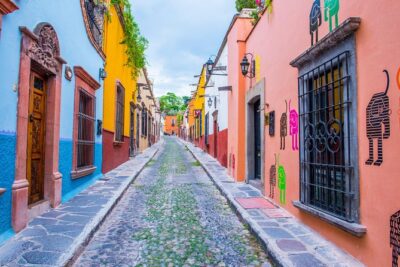
Choose pyramids, Puebla tilework, Taxco silver streets, Tolantongo pools or a high volcanic trail. These are proper full days from Mexico City, with the distance and return built into the booking.

A first three days with a clear rhythm.
Begin where the old capital sits under the modern one, move south for Frida and the canals, then give Teotihuacán a full day. The sequence keeps the long transfer away from your arrival.
 Day 1
Read the Centro first
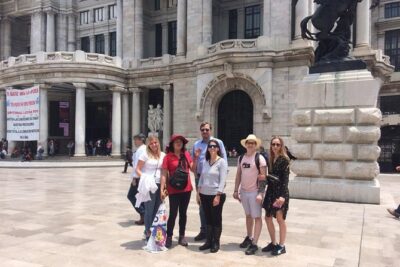
Reach the Zócalo before the pavement heats, cross into Templo Mayor, then take the Rivera murals and Bellas Artes before lunch. Keep the evening open for a first cantina.
Open the Centro routes →
Day 1
Read the Centro first
Reach the Zócalo before the pavement heats, cross into Templo Mayor, then take the Rivera murals and Bellas Artes before lunch. Keep the evening open for a first cantina.
Open the Centro routes →
 Day 2
Blue House to bright boats
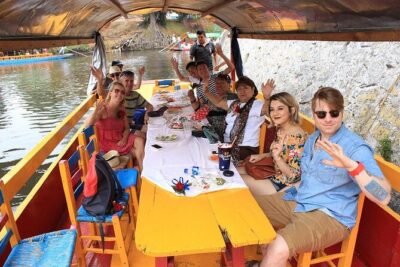
Book Casa Azul for the morning, stay in Coyoacán for the market and plaza, then continue to Xochimilco when the trajineras are in full colour.
Link Coyoacán and Xochimilco →
Day 3
Give the pyramids the day
Leave north at first light, walk Teotihuacán before midday and leave room for lunch rather than packing the return with shop stops. Add a balloon only if the dawn start suits you.
Choose the pyramid day →
Day 2
Blue House to bright boats
Book Casa Azul for the morning, stay in Coyoacán for the market and plaza, then continue to Xochimilco when the trajineras are in full colour.
Link Coyoacán and Xochimilco →
Day 3
Give the pyramids the day
Leave north at first light, walk Teotihuacán before midday and leave room for lunch rather than packing the return with shop stops. Add a balloon only if the dawn start suits you.
Choose the pyramid day →
New reviews ready for the shortlist.
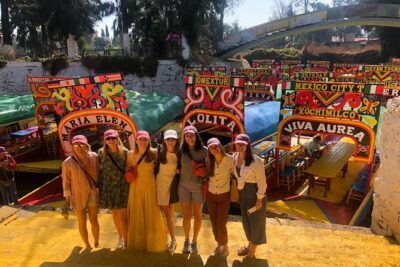 ★ 5.0Xochimilco Tour: Visit Coyoacan and Casa Kahlo in Mexico CityFrom $1653 reviews
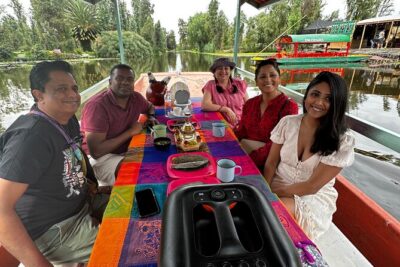 ★ 5.0Island of the DollsFrom $773 reviews
 ★ 5.0Curious and original Tour in the Historic Center of CDMXFrom $413 reviews
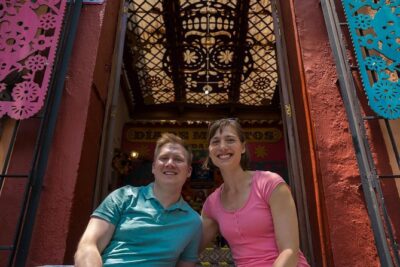 ★ 4.5San Angel Mexican Food TourFrom $993 reviews
 ★ 5.0Professional Mexico City Photoshoot, Capture and Cherish JourneyFrom $1293 reviews
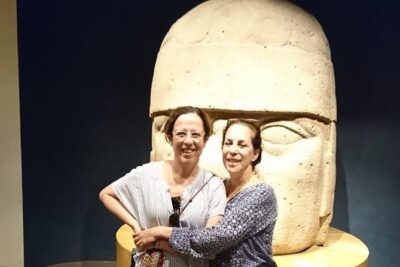 ★ 5.0Private Tour: Museum of Anthropology and Chapultepec CastleFrom $2593 reviews
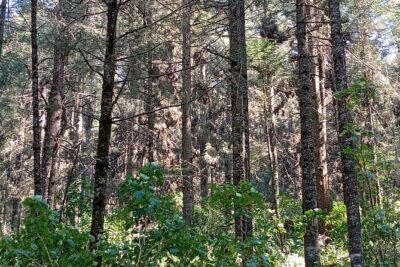 ★ 5.0Monarch Butterflies El Rosario Preserve from Mexico CityFrom $5853 reviews
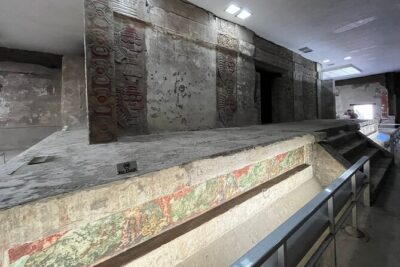 ★ 5.0Morning Tour of the Teotihuacan PyramidsFrom $533 reviews