
REVIEW · HISTORIC CENTER WALKING TOURS
The Best of Santa Maria de la Ribera
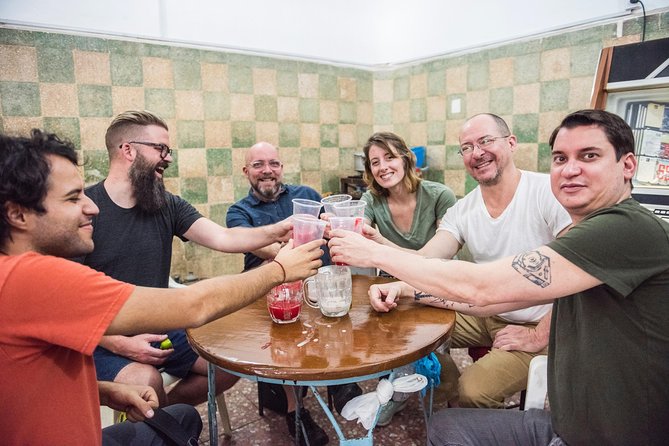
Food guides are everywhere, but this one goes local fast. I like that it focuses on Santa María la Ribera, a neighborhood most visitors skip, and still feels friendly and lived-in. I also love the way the tastings connect to neighborhood life, not just food for food’s sake.
The biggest consideration is simple: you’re traveling on a set route with set stops, and transport to and from isn’t included. So if you’re far from the meeting area, plan your ride ahead.
Key Things You Should Know Before You Go
- Small-group format with a cap of 8 travelers, plus a pace that feels personal
- Nico Garcia’s guide style ties each bite to local culture and history
- More than one meal’s worth of food, set up like a big breakfast plus lunch
- Hands-on salt making with herb-infused Mexican salt in a neighborhood garden
- Pulque tasting at a hidden pulquería with swinging doors and no sign
- A sweet buñuelos finish, plus one Mexican microbrew or mezcal
Take another turn around the Zocalo
- Historic Downtown Walking Tour
★ 5.0 · 1,289 reviews - Mexico City: Historic Downtown Walking Tour
★ 4.8 · 1,039 reviews - Walking Tour of the Historic Center of Mexico City
★ 5.0 · 870 reviews - Mexico City Historical Centre Food Tour with 7 Authentic Tastings
★ 5.0 · 723 reviews
Santa María la Ribera: A Food Tour Where the Neighborhood Teaches You
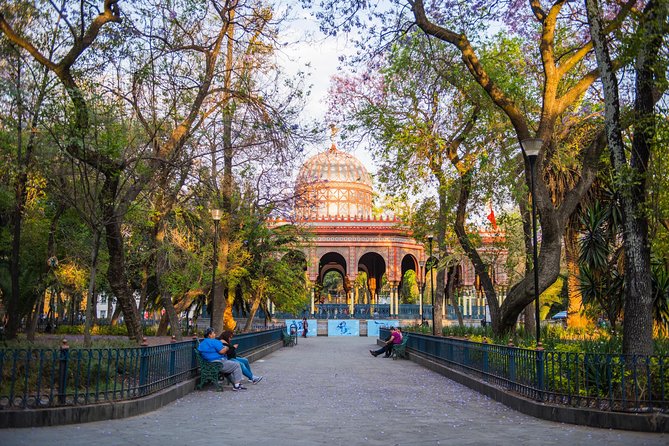
Santa María la Ribera has a turn-of-the-century feel, and it shows in the way everyday life plays out on the streets. On this tour, you’re not just hopping from one famous dish to another. You’re walking through a real working neighborhood where markets, factories, and small businesses do the heavy lifting.
What I like most is the balance. Yes, you’ll eat a lot. But you’ll also get context for why the food is the way it is. The guide, Nico Garcia, brings in neighborhood history and local resilience through what you’re tasting. That matters because Mexican food has layers, from regional ingredients to family-run production to older traditions that are still alive today.
The route also gives you something many food tours don’t: a sense of place. You see how people shop, how food gets made, and where residents go when they want a drink or a snack without making it a performance.
Meeting Point at Alameda de Santa María, Then Straight Into Bites
The tour meets at Alameda de Santa María, on Calle Salvador Díaz Mirón, in Santa María la Ribera. The start time is 1:00 pm, and the tour lasts about 3.5 hours (with around three hours listed for the core tasting portion).
Because the end point is in the same neighborhood, you’re basically staying put for the whole experience. That’s good if you want to avoid crisscrossing across Mexico City. The tradeoff is that you’ll need to handle your own transit to get there and back, since transport isn’t included.
This also helps with pacing. Small groups move more smoothly on local streets, and the guide can keep things conversational without constantly herding everyone.
Step One: Herb-Infused Mexican Salt in a Neighborhood Garden
The first stop sets the tone. You’ll visit a neat local garden where you make your own herb-infused Mexican salt. It’s the kind of simple activity that makes the rest of the tour hit harder, because once you’ve mixed the salt yourself, you start tasting with more attention.
This is also a smart warm-up. You get hands-on, sensory learning early, instead of saving all the flavor work for later. And because it’s not a rushed demo, you’ll have time to ask questions and get your bearings.
- Teotihuacan, Guadalupe Shrine & Tlatelolco Day Tour with Lunch★ 5.0 · 11,603 reviews
- Xochimilco, Coyoacan and Frida Kahlo with Optional Lunch★ 4.5 · 7,320 reviews
- Teotihuacan pyramids morning or afternoon without tourist traps★ 5.0 · 6,186 reviews
- Teotihuacan Early Access Guided Tour with optional Lunch★ 4.5 · 6,138 reviews
- Mexico City: Teotihuacan, Tlatelolco & Guadalupe Shrine Tour★ 4.6 · 3,773 reviews
Tamales Factory Stop, Where Variety Is the Point
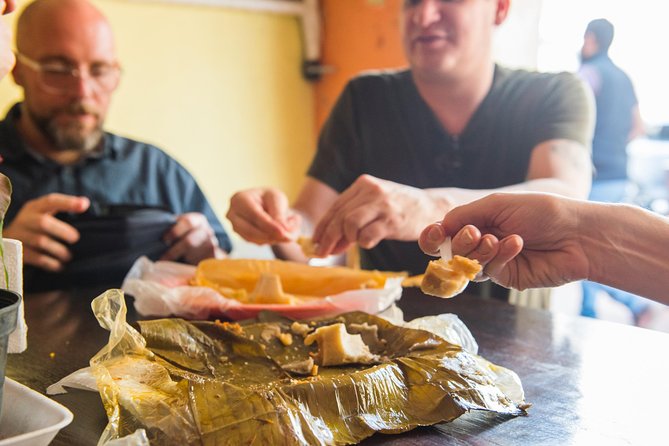
Next comes a working tamales factory that offers more than 20 varieties daily. This is one of those stops where the food isn’t just something prepared for tourists. It’s production, made in volume, and that changes the vibe immediately.
For you, that means two things. First, you get choices, not a single “standard” tasting. Second, it’s easier to understand why tamales are such a big deal in Mexico City. When you see many varieties produced regularly, you start noticing differences in textures, fillings, and seasoning styles.
One practical note: since you’re eating a lot across multiple stops, go easy on super spicy drinks at the beginning. You’ll want your palate working for pulque and dessert later.
Market Walk Through a Traditional City Market
After the tamales, you’ll do a quick stroll through a local market. This part is short, but it’s valuable because you’re seeing a traditional market feel, not just browsing a curated food hall.
Markets are where you learn the daily logic of ingredients. You get a sense of how vendors think, how produce and packaged goods move, and what locals treat as normal shopping. Even if you don’t buy anything, your eyes get trained fast.
This is also a good moment to ask the guide practical questions. If you want insider direction on where to eat later, this is the kind of stop where those tips become more specific and more useful.
A Cooking School and Restaurant With a Real Mission
One of the more meaningful stops is a neighborhood cooking school and restaurant that helps locals who want to start their own food businesses. It’s not just a “come watch, take photos” type of place. The point is job skills, opportunity, and the chance to turn cooking into a livelihood.
That matters because food tourism can sometimes feel like watching food instead of understanding the people behind it. This stop bridges the gap. You taste, but you also see a system designed to keep food skills in the neighborhood and pass them on.
If you care about how tourism can either harm or support communities, this is the kind of stop that gives you something more solid than a souvenir photo.
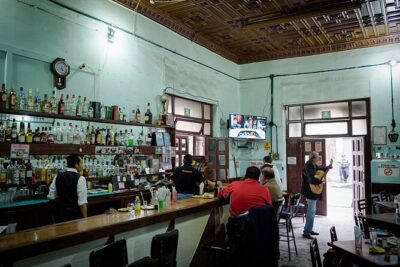
Hidden Pulquería With No Sign: Swinging Doors, Long-Time Regulars
Then you hit the pulque portion of the tour at a hidden pulquería. The place has swinging saloon doors and no sign, and it’s drawn neighborhood residents for more than 100 years.
Pulque is one of those drinks that can feel mysterious until you see that it’s part of local routine. On this tour, you’ll get a generous taste of traditional Mexican pulque, which helps you understand the drink’s place in Mexican food culture. And because pulque traces its roots to prehispanic times, the guide uses that history to frame what you’re tasting, not as a trivia fact but as context.
Practical advice: if you’ve never tried pulque before, keep expectations simple. It’s not beer, it’s not soda. Take it slow, sip, and pay attention to flavor and texture, especially since you still have dessert and a final drink later.
Landmarks in Santa María la Ribera, Including a Century-Old Geology Museum
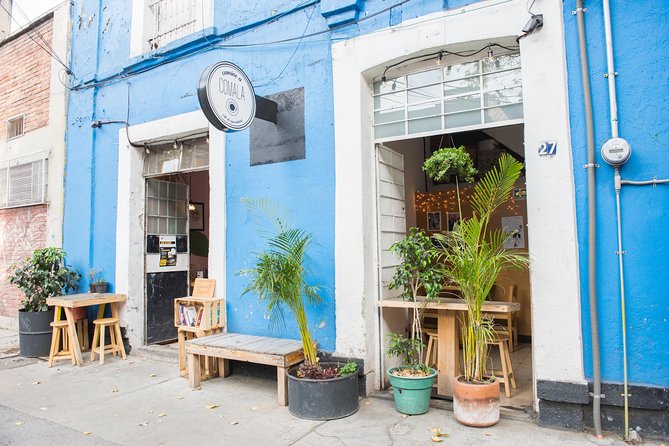
The tour also includes landmark viewing, which is a smart addition when you’re doing a food-focused walk. You’ll see elements that make Santa María la Ribera what it is, including a century-old geology museum.
This kind of stop is short, but it breaks up the eating rhythm and gives your brain a reset. It also helps you connect the neighborhood’s physical character to the food culture around it. Even when you only catch glimpses, you start building a map in your head: where you are, what period the buildings feel like, and how the area has evolved.
Buñuelos: The Crunchy Sweet Finish
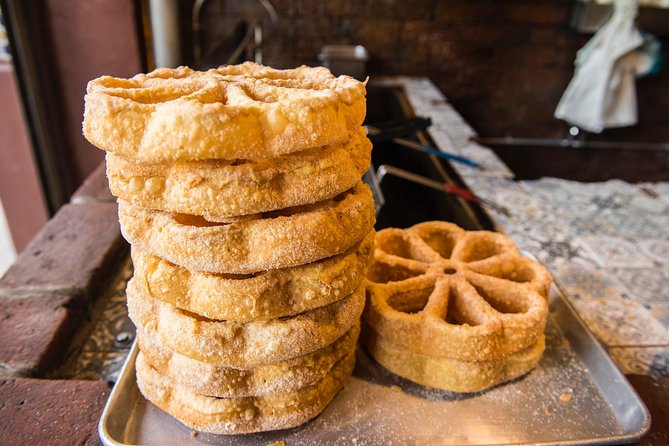
As a sweet treat, you’ll try buñuelos, which are crunchy fried dough topped with sugar syrup. This is one of those desserts that can make a food tour feel complete. It’s simple, classic, and easy to share if you’re with a small group.
If you have a sweet tooth, this portion will feel like a reward rather than an overload. If you don’t, you can still take a small bite and focus on texture and syrup balance. Either way, it’s a satisfying end to a tour that has already included big savory stops.
What’s Included: The Food Amounts That Make the Price Make Sense
Let’s talk value, because the price is not low, but it’s also not just “a few tastes.” The tour is $122.46 per person, and the structure is built around as much food as you can eat, described as enough for a large breakfast and lunch combined.
Included drinks are also part of the math:
- One agua fresca
- One coffee or tea at the end
- Generous pulque tasting
- One Mexican microbrew or mezcal
When you add up the typical cost of food stops across Mexico City, you quickly see why this pricing can work. You’re paying for multiple prepared items, multiple tastings across different types of food businesses, plus the guide who helps you connect it all.
One more value point: you’re not just eating indoors. The tour includes hands-on salt making, market walking, and neighborhood landmark viewing. That means you get a full experience, not a desk-bound food sampler.
Group Size and Pace: Why Small-Group Helps You Eat Better
This tour caps at 8 travelers, and a very small group size is part of what makes it feel personal. That matters on a food route, because it changes how the guide can interact with you. You can ask questions without feeling like you’re slowing down a line of strangers.
A small group also helps with logistics inside busy places like factories and kitchens. You’re less likely to get lost, and you’ll spend less energy figuring out where to stand.
If you like tours that feel like conversation with local context, this is the style to pick.
Language, Tickets, and the Practical Stuff You Should Actually Care About
The tour is offered in English, and you’ll get a mobile ticket. It’s also described as near public transportation, which is useful since transport to and from the tour is not included.
One more practical detail: the tour requires good weather. If weather is poor, you’ll be offered a different date or a full refund.
Who This Tour Suits Best (And Who Might Want Something Else)
This is ideal if you want:
- a food-heavy neighborhood walk in Mexico City
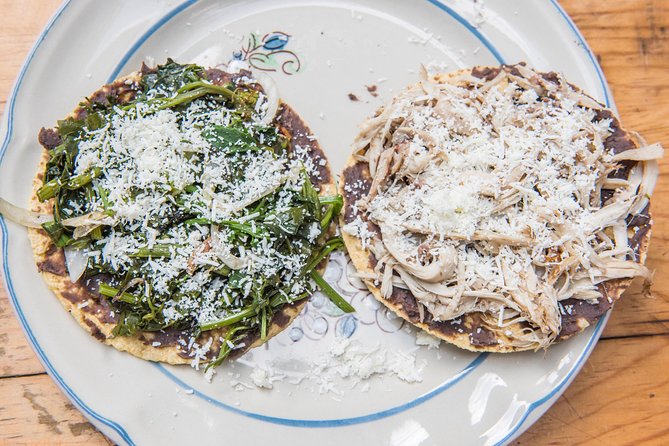
- tastings that include tamales, pulque, buñuelos
- a small-group feel with lots of food and insider tips
- a guide who connects what you eat to local culture, not just menu items
It might not be your best match if you prefer fully self-guided wandering, because the tour keeps you moving through scheduled stops. It’s also not the move if you’re planning to eat a full independent meal afterward, since you’ll likely leave pleasantly full.
Should You Book the Best of Santa María la Ribera?
Yes, if you’re the type of traveler who likes to eat first, then understand what you ate. This tour hits strong value because it’s built around multiple tastings at working places, plus enough food for a full morning and midday-style appetite. The small-group format and the focus on Santa María la Ribera make it a smarter choice than generic food lists.
Book it especially if you want pulque culture, tamales variety, and a neighborhood you don’t usually see on standard Mexico City itineraries. Just remember to plan your own ride to the meeting point, and bring a mindset of trying more than one thing per stop.
FAQ
What is the price of the Santa María la Ribera food tour?
The tour costs $122.46 per person.
How long is the tour?
It runs for about 3 hours 30 minutes (approx.).
What time does the tour start?
The start time is 1:00 pm.
Where does the tour start and end?
It starts at Alameda de Santa María on Calle Salvador Díaz Mirón, Santa María la Ribera, Cuauhtémoc, and ends at Restaurante El Estanquillo El 32, also in Santa María la Ribera.
What food and drinks are included?
You’ll have as much food as you can eat, plus one agua fresca and one coffee or tea at the end. The tour also includes a generous taste of pulque and one Mexican microbrew or mezcal.
Is the tour offered in English?
Yes, it’s offered in English.
How big is the group?
The tour has a maximum of 8 travelers.
Is the meeting point near public transportation?
Yes, it is listed as near public transportation.
What is the weather and cancellation policy?
The experience requires good weather. If canceled due to poor weather, you’ll be offered a different date or a full refund. Free cancellation is available up to 24 hours in advance for a full refund.
More Tour Reviews in Mexico City


More Streets Around the Centro Historico



More Mexico City plans worth opening

Historic Center Walking Tours for the next day.
 ★ 5.0Historic Downtown Walking TourFrom $261,289 reviews
 ★ 5.0Historic Center Food Tour in Mexico CityFrom $1151,263 reviews
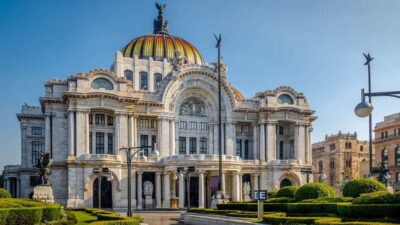 ★ 4.8Historic Downtown Walking TourFrom $261,039 reviews
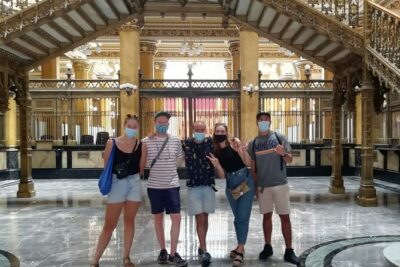 ★ 5.0Walking Tour of the Historic Center of Mexico City870 reviews
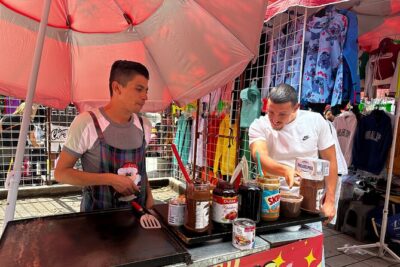 ★ 5.0Mexico City Historical Centre Food Tour with 7 Authentic TastingsFrom $65723 reviews
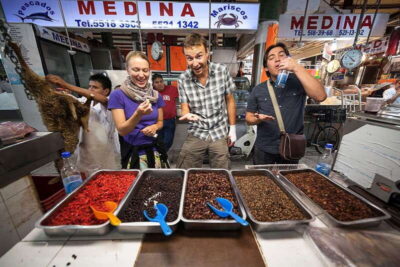 ★ 4.9Authentic Downtown Food TourFrom $115260 reviews
 ★ 5.0Culinary Secrets of the Centro HistóricoFrom $140257 reviews
 ★ 5.0Walking Tour – Impressive murals in Historical Center of Mexico CityFrom $51224 reviews
This review also appears in