
REVIEW · TEOTIHUACAN PYRAMIDS TOURS
Teotihuacan: The myth of the gods + secret murals (New route)
Myths at Teotihuacan make the pyramids click. This is a New route style visit that mixes Aztec-era meaning, stories about the gods, and the look-and-think details behind mural colors, not just photo stops. You also get the tour’s take on a supposed Egypt connection, which adds spice to the history lesson.
I particularly love the early start for the Moon Pyramid, when the area is quieter and your photos actually look like your own photos. I also like the workshop element, where you learn how murals get their pigments, including cochineal and plant-based colors.
One thing to plan for is the physical side. You should expect climbing at the Moon Pyramid and plenty of walking, so moderate fitness helps, especially if you get winded easily.
Key highlights worth knowing
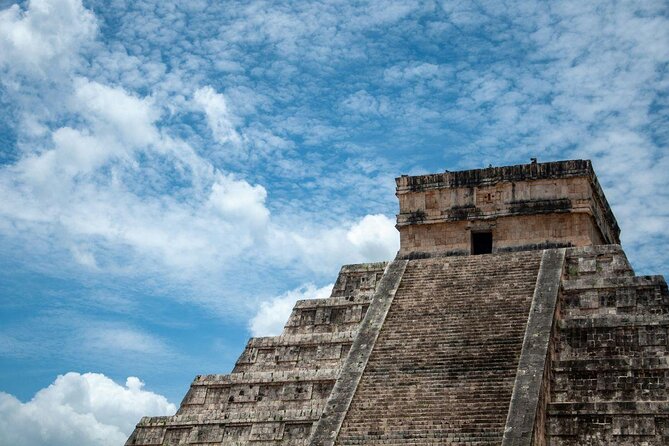
- Early Moon Pyramid time means better views, fewer people, and easier photos
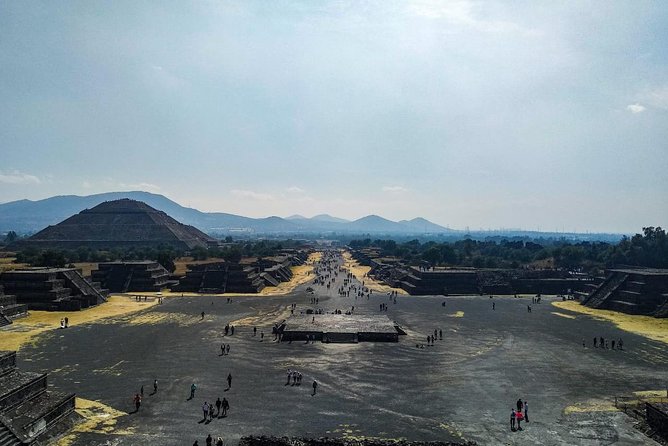
- Avenue of the Dead to the Sun Pyramid is the classic Teotihuacan walk, explained clearly
- Zacuala Palace adds the “how people lived” layer plus murals in a less crowded pocket
- Quetzalcoatl’s citadel focus turns myths into something you can visualize
- Cochineal and vegetable pigments workshop shows where mural colors come from
- Small group cap of 19 helps you hear the guide and ask questions
Choose another route through the Avenue of the Dead
- Teotihuacan, Guadalupe Shrine & Tlatelolco Day Tour with Lunch
★ 5.0 · 11,603 reviews - Balloon flight + Breakfast in cave + Pyramids + Pick up CDMX.
★ 5.0 · 6,335 reviews - Teotihuacan pyramids morning or afternoon without tourist traps
★ 5.0 · 6,186 reviews - Teotihuacan Early Access Guided Tour with optional Lunch
★ 4.5 · 6,138 reviews
Why This New-Route Teotihuacan Day Works So Well
Teotihuacan can feel like a pile of big rocks until someone gives you a story that holds together. This tour leans into the idea of the myth of the gods and the symbolism behind what you’re seeing. That storytelling approach matters because the site is huge, and without context you end up sprinting between landmarks.
You’ll get more than a basic readout of dates. The tour connects Teotihuacan to later Aztec-era understanding, and it also includes a talk about a link to Egypt. Even if you treat that Egypt angle as part history plus legend, the discussion still helps you understand why myths travel across centuries in the first place.
Finally, the “secret murals” angle is not just a marketing phrase. You spend time in areas where mural discussions are central, and you get a closer look at how color was made. That turns the visit from architecture viewing into something more hands-on.
Getting There: Private Transport, Mobile Tickets, and a Small Group
This is a smooth logistics day. You have private round-trip transportation, so you do not have to coordinate rides across Mexico City on a tight schedule. The meeting point is Frontón México on Av. de la República 17 in Tabacalera, and the tour starts at 8:15 am.
A couple practical benefits follow from that small-group setup. The maximum group size is 19 travelers, which keeps the pace from turning into a loud conga line. It also helps during explanation-heavy stops like the citadel and mural-color session, where you need to hear what the guide is saying.
You’ll also have a mobile ticket, so you should keep your phone charged. And since this is offered in English, it’s a good option if you want myth and history explained without guessing at translations.
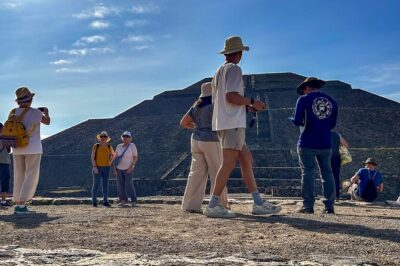
Stop 1, Moon Pyramid Climb When the Area Is Quiet
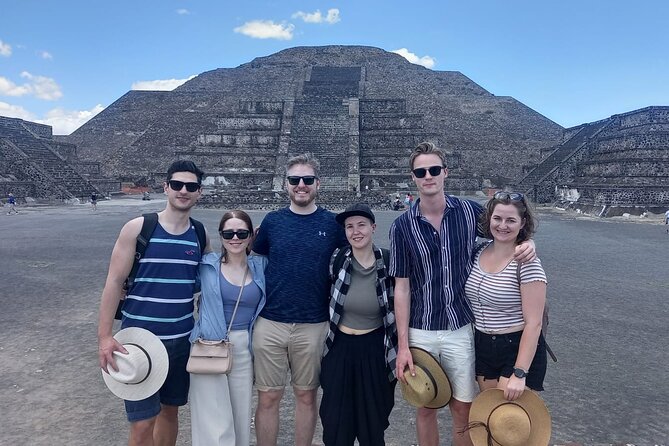
You begin at the Piramide de la Luna, and here the timing is the trick. The tour schedule sets this as an early stop, when the area is not crowd-heavy. That means two things for your experience: you can take calmer photos, and you can actually listen while you’re standing there, not shouting over other groups.
The visit includes a climb. Even if you are not a big hiker, do not treat this as casual walking. Plan slow steps, keep your breathing steady, and expect uneven footing around stone edges. If you’re traveling with someone who gets nervous on steep grades, this is the moment to slow down and let them set the pace.
Why this stop is more valuable than it looks on paper: it sets the tone for the entire site. When you stand higher above Teotihuacan, the next landmarks feel connected instead of random. You stop seeing buildings as separate objects and start seeing a layout that was designed to impress.
Read another wall painted across the capital
- CDMX: Xochimilco, Coyoacan, Frida Kahlo Museum & Murals Tour★ 4.4 · 3,025 reviews
- Mexico City; ART NACO : Murals & Street Art Bike Tour★ 5.0 · 284 reviews
- EXCLUSIVE TOUR Casa Estudio Frida Kahlo-Diego Rivera Small Groups★ 5.0 · 237 reviews
- Walking Tour – Impressive murals in Historical Center of Mexico City★ 5.0 · 224 reviews
- La Catrina & Muralism: Diego Rivera’s Legacy & Frida Kahlo★ 4.5 · 197 reviews
Stop 2, Sun Pyramid and the Avenue of the Dead
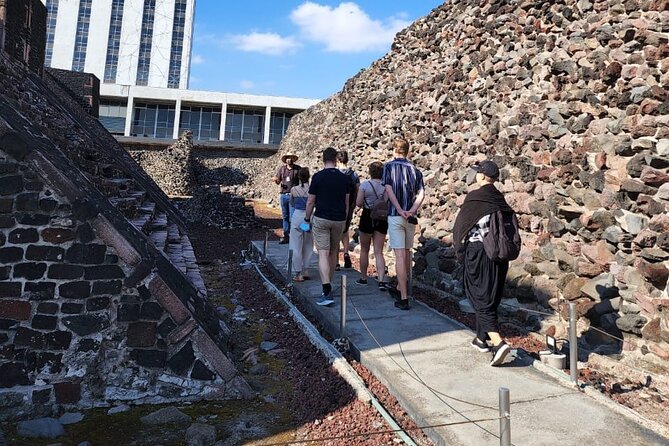
Next comes the Piramide del Sol, and this is the big headline structure of the day. The tour flags the Pyramid of the Sun as 65 meters high and treats it like the centerpiece it is.
Before you reach it, you walk along the Avenue of the Dead. This is not just a corridor between ruins. It’s part of why Teotihuacan reads like a planned ceremonial landscape. The guide’s explanations matter here, because the avenue can feel confusing if you only look for temples without understanding how people oriented themselves across the space.
You get a set amount of time at the Pyramid of the Sun, around 45 minutes, with the entry ticket included in the experience. That timing is good because it gives you enough minutes to look, listen, and take a few photos without feeling stuck.
A small consideration: if it’s warm, this is where you’ll feel it. Bring water and something for sun protection. Even if you’re not doing a long hike, you’ll be exposed during open-area walking.
Stop 3, Palacio de Zacuala for Life, Religion, and Murals
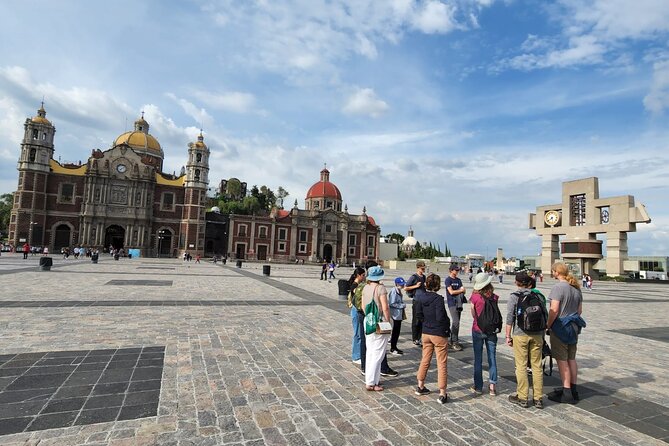
Not every Teotihuacan day gives you a meaningful break from the main pyramid story. Here, you move to the Palacio de Zacuala, described as a little-known part of the complex. That matters because it shifts your focus from the obvious wow factor to the lived-in and symbolic world that surrounded it.
During this stop, you’ll learn how people lived and how they understood religion. You also get to see impressive murals, which is where the day starts to feel more like art history than only archaeology.
The time slot is about 45 minutes. That’s enough time to notice things you would miss on your own, like how mural areas are positioned and what the guide draws your attention toward. It also helps you avoid the classic mistake of rushing every stop and ending the day with only a handful of decent photos.
If you like learning how everyday life ties into belief systems, this is a key stop. If you only care about the biggest pyramid silhouettes, you might find it a bit more detailed than you expected. But even then, it adds the context that makes the rest of the site make sense.
Stop 4, Quetzalcoatl’s Citadel and the Myths That Shape the City
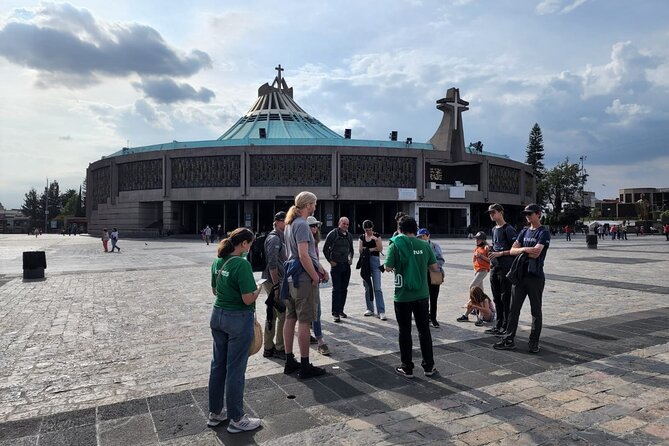
Then you head to the citadel, with the Temple of Quetzalcoatl as a central point. The tour frames this as one of the best preserved parts of the site, and it uses the setting to explain myths that shaped the city.
This is your longest stretch at about 1 hour. That longer block pays off because the citadel area benefits from a slower pace. You want time to stand in the right spots, look for details the guide points out, and connect the myth story to what you’re seeing in the stone.
The Quetzalcoatl focus is especially useful if you’re curious about how religion worked in practice. You are not only learning about a deity name. You’re learning how a shared set of beliefs could influence architecture and public space.
One more reason I like stopping here: it helps you connect Teotihuacan to the later Aztec world without turning the visit into a straight line of dates. Myth is not a footnote at these sites. It’s part of the logic behind what was built and why people would care enough to maintain it.
Stop 5, How Murals Get Their Colors (Cochineal and Plant Pigments)
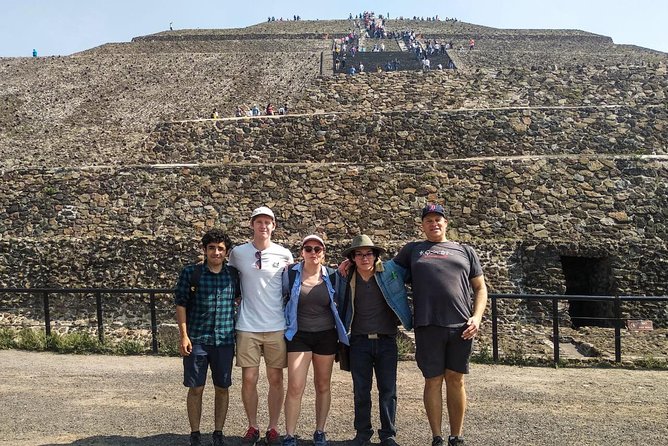
This is where the tour turns into something extra. At the final stop, a local artisan explains how the natives obtained the colors used to paint murals. You see cochineal and vegetable pigments, which gives you a grounded, visual understanding of the mural palette.
The session is about 30 minutes and is included. Even if you already know that pigments came from natural sources, seeing it explained in the context of Teotihuacan mural work makes it stick.
Why this matters for you, especially if you care about authenticity: modern ruins are stripped of their original color. Learning the color-making process helps you mentally rebuild what these surfaces might have looked like when they were new. And it changes your attention while you’re walking earlier stops, because you start noticing mural areas as surfaces designed to communicate, not just “decor.”
Practical tip for this stop: bring a camera only if you’re sure you can use it without blocking others. In workshops and explanations, people value seeing you respect their space.
Workshops, Souvenirs, and Where This Day Adds Value
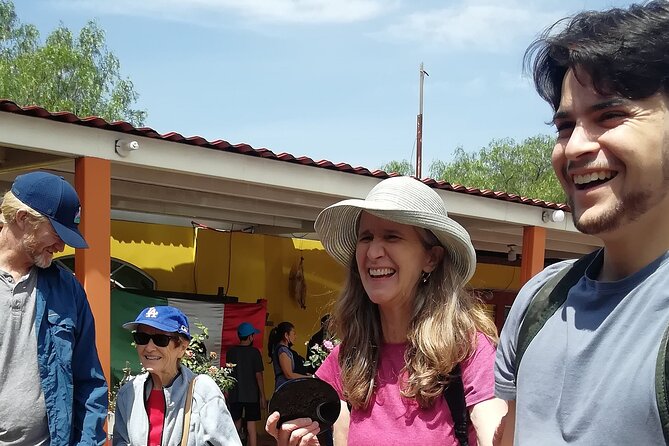
The tour highlights mention obsidian and silver workshops for unique souvenirs, and the day also includes an artisan-based workshop focus on pigments. Reviews also mention an introduction to local artisans making items like onyx sculptures during the workshop time. Translation: you’re not just passing shops at a distance. You’re getting a look at craft work, which is more satisfying than a quick commercial stop.
Since entry fees and the workshop session are included, you avoid the annoying moment where you realize you need extra cash for basic parts of the visit. The rest is your personal choice, meaning you can shop if you want, or keep your spending focused.
If you’re a souvenir buyer, I suggest setting a small budget in advance. That keeps you from feeling pressured when you see materials like obsidian or craft items connected to the mural-color narrative. If you’re not a souvenir person, you still benefit because craft time reinforces the theme of the day, myths plus the materials that carry meaning.
Practical Tips That Make the 6-Hour Plan Easier
This is about a 6-hour day, and it moves in a clear order: Moon Pyramid, Sun Pyramid, Zacuala, citadel and Quetzalcoatl, then the pigment explanation. It’s easy to underestimate how much walking and standing you’ll do across ruins.
Here’s what helps most:
- Wear comfortable shoes with grip for stone surfaces.
- Expect sun and plan water and a light layer, even in cooler mornings.
- Bring your phone charger cable if you rely on the mobile ticket.
- Buy lunch if you need it. Lunch is not included, and there are convenience stores at the meeting point, so you can grab something earlier rather than hunting later.
The tour includes transport and tickets, so you can keep your mental energy on the actual experience. That’s a big part of the value.
Who Should Book This Teotihuacan Tour
This tour fits best if you want:
- Story-heavy guiding, not only architecture viewing
- A day plan with pyramids plus murals and myth context
- Time with artisans and explanation about pigments
It’s also a good pick if you’re visiting Mexico City and want one organized half-day that does not depend on public transit transfers. The private round-trip transportation takes that stress away.
You’ll want to think twice if you have limited stamina or you dislike climbing. The Moon Pyramid stop includes climbing, and the rest involves lots of walking around uneven ground.
If you’re traveling with people who learn best through narrative, this day is tuned for them. Guides described as passionate and history-minded in past groups create a day where mythology feels like part of the architecture, not a separate topic.
Should You Book This Teotihuacan New Route Tour?
Book it if you want Teotihuacan to feel like a coherent story, with secret murals, a Quetzalcoatl citadel focus, and an artisan explanation of how mural colors were made. The included transport, entrance fees, and the workshop session make it a practical way to spend a morning without surprise costs.
Skip it if your main goal is a fast checklist of ruins and you do not care about murals or natural pigments. Also skip or consider another option if climbing and uneven stone surfaces would be uncomfortable for you.
If you do book, my advice is simple: treat the early start as an advantage, take your time at the citadel and pigment stop, and keep your phone ready. This tour is at its best when you slow down enough to hear the myth-making that turns the stones into meaning.
FAQ
What is the duration of the Teotihuacan tour?
The tour lasts about 6 hours.
What time does the tour start, and where is the meeting point?
It starts at 8:15 am. The meeting point is Frontón México, Av. de la República 17, Tabacalera, Cuauhtémoc, 06050 Ciudad de México, CDMX, Mexico.
Is lunch included?
No. Lunch is not included, and there are convenience stores at the meeting point, so it can be helpful to buy something to take during the tour.
Are entrance fees included?
Yes. The Teotihuacán entrance fee is included, and specific stops also note admission as included or free.
Is the tour offered in English?
Yes, the tour is offered in English.
How big is the group?
The tour has a maximum of 19 travelers.
More Tour Reviews in Mexico City



Murals Across the Capital




Teotihuacan Beyond the First Pyramid
More Mexico City plans worth opening


Teotihuacan Pyramids Tours for the next day.
 ★ 5.0Teotihuacan, Guadalupe Shrine & Tlatelolco Day Tour with LunchFrom $3911,603 reviews
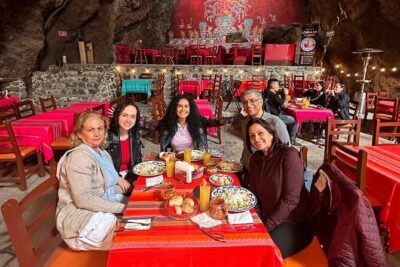 ★ 5.0Balloon flight + Breakfast in cave + Pyramids + Pick up CDMX.From $1726,335 reviews
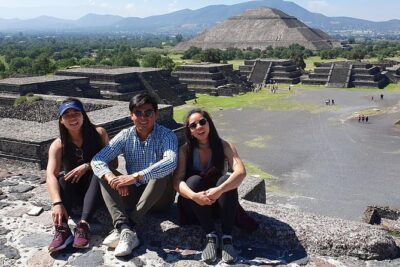 ★ 5.0Teotihuacan pyramids morning or afternoon without tourist trapsFrom $646,186 reviews
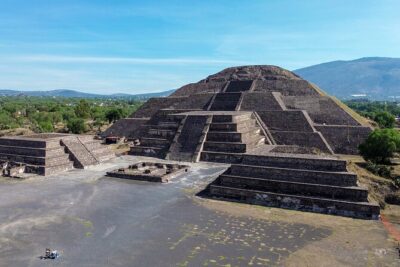 ★ 4.5Teotihuacan Early Access Guided Tour with optional LunchFrom $396,138 reviews
 ★ 5.0Balloon flight + pick up in CDMX + Breakfast in Cave + PyramidsFrom $1695,651 reviews
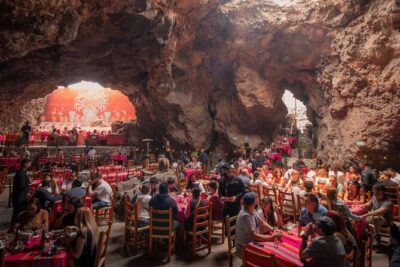 ★ 5.0Balloon Flight + Cave Breakfast + Pick Up from CDMX or We FlyFrom $1664,410 reviews
 ★ 4.6Teotihuacan, Tlatelolco & Guadalupe Shrine TourFrom $493,773 reviews
 ★ 5.0Teotihuacan Hot Air Balloon Flight from Mexico City / VolareFrom $1553,262 reviews
This review also appears in