REVIEW · MEXICO CITY
Soumaya: the greatness of Mexican & western art.
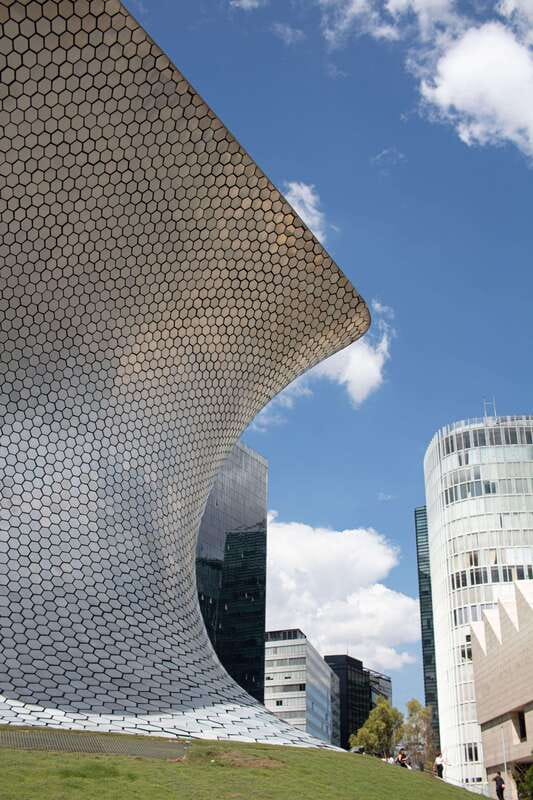
Six floors, one art story. This Soumaya Museum tour connects Mexican art with major Western names, helping you see how ideas travel across time and borders. I especially like the six-floor walkthrough and the Mexican-first way the guide frames each room, but the main consideration is that you will still pass through European-focused sections even if your top priority is Mexico alone.
You meet at the main gate in Polanco and join a small group capped at 10, with a live guide available in several languages. The tour lasts 2.5 hours, and it moves floor by floor so you are not just wandering and hoping the art makes sense. Guides like José Vicente Figueroa (GM International Travel) and Francisco are known for clear explanations and patience, including when families are along.
You do not need art-student credentials. You will walk through thematic galleries such as Modernism (Ars & Techné), Myths & allegories, Old Masters (Europa & viceroy), and transitions from Romanticism to Avant Garde, plus sections devoted to 20 centuries of Mexican art and Rodin’s era. Along the way, you will encounter artists you already recognize, from Rodin and Van Gogh to Rivera, Orozco, Velasco, and Miguel Ángel, among others.
Key highlights worth planning for
- Meet at the Soumaya main gate in Polanco and start with a guide, not a guessing game
- Six floors in 2.5 hours, organized by themes like myths, allegories, and modernism
- A comparison built into the museum layout, pairing Mexican art with Western masterpieces
- Major artist names across sculpture, painting, and classic Old Masters
- Small group size (up to 10) that leaves room for questions
- Multi-language guiding including English, Portuguese, Spanish, German, Italian, and Russian
Before you settle on this one, put these Mexico City alternatives beside it:
- Teotihuacan, Guadalupe Shrine & Tlatelolco Day Tour with Lunch
★ 5.0 · 11,603 reviews - Xochimilco, Coyoacan and Frida Kahlo with Optional Lunch
★ 4.5 · 7,320 reviews - Balloon flight + Breakfast in cave + Pyramids + Pick up CDMX.
★ 5.0 · 6,335 reviews - Teotihuacan pyramids morning or afternoon without tourist traps
★ 5.0 · 6,186 reviews
Soumaya in Polanco: start at the main gate, then let the guide do the sorting
Soumaya Museum is a place where art hits fast, but meaning takes a little help. Starting at the main gate with a guide matters because you immediately get a map of what you are seeing and why it is arranged that way. In other words, you are not left alone with labels and a lot of rooms.
This is also a smart format if you like both Mexico and Western art, but you do not want to pretend you know everything. The tour is built for curious visitors who want context, the kind that turns random viewing into a clear story.
2.5 hours and six floors: how to pace your attention
The tour covers the whole museum across six floors in just 2.5 hours. That sounds intense, but it usually works because you are not trying to “see everything,” you are seeing the main pieces that anchor each theme, with the guide pointing out what to notice.
That pacing is the value. You get a structured route through categories like Modernism, myths and allegories, Old Masters, and modern and contemporary turns. It is perfect when you want a first-time visit experience that still feels guided and intentional.
The tradeoff is simple: you cannot slow down for hours per floor. If you are the type who wants to linger in front of one painting for a long time, you may need to plan extra independent time after the tour.
Modernism through Ars & Techné: the craft behind the big ideas
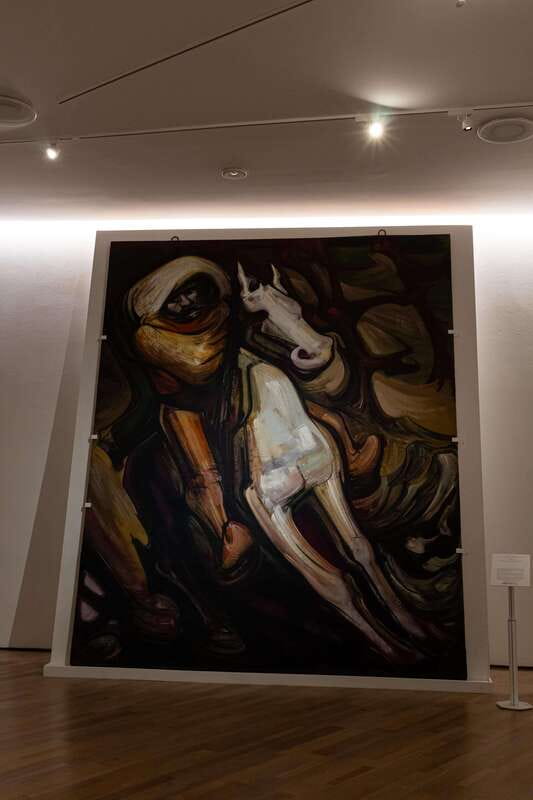
One of the museum’s thematic tracks is Modernism, labeled Ars & Techné. That pairing is useful because it pushes you to look at art as both concept and technique. You are encouraged to notice how artists use materials, design choices, and visual structure to make ideas feel real.
What I like about this section for most visitors is that it avoids the “only experts understand this” vibe. Even if you do not know art movements by name, the guide helps you connect what you see to why it matters. It turns Modernism into something you can talk about without sounding like a textbook.
You will also encounter recognizable Western artists in the overall route, which helps you compare styles side by side. When you later look at Mexican works in other sections, you can see what artists were responding to and what they were breaking away from.
- Teotihuacan, Guadalupe Shrine & Tlatelolco Day Tour with Lunch★ 5.0 · 11,603 reviews
- Xochimilco, Coyoacan and Frida Kahlo with Optional Lunch★ 4.5 · 7,320 reviews
- Teotihuacan pyramids morning or afternoon without tourist traps★ 5.0 · 6,186 reviews
- Teotihuacan Early Access Guided Tour with optional Lunch★ 4.5 · 6,138 reviews
- Mexico City: Teotihuacan, Tlatelolco & Guadalupe Shrine Tour★ 4.6 · 3,773 reviews
Myths & allegories: from the visible to the invisible
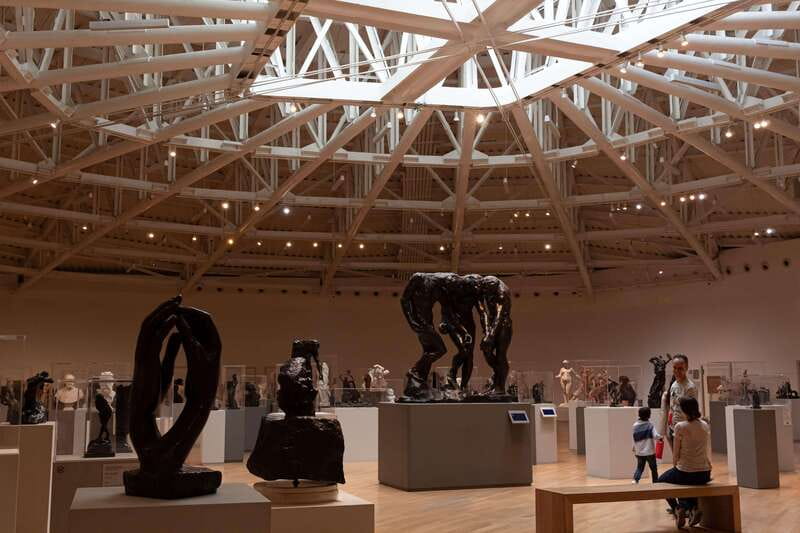
Another major thematic area is Myths & allegories, a title that tells you what to look for: meanings that sit under the surface. Instead of treating myth as “old stories,” you are guided to spot symbols, patterns, and storytelling choices that make those stories legible.
This is one of the best sections for a first-time museum visit because it gives you a way to interpret details. If you have ever stood in front of art and wondered, What am I missing? this is the part where you start learning how to see.
The practical benefit is that you leave this section with mental tools. Even when you move to other galleries, you tend to look more carefully at gestures, composition, and recurring visual themes.
Old Masters, Europa & viceroy: why the European lens matters for Mexico
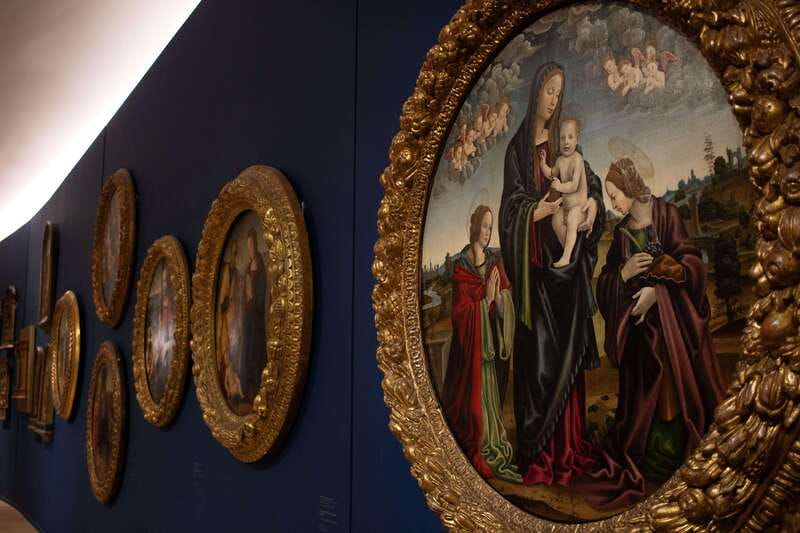
The Old Masters section, labeled Europa & viceroy, is where the tour’s comparison approach really clicks. You are seeing how European traditions and power structures influenced art in the Americas, and how that influence can show up in subject matter, style, and cultural framing.
You may recognize names tied to European painting traditions, and you can then use that familiarity like a shortcut for understanding. The guide helps you connect technique and subject to the larger historical context, without forcing you to memorize dates.
This section can be a lot if your main goal is only Mexican art. One concern worth flagging: you will still spend meaningful time in European-oriented rooms. The payoff is that it makes later Mexican sections easier to understand as conversations, not isolated stories.
Romanticism to Avant Guarde and the arc into Mexican modern art
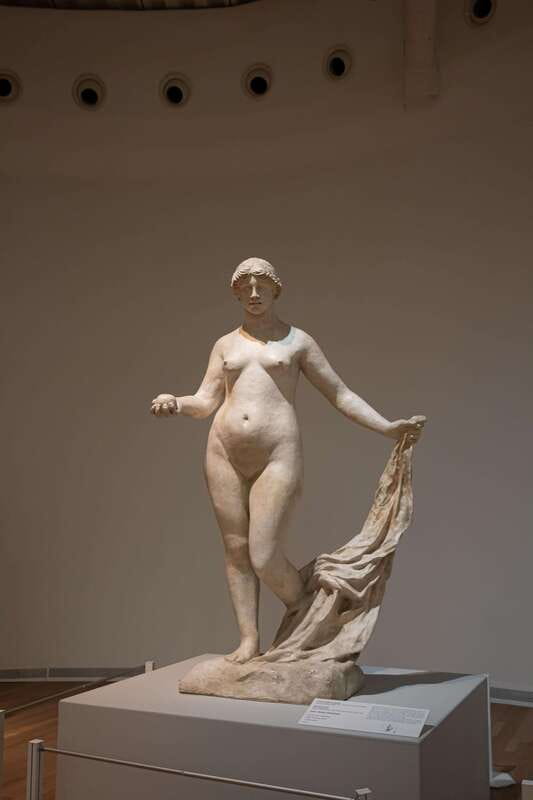
The tour includes a transition track from Romanticism to Avant Garde. That is not just a timeline; it is a shift in how artists treat emotion, realism, experimentation, and visual language. You can use this section to train your eye for how styles evolve when artists try new ways of seeing.
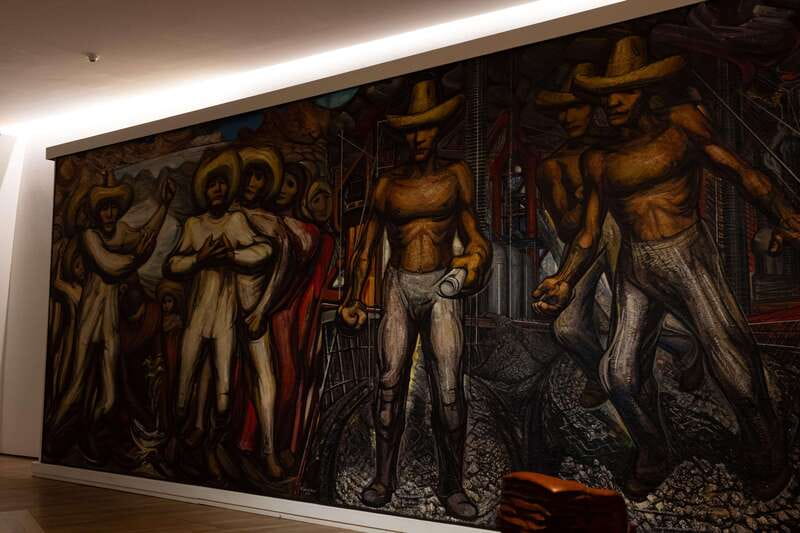
Then the museum’s route leans strongly into 20 centuries of Mexican art. This is where you start to feel the tour’s promise: the other history of Mexico, told through the museum’s chosen themes and major artists.
You will encounter Mexican names across the route, including Rivera and Orozco, plus artists like Velasco, Correa, and De Echave Orio. Even if you do not already know their styles, the guide’s job is to give you a handle on what makes each one distinct, and how each fits into the larger story of Mexican art across centuries.
Rodin’s era: a Western anchor for your comparisons
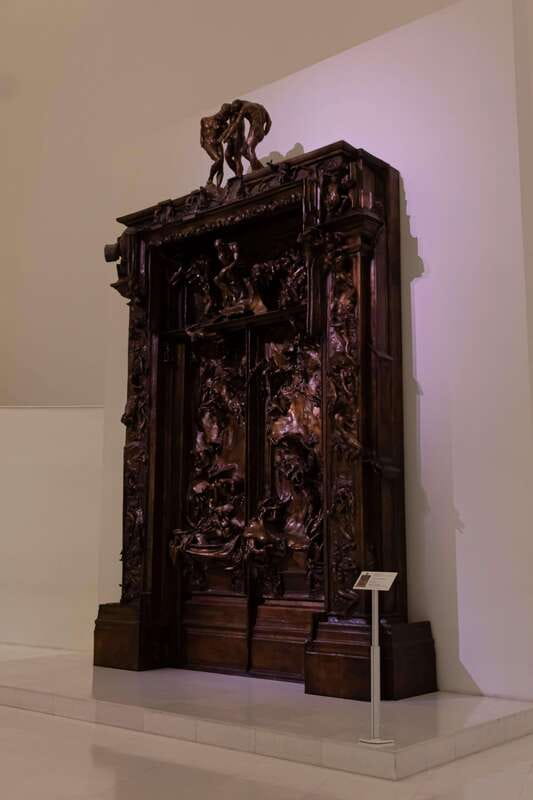
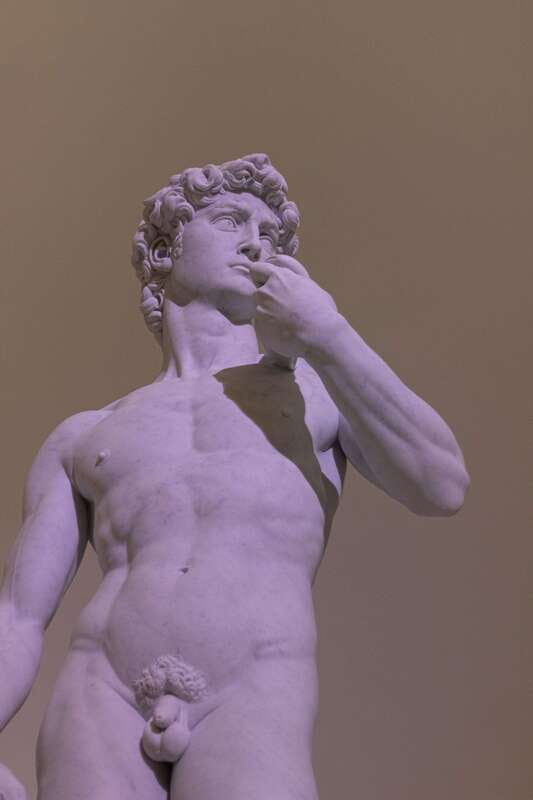
Rodin’s era is a clear “anchor” stop in the broader Western narrative. If you like sculpture, you will feel the strong pull of this section because Rodin is one of those artists people already associate with intensity and form.
Even if sculpture is not your favorite medium, this stop helps you compare how Western art develops across modern eras. When you contrast this with Mexican art later in the route, you start to see shared concerns and different priorities.
This is also one of the reasons the tour works well for non-experts. You can rely on familiar names as entry points while the guide connects them to the themed structure inside the museum.
The artist lineup you should expect to recognize
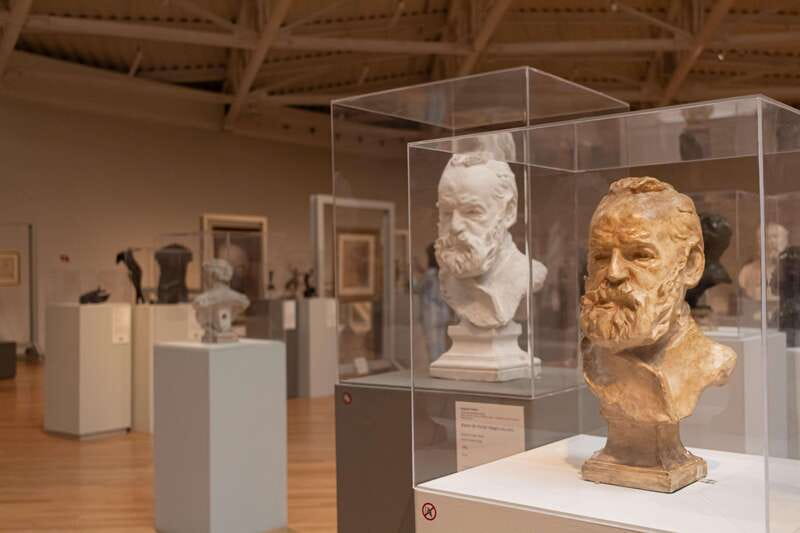
A big selling point here is the range of artists in the route. You may see major Western names like Rodin, Dumier, Van Gogh, Pissarro, Monet, and Manet. On the Mexican side, expect to encounter Juan de Flandes, Rivera, Orozco, Velasco, Correa, De Echave Orio, and Miguel Ángel appears in the lineup as well.
The point is not to turn the tour into a checklist. The point is to use those names as landmarks as the guide walks you through themed sections. That makes the museum feel more navigable and less overwhelming.
If you come in knowing only a couple of artists, this tour still makes sense. You will leave with a short list of what to remember, and a way to explain what you understood, even if your museum knowledge is casual.
Guide power: when explanations match the room
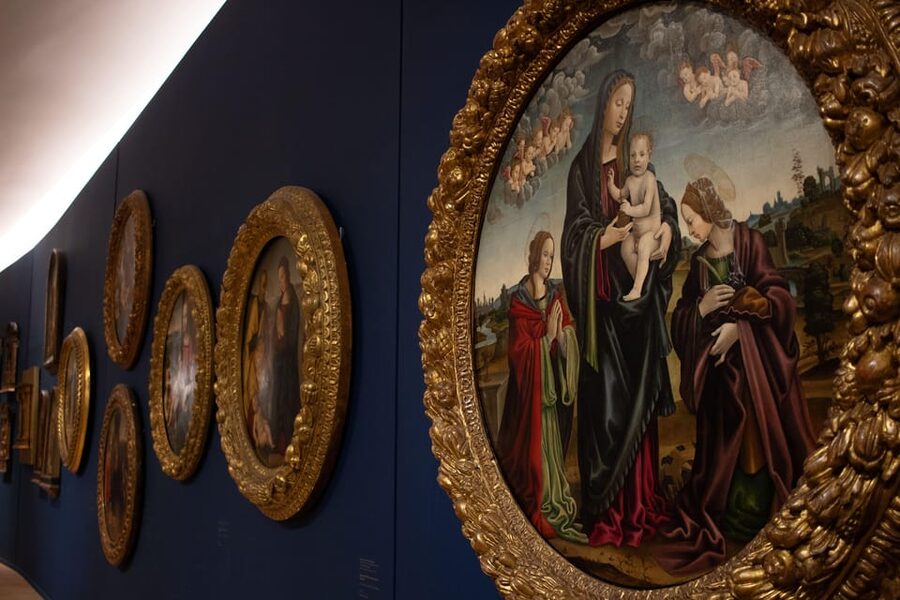
The biggest difference between a frustrating museum visit and a satisfying one is whether someone gives you the right context at the right time. In this tour, the guides play that role, and the experience is often praised for enthusiasm and clarity.
José Vicente Figueroa, from GM International Travel, is specifically noted for enthusiastic, masterful guidance through historical periods of Mexican art. That matters because the tour’s structure can feel like a whirlwind unless you know how to interpret it. A strong guide turns the museum into a sequence of meanings instead of a pile of artworks.
Francisco is another guide name you may see connected with lively, entertaining explanations and small visual details in different paintings. You also get the sense that guides pay attention to group needs, including being patient when kids and elderly family members are along.
Value vs. going it alone: what you actually gain
You could visit the Soumaya on your own, of course. But this guided route gives you three real advantages.
First, you get a thematic map across six floors: Modernism (Ars & Techné), myths and allegories, Old Masters (Europa & viceroy), Romanticism to Avant Garde, 20 centuries of Mexican art, and Rodin’s era. That structure helps you keep track of what you are seeing and why it connects.
Second, you get guided focus on main pieces within each room, with a national-based tilt. This is especially valuable if you care about Mexico as more than a section label.
Third, you have a live guide in your language, with options including English, Portuguese, Spanish, German, Italian, and Russian. That shifts the museum from passive looking to active understanding.
The only reason to skip a guided format is if you prefer total freedom and you already know the art movements and artists well enough to build your own narrative on the spot.
Practical tips so you do not waste the 2.5 hours
You are moving through a big museum in a short time, so treat the tour like a guided route, then decide what to revisit afterward. If you want extra time with Mexican art, ask your guide to prioritize those floors and main pieces as you go. That keeps your visit aligned with your interests.
Wear comfortable shoes and plan for plenty of walking. The tour includes six floors, and even with a guide, your body still has to keep up.
If you are traveling with different ages, this format can work well because the guidance is designed to be understandable. Still, keep expectations realistic, the tour is brief compared to what you could spend on any one room.
Finally, if European-focused rooms feel like a distraction, remember this museum’s whole idea is comparison. Even a short look can help you later interpret Mexican works as reactions, adaptations, and arguments with Western art traditions.
Who should book this Soumaya Mexican and Western art tour
Book it if:
- You love Mexico and want a guided path through major Mexican art names and periods
- You also enjoy Western art and like the idea of comparing traditions
- You are art-curious, not necessarily art-certified
- You want a museum visit that does not require hours of planning to make sense
Consider another option if:
- Your goal is purely Mexican art and you do not want any time on European framing
- You prefer slow museum pacing and long stops over a structured route
Should you book this tour?
I think this is a strong choice for most first-timers who want meaning fast. The combination of a six-floor route, a multilingual live guide, and a structure that links Mexican and Western art is exactly what helps the Soumaya feel coherent instead of chaotic.
If your top goal is Mexican art, go for it, and choose this tour with the expectation that a good guide will help you keep Mexico in focus. If you are extremely strict about avoiding European sections, you might find the comparison approach less comfortable, but you can still steer your attention to the Mexican angles while you are there.
FAQ
FAQ
Where is the meeting point for the tour?
The tour meets at the main gate of the Museo Soumaya.
How long is the guided tour?
The tour duration is 2.5 hours.
How many people are in the group?
The group is limited to 10 participants.
What languages are offered for the live guide?
The live guide can be available in English, Portuguese, Spanish, German, Italian, and Russian.
What parts of the museum are included?
You explore the museum across 6 floors, organized into themed areas including Modernism (Ars & Techné), Myths & allegories, Old Masters (Europa & viceroy), Romanticism to Avant Garde, 20 centuries of Mexican Art, and Rodin’s era.
Is the tour wheelchair accessible?
Yes, the experience is wheelchair accessible.
Can I cancel and also use reserve now and pay later?
Free cancellation is available up to 24 hours in advance for a full refund, and you can reserve now and pay later, which means you can book your spot and pay nothing today.