
REVIEW · TICKETS
Mexico City: Ticket de entrada Museo Memoria y Tolerancia
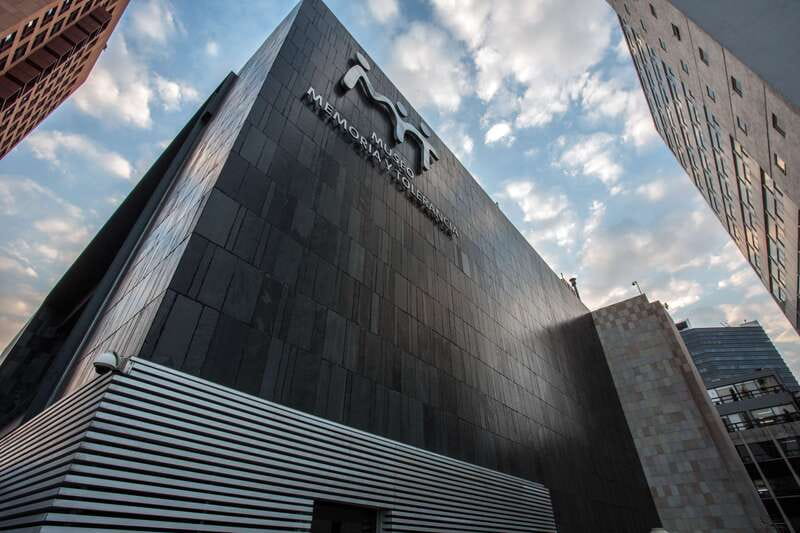
One museum, 43 rooms, and a lot to think about. Museo Memoria y Tolerancia uses history and art to push you toward tolerance, not just facts on a wall.
I especially like how clearly the museum connects the Holocaust and other crimes against humanity to the ideas behind tolerance, human rights, and social action. I also like that your ticket includes an audio guide in Spanish and English, so you can actually follow along at your own pace.
The main drawback is also the point: the subject matter is heavy. If you are bringing kids, the permanent exhibitions are recommended for children older than 15, so plan accordingly.
Key highlights you should not miss
- 43-room permanent exhibition with more than 1,200 objects, documents, and audiovisual pieces
- Holocaust plus other genocide and atrocity memory, including Armenian genocides, Rwanda, Guatemala, Cambodia, Darfur, and Yugoslavia
- Audio guide in Spanish and English, included with your entrance ticket
- Interactive and sculptural installations tied to tolerance and non-violence, including works by Jan Hendrix
- Temporary exhibitions included, so you do not just see one fixed collection
Keep these Mexico City options within reach:
- Lucha Libre Tickets & Tacos & Beer & Mezcal – BEST NIGHT EVER!
★ 5.0 · 1,077 reviews - Frida Kahlo VIP [Museum Tickets Included] Bike, Markets & Churros
★ 5.0 · 1,072 reviews - Frida Kahlo VIP [Museum Tickets Included] Walk, Markets & Churros
★ 5.0 · 982 reviews - Mexico City: Frida Kahlo Museum Entry Ticket w/Digital Guide
★ 4.5 · 683 reviews
Where to find Museo Memoria y Tolerancia and how to pace your day
Museo Memoria y Tolerancia is in downtown Mexico City, at Plaza Juarez, next to the Secretaria De Relaciones Exteriores, and in front of the Hemicycle to Juarez. That is a practical location, because you can combine it with other central sights before or after.
This is a one-day ticket, but it is not a quick stop. With 43 rooms and well over 1,200 items and documents, you will want time to slow down and read. I suggest planning on spending the better part of your day inside, then leaving yourself buffer time for the start time you choose.
Your ticket value: $13 includes the audio guide and temporary exhibitions
At about $13 per person, this ticket is strong value because it bundles several things that usually cost extra in museums. You get the entry ticket, an audio guide available in Spanish and English, and admission that includes the temporary exhibitions.
The audio guide matters here. The museum is built around memory, context, and interpretation, so having guided explanations lets you understand what you are seeing without constantly scanning a wall label. If you prefer to move at your own rhythm, the audio format supports that.
A small planning note: no food and drinks are allowed inside. That means you should think about a snack or drink plan before you arrive, then bring your energy for rooms that may require more emotional and mental bandwidth than a typical museum.
Entering the museum and using the Spanish and English audio guide
Once you are in, the museum experience is designed to be navigated room by room. Your entry ticket comes with an audioguide in Spanish and English, so you can choose the language that fits you best right away.
My advice is simple: do not treat the audio guide like a background soundtrack. Pause when a room changes, and make yourself notice what the museum wants you to connect. The content is about indifference, discrimination, and violence, so your attention is part of the lesson, not just your feet moving through space.
If you are traveling with someone who prefers a different language, you can still do the visit together, just expect that your pace may shift when one of you stops to listen more carefully.
Take a wider circuit through Mexico City
- Mexico City: Teotihuacan, Tlatelolco & Guadalupe Shrine Tour★ 4.6 · 3,773 reviews
- Teotihuacan Hot Air Balloon Flight from Mexico City / Volare★ 5.0 · 3,262 reviews
- Teotihuacan Private Tour from Mexico City★ 5.0 · 1,890 reviews
- Historic Center Food Tour in Mexico City★ 5.0 · 1,263 reviews
- The best tour to Teotihuacán from Mexico City★ 5.0 · 1,236 reviews
The permanent exhibition in 43 rooms: what you will actually experience
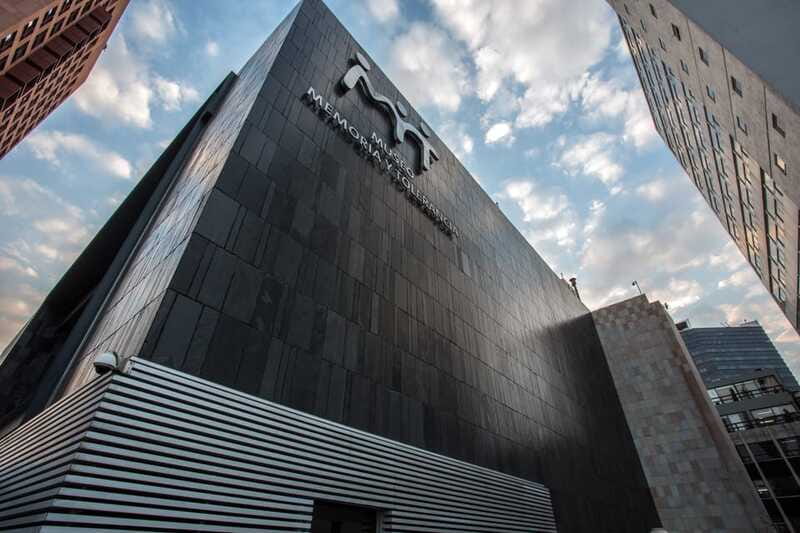
The heart of the visit is the permanent exhibition, presented across 43 rooms. The museum frames its mission around historical memory, especially the Holocaust and other crimes against humanity, including genocide in places like Armenia, Rwanda, Guatemala, Cambodia, Darfur, and Yugoslavia.
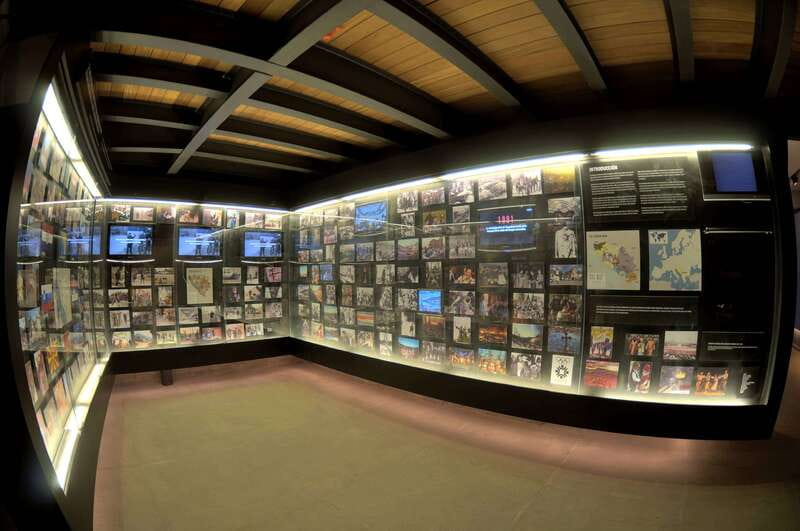
What makes this permanent exhibition so effective is that it is not only a timeline. You will see more than 1,200 objects, documents, and audiovisual pieces, and the museum uses multiple formats so different learning styles can land. Some items pull you in through photography and documentation, while other moments rely on installation art to make the message felt in your body, not just understood in your head.
As you move through the rooms, keep watching for the museum’s repeated warning theme: when people look away, tolerance collapses. The goal is a culture of peace and respect for human rights, paired with social action, not passive reflection.
The Holocaust and Anne Frank moment: why it hits so hard
The museum’s focus includes the Holocaust, and one part that people often find especially moving is the presence of an Anne Frank exhibit. Even if you already know the story, museums like this tend to deepen the emotional connection by combining documents, images, and context in one place.
If you are someone who gets affected quickly, plan your pacing. You do not need to force through the most intense rooms back to back. Build in mental breaks between areas by listening to a shorter audio section, then standing quietly for a minute before going on.
This is also a good reason to bring headphones and listen actively instead of rushing. When you understand what you are looking at, the experience becomes less abstract and more honest.
Other genocide memory: how the museum expands beyond one tragedy
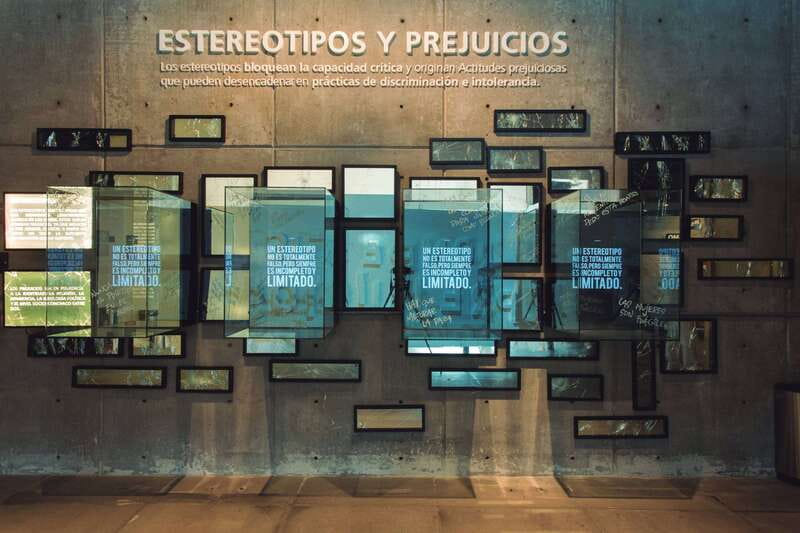
One of the museum’s strengths is that it does not confine your attention to only the Holocaust. The museum explicitly addresses other atrocities, including the Armenian genocides, Rwanda, Guatemala, Cambodia, Darfur, and Yugoslavia.
That matters because tolerance is not just a topic for one historical case. The museum is trying to show a pattern: when discrimination and indifference are tolerated, violence becomes possible, and human rights are at risk.
You may notice the museum uses room design and art placement to shift your perspective from one context to another. Take your time here. You will likely get more from the comparisons when you allow your brain to reset between themes.
Standout installations: the art that forces you to think, not just look
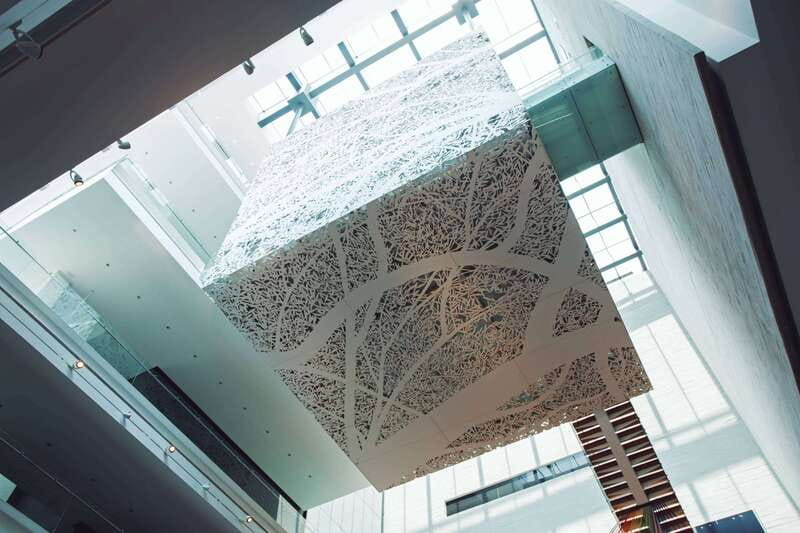
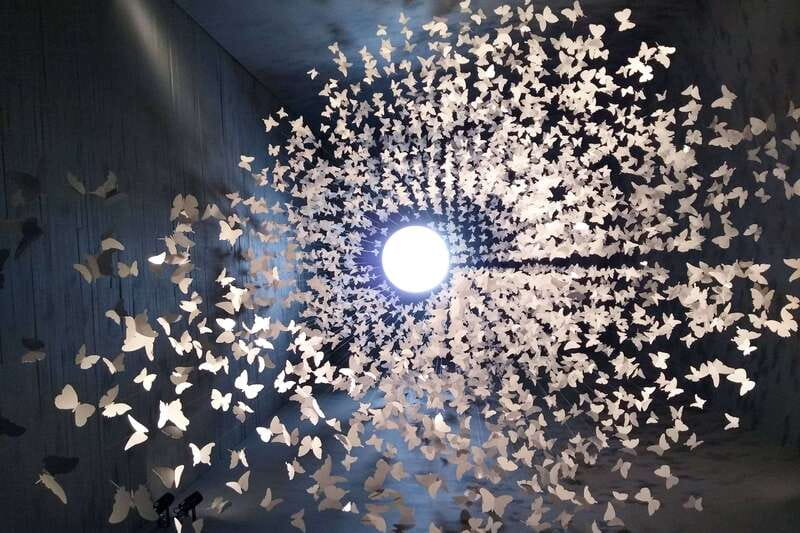
This is where the museum becomes more than an archive. The permanent installations use sculpture, interaction, and symbolic structures to get you thinking about tolerance, non-violence, and responsibility.
Here are several notable pieces to look for, and what to do when you reach them:
Lost Potential and other Jan Hendrix works
The museum features Lost Potential by sculptor Jan Hendrix, along with additional Hendrix installations such as Cube. These works are memorable because they feel like they are asking a moral question. They are not only about what happened, but about what was taken away from people, communities, and futures.
When you stand in front of these pieces, try reading the room as if it is asking you to respond. The installations work best when you slow down and let the meaning settle.
Interactive works like Wings of Peace and YOU
Two interactive and sculptural pieces to watch for are The Wings of Peace by Jorge Marin and YOU by Rivelino. Interactive elements can sometimes feel like a gimmick in other museums, but here they fit the message. They push you to engage, literally and mentally, with the ideas of peace and individual responsibility.
If you are visiting with teens or a younger adult, these are often the areas where conversation starts naturally. Even if you are the quiet type, the interaction gives you an easy entry point for discussion.
Metronomes by Lozano-Hemmer
You will also find Lozano-Hemmer installations featuring metronomes. A metronome is simple, but it carries weight: time, rhythm, and repetition. In a museum focused on memory and warning signs, that kind of motif can make events feel both historical and disturbingly repeatable.
I like metronome installations in places like this because they turn you from a spectator into a participant. You become aware of timing, pacing, and how easy it is for societies to shift.
Non-Violence Project and Carl Fredrik Reuterswärd
The Non-Violence Project by Carl Fredrik Reuterswärd is another key installation. In a museum about crimes against humanity, non-violence is not treated as passive. It is presented as an active choice connected to tolerance and human dignity.
Spend extra time here if you are someone who values solutions, not only warnings. The museum’s approach gives you both, even if the solutions are framed as social responsibility.
Train wagon and the Berlin Wall fragment
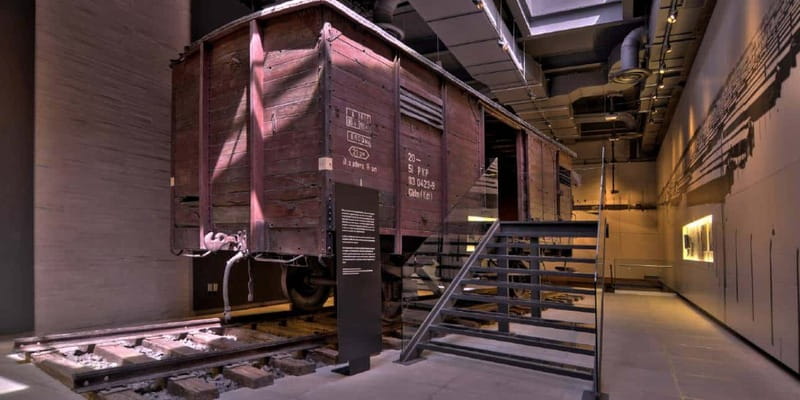
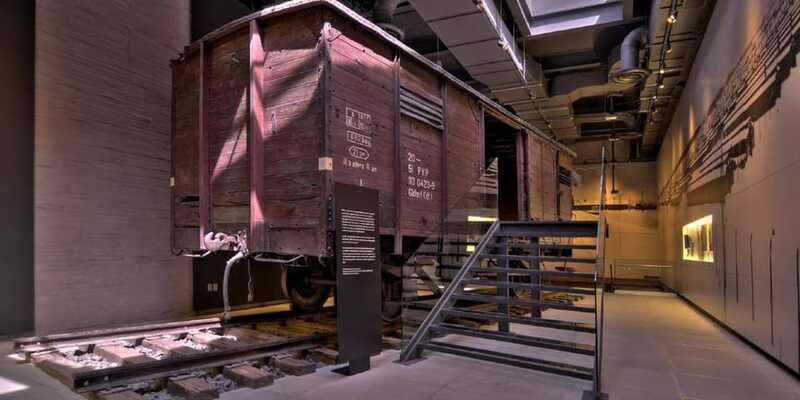
Two historical artifacts included in the permanent installations can be sobering: a Train wagon used in World War II for the transfer of prisoners and a Fragment of the Berlin Wall. These pieces anchor abstract ideas to physical objects, so the experience stops being just interpretive and becomes painfully direct.
If you need a quick emotional break, look away for a moment, then return. Let your eyes adjust, and let the object do its work.
Temporary exhibitions: how to pair them with the permanent rooms
Your ticket also includes admission to the museum’s temporary exhibitions. These can be a helpful contrast after the permanent collection, because they often bring new angles or themes into the mix.
My strategy is to decide your order before you start. If you feel emotionally drained early, visit a few permanent rooms first, then use temporary exhibitions as a breathing space. If you prefer momentum, do temporary exhibitions closer to the end, when you have more context from what you already saw.
Either way, do not treat the temporary section as optional filler. The museum’s broader theme is tolerance through memory and action, and those themes typically carry through the rotating displays too.
Rules that affect your comfort: what is not allowed
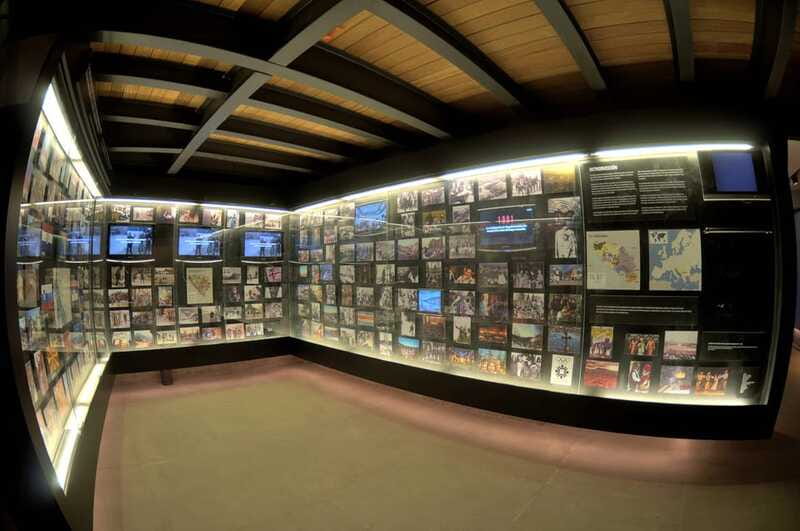
For a smoother visit, know the practical restriction up front: food and drinks are not allowed inside the museum. That means you should plan to eat outside before entry or right after your visit.
This rule can also change how you schedule your time. If you are someone who needs steady energy, do not wait until you are already tired and hungry inside to realize you cannot grab a snack.
Who should buy this ticket, and who might want to plan extra
This museum has a clear educational purpose, and the content is intense. The permanent exhibitions are recommended for children older than 15, and children younger than 15 need to be accompanied by an adult.
So this ticket fits best if you:
- want a serious Mexico City museum experience focused on memory, tolerance, and human rights
- prefer museums that combine documents with installations and interactive pieces
- are comfortable with emotionally heavy topics and want context, not only shock
It may be a harder fit if you are looking for light entertainment or if you need a museum day that stays comfortably cheerful. This is about consequences of violence and the warning signs of discrimination.
Money, meaning, and the best way to get value out of 43 rooms
The price is modest for what you get. For $13, you are not just buying access to a collection. You are buying a guided learning experience with an audio guide in Spanish and English, plus permanent rooms designed to connect evidence to ethics.
The real value shows up in your attention. The museum asks you to notice how the message stays consistent: the danger of indifference, discrimination, and violence, paired with a push toward tolerance and social action. If you rush, you will miss the way rooms echo each other.
If you want the best experience for your time, pick a few installations and focus on those deeply, then move through the rest with the audio guide. Trying to understand everything equally can make the visit feel like a blur.
Should you book the Museo Memoria y Tolerancia ticket?
Yes, if you are the kind of traveler who wants meaning in your museum time. This ticket is a strong value because it includes the audio guide, covers a huge permanent exhibition with 43 rooms, and also includes temporary exhibitions.
Book it if:
- you want a Mexico City experience with Holocaust and genocide memory plus art-based reflection
- you like guided context and clear themes rather than scattered exhibits
- you can handle serious topics with patience
Skip or plan carefully if:
- you are traveling with younger kids, since the permanent exhibitions are recommended for ages 15 and up
- you prefer a quick museum stop, because this one is built for slow learning
- you need on-site food and drink options, since no food and drinks are allowed
If you decide to go, give yourself enough time to listen, pause, and actually absorb what the museum is trying to prevent: the world where indifference replaces tolerance.
FAQ
What is included with the Museo Memoria y Tolerancia ticket?
Your ticket includes entry to the museum, access to the permanent exhibition, access to temporary exhibitions, and an audio guide available in Spanish and English.
How long is the ticket valid?
The ticket is valid for one day. You can check availability to see starting times.
How many rooms are in the permanent exhibition?
The permanent exhibition is spread across 43 rooms.
What does the museum cover?
It focuses on historical memory, especially the Holocaust and other crimes against humanity, including Armenian genocides, Rwanda, Guatemala, Cambodia, Darfur, and Yugoslavia.
Is the audio guide available in English?
Yes. The audio guide is available in Spanish and English and is included with your entry ticket.
Are food and drinks allowed inside the museum?
No. Food and drinks are not allowed.
Is the museum wheelchair accessible?
Yes. The museum is wheelchair accessible.
Where is the meeting point?
The museum is at Plaza Juarez in downtown Mexico City, next to Secretaria De Relaciones Exteriores, and in front of the Hemicycle to Juarez.
Mexico City in a Wider Frame



More Tickets in Mexico City




More Tour Reviews in Mexico City






More Mexico City plans worth opening

Tickets for the next day.
 ★ 5.0Lucha Libre Tickets & Tacos & Beer & Mezcal – BEST NIGHT EVER!From $841,077 reviews
 ★ 5.0Frida Kahlo VIP [Museum Tickets Included] Bike, Markets & ChurrosFrom $831,072 reviews
 ★ 5.0Frida Kahlo VIP [Museum Tickets Included] Walk, Markets & ChurrosFrom $83982 reviews
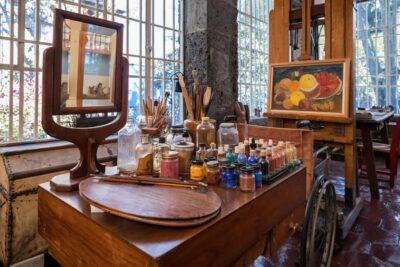 ★ 4.5Frida Kahlo Museum Entry Ticket w/Digital GuideFrom $34683 reviews
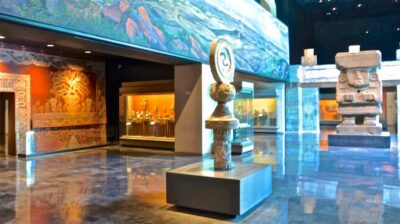 ★ 4.4Anthropology Museum Skip-the-Line TicketFrom $15502 reviews
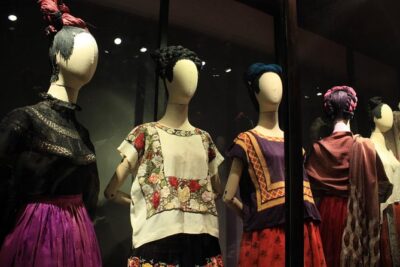 ★ 3.5Frida Kahlo and Anahuacalli Museums Ticket with Digital GuideFrom $49164 reviews
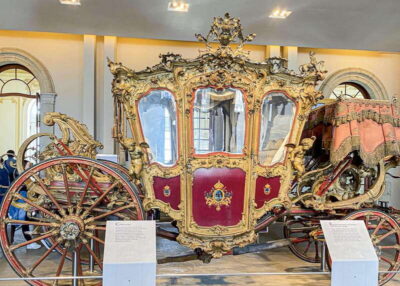 ★ 3.8Chapultepec Castle Skip-the-Line TicketFrom $29122 reviews
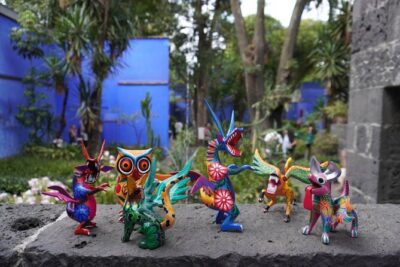 ★ 4.0Frida Kahlo Museum Ticket with Written Digital GuideFrom $4799 reviews