
REVIEW · MARKETS
Mexico City: Bazaar Saturday, Convent of Carmen & San Angel
San Angel to Bazaar Sabado, old meets craft. In one 6-hour loop, you mix El Carmen convent history, then jump to weekend shopping at Bazaar Sabado. It is a smart way to see Mexico City’s south without committing to a full day of transit and guessing.
I love how the Museum of El Carmen connects the Discalced Carmelites to real objects you can stand in front of, including 80+ religious art pieces. I also like the small-group pace, because if you end up with a guide like Humberto, you get clear history and a day flow that stays on schedule.
One thing to consider: Bazaar Sabado is your main shopping window, so if you like to browse slowly, build in some decision-making speed.
Key highlights to know before you go
El Carmen Museum preserves 80+ religious artworks tied to the Discalced Carmelites
A monastic school dates to 1613 to 1628, with a garden that once functioned as an orchard
Bazaar Sabado opened in 1960, and it is still a major craft stop
You can shop across materials, from silver, iron, ceramics, wood, textiles, glass, tinplate, jute, and paint
Chimalistac keeps colonial air with stone bridges and small historic chapels
Small group means up to 10 participants with a bilingual guide (English and Spanish)
Take a wider circuit through Mexico City
- Mexico City: Teotihuacan, Tlatelolco & Guadalupe Shrine Tour
★ 4.6 · 3,773 reviews - Teotihuacan Hot Air Balloon Flight from Mexico City / Volare
★ 5.0 · 3,262 reviews - Teotihuacan Private Tour from Mexico City
★ 5.0 · 1,890 reviews - Historic Center Food Tour in Mexico City
★ 5.0 · 1,263 reviews
How this 6-hour route works (and why it feels efficient)
This tour is built like a sequence of “layers.” You start with southern Mexico City atmosphere around San Angel, then you shift gears into museum time at El Carmen, and finally you trade museum silence for the noise and color of Bazaar Sabado. You end in Chimalistac, where the streets feel more local and colonial.
The biggest value is that you do not have to connect the dots yourself. You also get guided context, which helps when you are staring at religious art, old stonework, and craft stalls and wondering what you are actually looking at.
The van ride between stops is short enough to keep your momentum, but long enough to get you out of “we are lost” mode. In other words, you keep the day moving without feeling like a commuter.
San Angel in the south of Mexico City: mansions, stories, and an easy first walk
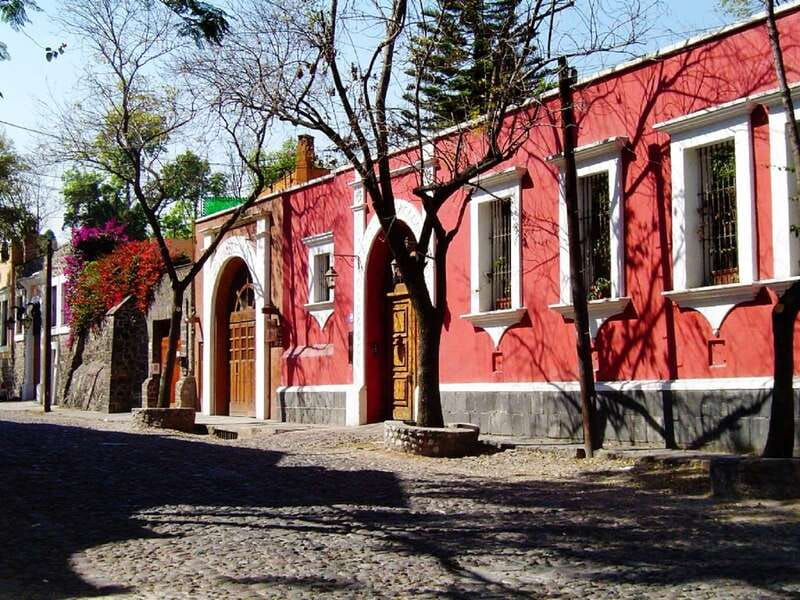
San Angel sits south of the city center, and it has a calmer feel than many more crowded zones. On this tour, you visit the neighborhood with its mansions and long-running legends, which gives you a sense of place fast. Even if you only get time for a paced walk and viewpoints, the vibe is the point here.
What I like about starting with San Angel is that it sets expectations for the rest of the day. You are not jumping straight from the museum into shopping. Instead, you ease into the culture mix that makes this area feel distinct.
A practical note: because it is a neighborhood stop, you will want comfortable shoes. You will be on foot enough that slick soles or brand-new sneakers can turn into a regret.
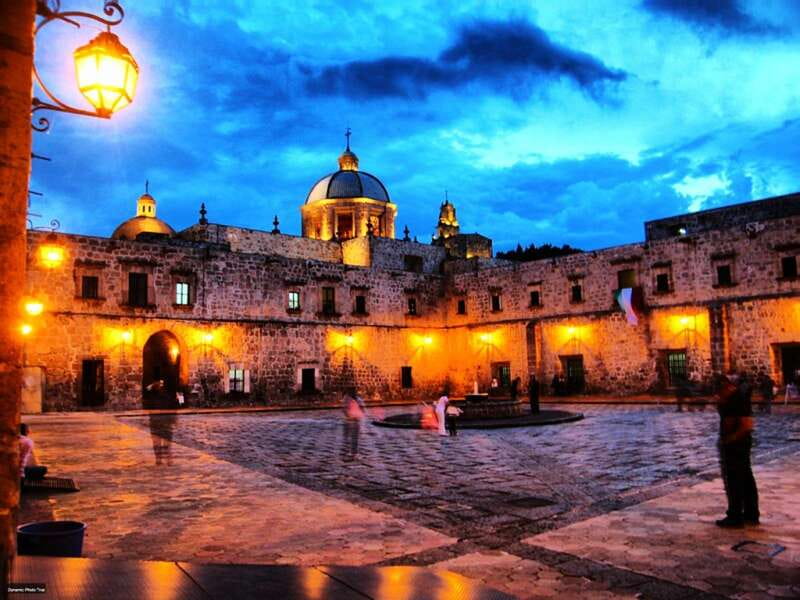
Museum of El Carmen: a monastic school, 80+ artworks, and 12 mummified corpses nearby
Then you move to the Museum of El Carmen, which is the anchor of the whole experience. The story starts with a monastic school built between 1613 and 1628 by the Discalced Carmelites. That is why the place feels less like a generic museum stop and more like a preserved chapter of Mexico City’s religious past.
Today, the museum protects more than 80 religious art pieces. That number matters because it tells you this is not a quick look-and-go exhibit. You can take your time and actually compare objects in front of you, instead of rushing through rooms.
One of the most striking details is that the museum sits near 12 mummified corpses. If you prefer your history light and scenic, this is a clear heads-up. If you are curious about how societies remember death, religion, and ritual spaces, this detail is part of the reason the visit lingers.
The grounds add another layer. You are also looking at a large garden that once served as an orchard for the friars. That orchard past gives you a different angle on the religious setting, it was not only ritual, it was also daily life and food production.
How long will you want here? Give it enough time to slow down. Even if you are not a museum person, the building’s function and age make it worth standing still for a bit.
Keep these Mexico City options within reach:
- Teotihuacan without obligatory stops. No shops or restaurants.★ 5.0 · 527 reviews
- Xochimilco: Market, Food and Nature ¡All included! Tour★ 4.9 · 107 reviews
- Ticket Museum Frida Kahlo and tasting in Coyoacan Market★ 5.0 · 40 reviews
- Mexico City: Authentic Mexican Cooking Class & Market Tour★ 4.7 · 39 reviews
- Frida Kahlo VIP-Walk, Market and Churros Museum Tickets Included★ 5.0 · 38 reviews
Bazaar Sabado shopping: what to buy, how to shop smart, and how to avoid overspending
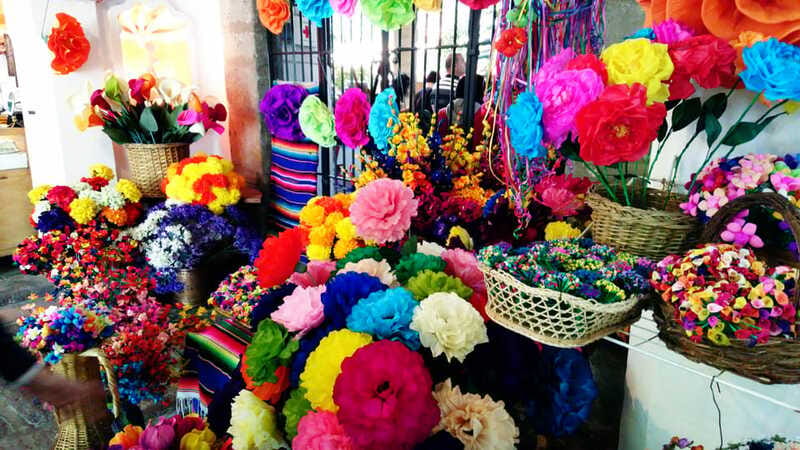
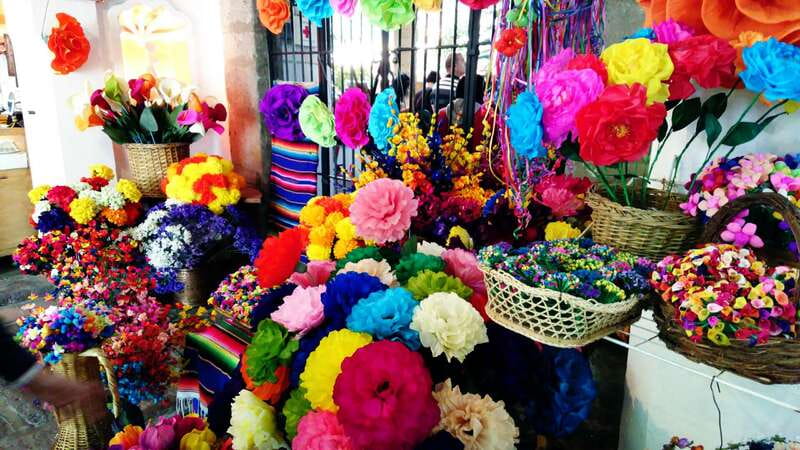
After El Carmen, the day turns into craft-world energy. Bazaar Sabado is one of Mexico City’s most visited and colorful bazaars, and it opened its doors in 1960. That timeline matters, because this is not a pop-up. It is a long-running market that has built a reputation around craftsmanship.
The variety is impressive. You will find everything from handicrafts to fine craftsmanship, with materials like silver, iron, ceramics, wood, textiles, glass, tinplate, jute, and even paints. If you like to bring home something that is not mass-produced, this is the kind of place where you can actually browse by technique and material.
Shopping strategy tip: go in with a small plan. Decide what you want first, then let the market help you pick a design. Otherwise, the number of options can push you into impulse purchases you do not love.
Also, the tour schedule gives you a stop for shopping, but it is not an all-day market expedition. So if your priority is careful comparison across multiple stalls, be ready to move efficiently once you spot something you truly like.
If you end up wishing you had more time here, you are not alone. The best fix is simple, prioritize your “must-buy” category before you arrive and be willing to make a decision once you find the right piece.
Chimalistac: stone bridges, historic chapels, and a colonial air that feels calmer

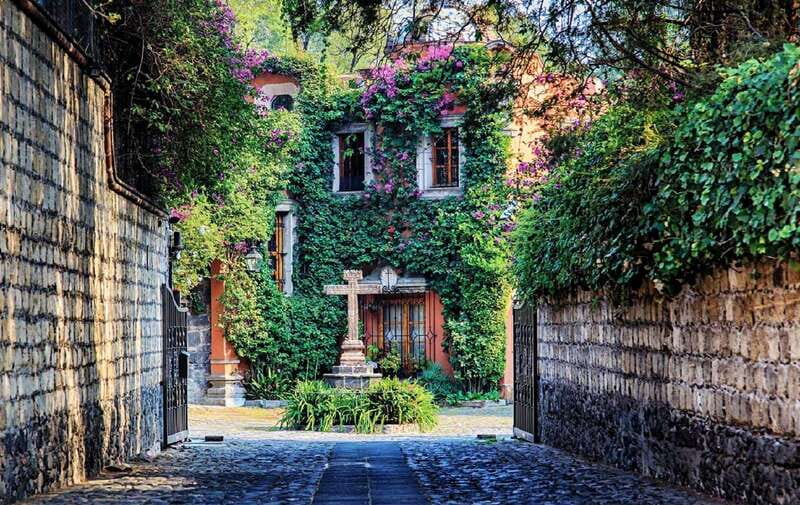
Chimalistac is where the route softens again. This neighborhood name comes from an ancient pre-Hispanic population called Temalistac, with a meaning related to where the stone is sacrificed. That kind of origin story is a reminder that the area’s identity goes back further than the colonial look you see today.
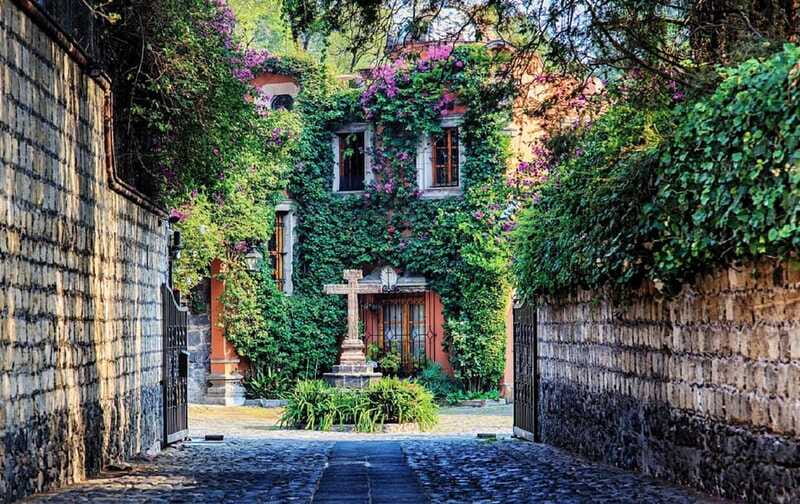
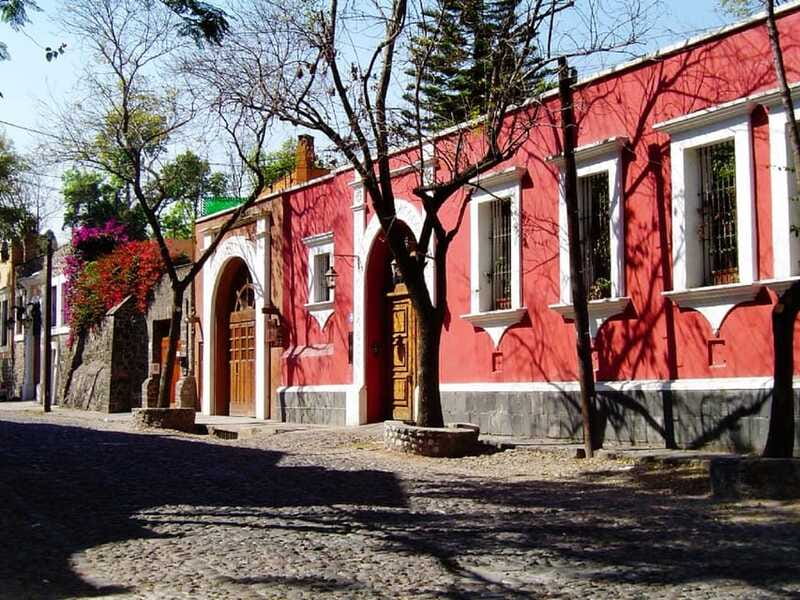
On your visit, you will notice stone bridges and small historic chapels. These are the features that give Chimalistac its colonial air, especially compared to busier central areas. It is a neighborhood that rewards a slower walk and a little looking up.
The drawback here is also simple: if you are rushing to see everything, you can miss what makes it special. Chimalistac is not one big monument. It is a set of details, so let the time work for you.
This stop also works well as a finale. By the end of the day, you have already done a museum deep focus and a market energy boost. Chimalistac then feels like a natural cooldown, with smaller scale streets and quieter heritage moments.
Getting around and timing: pickups, van rides, and staying on schedule
The tour runs for about 6 hours and includes a van transfer between main stops. You should expect short transit segments, including a roughly 20-minute van time noted in the route.
You will have multiple pickup location options depending on where you start. The listed options include places like Av. de la República, Calle Amberes, InterContinental Presidente Mexico City, and Zócalo Central Hotel. The key point is that you should confirm your pickup directly with the local partner to avoid surprises.
Because this is a shared small group tour, you are not always guaranteed the guide will run in one language only. The setup is bilingual (English and Spanish), and the balance can depend on group composition.
Practical advice for your day: keep your plans flexible. If you have tight dinner reservations, I would not book something that starts immediately after the tour ends.
The guide experience: bilingual context and a schedule that actually holds
You get a professional bilingual guide, English and Spanish, and the group is limited to 10 participants. That small group size matters. It tends to mean you can ask questions, hear explanations clearly, and still stay within the planned flow.
If your guide is Humberto, you can expect a style that mixes history with easy city sense and pacing. The theme is consistency, the kind of guiding that keeps you on schedule without turning the day into a sprint.
Questions I think are worth asking on this route:
- What should I focus on at El Carmen if I only have a portion of time?
- Which craft materials tend to reflect traditional technique versus more modern production?
- What is the story behind the neighborhood names, San Angel and Chimalistac?
Even if you do not ask anything, the explanations help you read the environment faster.
Food, drinks, and what to plan for yourself
Food and drinks are not included. That means you should plan for water and a snack or plan to grab something after the tour.
Because the schedule moves through museum and market stops, food that takes a long time to buy is not ideal during the tour window. If you get hungry, choose something quick when you have the chance, and save the full meal for later.
Price and value check: is $90 for this route a fair deal?

$90 per person for a 6-hour, small-group tour can be good value if you want two specific things: guided context and included museum entry.
Here is what you are getting that offsets the cost:
- Admission to the Museum of El Carmen
- A professional bilingual guide
- Transport via van between major stops
- Time to visit San Angel, Bazaar Sabado, and Chimalistac in a single coordinated day
You are also avoiding the friction of piecing it together yourself. Without a guide, you could certainly get around, but you would likely spend more time figuring out routes, paying separate museum entry, and hunting for craft stalls without context.
If your main goal is only shopping at Bazaar Sabado, this might feel like more than you need. On the other hand, if you want the cultural sweep plus the chance to shop, the price starts to make sense.
Who this tour suits best (and who should look elsewhere)
This tour fits you if you want a structured intro to southern Mexico City. You like museums but also want a market element that lets you do something with your hands, not just your phone.
It is also a strong fit if you travel with someone who enjoys different speeds. One person can slow down in El Carmen, and the other can use Bazaar Sabado to shop and browse materials. The schedule connects those interests.
You might want to consider another option if:
- You want a long, unhurried shopping trip. The Bazaar Sabado portion is a stop, not a full market day.
- You need an exclusive English-only or Spanish-only experience. This is a shared bilingual format.
- You do not want to handle your own food during the day. Food and drinks are not included.
Should you book this Mexico City tour of San Angel, El Carmen, Bazaar Sabado, and Chimalistac?
I would book it if you want a practical, guided “southern highlights” day that mixes architecture, religious art, and craft shopping. El Carmen is the kind of museum stop that makes the route feel worth it, and Bazaar Sabado gives you a clear reason to slow down and look for something to bring home.
If you are shopping-focused, go in with a plan and move with purpose once you see what you like. Also be ready for the mummified-corpse detail near the museum, because it is part of what makes this visit memorable and not just decorative.
If your idea of the perfect day is one big thing at one big pace, then you may feel the day is too varied. But if you like your sightseeing in chapters, this one is built well.
FAQ
How long is the tour?
The tour duration is 6 hours.
What is included in the price?
Admission to the Museum of El Carmen and a professional bilingual guide (English and Spanish) are included. Food and drinks are not included.
Is pickup included?
Pickup is available from select locations, but you need to contact the local partner by phone or email to confirm your pickup.
Where does the tour stop?
You visit San Angel, the Museum of El Carmen, Bazaar Saturday (Bazaar Sabado), and Chimalistac.
Is the Museum of El Carmen admission included?
Yes, admission to the Museum of El Carmen is included.
What language will the guide speak?
The guide is bilingual, offering English and Spanish.
How big is the group?
The tour is limited to a small group, up to 10 participants.
Is there time for shopping at Bazaar Saturday?
Yes, Bazaar Saturday includes shopping time as part of the tour.
Is food and drinks provided?
No. Food and drinks are not included, so you should plan your own options during or after the tour.
What is the cancellation policy?
Free cancellation is available up to 24 hours in advance for a full refund.
More Shopping Tours in Mexico City




Mexico City in a Wider Frame



More Tour Reviews in Mexico City


More Mexico City plans worth opening


Markets for the next day.
 ★ 5.0Mexican Cooking Class with Food Market Visit in Mexico CityFrom $124506 reviews
 ★ 5.0Essence of Mexico: Authentic Mexican Cooking Class & Market TourFrom $178289 reviews
 ★ 4.9Xochimilco: Market, Food and Nature ¡All included! TourFrom $107107 reviews
 ★ 5.0Ticket Museum Frida Kahlo and tasting in Coyoacan MarketFrom $4140 reviews
 ★ 4.7Authentic Mexican Cooking Class & Market TourFrom $20439 reviews
 ★ 5.0Frida Kahlo VIP-Walk, Market and Churros Museum Tickets IncludedFrom $8338 reviews
 ★ 5.0Mexican Street Tacos Hands-on Cooking Class and Market TourFrom $15537 reviews
 ★ 5.0Mastering Mexican Salsas Cooking Class and Market TourFrom $15535 reviews
This review also appears in