

REVIEW · CHAPULTEPEC CASTLE & PARK TOURS
Mexico City: Art, History & gossip about Chapultepec Castle
Chapultepec hill has stories in layers. This 3-hour walk pairs Chapultepec Castle with the kind of on-the-ground explanations that turn architecture into something you can actually picture. You also get time for gardens, European-style rooms, and big views over Paseo de la Reforma and Mexico City.
I really like two things about this experience. First, the guide is not just a lecturer, you get clear storytelling from an expert with an academic background in art history, history, or architecture, and names like Héctor, Daniel, and Natalia come up for a reason. Second, the mix of castle interiors plus the surrounding grounds adds meaning, from the hill’s sacred Mexica importance to the later European and presidential chapters.
One consideration: it is a walking-heavy visit with comfortable-shoes needed. If you are sensitive to sun or rain, bring sunscreen and rain gear so you can enjoy the woods walk down the hill without feeling rushed.
Key highlights you will actually feel on this tour
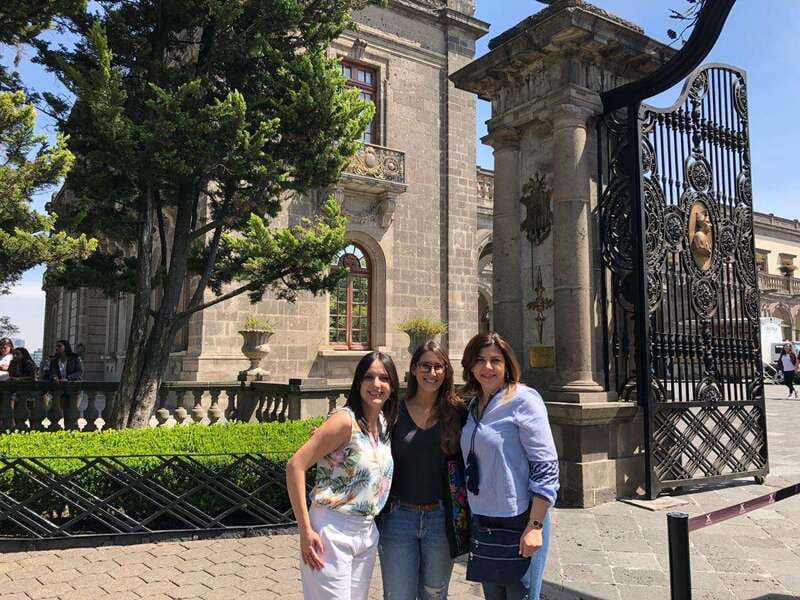
- Mexica sacred hill to later palace, step by step, with context you can remember
- European rooms and castle gardens, explained in plain language instead of confusing facts
- Aqueduct story tied to the woods, so you understand where the city’s water came from
- Pre-Hispanic stone carvings preserved in the woods area, including details visitors often miss
- Great views of Reforma Avenue and Mexico City, from inside the castle grounds
- Strong guides, with repeat praise for Héctor, Daniel, and Natalia
Where you start at Chapultepec Park and why it matters
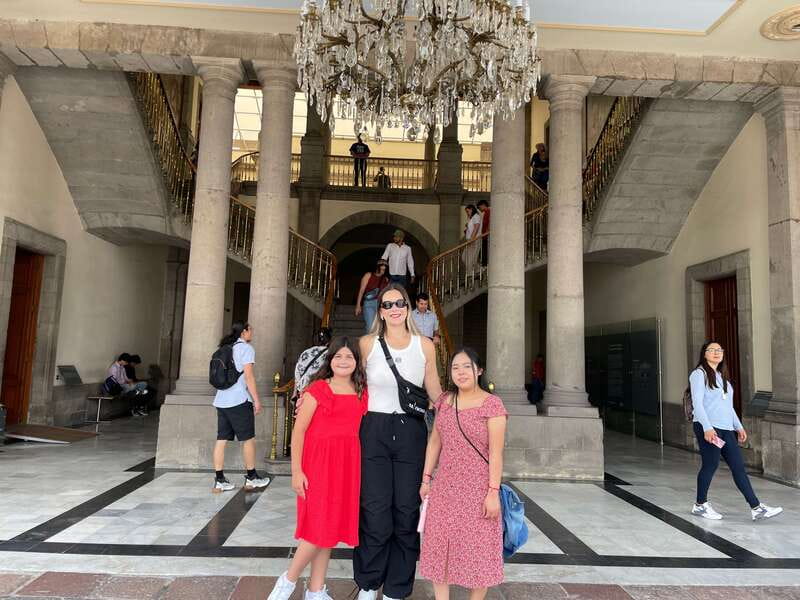
You meet your guide at Starbucks in Chapultepec Park, Av. Paseo de la Reforma s/n, Bosque de Chapultepec I Secc, 11850 Ciudad de México, CDMX. Arriving about 5 minutes early helps you start on time and avoids any stress before you’re walking toward the castle.
This location is a big deal because it puts you at the center of the whole Chapultepec story. The hill is not just “where a castle sits,” it is the setting for multiple eras, and starting in the park keeps that idea in your head from the first minute.
If your Spanish is basic or nonexistent, don’t worry. The tour runs in both Spanish and English, so you can follow the same flow without getting lost.
Castillo de Chapultepec: why it feels like more than a building
Chapultepec Castle is famous for its look, but what makes the visit worthwhile is how the castle is treated like a timeline. You walk through European rooms and gardens while your guide connects each visual detail to a historical purpose, then ties it back to the hill that came before.
Here’s the arc you should keep in mind as you go. The hill was sacred to the Mexica (Aztecs), then in the 1780s it became a colonial palace. Later, it evolved into the European-style castle associated with Emperor Maximilian I, and then it served major roles again, including a presidential home, before becoming the National Museum of History.
If you like architecture, you’ll enjoy how the guide helps you see design choices as decisions, not decoration. If you prefer history, you’ll still get something tangible, because you are standing where the shifts happened.
The Mexica connection: start with the hill, not just the castle
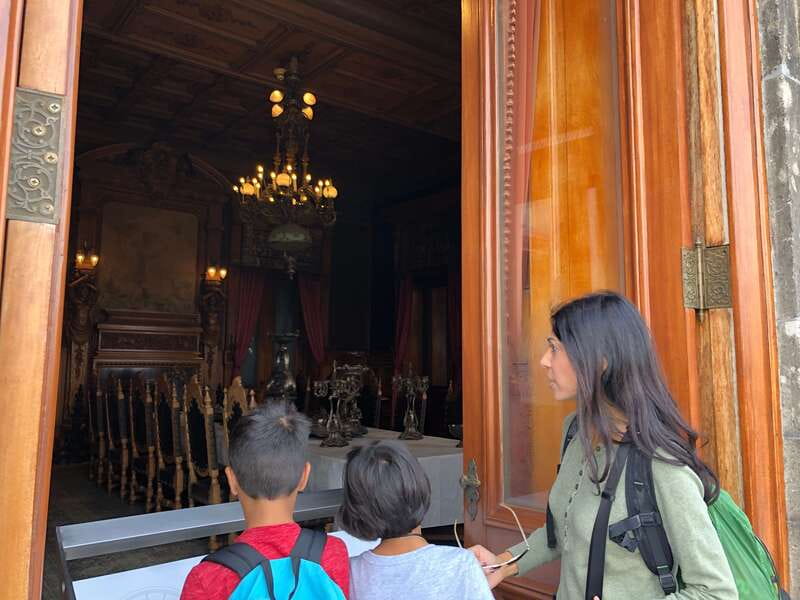
Before you focus on walls and windows, the tour anchors you in the significance of the hill itself. Chapultepec is tied to Mexica beliefs, and understanding that starting point changes how you read everything else you see.
The hill’s sacred role gives the castle setting a deeper layer. It also explains why the woods around Chapultepec are not just “green space,” they are part of the story the guides want you to notice.
This is one of the best parts for people who usually skip “context.” You don’t get a long lecture that ends in confusion. You get context that helps you understand why the later rulers would want this place.
1780s colonial palace to European castle under Maximilian I
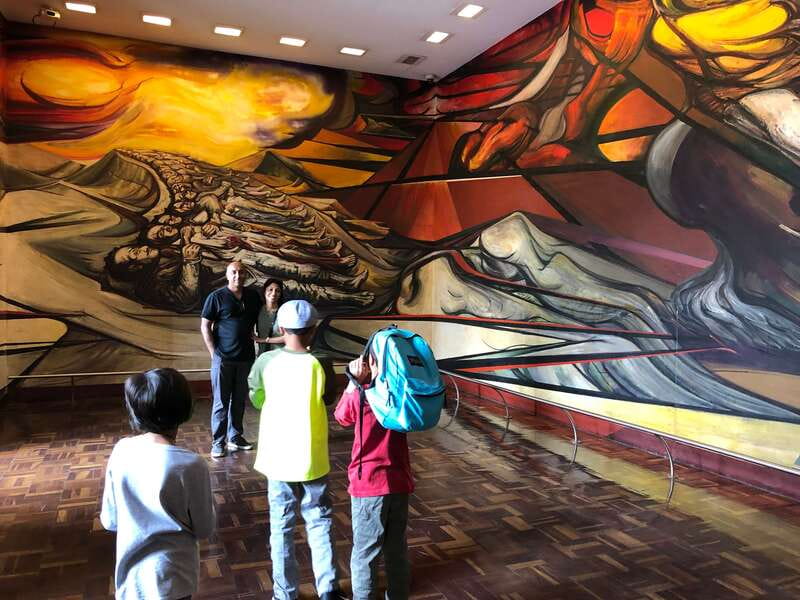
One of the tour’s goals is to help you grasp transformation, not just dates. Your guide walks you through how Chapultepec shifts from a colonial palace in the 1780s to the European castle style associated with Emperor Maximilian I.
As you move room to room, you will start noticing the different “moods” the building carries. The explanation helps you understand how power, taste, and politics get built into architecture, then preserved, repurposed, or re-framed over time.
This is also where a strong guide pays off. I’ve found that when the guide is good, you stop seeing history as a list and start seeing it as cause and effect. In this tour, that is exactly the feeling people keep praising, especially in the way Héctor and Natalia were described as informative and able to bring stories to life.
Presidential home and today’s National Museum of History
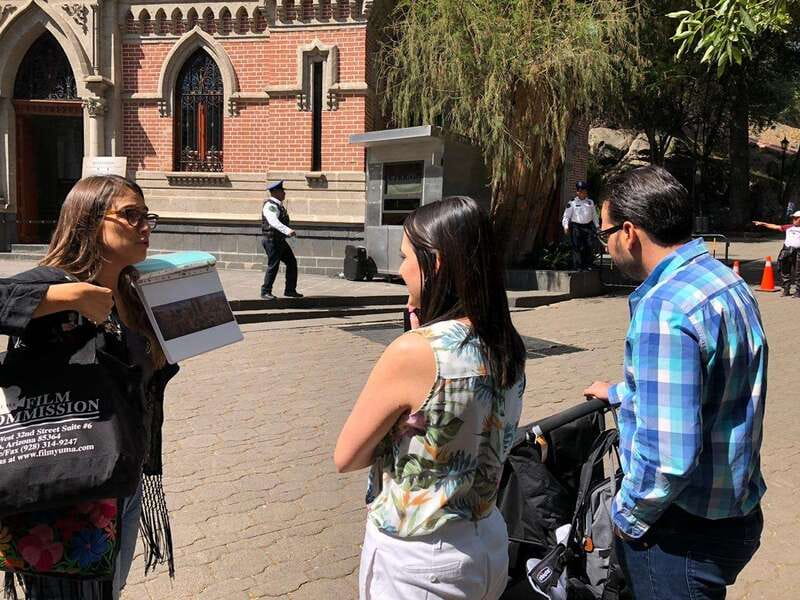
Chapultepec Castle did not stop after European royalty. Later, it became a presidential home, and today it operates as the National Museum of History. The tour uses those changes to show how the building kept gaining new meaning.
That matters for you because it explains why some details feel official and formal, while others connect to broader themes of national identity. You are not only touring rooms, you are seeing how the same space can hold different messages over time.
If you are the type who likes to know why a place is important today, this section helps. You leave with a clearer idea of what the museum is doing with the castle, and why the castle’s past keeps showing up in the exhibits.
Gardens and views: a practical break with a payoff
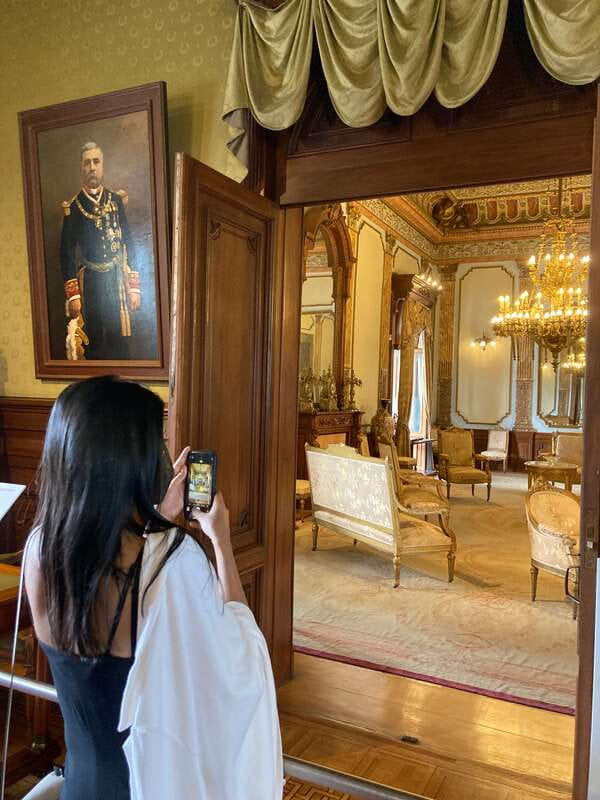
After spending time with the rooms, you shift to the castle grounds, including gardens. This is a smart pacing choice because it gives your brain a reset after indoor storytelling.
Then you get the payoff: views over Paseo de la Reforma and the city. This is where it becomes easy to understand the castle’s power. From this height and this position, the setting looks planned to command attention.
Even if you are not a big photo person, take a minute here. The views help you map what you learned. When you can see the city stretching out, the history stops feeling like separate chapters and starts feeling like one location evolving.
The aqueduct and the woods: where the water story fits
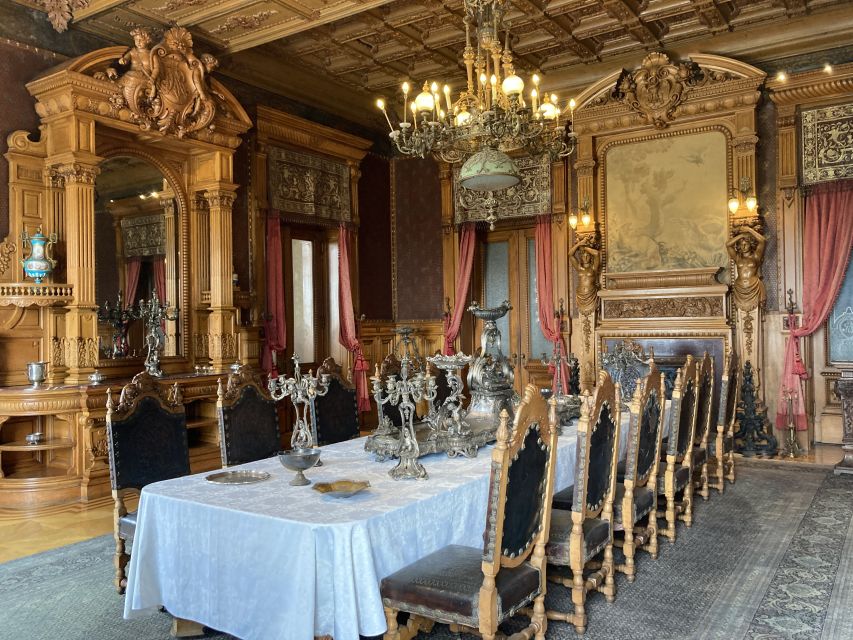
Chapultepec is not just scenic. It has a practical history too, and the tour points you toward that. One of the highlights is learning about the aqueduct that supplied water to the city from the woods.
This kind of story is valuable because it turns “natural area” into “infrastructure.” You get a better sense that the woods were not only sacred or beautiful, they mattered for real daily life.
If you like details you can repeat later, this is one. People remember it because it connects environment, engineering, and the growth of the city into one explanation.
Pre-Hispanic stone carvings: look closely in the woods
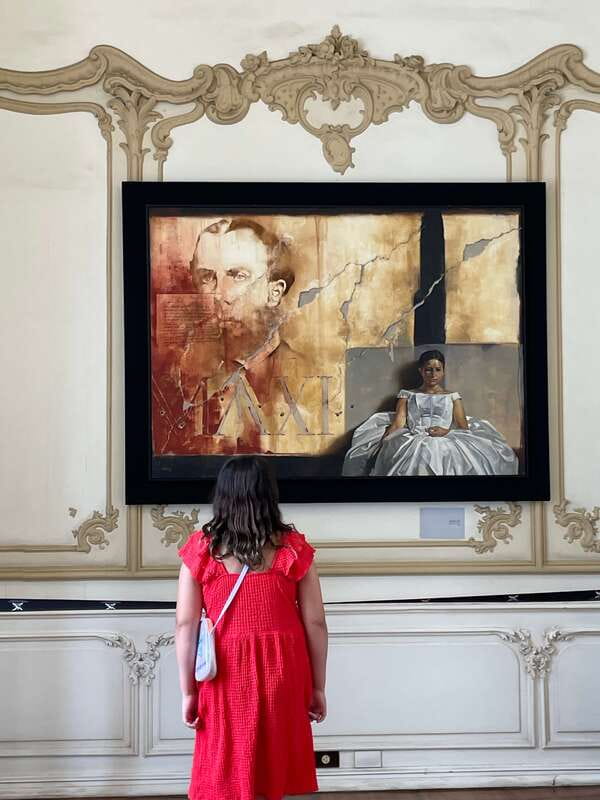
Another detail that stands out on this tour is finding pre-Hispanic stone carvings preserved in the ladders of the woods area. The phrase might sound technical, but the effect is simple: you are shown that heritage is still visible here, even in a setting that also feels European and colonial.
For me, this is the moment when the tour stops being only about the castle. It becomes about how layers of time coexist in the same hillside landscape.
Wear shoes with good traction. The grounds are part of the experience, and you will want stable footing so you can pause and look when the guide points something out.
What the guides do right, and why Héctor, Daniel, Natalia stand out
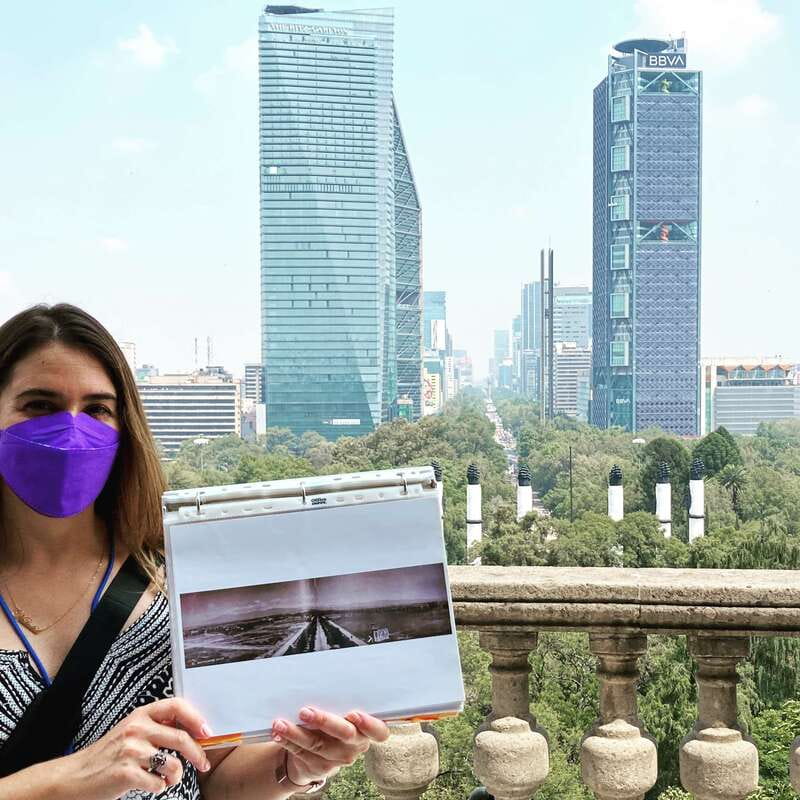
The tour includes a walking guide with a graduate academic degree in art history, history, or architecture. That is not just a credential on paper. It usually shows up as clearer structure and fewer random detours.
In the feedback you may see, Héctor gets praised as one of the best, and Daniel and Natalia also earn top marks for knowledge and friendly delivery. Natalia is specifically noted for being able to interact well even with kids, which tells you the pacing and explanation style is adaptable.
So here is what to expect from a strong guide in this setting: they connect each space to a reason it exists, then they keep moving so you do not spend half the tour waiting to understand one corner.
If you want to get more out of it, do one simple thing. When the guide mentions a key moment like Mexica sacred meaning, the colonial shift, or Maximilian I, repeat it quietly to yourself as you walk. That small habit helps you make the timeline stick.
Practical details that affect your comfort (and your photos)
This tour lasts about 3 hours and is usually available in the morning. That timing matters in Mexico City, especially when you want good light and manageable crowds.
In larger groups, headsets are provided. That means you can actually hear the guide without craning your neck, and you can keep your eyes on what you are walking toward.
What to bring:
- Comfortable shoes
- Sunscreen
- Comfortable clothes
- Hat
- Rain gear
What not to bring:
- Pets
- Luggage or large bags
- Food or drinks
One more practical tip: the tour includes a museum ticket, so you do not need to hunt down anything at the last minute. You just show up ready to walk.
If you have an injury or a disability, the information says you can enter the castle through the elevator. That is the kind of detail that makes planning easier.
Price and value: is $74 per person worth it?
At $74 per person, this is not a budget add-on, but it also is not overpriced for what you get. You are paying for an expert guide with an academic background, plus museum entry, plus headsets in bigger groups, plus a guided route that blends indoor rooms with gardens and a woods walk.
The biggest value is the way the tour links the castle’s European look to the earlier Mexica sacred hill, then to colonial and royal transformations, and then to the presidential and museum roles. Without a guide, you can still visit the castle, but it is much harder to assemble the timeline into something you feel in your body and not just read on a placard.
Also note what is not included. Food and beverages are not part of the price, so budget for a drink or a snack either before or after. That matters because your 3-hour block can end up feeling like a mini marathon if you arrive hungry.
If you want one guided experience that gives you both art-and-architecture and history-and-meaning in the same morning, the value starts to make sense.
Who this tour is best for
This fits especially well if you:
- Want a guided orientation to Chapultepec’s main eras, not just a self-paced stroll
- Like architecture but still want the human story behind it
- Prefer a route that includes indoor rooms and outdoor grounds, including views
- Enjoy specific “I did not know that” details, like the aqueduct water story and the preserved carvings
It is less ideal if you hate walking on uneven grounds or you need long breaks. The duration is only 3 hours, but it is still a real walking tour through castle areas and down the hill in the woods.
For families, the notes about Natalia engaging with three kids suggest it can work well, as long as everyone is ready to move and listen.
Should you book this Chapultepec Castle tour?
Book it if you want a guided visit that actually explains why Chapultepec Castle looks the way it does and how the hill’s sacred Mexica meaning connects to later colonial and European chapters. The standout advantage is the guide quality, with strong recommendations for Héctor, Daniel, and Natalia, and the balance of castle interiors plus woods discoveries.
Skip it if you prefer to wander without structure, or if you are not comfortable with a 3-hour walking route and sun exposure. In that case, you might be better off doing a simpler self-guided visit and spending your time elsewhere.
If you choose to go, show up with good shoes, sunscreen, and a willingness to listen. Chapultepec rewards attention, and this tour helps you give it the attention the place deserves.
Chapultepec Castle & Park Tours for the next day.
 ★ 4.5Chapultepec Castle & Anthropology Museum TourFrom $791,348 reviews
 ★ 4.5Chapultepec Castle and Anthropology Museum TourFrom $47637 reviews
 ★ 5.05 Hour Tour through Chapultepec, Anthropology Museum and CastleFrom $61239 reviews
 ★ 5.0PRIVATE Tour in Chapultepec Castle and Museum of AnthropologyFrom $113144 reviews
 ★ 5.0PRIVATE Tour Chapultepec CastleFrom $66130 reviews
 ★ 3.8Chapultepec Castle Skip-the-Line TicketFrom $29122 reviews
 ★ 5.0EXCLUSIVE TOUR Chapultepec Castle – Small GroupsFrom $65117 reviews
 ★ 5.0Private Walking Tour Anthropology Museum & Chapultepec CastleFrom $17291 reviews
This review also appears in