
REVIEW · MEXICO CITY BIKE & E-BIKE TOURS
Mexico City: 19 City Highlights Bicycle Tour
Bikes are the quickest way to read CDMX. This 3 to 4 hour Mexico City highlights ride mixes big-name monuments with park time, so you get a fast sense of how neighborhoods connect. I especially loved the small group size and the way the guide duo keeps things organized while you roll from Roma to the Historic Center.
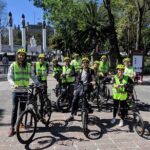
My other big win is the personal touch: they take group photos during the ride and even send a short video afterward, plus they share useful food and drink ideas at the end. The one real consideration is stamina, because even if the ride feels easy, 3 to 4 hours on a bike adds up, so plan for breaks and bring water.
Key things to know before you ride
- Max 10 travelers, which makes it feel more like a buddy tour than a cattle-car production
- English guide, with clear stop explanations and on-the-road safety attention
- Photo and video follow-up during and after the ride, so you can keep your hands on the bars
- Mostly free admission stops, with Parque México admission included
- Good for orientation, especially early in your trip, when you are still figuring out where to spend more time
- Sunday can be a cheat code, since more streets are closed to cars for people biking and running
Cover another slice of the city by bike
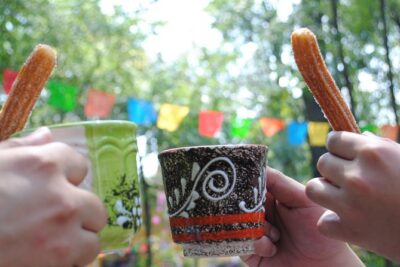
- Frida Kahlo VIP [Museum Tickets Included] Bike, Markets & Churros
★ 5.0 · 1,072 reviews - Mexico bike tour
★ 5.0 · 407 reviews - Mexico City: 19 City Highlights Bicycle Tour
★ 5.0 · 302 reviews - Mexico City E-Bike Tour with a taco and churros stop
★ 5.0 · 292 reviews
The simple pitch: why this bike tour works in Mexico City
Mexico City is huge, and its best sights are spread out. A bike tour is one of the few ways to see a lot without spending your whole day in traffic, waiting, or zigzagging on public transport.
This one works because it mixes “read the city” stops with “wow” stops. Parks like Parque México and Chapultepec give you breathing room, while monuments like the Altar a la Patria, El Ángel, and the Zócalo give you landmarks you can actually navigate around later.
Price and value for $71.53
At about $71.53 per person, this is not a bargain tour, but it also is not trying to sell you an all-day extravaganza. For the price, you are paying for four things: bikes, a small group, frequent stops long enough to look and learn, and a guide team that actively manages safety.
If you are on your first or second day in the city, it can be a smart spend. You come back with a mental map and a short list of places you want to revisit on foot. A one-time bike tour that helps you use the rest of your trip better often ends up feeling like good value, not just a “sightseeing activity.”
Where you start and how the pace feels
You meet at Jalapa 272 in the Roma Sur area (near public transportation), then you finish in Roma Norte at Coahuila and Calle Orizaba. The route is designed to keep you moving through central areas, with short stops so you do not lose the flow.
The stated time is 3 to 4 hours, and people say it is true. The riding is generally manageable even for people who are not training for a cycling race, but the duration can feel long if you are not used to sitting on a saddle for hours. In practice, you will want to treat this like an active half-day, not a quick spin.
Take a wider circuit through Mexico City
- Mexico City: Teotihuacan, Tlatelolco & Guadalupe Shrine Tour★ 4.6 · 3,773 reviews
- Teotihuacan Hot Air Balloon Flight from Mexico City / Volare★ 5.0 · 3,262 reviews
- Teotihuacan Private Tour from Mexico City★ 5.0 · 1,890 reviews
- Historic Center Food Tour in Mexico City★ 5.0 · 1,263 reviews
- The best tour to Teotihuacán from Mexico City★ 5.0 · 1,236 reviews
Safety and bike setup: what I’d watch for
One of the strongest themes here is safety. The ride uses a guide lead plus another guide who can help monitor the group, and you get frequent check-ins that keep things calm. If you feel nervous on roads, this structure matters.
Also pay attention to equipment quality. People consistently mention the bikes are top-notch, which makes a real difference when you are covering 10-plus miles at a comfortable pace. If you are sensitive to seat comfort, I suggest adjusting your seat early at the start and doing a quick test pedal for a minute before the first long stretch.
One small downside to keep in mind: you might not have headsets for every moment. That means you may want to stand close when the guide is talking, especially at the first few stops, so you catch the details without straining.
The route, step by step, with what each stop gives you
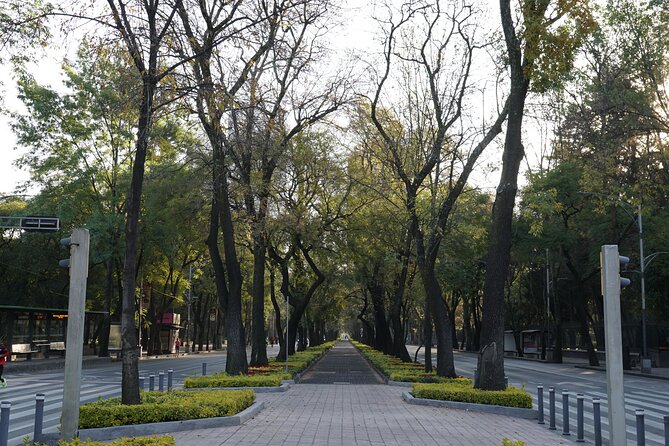
Parque México, a favorite neighborhood park first
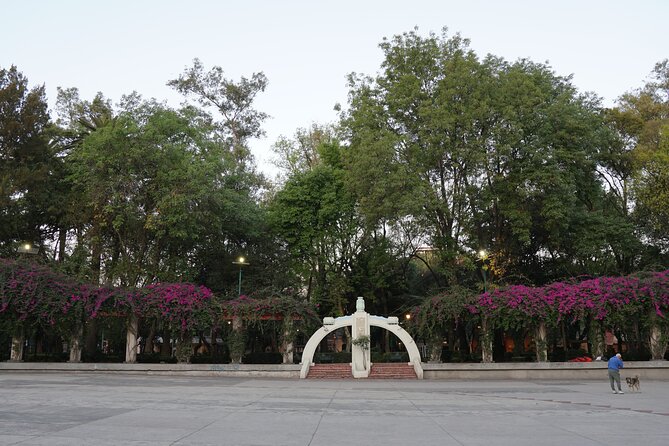
You start at Parque México, and that is a good choice. It is relaxed, easy to orient yourself, and it sets the tone for the tour: you are not just hunting monuments, you are learning what daily life around them feels like.
This stop also includes admission, which is a rare “ticketed” moment on the route. If you like parks and people-watching, arrive with a relaxed mindset, because you will get a quick look at why locals consider it a favorite.
Bicentennial of National Independence monument: the story in stone
Next comes a stop to observe the monument tied to the Bicentennial of National Independence. Even with a short visit, this is a useful lesson in how Mexico City commemorates major national moments.
The value here is context. When you later see other Independence-era references around the city, you will have a reference point for what is being celebrated and why it is placed where it is.
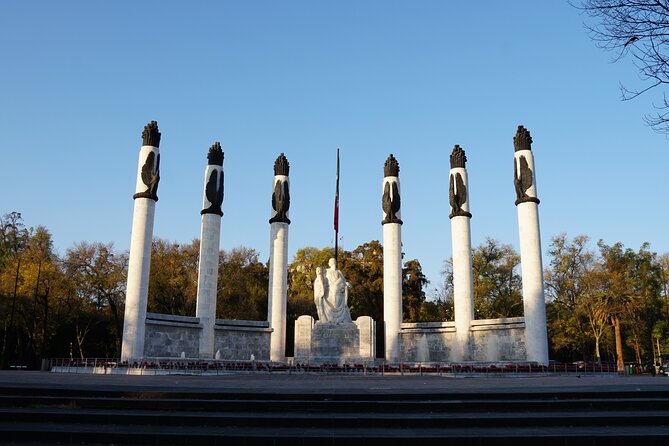
Altar a la Patria, also called the Children Heroes monument
Then you head to the Altar a la Patria, known for the Children Heroes story. This is one of those places where the meaning matters more than the view, and the stop is short but pointed.
You are not going to sit through a long lecture, but you will come away with the core narrative. That makes the monument feel less like a random stop on a bike route and more like a symbol you can connect to Mexico City’s larger historical layers.
Bosque de Chapultepec: big park energy, quick appreciation
From there you roll into Bosque de Chapultepec, one of the most symbolic sites in CDMX and among the largest urban parks in the world. You get about a short visit here, but it is long enough to feel how the city uses green space as a cultural and recreational anchor.
Even if you only have 10 minutes, you can notice why people talk about Chapultepec as a “must” area. It is a place where you can walk off the bike and keep exploring after the tour.
Chapultepec Castle viewpoint: the history you can actually see
You then pause near Chapultepec Castle. Important detail: this is not a guided tour inside. Think of it as a photo-friendly, view-focused stop where you learn a bit of the castle’s background while you take in the sights.
That design choice is smart for a highlights bike tour. You get the big visual without turning the trip into a museum day. If you want more, you now know exactly where to return.
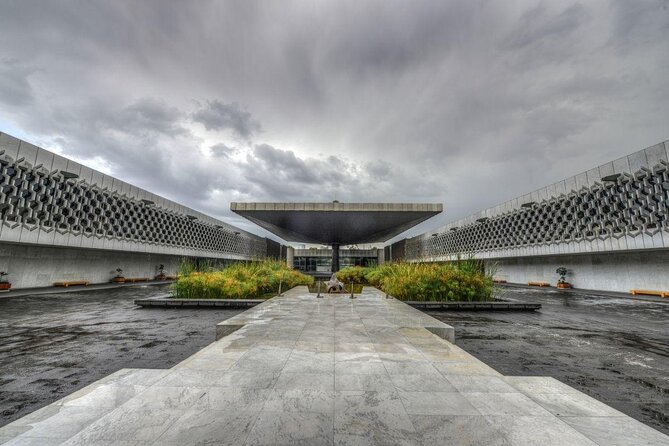
Museo Nacional de Antropología: a major museum, without the museum day
Another stop is at Museo Nacional de Antropología, again described as not a guided tour. You are basically getting the “why it matters” introduction, not a deep museum walkthrough.
This still helps a lot. The museum can feel intimidating if you are trying to plan it alone. After a quick orientation stop, you will have an easier time deciding whether to go and what time of day makes sense.
Reforma Avenue monument stop, then rolling on
There is also a stop tied to a monument on Reforma Avenue. Even when the visit is brief, Reforma is the kind of road where landmarks teach you how the city’s story is laid out.
Reforma is also where you can start spotting patterns: civic monuments, grand avenues, and the way you can move quickly between “big sight” zones.
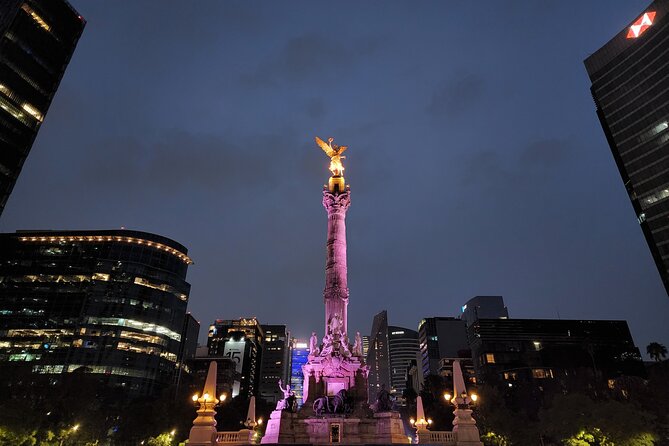
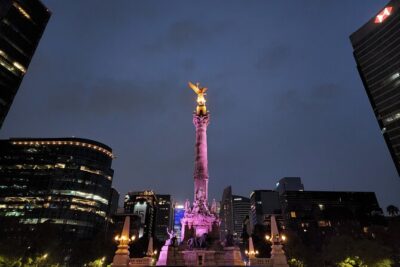
El Ángel de la Independencia: the CDMX symbol you will recognize later
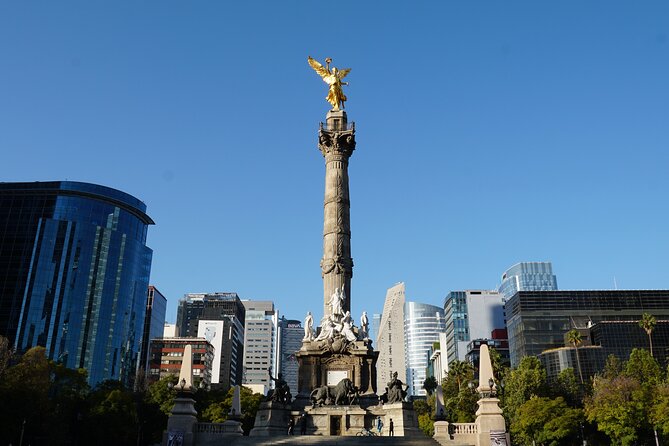
Then you get to El Ángel de la Independencia. This is a must in the city, and the tour treats it as more than a photo opportunity.
The stop matters because El Ángel is one of those landmarks you will see referenced everywhere once you arrive. When you understand what it represents, your later self-guided wandering feels less random.
Hemiciclo a Juárez: one more political compass point
Next is the Hemiciclo a Juárez. It is another landmark that helps you read the city’s political geography, and you get a quick explanation that connects it to Benito Juárez.
If you like history, even short stops add up. If history is not your thing, it still helps you orient yourself. Knowing what a building or monument is commemorating makes it feel like it belongs in your mental map.
Old park area and an emblematic building: the Historic Center vibe starts
As you continue, you stop to see one of the oldest parks in the city and also appreciate an emblematic building of Mexico City. I like this part of the route because it signals your movement from neighborhood Mexico into the core of the Historic Center.
It is a useful transition moment. You stop feeling like you are passing through, and you start feeling like you are arriving.
Palacio de Bellas Artes: the arts stop that hits even when quick
Palacio de Bellas Artes is next, with a short stop. This is one of the unmissable symbols of art and culture, and the pace lets you take it in without feeling trapped.
Even without a guided interior visit, you can appreciate the scale and the classic look. It is also a helpful “decide later” moment. If you want to go inside, you will know the exact landmark to aim for.
Zócalo: the main square, plus the surrounding Historic Center
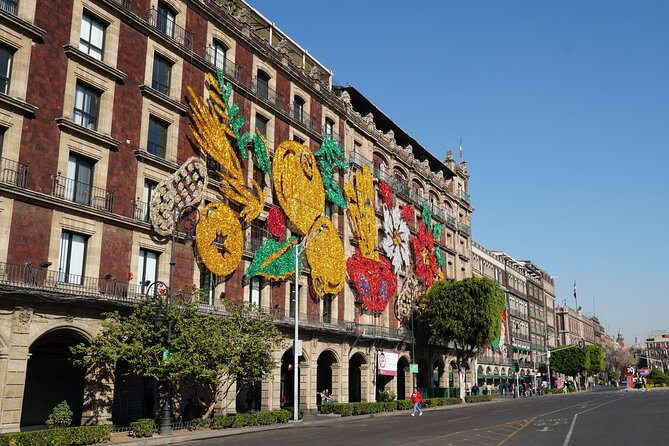
Then you reach the Zócalo and the surroundings of Plaza de la Constitución. This stop is a highlight for a reason, and it is also practical.
When you are standing in the Zócalo area, you instantly understand why so many walking routes start here. It gives you a strong center of gravity for planning the rest of your day.
Museo del Templo Mayor: archaeological site, but no guided tour
After that, you stop at Museo del Templo Mayor. Again, not a guided tour, but you get a quick chance to contemplate the archaeological area and learn a bit of its significance.
This is a good example of how a bike tour can work as a “taste, not a meal.” You will probably feel inspired to return with more time, especially if you like archaeology and layers of ancient Mexico City.
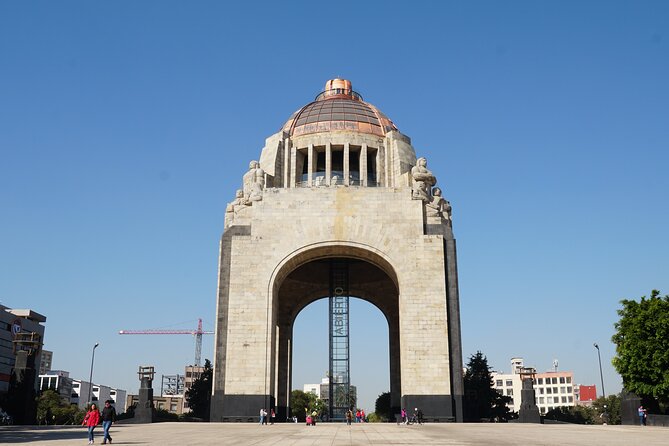
Monument to the Revolution: architecture you can feel on the move
Next is the Monument to the Revolution. The stop is short, and it does not promise a guided experience, but it gives you the big form and the key idea behind what it commemorates.
This helps you stop treating monuments as standalone selfies. You start seeing them as parts of one large civic conversation.
Roma Norte park stop and the final roll-in
Near the end, you get a stop at a representative park in Roma Norte. That is the tour’s emotional reset, returning you to a neighborhood vibe before you finish.
The ride ends at Coahuila and Calle Orizaba. You are done, but you are not just “finished.” You now have neighborhoods you can recognize, street patterns you understand, and sights you can match to what you see in real life.
What to do with all this afterward
I like taking a highlights tour early, because it turns the rest of your planning from guesswork into strategy. After this ride, you can pick your “walk me back here” places, not just your “maybe I will” places.
Also, lean on the guide’s restaurant and drink recommendations at the end. People mention the recs are spot-on, and that makes sense. A guide who has just shown you the city is in the best position to suggest meals that fit your route and energy level.
Finally, if you like taking photos but do not want to stop constantly, this tour is handy. They take group photos and share them afterward, so you do not have to keep stopping your ride to play photographer.
Best day to book: why Sunday can feel easier
One of the most practical tips is booking on a Sunday. People consistently recommend it because more roads are closed to cars, which makes biking feel safer and more fun.
Even if you are not afraid of traffic, car-free streets change the whole vibe. You can relax your shoulders, look around more, and enjoy the city’s street life without feeling like you are holding your breath.
If you are choosing between days, I’d prioritize Sunday for the most pleasant riding conditions.
Who this tour suits, and who should rethink it
This fits you if:
- you have basic bike skills and are comfortable riding for a few hours
- you want an orientation tour that covers major highlights across central areas
- you like short stops with explanations, not long museum marathons
You might rethink it if:
- you dislike sitting on a bike for 3 to 4 hours, even at an easy pace
- you want deep museum immersion, because several major sites are explicitly not guided tours in this format
If you are traveling solo, it can still feel welcoming. The group size is small, and the guides do a good job making sure everyone stays included and safe.
The bottom line, should you book it?
Yes, book this tour if you want a high-value orientation to Mexico City in half a day. The combination of small-group size, strong safety focus, and a guide duo that adds thoughtful touches like photos and a video makes it feel memorable beyond the standard highlights route.
If you are the kind of traveler who likes to plan the rest of your trip with confidence, this bike tour gives you a usable map fast. Just bring water, pace yourself, and plan to take it as an active day, not a quick ride.
FAQ
How long is the Mexico City highlights bicycle tour?
It runs about 3 to 4 hours.
Is this tour guided at the main sights?
There are guides during the ride, but some stops are noted as not guided tours, including places like Chapultepec Castle and Museo Nacional de Antropología, as well as Templo Mayor and the Monument to the Revolution.
What language is the tour offered in?
The tour is offered in English.
What level of fitness do I need?
It’s best for travelers with moderate physical fitness.
Is admission included for the stops?
Parque México includes admission. Other stops are listed as free admission, and some museum or site experiences are marked as not guided tours.
Is the group small?
Yes. The tour has a maximum of 10 travelers.
What if the weather is bad?
The experience requires good weather. If it is canceled due to poor weather, you will be offered a different date or a full refund.
How does cancellation work?
You can cancel for a full refund if you cancel at least 24 hours in advance of the experience’s start time. If you cancel less than 24 hours before, the amount paid is not refunded.
More Tours in Mexico City


More Tour Reviews in Mexico City



Mexico City on Two Wheels



More Mexico City plans worth opening

Mexico City Bike & E-Bike Tours for the next day.
 ★ 5.0Frida Kahlo VIP [Museum Tickets Included] Bike, Markets & ChurrosFrom $831,072 reviews
 ★ 5.0Mexico bike tourFrom $70407 reviews
 ★ 5.019 City Highlights Bicycle TourFrom $70302 reviews
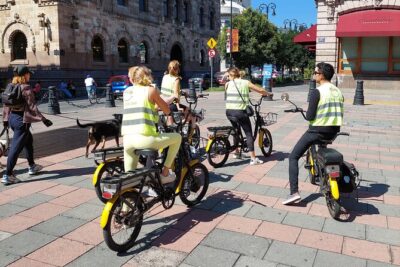 ★ 5.0Mexico City E-Bike Tour with a taco and churros stopFrom $70292 reviews
 ★ 5.0Mexico City; ART NACO : Murals & Street Art Bike TourFrom $60284 reviews
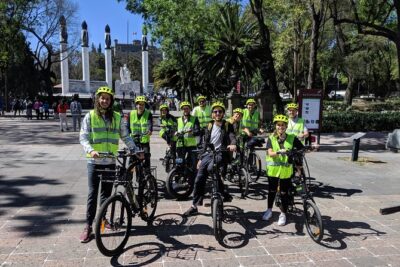 ★ 5.0Mexico City Highlights E-Bike Tour With Foodie StopsFrom $52226 reviews
 ★ 5.0Street Food Bike Tour / Mexico is not only Tacos / All InclusiveFrom $92170 reviews
★ 4.7Art Naco, murals & street art bike tourFrom $52166 reviews
★ 5.0Street Food Bike Tour / Mexico is not only Tacos / All InclusiveFrom $92170 reviews
★ 4.7Art Naco, murals & street art bike tourFrom $52166 reviews
This review also appears in