
REVIEW · MEXICO CITY PRIVATE CITY TOURS
LGBTIQ+ History of Mexico private tour
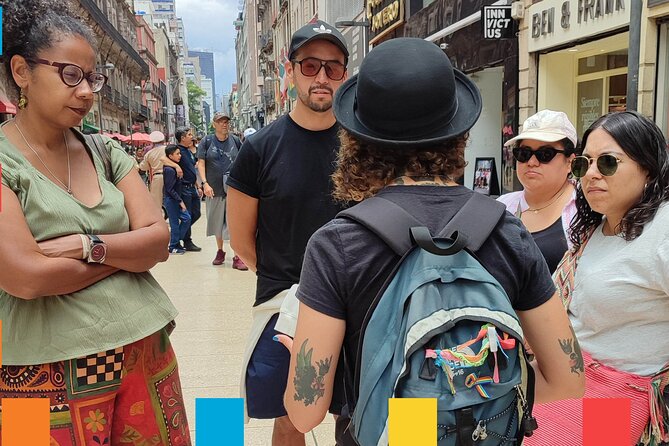
Mexico City has a second story, written in people. This private LGBTIQ+ History of Mexico tour strings together pre-Hispanic ideas, colonial rules, and modern pride into a route you can actually follow.
I love the stop-by-stop pacing that keeps it human, not lecture. I also like that the day includes small extras like snacks, bottled water, and a queer souvenir, so you feel cared for as you walk. A possible drawback is that there is considerable walking and standing, so comfortable shoes matter.
Key things I’d pay attention to
- A private format where only your group goes, with optional pickup or a Historic Center meeting point
- A guided “timeline” that connects sexuality and gender identity across eras and neighborhoods
- Pulque time included, with alcoholic beverages based on what’s offered that day
- Most entry fees are handled, with several stops listed as free and only a couple that are not
- Frida Tours’ guide style can add extra neighborhood driving, like a finish in Zona Rosa
- Food breaks are part of the vibe, including tacos al pastor in at least one recent outing
Shape another private day around your pace
- Teotihuacan Private Tour from Mexico City
★ 5.0 · 1,890 reviews - Private Tour: Teotihuacan and Guadalupe Shrine
★ 5.0 · 938 reviews - Private City Tour in Frida Kahlo, Coyoacan, and Xochimilco
★ 5.0 · 626 reviews - Mexico City Custom Private Tour with a Local, Highlights & Hidden Gems
★ 5.0 · 582 reviews
Why This LGBTIQ+ History Tour Fits Mexico City So Well
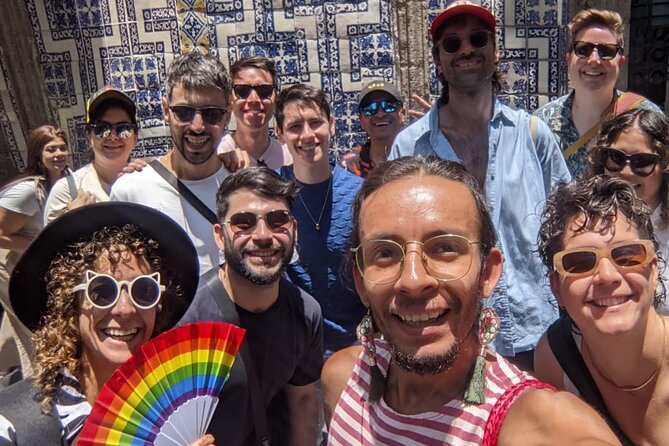
Mexico City is huge, but this tour stays tight and doable. You focus on landmarks you can reach on foot, then you get meaning attached to them, from indigenous cosmology through colonial punishment to modern icons and pride activism.
The best part is the way the story keeps moving. Instead of treating queer history as one “separate” theme, the route shows how ideas about gender and sexuality shifted with politics, religion, and public life. That makes the whole day feel practical, not like trivia.
You should also know what the tour is designed to do: it’s educational, yes, but it’s also a guided walk through places that still hold social memory. You’re not just looking at buildings, you’re learning how people lived, hid, organized, and expressed themselves.
Getting Picked Up and How the Private Day Actually Feels
This is a private tour/activity, which means only your group participates. That matters in a city where lots of “history tours” feel rushed and crowded. With a private format, your guide can set a steady pace, and you can ask follow-up questions without feeling like you’re holding up a big crowd.
You’ve got two ways to start. If you choose the option with transportation, you can depart from your accommodation. If you choose the meeting point option, you’ll begin at Museo Archivo de la Fotografía, República de Guatemala 34, Centro Histórico (Cuauhtémoc).
The day before, the guide texts the lead traveler to confirm pickup or meetup time and location. You’ll also get a mobile ticket, and the tour is offered in English.
One more reality check: the tour notes considerable walking and standing. It’s not an “everything is inside” museum day. Plan for sidewalks, plazas, and a few minutes where you’ll be waiting while the guide sets context.
Stop 1 and 2: Zócalo to Coyolxauhqui, Sex and Identity Before the Conquest
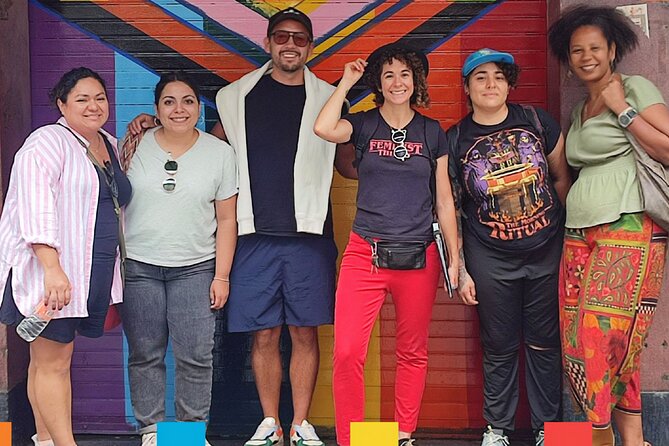
The day starts at the Zócalo, where you get a briefing on pre-Hispanic cultures and how their cosmogony shaped ideas about sexuality. The guide specifically connects the Aztecas, Mayas, Toltecas, and Totonacas to beliefs that influenced gender roles and intimate relationships.
This is a smart opening. If you start with colonial laws, it can feel like queer life is mainly a story of persecution. Starting earlier gives you a fuller map. It helps you understand that societies have always had frameworks for identity, even when those frameworks look different from today’s language.
Next you head to Coyolxauhqui. Here the guide explains how native cultures viewed homosexual practices, sexuality, and gender identity. This stop is short, about 20 minutes, so treat it as orientation plus a few key concepts. If you want more depth, ask your guide what to read next once you’re back in your hotel.
Entry is listed as free at both of these stops. That’s a nice early win because it keeps money focused on experiences you can’t easily do alone.
Keep the next outing to your own group
- Teotihuacan Private Tour from Mexico City★ 5.0 · 1,890 reviews
- Private Tour: Teotihuacan and Guadalupe Shrine★ 5.0 · 938 reviews
- Private City Tour in Frida Kahlo, Coyoacan, and Xochimilco★ 5.0 · 626 reviews
- Mexico City Custom Private Tour with a Local, Highlights & Hidden Gems★ 5.0 · 582 reviews
- Teotihuacan Private Tour with Expert Guide & Cultural Insights★ 5.0 · 577 reviews
Stop 3: Catedral Metropolitana and Colonial Era Rules You Cannot Ignore
In the middle of the route, you visit the Catedral Metropolitana de la Ciudad de Mexico. The guide uses this setting to talk about how diversity was treated during colonial times and how sodomy was punished.
It’s a heavy topic, but the way it’s handled is important. You’re not hearing it as a generic dark chapter. You’re learning how a specific institution and time period shaped what was allowed, what was feared, and what got criminalized.
This is also a good moment to slow down. In a 3 to 4 hour tour, you’ll have a few chances to absorb. Catedral gives you an anchor point, and the guide’s explanations help you connect the dots between religion, law, and everyday life.
Like the early stops, admission is listed as free here. Time-wise it’s about 20 minutes, so you’ll move on before your attention fully drops.
Stop 4: Avenida Francisco I. Madero and the Stories Behind Baile de los 41
Avenida Francisco I. Madero is where the tour shifts into the first century of independent Mexico. Expect a discussion of transgender heroes, intersexuality, Mexican dandies, and homosocial relationships.
Then you get to the big one: what really happened in the Baile de los 41. This is one of those famous episodes people repeat, but it matters that you get the guide’s framing instead of just hearing the headline. The guide connects it to the broader social world that made such events possible and dangerous.
This stop lasts about 40 minutes, which is the longest explanation segment before the route moves toward the next historical period. I like that it gives you enough time to ask questions. If you’re curious about how public reputation and gender expression worked in early modern Mexico, this is where you’ll want to lean in.
Admission is listed as free at Madero too. Translation: you’re paying for the interpretation, not the ticket gate.
Stop 5: La Opera, the Mexican Revolution, and Zapata’s Mention
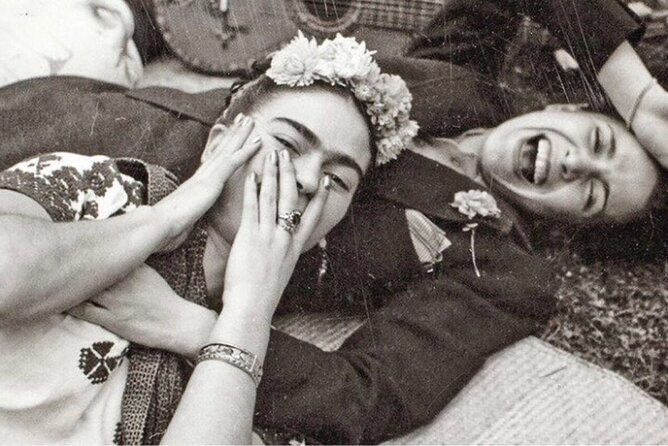
At La Opera, the guide talks about diversity during the Mexican Revolution. You’ll also hear about Emiliano Zapata and the tour’s framing of Zapata as the first transgender person to be officially recognized.
Now, when a tour includes a claim like that, the value is in the context the guide provides. Watch for how your guide explains what “officially recognized” means in that historical narrative and how they connect identity to the public record.
This stop is about 20 minutes, and admission is listed as included. That makes it easier to plan because you do not need to guess whether there’s an extra fee.
This is also one of the places where you can connect the history to how people organized, fought power, and used identity as part of their public presence. Even if you came for queer history, you’ll likely leave thinking more broadly about revolution and who gets seen.
Stop 6: Centro Histórico, Open Queer Life, Art, Cruising Beginnings
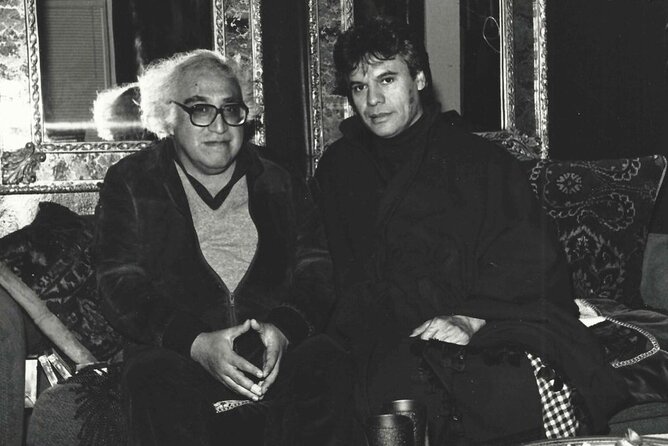
The Historic Center, or Centro Histórico, is where the tour moves into modern Mexico and the development of queer public life. The guide discusses the first open homosexuals in Mexican history and their artworks. You’ll also hear how these figures related to international queer icons and how cruising began.
This stop is about 30 minutes, so you’ll get key names and the big thread linking local expression to international influence. If you like understanding how ideas travel, this is an especially useful segment. It gives you a sense of continuity: what queer communities learn from one another, and how expression changes with time and place.
Admission is listed as free at Centro Histórico, which is great because this is where you might be tempted to keep taking side detours. With the guide keeping you on pace, you still get context without burning the whole day.
Stop 7: Alameda Central and Icon Stories You Can Recheck Later
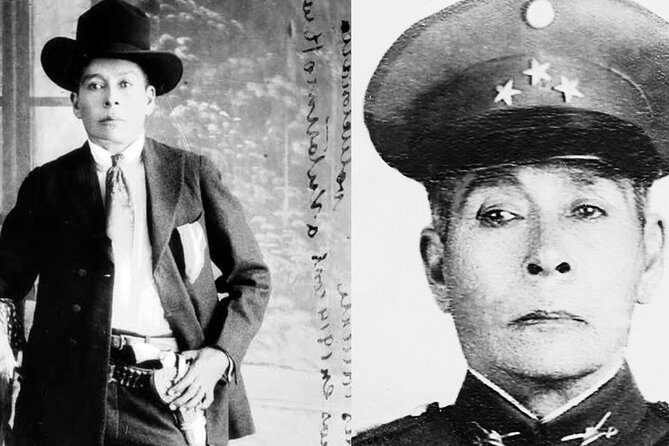
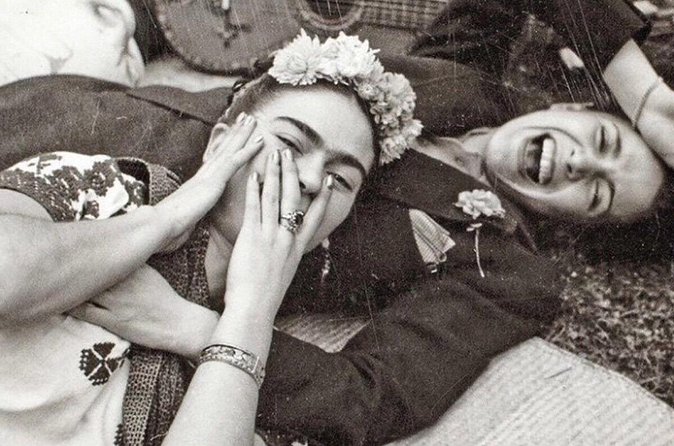
Alameda Central is next, and it comes with a different feel. This is the place for myths and truths around famous queer icons. The tour names Frida Kahlo, Chavela Vargas, Juan Gabriel, and others.
You’ll notice the structure again: not just who, but how stories got told, repeated, and sometimes exaggerated. The guide’s job here is to separate myth from what can be supported, while still giving the legends their cultural weight.
The stop is about 40 minutes. That’s enough time to stand in the square, listen, and then mentally connect the icon stories to what you’ve already heard about gender expression and public perception.
Admission is listed as not included here. That means if there’s a paid element at the time you go, you may need to handle it separately. The good news is the stop is planned as a walking and explanation segment, so you’re not left without something to do.
Stop 8: Marrakech Salon, Pride Protests, and Human Rights Fighters
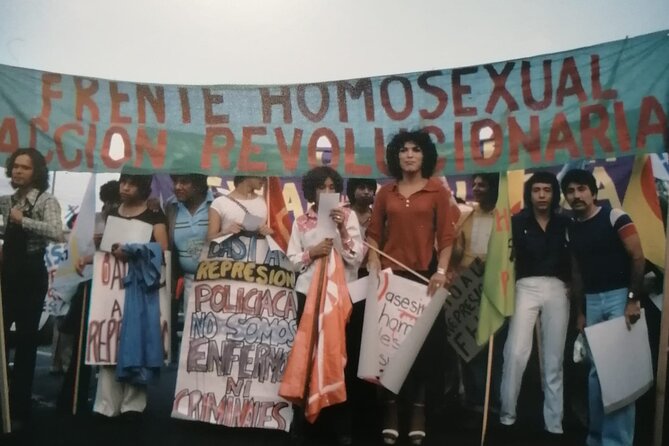
The final stop is Marrakech Salon in the Centro Histórico area. Here the guide focuses on the first Pride protests in the country and the main fighters for human rights within the LGBTIQ+ community.
This is where the tour feels most alive. Earlier stops are about belief systems and institutions. This one is about people acting in public and demanding change. It’s a good way to end, because it turns the past into a bridge to what communities were pushing for on the ground.
The stop is about 20 minutes, and admission is listed as free. The tour officially ends at Marrakech Salon at República de Cuba 18.
There’s also a thoughtful extra: the operator invites customers to have pulque in a restaurant nearby if you want to continue. That’s optional, but it fits the overall vibe of the day, eating and drinking lightly while you reflect.
And yes, pulque ties the whole experience together. The included pulque tasting (or another beverage) gives you a sensory reminder that culture is not just dates on a page.
Price and Value: Is $93.84 Worth It for 3 to 4 Hours?
At $93.84 per person for about 3 to 4 hours, the real question is what you’re buying: you’re paying for guided interpretation plus the cost-softeners that make the day smoother.
Here’s what your money covers, based on the listed inclusions:
- Snacks during the tour
- Bottled water
- Queer souvenir
- Pulque tasting or another beverage (alcoholic beverages)
- Private transportation only if you chose that option
- Free admission tickets at many stops, with La Opera admission included and Alameda Central not included
When those admission gates are mostly free, the tour shifts from “paying for entry” to “paying for a story that would be hard to assemble on your own.” And the private format changes the value because you can control pace and questions.
One more sign of demand: it’s commonly booked around 92 days in advance on average. That usually means this isn’t a last-minute-only tour. If you want a spot, you’ll do yourself a favor by booking earlier rather than assuming you can find it later.
Practical Tips So You Enjoy Every Stop, Not Just the Highlights
This tour hits multiple plazas and historic streets, so your comfort affects your experience.
1) Wear shoes you can stand in. The tour notes considerable walking and standing.
2) Plan for weather. The experience requires good weather. If it’s canceled due to poor weather, you’ll be offered another date or a full refund.
3) Bring curiosity. The most satisfying moments tend to be when you ask a question after a guide finishes explaining a concept like colonial punishment or the Baile de los 41.
4) Expect short stops with dense context. Many segments are 20 minutes. Take brief notes so you can remember names and themes later.
5) Ask about food timing. Snacks are included, and some private outings can include food moments like tacos al pastor, which help break up the history pacing.
6) If you want extra neighborhood time, ask. In a private tour setting, guides can sometimes add driving time through neighborhoods you hope to see, such as finishing in Zona Rosa, but you’ll want to confirm what’s possible for your group.
Should You Book the LGBTIQ+ History of Mexico Private Tour?
If you want LGBTIQ+ history that’s placed into real locations, this is a strong pick. It’s timed well for a half-day window, and it combines storytelling with practical included extras like snacks, water, and pulque tasting.
I’d especially recommend it if:
- You’re pairing Mexico City landmarks with a focused theme
- You want interpretation of queer history across time periods, from pre-Hispanic beliefs through modern icons
- You like the idea of a private, English-language guide who can slow down when questions come up
- You appreciate stops with mostly free admission, which keeps the total cost from ballooning
I’d hesitate if:
- You have limited ability to walk or stand for extended periods
- You prefer your history in museums only, because this route spends more time outdoors in plazas and streets
Overall, this is one of the better ways to learn the city’s identity without treating queer history as an add-on. You leave with names, themes, and a sense of how people shaped culture in public, even when the rules were against them.
FAQ
How long is the LGBTIQ+ History of Mexico private tour?
It runs about 3 to 4 hours.
Where does the tour start?
It starts at Museo Archivo de la Fotografía, República de Guatemala 34, Centro Histórico, Cuauhtémoc, 06010 Ciudad de México, CDMX, Mexico.
Where does the tour end?
The tour ends at Marrakech Salon, República de Cuba 18, Centro Histórico, Cuauhtémoc, 06000 Ciudad de México, CDMX, Mexico.
Is pickup available?
Pickup depends on the option you choose. You can depart from your accommodation in the private option with transportation, or meet at the Historic Center meeting point.
Is the tour private?
Yes. It is a private tour/activity, and only your group participates.
What language is the tour offered in?
The tour is offered in English.
What’s included during the tour?
The tour includes snacks, bottled water, and alcoholic beverages including a pulque tasting or another beverage, plus a queer souvenir. If you choose the option with transportation, private transportation is also included.
Are entry tickets included for every stop?
Most stops list free admission tickets. La Opera lists admission ticket included, and Alameda Central lists admission ticket not included.
Is the tour dependent on weather?
Yes. It requires good weather. If it is canceled due to poor weather, you will be offered a different date or a full refund.
Can I cancel for a refund?
You can cancel up to 24 hours in advance for a full refund. If you cancel less than 24 hours before the start time, the amount paid is not refunded.
Is the tour suitable for people who use public transportation or need service animals?
It is near public transportation, and service animals are allowed.
More Tours in Mexico City



More Tour Reviews in Mexico City


Private Routes Built Around Your Day

More Mexico City plans worth opening

Mexico City Private City Tours for the next day.
 ★ 5.0Teotihuacan Private Tour from Mexico CityFrom $1401,890 reviews
 ★ 5.0Private Tour: Teotihuacan and Guadalupe ShrineFrom $189938 reviews
 ★ 5.0Private City Tour in Frida Kahlo, Coyoacan, and XochimilcoFrom $195626 reviews
 ★ 5.0Mexico City Custom Private Tour with a Local, Highlights & Hidden GemsFrom $77582 reviews
 ★ 5.0Teotihuacan Private Tour with Expert Guide & Cultural InsightsFrom $140577 reviews
 ★ 5.0100% Private Tour in Teotihuacán Pyramids from Mexico CityFrom $120449 reviews
 ★ 5.0Private City Tour Mexico City – Best RatedFrom $35402 reviews
 ★ 5.0Private Tour: Xochimilco, Coyoacan and Frida Kahlo MuseumFrom $269350 reviews
This review also appears in