REVIEW · MEXICO CITY
Learn to Cook Mexican Bread
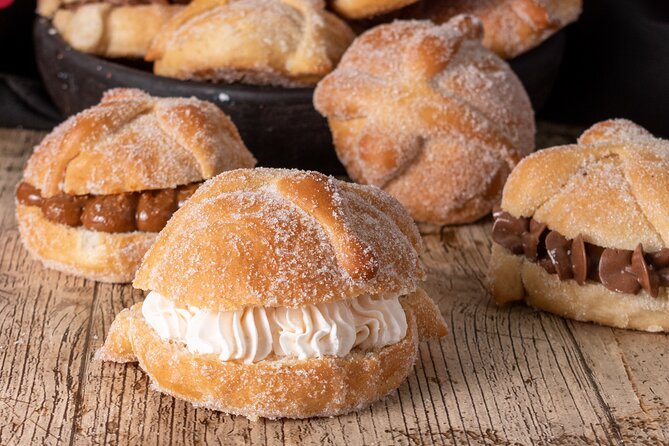
A sweet bread lesson in Mexico City tastes real. In about 3 hours, you learn to craft Pan de Muerto from scratch, start in historic Tacuba at Parroquia San Gabriel Arcángel, and finish with a loaf you shaped yourself.
I love how hands-on it is, from kneading to shaping to baking, and I also like that you pair it with high-cacao hot chocolate. One thing to consider: this class is not gluten free, so wheat is part of the fun.
Key Things To Know Before You Go
- Meet at Parroquia San Gabriel Arcángel in Tacuba, right in an area with history that predates Spanish arrival.
- You work dough yourself, practicing kneading, shaping, and baking steps instead of watching from the sidelines.
- Flavor focus matters: you’ll work with the signature orange and anise notes that define Pan de Muerto.
- You learn the bread’s symbolism through bone-shaped decorations and how they’re made.
- High-cacao hot chocolate is part of the deal, designed to go with your freshly baked bread.
- Small groups (max 10) keep the class friendly and practical, especially when questions pop up.
Before you settle on this one, put these Mexico City alternatives beside it:
- Teotihuacan, Guadalupe Shrine & Tlatelolco Day Tour with Lunch
★ 5.0 · 11,603 reviews - Xochimilco, Coyoacan and Frida Kahlo with Optional Lunch
★ 4.5 · 7,320 reviews - Balloon flight + Breakfast in cave + Pyramids + Pick up CDMX.
★ 5.0 · 6,335 reviews - Teotihuacan pyramids morning or afternoon without tourist traps
★ 5.0 · 6,186 reviews
A Three-Hour Class That Ends With Pan de Muerto in Hand
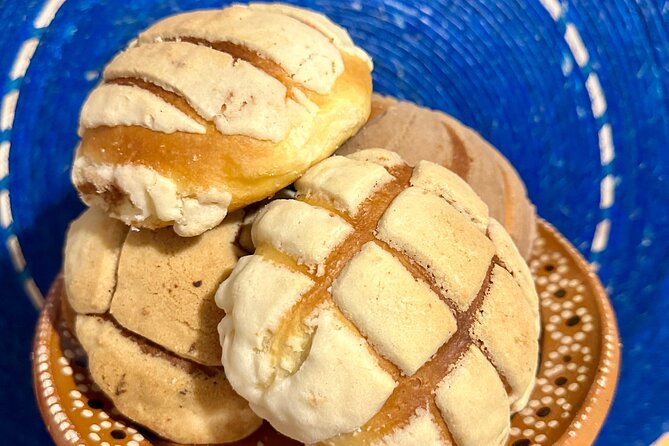
If you want a quick, real way into Mexican food, this is a solid pick. The goal is simple: in a short time window, you learn how Pan de Muerto is made, then leave with your own loaf. The bread is sweet and aromatic, and the class breaks the process into clear steps so you can actually repeat it later at home.
This is not a “stand here and listen” event. You’re working with ingredients and dough, shaping the bread, and learning how baking changes everything. That hands-on approach is what makes it so memorable, because you can taste your progress.
The Meeting Point: Parroquia San Gabriel Arcángel in Tacuba
You start at Parroquia San Gabriel Arcángel (Calz México-Tacuba S/N, Tacuba). The class meets in the heart of Tacuba, an area tied to deep local roots that stretch back far before Spanish rule. Even if you do not go looking for details, the setting gives the bread lesson more meaning.
This location also makes the experience feel local rather than staged. You’re not being whisked to a cooking studio on the outskirts. You’re starting right where everyday life happens and where people still gather around historic landmarks.
If you’re using public transportation, you’re in luck. The meeting point is near public transit, so you can arrive without stress. Just plan to show up a few minutes early, because once the group gathers, the dough lesson moves fast.
A Small Ingredient Detour: Seeing the Bread’s Building Blocks
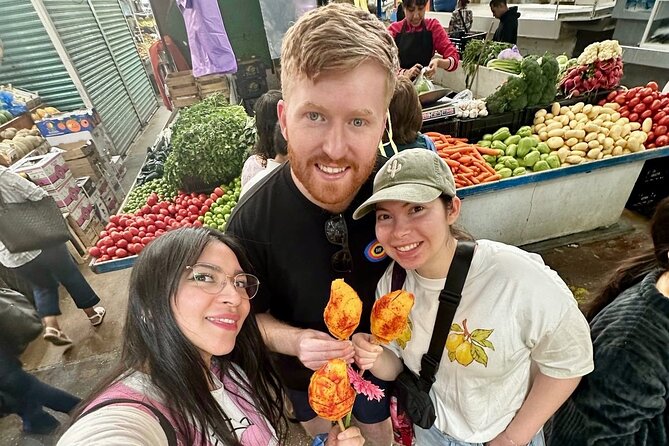
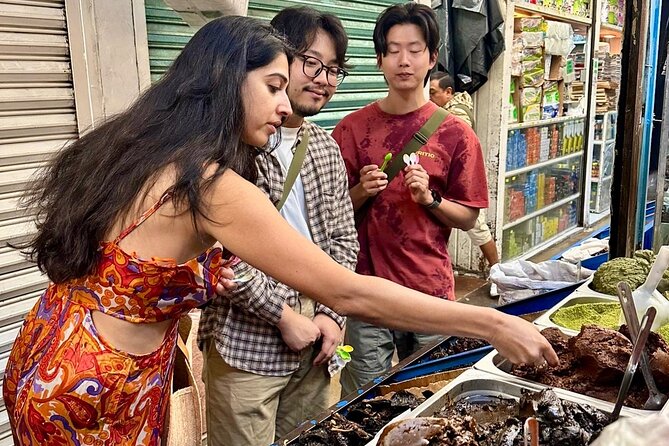
One of the smartest parts of any cooking class is understanding where ingredients come from. You get that kind of context here, with a market-style stop that helps you connect the final loaf to real shopping and real choices.
I like this approach because it explains why certain ingredients show up in Mexican sweets the way they do. Instead of treating the recipe like a list of numbers, you learn the logic behind the components. You’ll also be more confident when you buy ingredients later, because you’ve seen what you’re looking for.
And yes, this also helps break the “kitchen bubble.” You get to talk with the host and enjoy the friendly local atmosphere before you start working the dough.
- Teotihuacan, Guadalupe Shrine & Tlatelolco Day Tour with Lunch★ 5.0 · 11,603 reviews
- Xochimilco, Coyoacan and Frida Kahlo with Optional Lunch★ 4.5 · 7,320 reviews
- Teotihuacan pyramids morning or afternoon without tourist traps★ 5.0 · 6,186 reviews
- Teotihuacan Early Access Guided Tour with optional Lunch★ 4.5 · 6,138 reviews
- Mexico City: Teotihuacan, Tlatelolco & Guadalupe Shrine Tour★ 4.6 · 3,773 reviews
Kneading, Shaping, and Baking: The Steps That Make Pan de Muerto Work
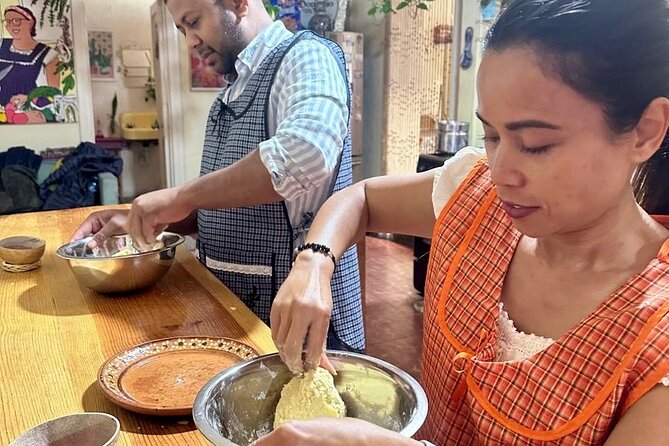
The class is built around the full bread-making cycle. You’ll learn how to select ingredients, knead properly, shape the dough, and bake it so it comes out with the right texture and aroma.
Kneading and dough feel
The kneading portion matters because dough is not just flour and water. In Pan de Muerto, you’re aiming for a dough that can hold shape while still baking up tender. If you’ve never kneaded before, this is where the class earns its keep. You’re coached through technique, not just given a recipe card and hoped-for results.
Shaping and bone-like decorations
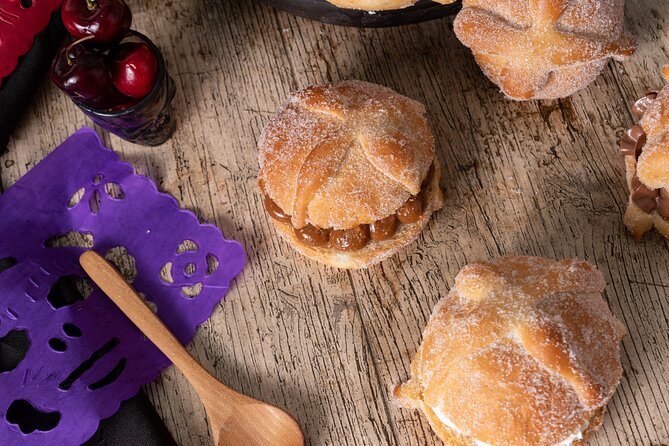
Shaping is where Pan de Muerto becomes Pan de Muerto. You’ll learn how the bread is formed and how those signature bone-shaped decorations are placed. It’s not just decoration either. The style helps the bread look the part for the Day of the Dead tradition, and it’s part of why people recognize this bread right away.
Baking for aroma and texture
Baking is the final test, and the class covers it so you do not overthink it. Timing, oven behavior, and doneness checks are the kind of practical skills you’ll appreciate later when you try again.
Orange and Anise: The Sweet, Aromatic Profile You’ll Learn to Taste
Pan de Muerto stands out because it smells like more than vanilla-sugar dessert. In this class, you work with delicate orange and anise flavors that create that unmistakable aromatic signature.
I like that the class treats flavor as something you build while you cook, not something you hope for at the end. You’ll learn how the ingredients contribute to the final bread. That makes it easier to adjust at home too, because you’ll understand what you are tasting.
If you already like Mexican seasonal sweets, you’ll catch on quickly. If you’ve never tried anise in baked goods, do not be afraid. The class framing makes it approachable, and once you smell it in warm bread, it starts to make perfect sense.
Symbolism You Can Actually Make: Bone Decorations and Why They Matter
Pan de Muerto decorations are part of the tradition. You’re not just copying a shape. You’ll learn the significance of the decorative elements, especially the bone-shaped style that shows up on the bread.
This matters because it turns the activity into more than edible crafts. You’re participating in cultural meaning through a food format that people recognize and share. That is also why the class includes a take-home loaf, not just a bite during the session.
Even if you’re not deeply familiar with Day of the Dead traditions, this is a way to learn through practice. You make the bread, then you understand what the shapes represent as you see them take form in front of you.
High-Cacao Hot Chocolate: The Perfect Match for Fresh Bread
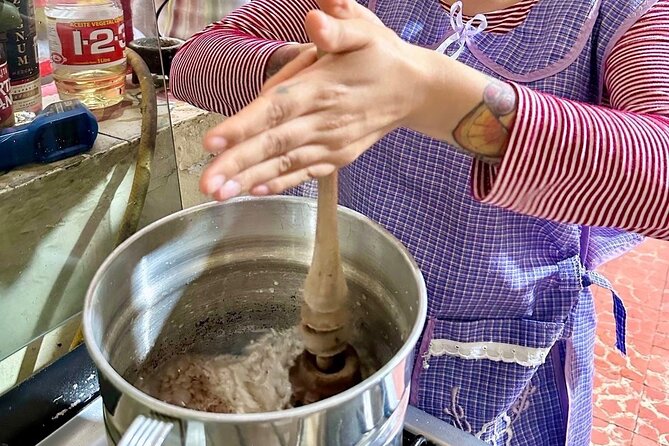
While the bread bakes, you’re not just waiting. You prepare high-cacao hot chocolate, designed as the pairing for your Pan de Muerto.
Hot chocolate like this is more than sweetness. Cacao flavor gives depth, and the warmth complements the bread’s orange and anise notes. It also makes the whole class feel like a mini celebration, right from the first steps.
This is one of the easiest parts to appreciate in the moment. You’ll taste the ingredients side by side, and you’ll understand why this combo shows up around Day of the Dead season.
Optional Pan de Muerto Filled: A Fun Twist If You Want More
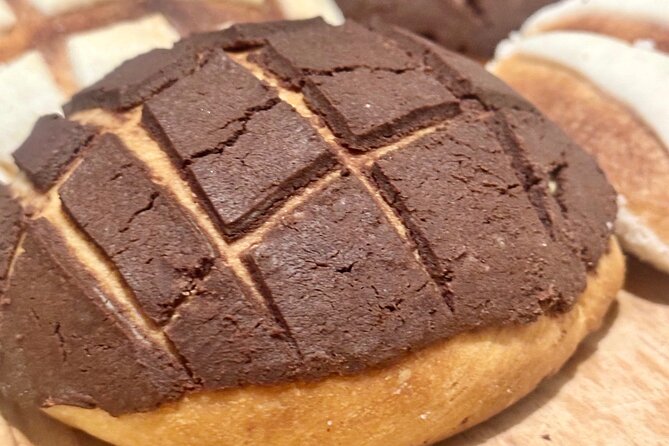
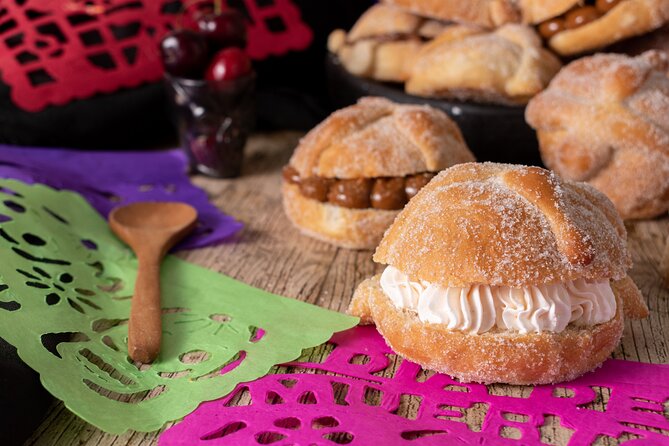
In addition to making the bread, you get snacks that include Pan de Muerto, plus filled Pan de Muerto if you choose the optional version.
Even if you stick to making the standard loaf, tasting a filled version gives you ideas for future bakes. It’s also a helpful way to think about how the same bread format can be flexible.
Price and Value: Is $65 a Smart Deal Here?
At $65.00 per person for around 3 hours, the value depends on what you want out of Mexico City food experiences. This is not the cheapest option. But it’s also not a “pay for a seat” event.
You get:
- Cooking equipment
- Snacks that include Pan de Muerto, with an optional filled version
- Chocolate with cacao
- Recipes to take home
- The bread you craft during the class
For me, the value comes from two things. First, the small group size (max 10) supports real instruction and hands-on work. Second, you’re taking home both the edible result and the knowledge to repeat it. That’s how you turn a fun afternoon into a skill you can use later.
Group Size, Hosts, and the Kind of Atmosphere This Creates
This class caps at 10 travelers, which is a sweet spot for cooking. You’re not swallowed by a crowd, and you can ask questions while you work.
The experience also has a strong host vibe. Reviews point to warm, professional hosts such as Veronica and Natalia, with the kind of friendly energy that makes bread-making feel doable. Even if you’re anxious about technique, a good host keeps it calm and practical.
Language can also be handled thoughtfully. The class can be held in more than one language simultaneously, so you have a better chance of understanding the steps even if your Spanish is basic.
Who Should Book This Mexican Bread Class?
I think this tour fits you if you want:
- A practical entry point into Mexican baking
- Hands-on instruction you can repeat at home
- A culturally meaningful food experience connected to Day of the Dead flavors
It also works well for couples and friends who learn best by doing. If you like food that looks meaningful and tastes comforting, Pan de Muerto is a perfect target.
If you are traveling solo, the small group format helps you feel included rather than crowded.
Who Might Want to Skip It (or Plan First)
The biggest consideration is dietary. This class is not gluten free, so if you avoid wheat or need strict gluten-free options, you’ll want to pass.
Weather matters too. The experience requires good weather, and if it is canceled due to poor weather, you’ll be offered a different date or a full refund. That’s normal for outdoor-adjacent neighborhood experiences, but it’s worth keeping in mind when you schedule.
Also, private transportation is not included. The meeting point is near public transportation, so you’ll likely want to handle getting there yourself.
Should You Book Learn to Cook Mexican Bread?
Yes, if you want an experience that teaches you something real, not just something you watch. This class combines technique, cultural context, and a tasty payoff, and the small group size helps you actually learn the steps. If you like the idea of learning Pan de Muerto with the right orange and anise flavor notes and then pairing it with high-cacao hot chocolate, it’s a great way to spend a half-day in Mexico City.
If you need gluten-free cooking or you’re very tight on time and prefer a purely local meal over a hands-on workshop, you might look for a different food experience. But for most people, this is a warm, practical, and delicious skill-building outing.
FAQ
Where is the class meeting point?
The class meets at Parroquia San Gabriel Arcángel, Calz México-Tacuba S/N, Tacuba, Miguel Hidalgo, 11490 Ciudad de México, CDMX, Mexico.
How long is the cooking experience?
It lasts about 3 hours.
How much does the experience cost?
The price is $65.00 per person.
What is the maximum group size?
This activity has a maximum of 10 travelers.
Is the experience gluten free?
No. The experience is not gluten free.
What will I learn and what will I eat?
You’ll learn how to make Pan de Muerto from scratch, including selecting ingredients and mastering kneading, shaping, and baking. Snacks include Pan de Muerto, plus chocolate with cacao, and filled Pan de Muerto is optional.
Will I take Pan de Muerto home?
Yes. You will have your Pan de Muerto to take home, and you’ll also receive recipes.
Can the class be offered in different languages?
Yes. The class can be held in more than one language simultaneously.
What happens if the class is canceled due to poor weather or too few travelers?
If it’s canceled due to poor weather, you’ll be offered a different date or a full refund. If the minimum number of travelers is not met, you’ll also be offered a different date or experience, or a full refund.