
REVIEW · TEOTIHUACAN PYRAMIDS TOURS
Eat in a local house & access to restricted areas in Teotihuacan
Teotihuacan plus dinner at a local home. That combo makes this day feel special right away. What I like most is the small-group pace at the pyramids and the chance for exclusive access to a temple area tied to mural art research. The second big win is the meal at Erica’s house, with a menu that mixes pre-Hispanic and colonial influences. One consideration: the day starts early, and you will spend a good chunk outdoors in Teotihuacan, so sun and walking shoes matter.
The tour runs out of Mexico City with A/C comfort and a human scale, max 12 people. I also appreciate that you get a structured explanation of the site’s four construction phases, plus real context on how people live in nearby districts such as Indios Verdes and Ecatepec. The only drawback worth planning for is food curiosity. Expect ingredients like huitlacoche and the option of grasshoppers, maguey worms, and pork rinds in green sauce, though the experience is designed to work for vegetarians, vegans, and people with celiac disease.
Key highlights you will actually use
- Exclusive restricted-area access to the temple of the ancient masters of mural art (INAH under investigation)
- Four-stage Teotihuacan story, from 100 B.C. to 650 A.D., tied to cultural and commercial growth
- Coffee meetup before the site visit, specialty brewed coffee at Almanegra or 1401 café
- Erica’s home-cooked meal with pre-Hispanic plus colonial techniques and ingredients
- Small group, max 12 travelers, plus A/C transport from Mexico City
Choose another route through the Avenue of the Dead
- Teotihuacan, Guadalupe Shrine & Tlatelolco Day Tour with Lunch
★ 5.0 · 11,603 reviews - Balloon flight + Breakfast in cave + Pyramids + Pick up CDMX.
★ 5.0 · 6,335 reviews - Teotihuacan pyramids morning or afternoon without tourist traps
★ 5.0 · 6,186 reviews - Teotihuacan Early Access Guided Tour with optional Lunch
★ 4.5 · 6,138 reviews
Coffee first: the Roma Norte and Col Juárez meeting points
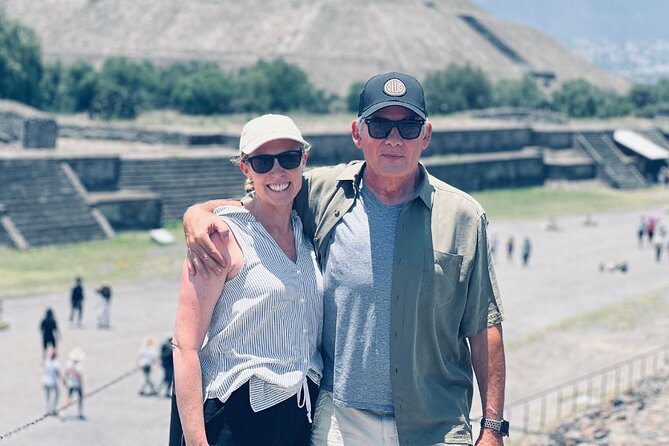
This starts with breakfast-style logistics that feel friendly, not rushed. You’ll meet at 8:00 am at Almanegra café in Roma Norte, or at 8:30 am at 1401 café in Col Juárez, where specialty brewed coffee is included. That small detail matters. It gives you fuel before the Teotihuacan drive and helps you sync with the group before anyone starts asking questions.
I like that the pickup option is built in. You are not hunting down a meeting corner across town while your energy fades. And because it runs in English, you can relax into the explanations instead of half-following what you hear.
If you are picky about mornings, plan for it: this is an early start by Mexico City standards. It is totally doable, but you should treat it like a half-day commitment, not a late brunch situation.
Teotihuacan with a guide, not just a ticket
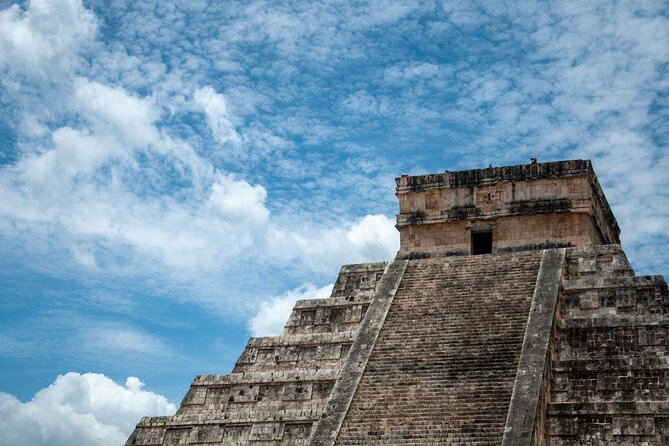
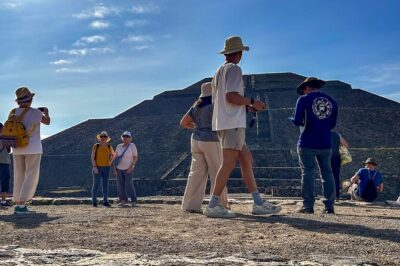
Once you reach Teotihuacan, the day shifts from city context to archaeology mode. You will visit the main pyramids area with an expert guide, and you’ll cover the site’s development in four stages, stretching from about 100 B.C. through 650 A.D. The guide approach is what turns the pyramids from big shapes into a timeline you can remember.
You also get the kind of pacing I prefer for a first visit: the tour includes interpretation during the walk, not just a checklist of what is where. That matters because Teotihuacan can feel overwhelming if you go in cold. With a guide framing what you are seeing, you start noticing patterns, like how monumental construction signals both power and economic pull.
The restricted mural-temple access (INAH investigation)
The most distinctive part is the exclusive access to the temple of the ancient masters of mural art, an area that is under investigation by INAH. This is not just a photo stop. It connects the site to an art education and experimentation function in its past, linked to techniques such as cochineal painting.
Why that matters for you: restricted-area access usually implies you get a more careful, respectful look. You are not treated like a passenger milling around at the edges. Instead, you get to focus on how mural-making culture fits into Teotihuacan’s wider story.
And because the area is tied to research, it feels more honest than the typical landmark tour. You see that archaeology is not frozen in time. It’s ongoing.
Keep these Mexico City options within reach:
- Colonia Roma Food Tour★ 5.0 · 838 reviews
- Mexico City Historical Centre Food Tour with 7 Authentic Tastings★ 5.0 · 723 reviews
- Mexico City Boat Tour Food and Unlimited Drinks Priority Boarding★ 5.0 · 653 reviews
- Mexican Cooking Class with Food Market Visit in Mexico City★ 5.0 · 506 reviews
- Street Food Tour with Friends★ 5.0 · 326 reviews
What you should watch for in Teotihuacan
Teotihuacan is outdoors. Even with a great guide and a smooth schedule, you will spend time standing and walking on uneven ground. Bring comfortable shoes you can grip on, and bring sun protection that you will actually reapply.
Also, go into it expecting a guided explanation to take up part of the time. If your idea of a perfect day is fast movement and lots of independent wandering, this tour might feel a bit structured. If you want context and a coherent narrative, it’s a strong fit.
On the drive: Indios Verdes, Ecatepec, and hanging cable cars
Before you arrive, you get more than scenery. En route, the guide shares insights into the social dynamics across districts like Indios Verdes and Ecatepec. You’ll also learn about relevant government initiatives aimed at improving connectivity to Mexico City, including the innovative hanging cable cars.
I appreciate this segment because it ties your day into the real Mexico City around Teotihuacan. It helps you understand the travel time without treating it like a blank tunnel. And it makes the trip feel less like an escape hatch and more like a full picture of the region.
This is also where A/C comfort pays off. The drive is part of the experience, and a cool van on a warm day keeps you alert for the walk at the site.
Erica’s home-cooked meal: pre-Hispanic roots, colonial influences
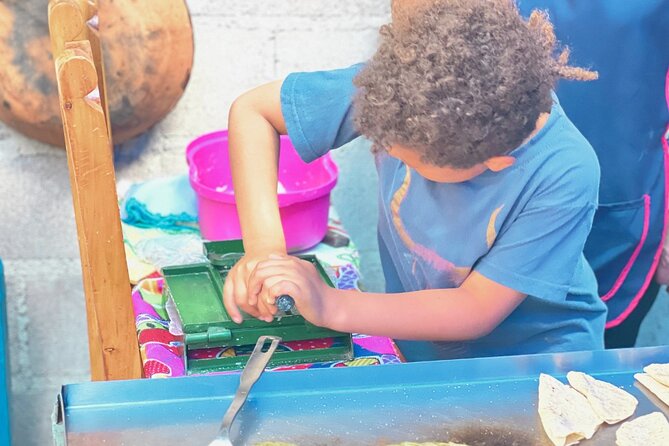
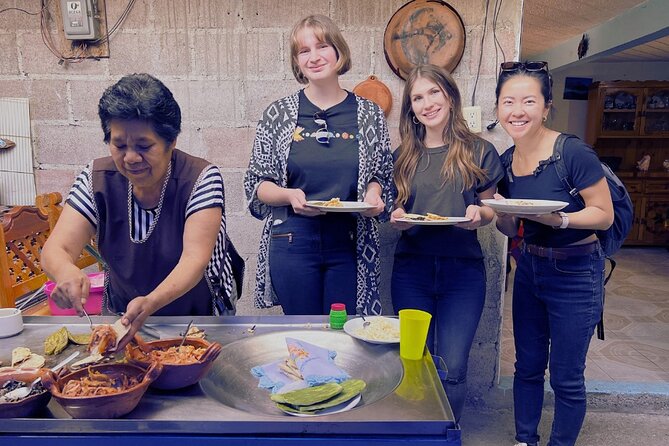
After the pyramids, you take a short drive of about 10 minutes to Erica’s home. This is where the tour goes from culture lesson to lived experience, because you are eating in a local house, not in a stage-managed restaurant.
The meal is designed to be inclusive. The experience is suitable for vegetarians, vegans, or people with celiac disease. That is a big deal if you travel with dietary needs, because it means you are not stuck hoping the kitchen can improvise.
The sample menu you should know before you go
The menu gives you a real sense of what home cooking can mean in this region, including ingredients that might feel unfamiliar. Here are the highlights you can expect:
- Starter: Homemade quesadillas, including an Oaxacan cheese version plus options featuring huitlacoche, mushrooms, and nopal (cactus).
- Main: A mole-focused spread with chicken with mole, guacamole, and even items like grasshoppers, maguey worms, and pork rinds in green sauce, alongside rice and beans.
- Dessert: A prehispanic dessert using xoconostle fruit with cinnamon.
Also, the mole gets special attention. Even if you are not a mole fanatic, it’s usually the dish people remember. Expect a slow-simmered flavor profile that hits savory, warm spice, and deep, roasted notes.
What to consider with adventurous ingredients
If you are cautious about trying insects or pork rinds, you still have options. The tour is stated to accommodate vegetarians, vegans, and celiac disease, and the format is home-based, which tends to mean flexibility. Still, the menu includes adventurous elements, so it helps to go in with an open mind and ask questions at the start.
And if you are adventurous, this is a high-value moment. Eating here is not about checking a box. It’s about tasting how regional ingredients and technique create food identity.
Why this home stop is valuable beyond the food
The reason I rate this part highly is that it gives you social contact, not just calories. You are in someone’s space. The food comes with context, and you get a chance to see culture in the small daily details.
Also, it’s paced. You are not rushed back onto the bus the second you sit down. You finish your meal and then the tour winds toward the return.
Timing and comfort: how a 6-hour day feels in practice
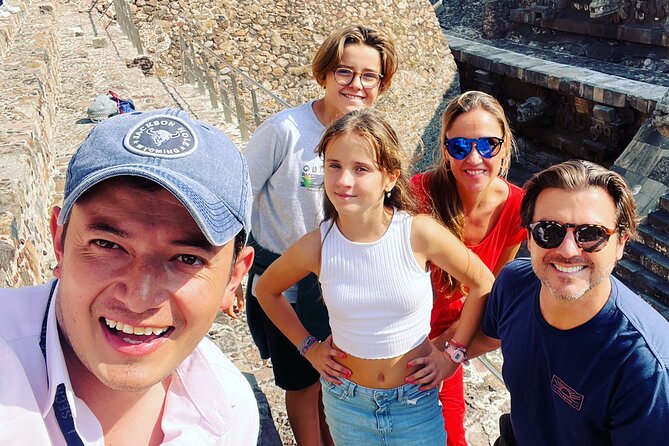
This is listed as about 6 hours total, and the typical flow is morning coffee, travel to Teotihuacan, guided site time, home meal, then about one hour back to Mexico City.
You will notice two things about this schedule:
- The day is long enough to feel complete, but short enough not to dominate your whole trip.
- It is structured, so you are not stuck deciding what to do next while you are hungry and sunburn-prone.
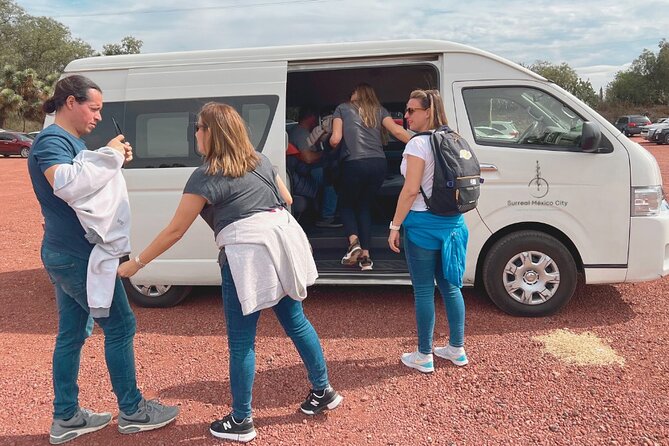
Transport is in an air-conditioned vehicle from Mexico City, which helps you stay comfortable and ready for walking. Group size is capped at 12 travelers, which usually means you can hear the guide and ask questions without shouting over ten other people.
There’s also a mobile ticket included. That is practical, especially if you want to avoid last-minute paper hunts.
One extra planning note: the tour’s start is either 8:00 am or 8:30 am depending on your meeting point. Choose the one that best matches where you are staying, because it impacts your wake-up time.
Price, group size, and what you get for your money
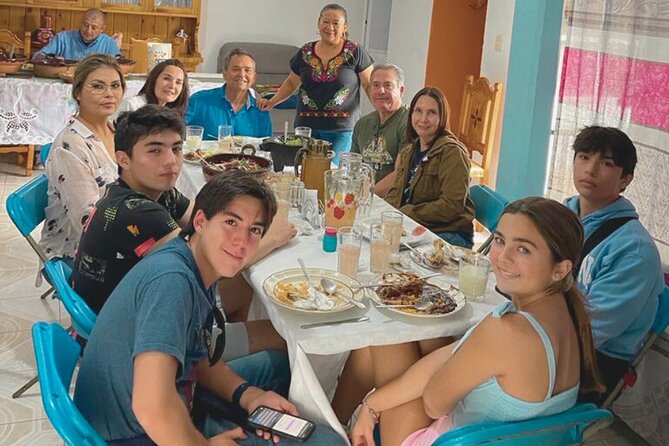
At $90 per person for a half-day, this tour can look simple on paper: transport, Teotihuacan access, lunch. But the value is in the specific mix.
Here is what makes it feel worth paying for:
- You get a guided Teotihuacan visit that covers the site’s four construction phases, from 100 B.C. to 650 A.D., plus explanation during the walk.
- You get exclusive access to a restricted mural-art temple area that is connected to ongoing INAH research.
- You do not eat in a generic spot. You eat in Erica’s home, with a menu built around regional ingredients and techniques.
- You travel in A/C and in a small group, max 12, which improves both comfort and communication.
Also, the booking pace is high, booked on average 52 days in advance, which usually signals people know it’s a good fit for what you actually want: authentic food, real access, and a guide-led narrative.
Finally, the quality signal is strong. The rating is 5, with 51 reviews, and the recommendation rate is 100%. I do not treat that as a magic guarantee, but it does match the idea that people leave feeling they got more than a cookie-cutter tour.
Who should book this Teotihuacan + local home meal day
This fits best if you:
- Want a first or early Teotihuacan visit and would rather have a coherent guided story than wander alone.
- Care about authentic food experiences, especially if you like tasting regional ingredients and flavors.
- Have dietary needs and want a stated fit for vegetarians, vegans, and celiac disease.
- Like small groups where you can actually hear and interact.
You might not love it as much if you:
- Prefer to spend most of your time on your own in silence, without a structured guide.
- Hate early mornings or do not enjoy outdoor walking.
- Have a strong aversion to trying adventurous items, even though options are described.
Should you book it?
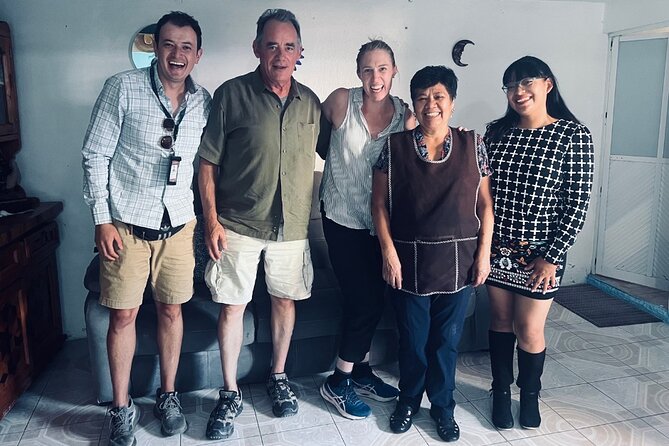
Book it if you want Teotihuacan with context and you also want lunch that feels like part of the culture, not an add-on. The combination of four construction stages, exclusive access to the mural-art temple area tied to INAH research, and a real home meal with Erica makes this more memorable than the standard big-van pyramid tour.
I’d especially choose this one if you are the kind of traveler who likes details, from cochineal painting connections to the way Xoconostle shows up in dessert. And if you’re traveling with dietary restrictions, the stated ability to accommodate vegetarians, vegans, and celiac disease is a practical reason to book with confidence.
If you want a simple checklist day, this could feel structured. But if you want a thoughtful, small-group experience with authentic food, it’s a very strong yes.
FAQ
What time does the tour start?
The tour starts at either 8:00 am from Almanegra café in Roma Norte, or 8:30 am from 1401 café in Col Juárez.
Is coffee included?
Yes. Specialty brewed coffee is included at the morning meeting point.
How long is the experience?
It lasts about 6 hours in total.
Do I get picked up, or do I meet at a café?
Pickup is offered, and you can also use one of the listed meeting points at the morning coffee stops.
Is there access to restricted areas at Teotihuacan?
Yes. The tour includes exclusive access to the temple of the ancient masters of mural art.
What is special about the restricted area?
It is an area under investigation by INAH, and it connects to mural art study and exploration techniques such as cochineal painting.
What food options are available?
The experience is suitable for vegetarians, vegans, and people with celiac disease.
How big is the group?
The tour has a maximum of 12 travelers.
Is English offered?
Yes, the tour is offered in English.
The Next Plate in Mexico City





More Tour Reviews in Mexico City

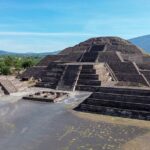

Teotihuacan Beyond the First Pyramid
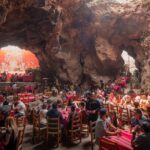
More Mexico City plans worth opening
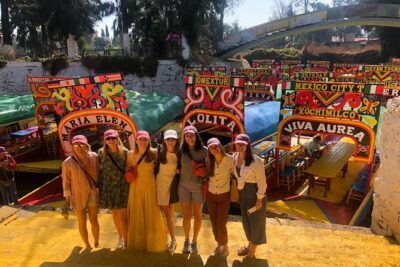
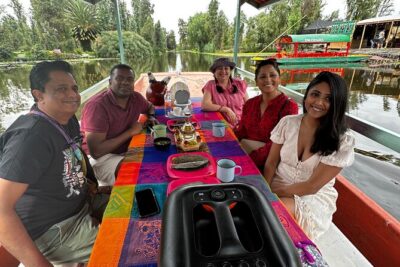

Teotihuacan Pyramids Tours for the next day.
 ★ 5.0Teotihuacan, Guadalupe Shrine & Tlatelolco Day Tour with LunchFrom $3911,603 reviews
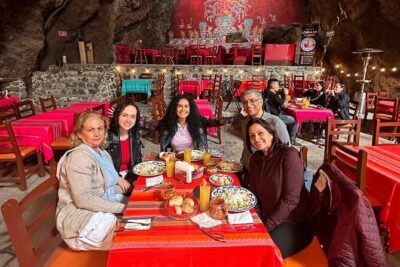 ★ 5.0Balloon flight + Breakfast in cave + Pyramids + Pick up CDMX.From $1726,335 reviews
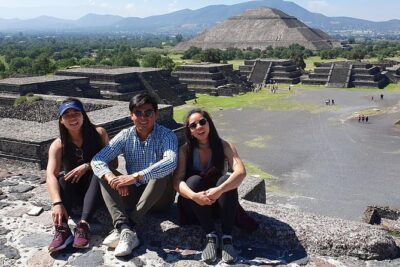 ★ 5.0Teotihuacan pyramids morning or afternoon without tourist trapsFrom $646,186 reviews
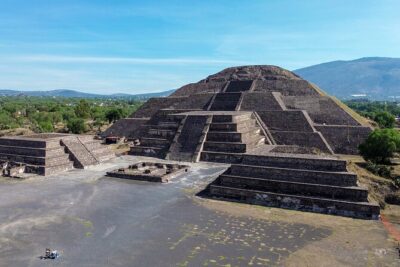 ★ 4.5Teotihuacan Early Access Guided Tour with optional LunchFrom $396,138 reviews
 ★ 5.0Balloon flight + pick up in CDMX + Breakfast in Cave + PyramidsFrom $1695,651 reviews
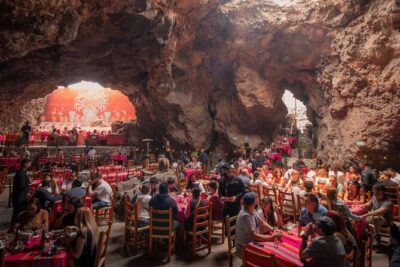 ★ 5.0Balloon Flight + Cave Breakfast + Pick Up from CDMX or We FlyFrom $1664,410 reviews
 ★ 4.6Teotihuacan, Tlatelolco & Guadalupe Shrine TourFrom $493,773 reviews
 ★ 5.0Teotihuacan Hot Air Balloon Flight from Mexico City / VolareFrom $1553,262 reviews
This review also appears in