
REVIEW · HISTORIC CENTER WALKING TOURS
Cultural Ride: Historic center & Highlights of Mexico City
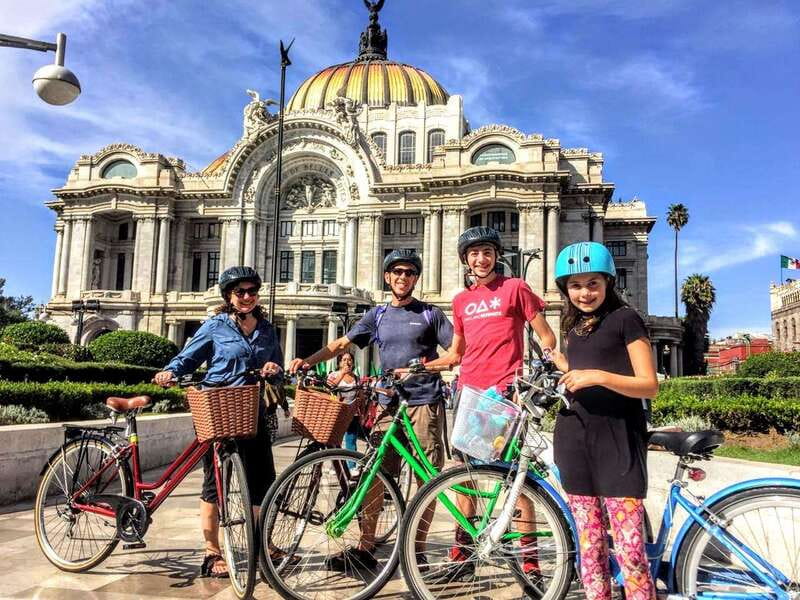
That first pedal kick in Mexico City feels like power. This 4-hour bike ride through the historic core is a practical way to see the big sights, then slip onto lesser-used streets where Aztec and Spanish culture overlap.
I especially liked how the tour connects well-known landmarks to the everyday details around them, so stops like the Metropolitan Cathedral and the Palace of Fine Arts do not feel like checkboxes. I also appreciate the small-group setup, where a live guide like Hector or Louis can keep an eye on the pace and answer questions as you go.
One thing to consider: this is traffic and street riding. You need to feel comfortable biking in the city, and you will want closed shoes, not skirts, to stay safe and comfortable.
Key things you’ll notice on this Mexico City bike ride
- A focused 4-hour route that hits major downtown icons while still leaving room for side streets and quieter courtyards
- Offbeat lanes where you can actually feel how Aztec and Spanish layers overlap in the same neighborhood
- Famous stops with context, including the Revolution Monument and the Angel of Independence, explained as more than postcard photos
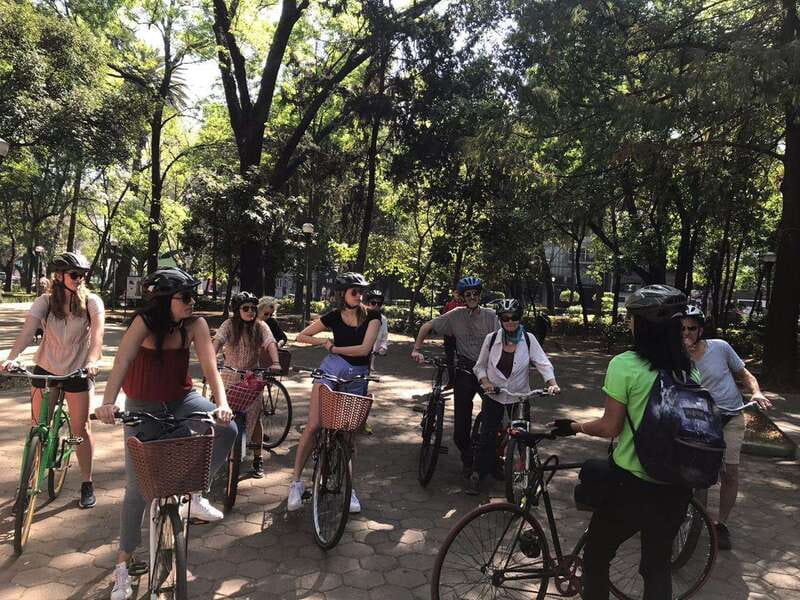
- Small groups that tend to feel more personal, not like you are herded from stop to stop
- Good support for active travelers, with a bike, helmet, and bottled water included
- English and Spanish live guiding, so you are not left guessing at what you are seeing
Take another turn around the Zocalo
- Historic Downtown Walking Tour
★ 5.0 · 1,289 reviews - Mexico City: Historic Downtown Walking Tour
★ 4.8 · 1,039 reviews - Walking Tour of the Historic Center of Mexico City
★ 5.0 · 870 reviews - Mexico City Historical Centre Food Tour with 7 Authentic Tastings
★ 5.0 · 723 reviews
Why a bike tour works so well in Mexico City’s historic core
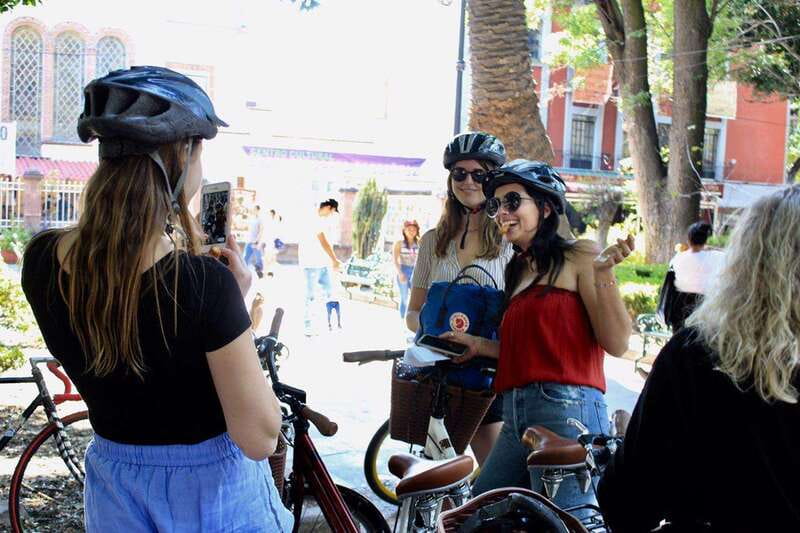
Mexico City’s downtown is huge, and walking every major site can turn into a tiring sprint. A bike tour solves the main problem: you get coverage without feeling like you are constantly searching for the next bus stop or spending half the day in traffic lines.
On this tour, the format also matters. You are not just rolling past monuments. The tour is built around finding those moments where the city’s older roots and the Spanish-era street grid intersect. That is the point of the offbeat routes, and it is what keeps the tour from becoming a list of famous buildings.
You also get an eco friendly angle that actually fits the reality of the city. Instead of adding more cars or relying only on point-to-point transport, you are moving at a human pace. It is still efficient, just less wasteful.
Meeting point at the bike shop, then you’re rolling fast
You meet at the bike shop. Look for a green flag and a nearby coffee store called Ikagai. It is a simple setup, and it helps because you can quickly confirm you are in the right place before the group starts.
From there, the tour runs for about 4 hours with a live guide. English and Spanish are offered, so you can expect the route to be explained in a way you can follow, not just signage and hand-waving.
If you are the type who likes to know what you are doing before you start, plan to show up with enough time to sign the mandatory waiver, get fitted on the bike, and settle in before the city flow begins.
The included gear and what that means for your day
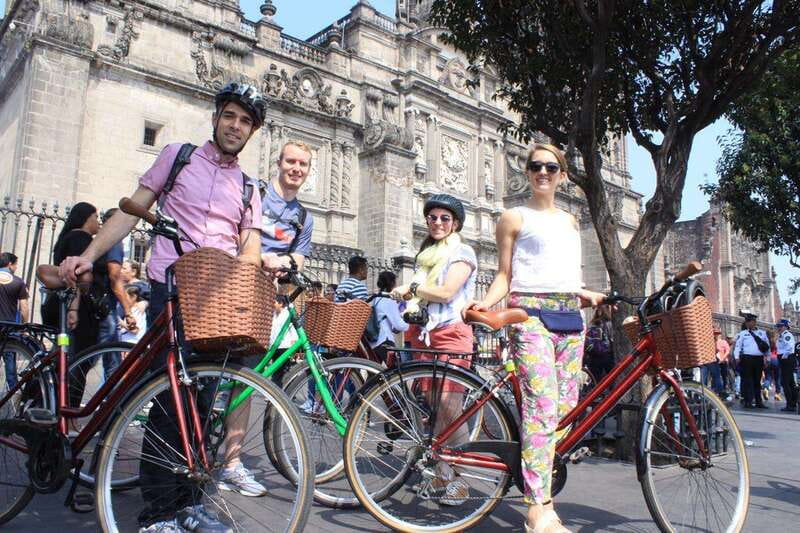
This is one of those tours where the basics are handled for you. You get:
- A local guide
- A bike
- A helmet
- Bottled water
That is not just convenient. It is also a value signal. For $70 per person, you are paying for a guided experience that supplies the essential logistics, so you do not need to rent gear separately or build your own route plan.
Not included are pickup, drop off, and food. That last part matters. Plan on eating before or after the tour, and bring your own snacks only if it fits the tour rules for what you are allowed to carry. The tour also does not include a lot of long sit-down breaks, so having energy matters.
Take a wider circuit through Mexico City
- Mexico City: Teotihuacan, Tlatelolco & Guadalupe Shrine Tour★ 4.6 · 3,773 reviews
- Teotihuacan Hot Air Balloon Flight from Mexico City / Volare★ 5.0 · 3,262 reviews
- Teotihuacan Private Tour from Mexico City★ 5.0 · 1,890 reviews
- Historic Center Food Tour in Mexico City★ 5.0 · 1,263 reviews
- The best tour to Teotihuacán from Mexico City★ 5.0 · 1,236 reviews
Stop by stop: how the big landmarks fit into the story
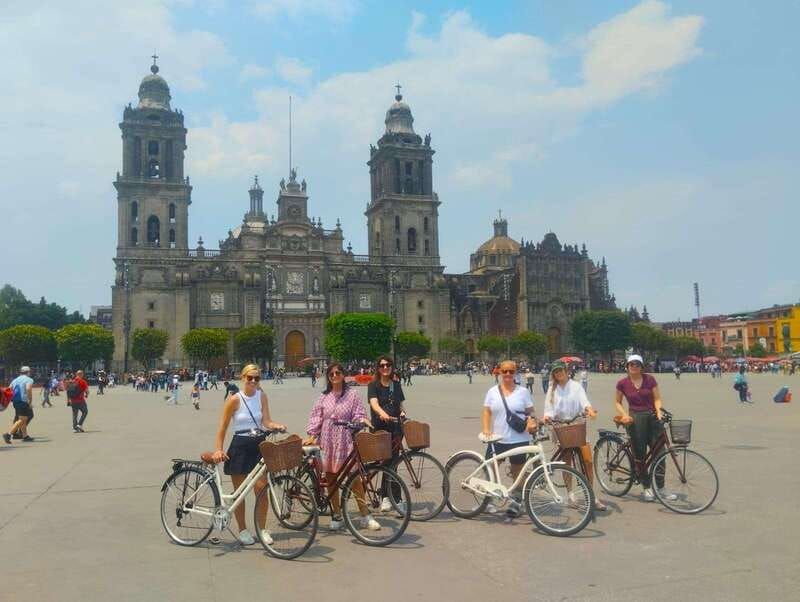
This ride mixes major sights with the quieter streets that help them make sense. Here is what you can expect, and why each piece is worth your time.
Metropolitan Cathedral, then the street context around it
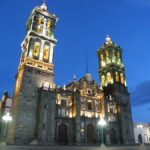
You start with one of the most imposing sights in the center, the Metropolitan Cathedral. Seeing it while riding gives you a clear sense of scale, and it is easier to appreciate the cathedral’s role in the city when you are moving through the surrounding blocks rather than standing in one spot.
A bike tour also changes how you experience architecture. You get different angles, and you can notice how streets funnel people toward big civic and religious landmarks. The guide’s job is to connect the building to the city around it, not just point at the facade.
Palace of Fine Arts, art on the move
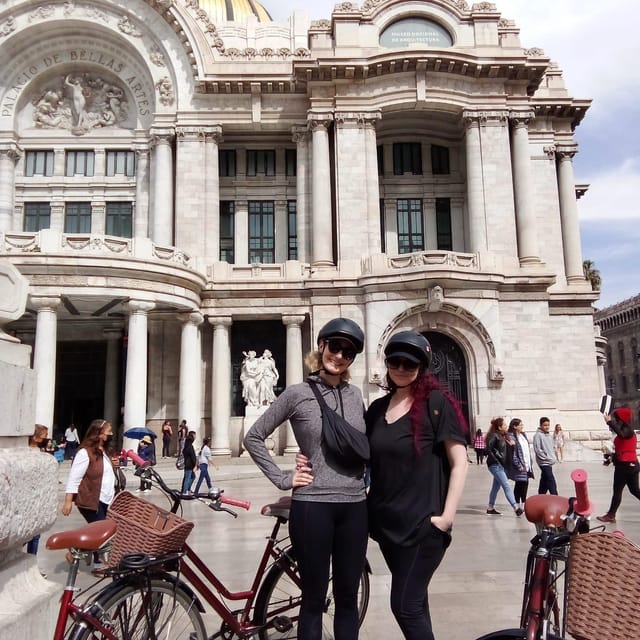
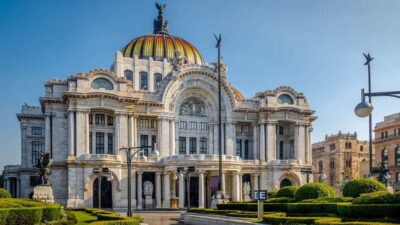
Next up is the Palace of Fine Arts. This stop is a favorite because it is not just about being close to a famous building. You can take in the whole scene in motion, then slow down to absorb the details.
It also sets up the next part well: the Diego Rivera mural segment. Rivera’s work can feel like it belongs to museums, but here it is treated as part of the neighborhood landscape and the city’s public identity.
Diego Rivera murals, where you get the “why,” not just the “what”
The tour includes time around the Diego Rivera murals. The advantage on a bike tour is that you are not boxed into a ticketed gallery schedule. You are also more likely to get the guide’s interpretation, especially how the murals connect to Mexican identity and historical messaging.
If murals are your thing, this is a smart way to see them because you can step back and view them in their urban setting. The streets, buildings, and moving crowd all shape how you read the art.
Revolution Monument and the story of Pancho Villa
You will also ride to the Revolution Monument, where famous revolutionaries are buried, including Pancho Villa. This stop is valuable because it is not only a structure to photograph. It is a physical reminder that the Revolution shaped national identity and the symbols the city chooses to display.
The guide helps translate what you are looking at into something understandable: not just names, but why the monument matters and how people relate to it.
Angel of Independence, a landmark that works at street level
Then there is the Angel of Independence. It is iconic, but the bike format makes it feel more grounded. You get a better sense of the area around it because you are moving along the streets that feed into the monument zone.
This is one of the moments where I like what a guide adds. Even if you know the basics, you often miss the surrounding planning logic and how the city frames the monument in public space.
Colonial streets and hidden courtyards, the part you remember later
The tour also aims for the smaller moments: charming colonial streets and hidden courtyards. This is where you see Mexico City as more than a set of photos.
You tend to notice texture when you are riding slowly enough to observe street life. Doorways, wall textures, and those tucked-in courtyards can give you a sense of why locals value these older neighborhoods. It is also where the tour’s “offbeat routes” idea pays off.
If you like street-level travel, this is the segment that tends to stick in your memory.
The offbeat routes where Aztec and Spanish culture collide
The tour’s promise is not vague. It focuses on finding routes where the Aztec and Spanish layers of Mexico City show up close together. You feel this most in how the city’s older rhythms meet the colonial-era street patterns.
You might notice it in:
- How streets change character block by block
- How buildings and plazas create different kinds of public space
- How the guide links the past to what you see right now
This is also why bike travel is useful. You can cover distance without losing the “in-between” details. Walking would work too, but biking helps you stay in the zone of the historic center longer without draining your energy.
Traffic and safety: you’ll want a calm, capable mindset
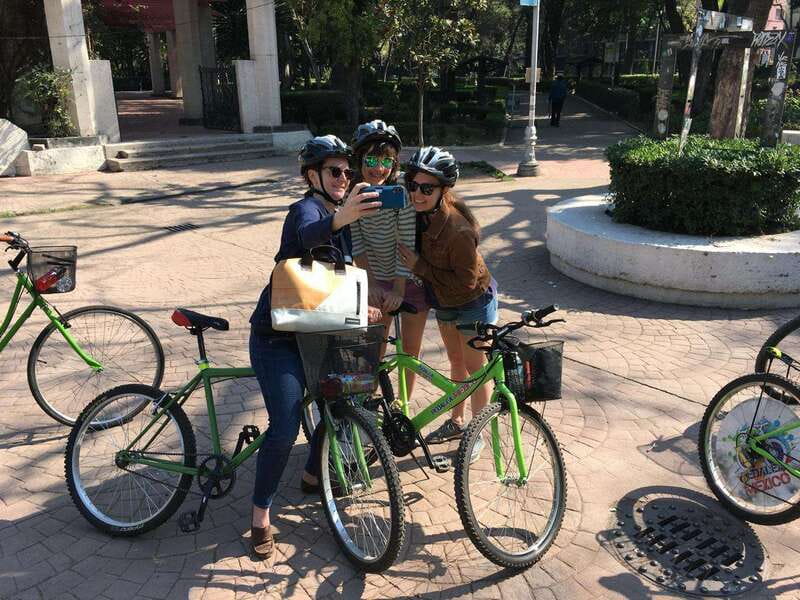
A practical note: you are riding where cars and city traffic exist. The UK review specifically mentioned that the guide was great and that the rider felt safe despite traffic. That lines up with what matters most on a group bike tour: the guide’s control, your own confidence, and staying attentive.
You must be comfortable riding. The tour also comes with a safety reminder that you should feel at ease in the saddle. If you are new to cycling or anxious in traffic, you may find this more stressful than a park-only ride.
Rules are also clear:
- No alcohol or drugs
- You need suitable attire, avoid skirts, and wear closed shoes
- You will sign a waiver before the tour
If you respect those basics, the experience is much more likely to feel smooth.
Pace, group size, and why the guide matters
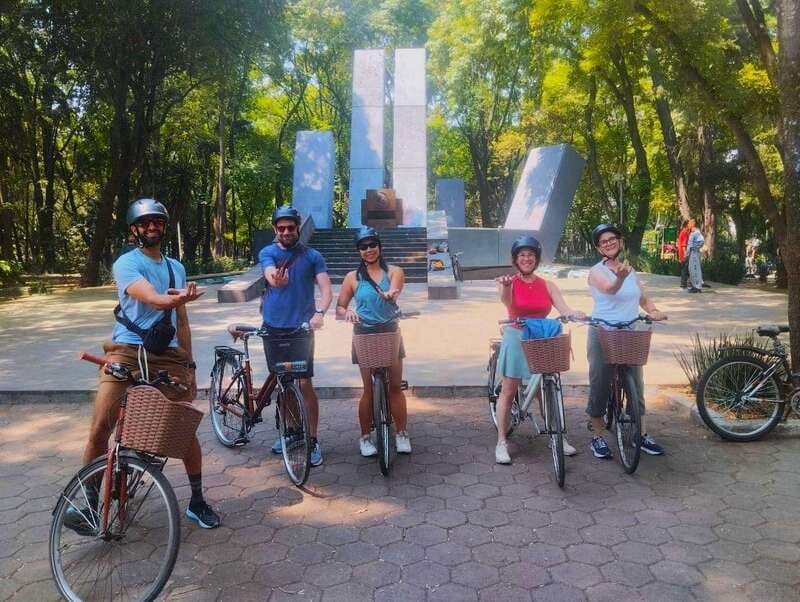
This is a small-group tour, which is one of the biggest reasons it earns such high marks. In small groups, your guide can:
- Slow down for questions
- Adjust pace when the group gets spread out
- Help riders who need a confidence boost
English and Spanish guiding also matters. You can get explanations without losing meaning in translation, which makes each stop more satisfying.
In the reviews, Hector stood out for being wonderful and very informative and fun. Louis also got praise for leading the tour in a way that felt quick and enjoyable, and the big parks were a highlight.
Even if you do not care about parks, the larger green spaces help break up the city feel. They also tend to make biking more pleasant when you want breathing room.
Eco-friendly by design, not just by marketing
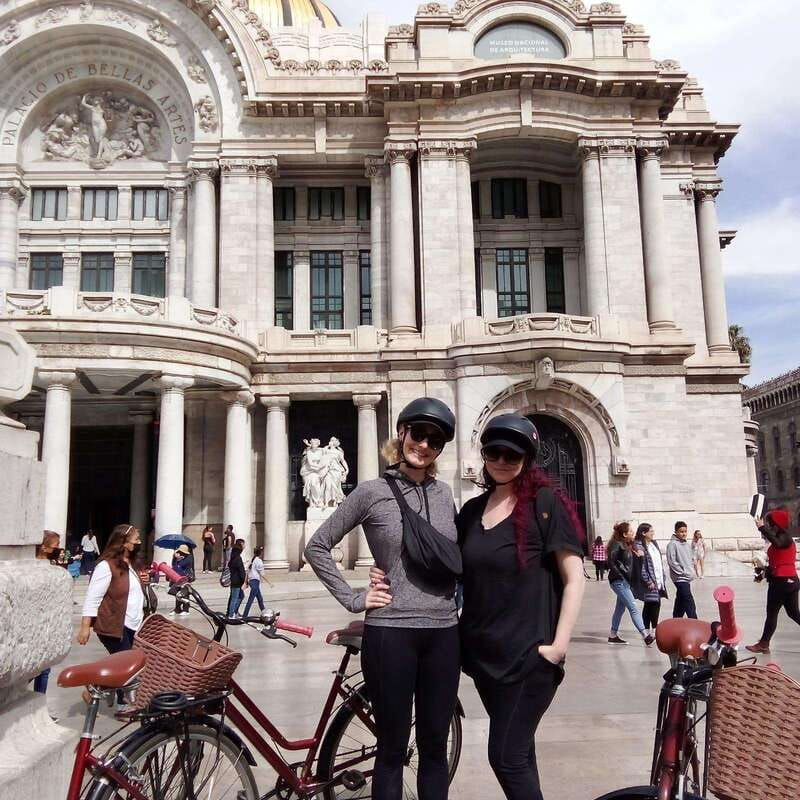
The tour’s eco friendly angle is not only a slogan. You are choosing bike travel in a city where cars can be the default. That reduces reliance on extra transport and gives you a more direct, lower-impact way to get around.
The more important part for you, though, is the payoff. You are covering iconic landmarks, then also seeing the city’s texture, without feeling like you are stuck in a long, vehicle-heavy day.
It is a travel style that fits people who like movement, not people who want a sit-down museum itinerary.
Timing and what you should do before and after
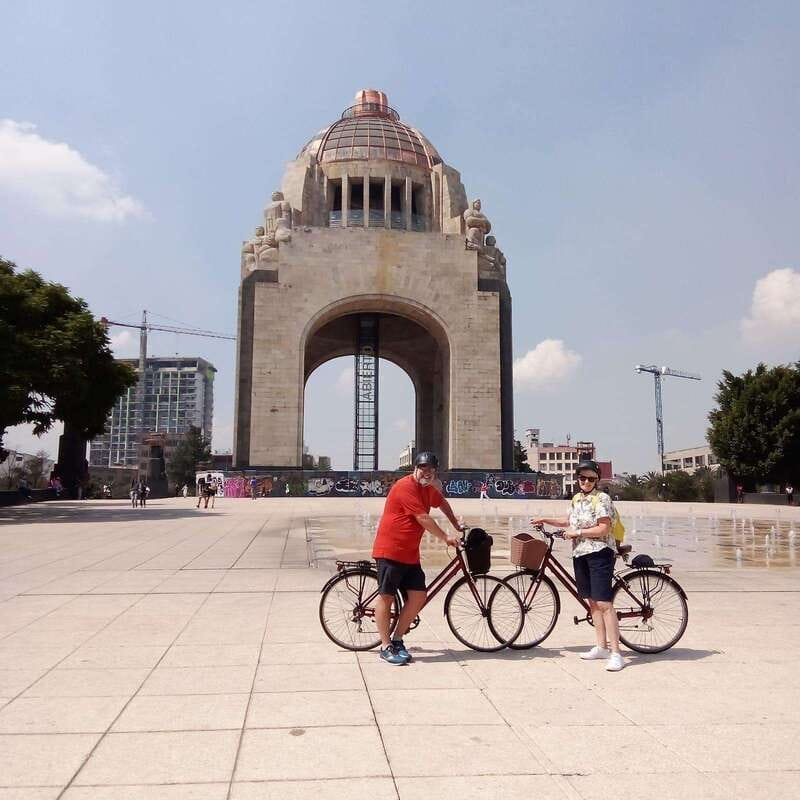
The tour is 4 hours, so you should treat it like an active block of sightseeing, not a relaxed stroll. Plan meals so you are not riding on an empty stomach.
Since food is not included, I recommend:
- Eat before you go
- Bring water? You get bottled water, but having extra snacks can help if you are sensitive to hunger
- Wear comfortable closed shoes and pants that let you pedal freely
After the tour, you will be in the heart of the city, so it’s a good day to continue exploring nearby areas on foot or with short rides.
Value for $70: what you actually get
At $70 per person for 4 hours, the best way to judge value is to look at what is included.
You get:
- A guide who runs the route and gives context
- The bike and helmet
- Bottled water
- Access to a route that blends major downtown icons with offbeat streets and courtyards
The biggest value boost is the combination of logistics plus interpretation. Bike rentals plus a self-guided plan would cost time and energy. A guided route helps you avoid wandering and guessing what you should prioritize.
The only real value dip is that pickup, drop off, and food are not included. But if you are already comfortable getting yourself to the meeting point, that part is easy to manage.
Who this bike tour is best for
This tour fits best if you:
- Are an adult or teen over 12
- Feel comfortable riding in a city environment
- Want the mix of major landmarks and the smaller streets that explain the city
- Like guides who make stops meaningful, not just scenic
It is not suitable for wheelchair users or visually impaired people, and it is not for children under 12. Alcohol and drugs are not allowed, so it’s also not the right choice for a party vibe.
If you are someone who prefers history told through what you can see and ride past, you’ll likely enjoy the structure.
Should you book this Mexico City historic center bike ride?
I’d book it if your goal is a guided, small-group day that balances big-name sights with the in-between streets. The strongest reasons are the guide-driven context, the offbeat routes where Aztec and Spanish layers intersect, and the fact that you are not burning your whole day moving from place to place.
Skip it if you do not feel comfortable biking around traffic, or if you hate active tours where you are on the move for about four hours. Also plan food ahead, because it is not included.
If you can handle a steady ride and you want a more grounded way to experience downtown, this is a solid choice.
FAQ
Where do I meet for the bike tour?
You meet at the bike shop where you will see a green flag and a coffee store called Ikagai.
How long is the tour?
The tour lasts 4 hours.
What is included in the price?
The tour includes a local guide, a bike, a helmet, and bottled water.
Is pickup or drop off included?
No, pickup and drop off are not included.
Does the tour include food?
No, food is not included.
What languages are the guides?
The live tour guide offers English and Spanish.
What is the cancellation policy?
You can cancel up to 24 hours in advance for a full refund.
Are there restrictions on alcohol or drugs?
Yes. Alcohol and drugs are not allowed.
Who can join the tour?
It is not suitable for children under 12, wheelchair users, or visually impaired people. You also need to feel comfortable riding, wear suitable attire (avoid skirts) and closed shoes, and sign a mandatory waiver before the tour.
Mexico City in a Wider Frame



More Tour Reviews in Mexico City



More Streets Around the Centro Historico




More Mexico City plans worth opening

Historic Center Walking Tours for the next day.
 ★ 5.0Historic Downtown Walking TourFrom $261,289 reviews
 ★ 5.0Historic Center Food Tour in Mexico CityFrom $1151,263 reviews
 ★ 4.8Historic Downtown Walking TourFrom $261,039 reviews
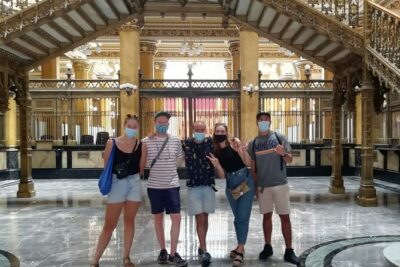 ★ 5.0Walking Tour of the Historic Center of Mexico City870 reviews
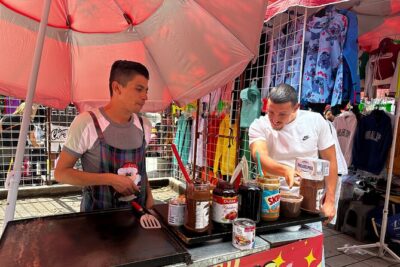 ★ 5.0Mexico City Historical Centre Food Tour with 7 Authentic TastingsFrom $65723 reviews
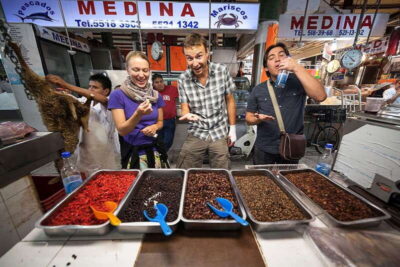 ★ 4.9Authentic Downtown Food TourFrom $115260 reviews
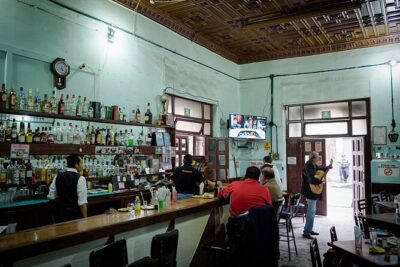 ★ 5.0Culinary Secrets of the Centro HistóricoFrom $140257 reviews
 ★ 5.0Walking Tour – Impressive murals in Historical Center of Mexico CityFrom $51224 reviews
This review also appears in