
REVIEW · SAN MIGUEL DE ALLENDE DAY TRIPS
Colonial Treasures: San Miguel de Allende, Guanajuato, Zacatecas and Guadalajara
Four UNESCO towns in ten days, yes really.
I love that the tour includes nine breakfasts and that you get a guide explaining what you are seeing in museums, city squares, and UNESCO-style sites. I also like the small group feel (maximum 8 travelers), which keeps questions and pace more manageable than bigger buses. The main drawback is that the schedule is packed, so you may not linger as long as you would on your own.
One more thing to know up front: the tour is offered in English, and the guide is described as bilingual, but real-world language comfort can vary by guide and by who is in the group. I’ve seen examples of great English explanations (like Roberto) and also cases where English was hard to follow or less used (names like Fabrizio and Umberto show up), so it helps to plan to speak up early if you want clear English narration.
Key points before you go
- A real “colonial greatest hits” route, built around San Miguel de Allende, Guanajuato, Zacatecas, and Guadalajara, plus strong add-ons
- Breakfasts and 4- and 5-star hotels are included, so you can focus on sightseeing instead of budgeting meals all day
- UNESCO-linked stops show up repeatedly, starting with Queretaro’s Historic Monuments Zone
- You ride in a van with daily city changes, and that means some days feel like a checklist
- Language experience can be inconsistent depending on the guide and group mix
- Zacatecas includes an El Eden mine cable car descent, which is memorable if you like underground spaces
Compare the long day north to San Miguel
- Private Historical Tour in San Miguel de Allende and Guanajuato
★ 5.0 · 27 reviews - Private Transfers To San Miguel de Allende
★ 3.5 · 21 reviews - San Miguel de Allende in a day
★ 3.5 · 11 reviews - Private tour to Queretaro and San Miguel de Allende
★ 4.0 · 10 reviews
How this colonial tour actually plays out from Mexico City
This is a guide-led, multi-day hop across central Mexico, starting and ending in Mexico City. You spend time in classic colonial cores, then move on to the next city before you get fully bored of being impressed by churches and plazas.
Think of it as structured travel: fewer decisions for you, more time spent walking where a guide can put the context on top. The tradeoff is time. Even when each stop has a few hours, you still lose some minutes to pickup, road travel, and regrouping.
If you like a plan that keeps you moving, you’ll likely enjoy it. If you prefer slow mornings, long museum hours, and spontaneous detours, this can feel like a sprint.
Day 1: settling in with your Mexico City arrival transfer
On day 1, you land at Benito Juarez International Airport and transfer to your hotel. The transfer is listed as about 2 hours, and admission tickets are noted as included for the day’s airport-to-hotel part.
This day matters because it sets the tone. You do not spend energy figuring out transport, and you start fresh the next morning. If your flight gets in late, try not to count on extra sightseeing that evening.
Day 2: Queretaro’s UNESCO center, aqueduct views, then San Miguel de Allende’s church icons
Day 2 starts with Queretaro. You will visit the Historic Monuments Zone, a UNESCO World Heritage site from 1996. Expect colonial mansions, pedestrian-friendly walkways, and plazas that feel like they have barely changed.
Two specific stops are highlighted: the aqueduct and the Convent of the Crosses. If you like architecture and urban planning, Queretaro is a good warm-up. It also helps you “read” the rest of the route, because you see how these towns used religious and civic buildings to organize the city.
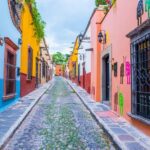
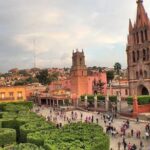
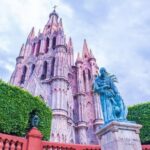
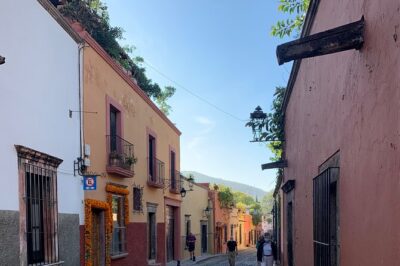
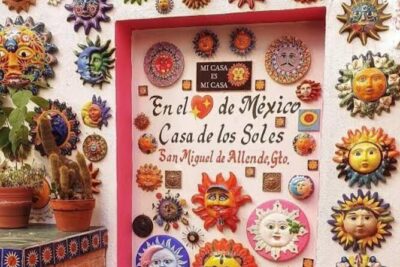
Then you continue to San Miguel de Allende. Your focus here is the Parroquia de San Miguel de Archangel, including the Holy House Chapel. This church is the visual anchor of town, so you’re starting in the right place. In the afternoon, you get time for handicrafts, plus restaurants and bars at your own pace.
A practical note: San Miguel de Allende is gorgeous, but it can be easy to feel like time disappears. If you want photos from the most iconic angles, keep your camera ready right after the church visit.
- Teotihuacan, Guadalupe Shrine & Tlatelolco Day Tour with Lunch★ 5.0 · 11,603 reviews
- Xochimilco, Coyoacan and Frida Kahlo with Optional Lunch★ 4.5 · 7,320 reviews
- Teotihuacan pyramids morning or afternoon without tourist traps★ 5.0 · 6,186 reviews
- Teotihuacan Early Access Guided Tour with optional Lunch★ 4.5 · 6,138 reviews
- Mexico City: Teotihuacan, Tlatelolco & Guadalupe Shrine Tour★ 4.6 · 3,773 reviews
Day 3: Dolores Hidalgo independence roots, then Guanajuato’s alleys and big-city museum energy
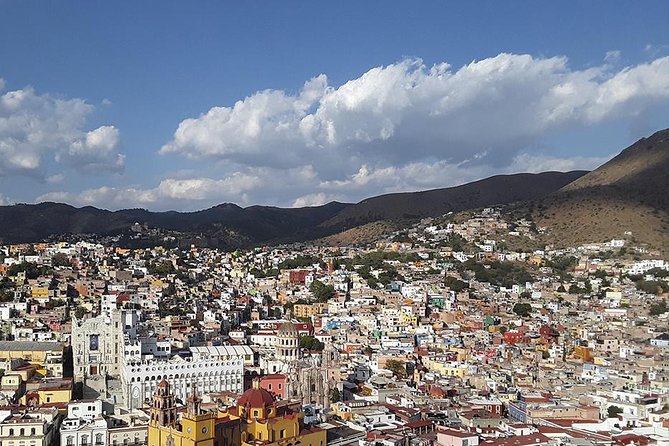
You begin with Dolores Hidalgo, described as the cradle of Mexico’s Independence. The key connection is historical, with Don Miguel Hidalgo starting the independence war in 1810. The tour also calls out that José Alfredo Jiménez was born here, which gives you one more cultural thread beyond politics.
After Dolores Hidalgo, you move to Guanajuato, another cultural and historic heritage site of humanity. Guanajuato is known for its colonial alleys and plazas, and the tour explicitly points out the one-of-a-kind underground avenues. That matters because it is not just a pretty surface city. It is engineered, with streets and movement that feel different from most Mexican towns.
Your Guanajuato highlights include the University, the Juarez Theater, the Museum of Don Quixote, the Museum of the Mummies, the kissing alley, and Diego Rivera’s house. You also visit the Alhóndiga de Granaditas and the Regional Museum of Guanajuato.
This is the day where you either love “too much to see” or you wish you could slow down. If you get overstimulated, pick a couple of museum stops and linger there. Guanajuato rewards pausing, especially around the areas with stonework and view corridors.
Day 4: Zacatecas at 8,100 feet, baroque cathedral drama, and El Eden mine by cable car
Zacatecas is one of those places where the height is part of the story. The city is listed at about 8,100 feet above sea level, and that can affect how you feel even if you are fit.
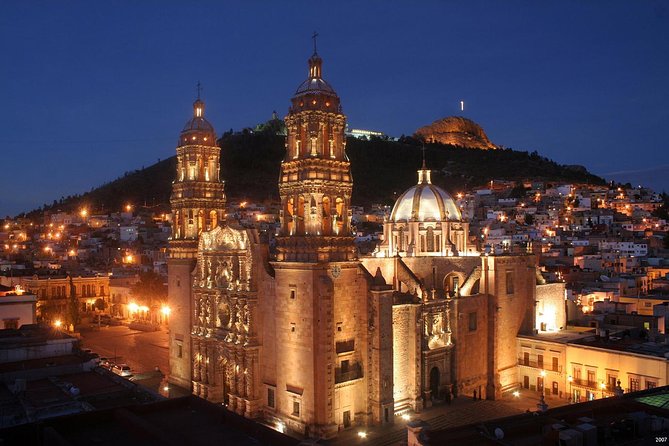
The tour centers on the Catedral de Zacatecas. The cathedral dominates the town center, and the stop emphasizes the Mexican baroque style found in the cathedral and other historical monuments. If you like religious art and ornate stonework, you’ll be in your happy place.
Then you have the added attraction: Mina El Eden. You descend via an aerial cable car to visit the mine. Underground experiences can be cool, literally and emotionally. If you prefer daylight walking, this is the one optional-feeling element of the route, but it is included here as an attraction.
Tip for your comfort: wear shoes that handle uneven surfaces, and keep your jacket handy. Mines tend to be cooler than the streets above.
Day 5: Guadalajara cathedral, Plaza Tapatía, and the traditions behind tequila and mariachis
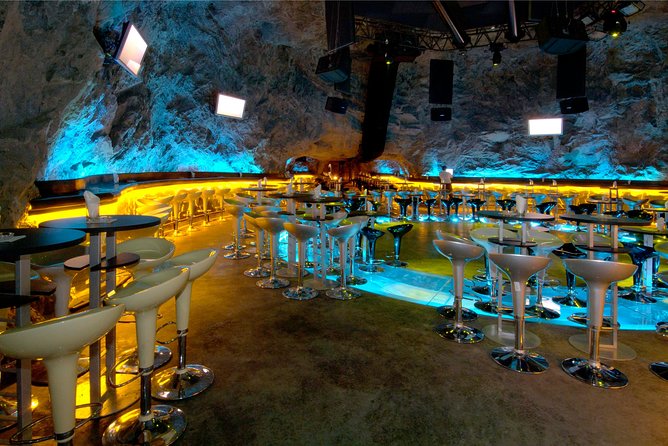
Now you move to Guadalajara. The tour frames it as the birthplace of tequila and mariachis, then builds a city highlights loop.
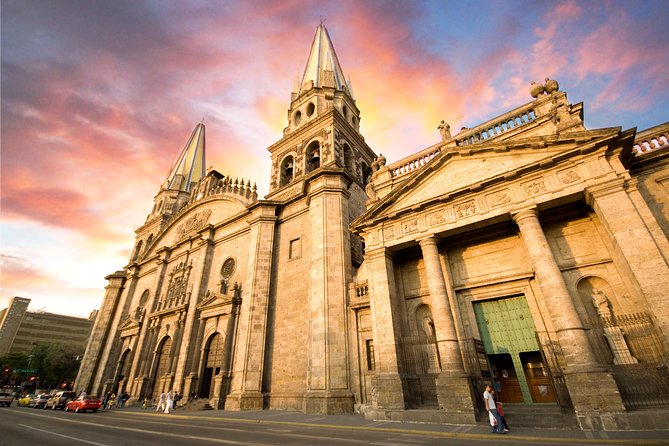
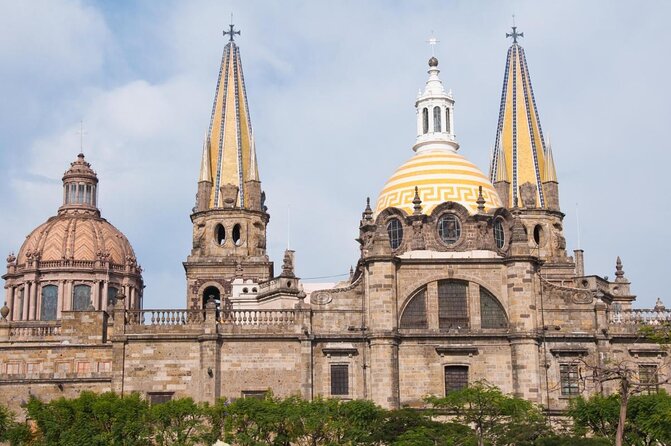
On the guided portion, you will see the historic center, Plaza Tapatía, the Metropolitan Cathedral, the Government Palace, and the Degollado Theater. Even if you are not a theater person, Degollado is a strong stop because it signals Guadalajara’s cultural ambition.
Guadalajara can also be a good reset day. You get major landmarks without needing to chase every side street, and that can be comforting after a more intense museum-and-alleys day in Guanajuato.
Day 6 and Day 7: tequila ranch stops, then Lake Patzcuaro, crafts, and Morelia lodging
These two days handle a lot of geography, and you’ll want to mentally accept that you are trading some unstructured time for big coverage.
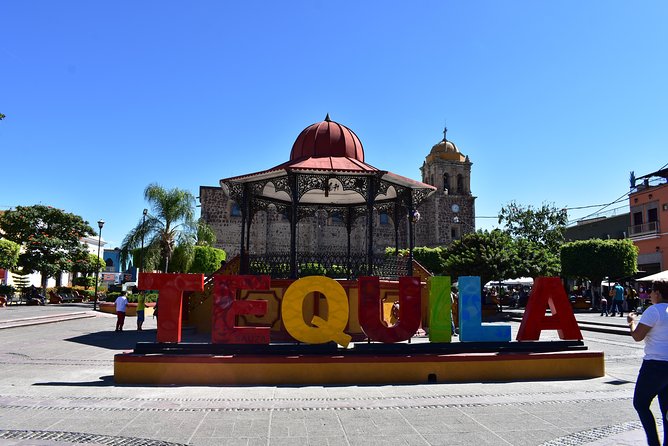
Day 6 starts with Tequila, including a visit to Vicente Fernández’s ranch, the Tres Potrillos souvenir store (described as the largest cowboy store in the world), and the tomb of the esteemed artist. The tour notes you can visit as far as the guards allow, so your experience may vary by access.
From there, the route moves toward Patzcuaro. The tour describes it as a Purépecha-named gateway to heaven, and it highlights Lake Patzcuaro and a handful of cultural landmarks: the Basilica of Our Lady of Health, the House of the Eleven Patios, and the Island of Janitzio. You’ll also have time to enjoy cafes and restaurants in Patzcuaro’s downtown portals.
Then you continue to Mexico’s pink-stone star, Morelia, for lodging.
Day 7 keeps Patzcuaro in focus, calling out its Magic Town feel and its craft reputation. The tour emphasizes Purepecha artisans and the kinds of items they make, including wood, wrought iron, basketry, and embroidery. You also get time in Patzcuaro again around the Basilica of Our Lady of Health, the House of the Eleven Patios, and the historic colonial district, before continuing back to Morelia.
If you like crafts and lake culture more than big museum names, you’ll likely feel happier on these days. If you prefer museums, you might wish there were more time in Morelia immediately, but the pacing makes sense for what the route is trying to accomplish.
Day 8: Morelia’s pink cantera buildings, San Diego Convent, and the Mercado de Dulces
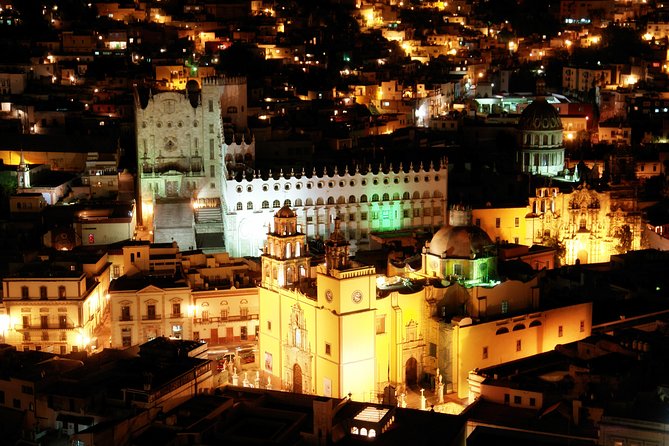
Morelia is built around its colonial architecture, and the tour really leans into the look of the city. It calls out magnificent buildings in pink cantera stone, which is what people photograph when they talk about Morelia.
Your guided stops include Morelia Cathedral, the Government Palace (originally the Tridentine Seminary of Valladolid), the Clavijero Palace, and Plaza de Armas, described as the city’s largest square.
You also visit the Guadalupita Temple at San Diego Convent. The tour notes Indian baroque décor, which is exactly the kind of detail you only catch when someone points it out.
Other included highlights: the Aqueduct, plus the Mercado de Dulces, also known as the Sweet Market. The tour calls out sugary delights like candied coconut and sweetened fruits and vegetables, and it also mentions traditional local handicrafts.
This is a great day to slow down for ten minutes, buy a couple of sweets, and just watch the market movement. It makes the route feel more human and less like a checklist.
Day 9: Mexico City highlights with Diego Rivera murals, Templo Mayor, Chapultepec, and Zona Rosa
Day 9 is a big hit of Mexico City. You start at UNESCO-designated heritage areas, then move through some of the city’s most recognizable anchors.
You’ll visit the National Palace and its murals painted by Diego Rivera. Then comes the Constitution Square, also known as the Zocalo, plus the Aztec Templo Mayor and the Metropolitan Cathedral.
The tour keeps going with Chapultepec Park and Zona Rosa. The itinerary frames Zona Rosa as a vibrant, lively district with restaurants and shops, so it is not just sightseeing boxes. It is a place to wander and grab something to eat if you want.
If you are tired from the van days, Day 9 can still work because the city is huge and full of energy. You can dip in and out quickly. Just don’t try to do everything everywhere, or you’ll feel rushed.
Hotels, breakfasts, and admission tickets, what is genuinely included
Here is what you can count on:
- Nine nights of accommodation
- Shared transfers airport to hotel and hotel to airport
- A local bilingual speaking guide
- Breakfast (9)
The tour also states all breakfasts and 4- and 5-star accommodations are included. One important detail for your budgeting and expectations: five-star hotel options are in Mexico City only, while hotels in the rest of the towns are four-star.
Admission tickets are listed as included for most stops on the itinerary, with at least one stop labeled ticket free on the Tequila portion. So you generally are not paying out of pocket for every single viewpoint.
This matters for value. When your lodging and most breakfasts are handled, you can spend your money on what you actually want, like lunches you pick yourself or a few extra museum hours.
Price and value: is 1,405 per person fair for this route?
At $1,405 per person, you are paying for more than just a driver. You are paying for lodging for nine nights, multiple guided city blocks, breakfasts, and many admissions. You also get shared airport transfers plus a cap of up to 8 travelers.
If you were to recreate this on your own, you would almost certainly spend time and money organizing: booking hotels in multiple cities, finding guides or group entry for timed highlights, and juggling transport between towns.
That said, the price only feels like a win if you stay engaged with the pacing. If you want long museum sits and deep conversations in each city, you might feel like you paid for quantity instead of time.
Watch-outs from real experiences: language, timing, van comfort, and seat control
Let’s talk about the stuff that can make or break the experience.
Language can vary. Even though the tour is offered in English and the guide is described as bilingual, real examples include an English that was difficult to understand for one named guide, and another case where the tour mostly ran in Spanish because only a few passengers spoke English. My practical advice: when you book, ask for English-first guiding. Then, once you are with the group, speak up early if you need clearer English narration.
Timing and pacing are also the main friction point. The route includes many stops across multiple days, and several hours can disappear quickly after leaving at 9:00 am. Your best defense is to set your expectations: this is “see the highlights” travel, not “live here for weeks” travel.
Comfort matters too. One guest mentioned music volume in the van and another mentioned no water being offered during long drives. Bring a refillable bottle. If you are sensitive to sound, pack earplugs. They are small, and they save your sanity when you want quiet.
Finally, pay attention to seating. One experience described the need to change seats each day so English speakers were not stuck in a quieter corner. If you can hear the guide better from the front, make the change early rather than hoping the next stop fixes it.
Should you do Colonial Treasures on this specific route?
I’d recommend it if you want a structured sweep through San Miguel de Allende, Guanajuato, Zacatecas, and Guadalajara without planning the logistics yourself. You like colonial architecture, you enjoy guided context at churches and museums, and you can handle long days with road time.
I would not choose it if you hate rushing. If you want to linger in Queretaro or Dolores Hidalgo for longer, or you dislike when a day feels like a series of quick hits, pick a smaller, slower itinerary instead.
If you do book it, go in with a strategy: pick a few must-see items in each city, then let the rest be a bonus. And if you care about English narration, confirm early and insist politely if you need clarity.
FAQ
How much does Colonial Treasures cost?
The price listed is $1,405.00 per person.
How long is the tour?
It runs for 10 days approximately.
Where does the tour start and end?
It starts with an arrival transfer at Mexico City International Airport Benito Juárez and ends with a transfer to the same airport for your departure flight.
What cities are included on this trip?
You visit Queretaro, San Miguel de Allende, Dolores Hidalgo, Guanajuato, Zacatecas, Guadalajara, Tequila area stops, Pátzcuaro, Morelia, and Mexico City.
What is included in the price?
Included are nine nights of accommodation, shared airport transfers (airport to hotel and hotel back to airport), a local bilingual speaking guide, and breakfast for 9 days.
Are admission tickets included?
The itinerary lists admission tickets as included for most sightseeing stops, and at least one stop is marked as admission ticket free.
What kind of hotels will I stay in?
The tour includes 4- and 5-star accommodations. Five-star hotel options are in Mexico City only. Hotels in the rest of the towns are four-star.
How many people are in the group?
The tour has a maximum of 8 travelers.
What is the cancellation policy?
You can cancel up to 6 days in advance for a full refund. Cancel 2 to 6 full days before for a 50% refund. Cancel less than 2 full days before and the amount paid is not refunded.
Does the tour pick me up from the airport?
Yes. There is a shared transfer from the airport to your hotel, and a shared transfer back to the airport on the last day.
More Tour Reviews in Mexico City


A Full Day North to San Miguel


More Mexico City plans worth opening

San Miguel de Allende Day Trips for the next day.
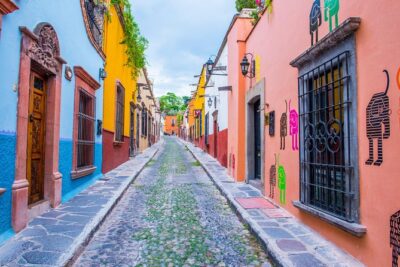 ★ 4.5San Miguel de Allende Tour from Mexico CityFrom $119407 reviews
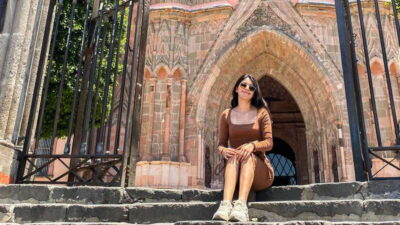 ★ 4.4From Mexico City: San Miguel de Allende Day TripFrom $73301 reviews
 ★ 5.0Private Historical Tour in San Miguel de Allende and GuanajuatoFrom $35027 reviews
 ★ 3.5Private Transfers To San Miguel de AllendeFrom $12521 reviews
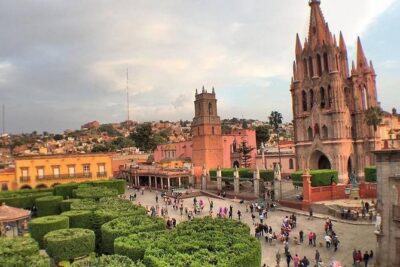 ★ 3.5San Miguel de Allende in a dayFrom $14511 reviews
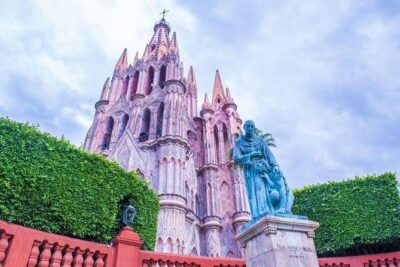 ★ 4.0Private tour to Queretaro and San Miguel de Allende10 reviews
 ★ 4.5Private Transportation from Mexico City to San Miguel de AllendeFrom $2699 reviews
 ★ 4.5Full Day: San Miguel de AllendeFrom $2026 reviews
This review also appears in