REVIEW · MEXICO CITY
Baking Delicious Traditional Mexican Bread
Bread and chocolate, plus a market walk.
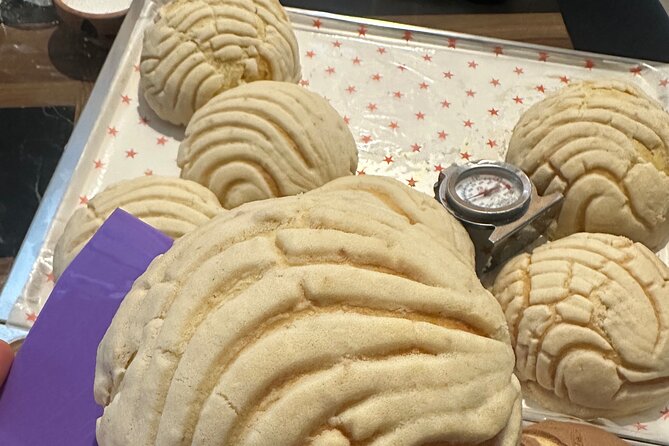
In Mexico City’s San Rafael neighborhood, this 2.5-hour bread lesson pairs ingredient shopping at Mercado de San Cosme with hands-on baking at guide Verónica’s home. I love the market stop where you pick up what you need, and I love the bread instruction itself, because you’ll actually shape and bake conchas (shells) and pan de muerto (dead bread) instead of just watching. You also make Oaxacan chocolate to go with it, with the chocolate described as brought directly from Oaxaca.
One consideration: there is no private transportation included, so you’ll want to be comfortable getting yourself to the start point at Mercado de San Cosme (C. Gabino Barreda 18). The group stays small, with a maximum of 6 travelers, which helps the class feel personal and move at a good pace.
Key points to know before you go
- Mercado de San Cosme first: You shop for ingredients together before the kitchen part starts.
- Verónica’s hands-on bread coaching: You’ll bake conchas or dead bread and learn the steps you can repeat later.
- Oaxacan chocolate pairing: You make chocolate from Oaxaca to match the bread flavors and textures.
- San Rafael neighborhood walking stops: You’ll see the area around the Opera House and an important cinema.
- Architects colony connections: The walk includes the colony of architects linked to artist Remedios Varo.
- Small group size: With up to 6 people, questions are easy and attention is steady.
Before you settle on this one, put these Mexico City alternatives beside it:
- Teotihuacan, Guadalupe Shrine & Tlatelolco Day Tour with Lunch
★ 5.0 · 11,603 reviews - Xochimilco, Coyoacan and Frida Kahlo with Optional Lunch
★ 4.5 · 7,320 reviews - Balloon flight + Breakfast in cave + Pyramids + Pick up CDMX.
★ 5.0 · 6,335 reviews - Teotihuacan pyramids morning or afternoon without tourist traps
★ 5.0 · 6,186 reviews
Why San Rafael and Mercado de San Cosme set the tone
San Rafael is a smart choice for this kind of tour because it feels like a real neighborhood, not a packaged tourist strip. You start at Mercado de San Cosme, specifically at C. Gabino Barreda 18, in the Cuauhtémoc area. That matters, because the bread starts long before the oven. The class begins with your eyes and your shopping list.
I like that the experience builds from ingredients to cooking. You don’t just arrive at a kitchen and hope the flavors make sense. You first see the market environment that Mexican cooks draw from every day, then you move into the lesson with context.
The market stop also helps you understand the “why” behind the bread. Traditional Mexican breads often rely on ingredients you can recognize quickly once you’ve shopped for them. The class structure, market first and baking second, gives you a cleaner mental map for what you’ll need when you try the recipes at home.
And the neighborhood walking portion keeps it from becoming one long food task. You’ll also get oriented in San Rafael, including stops tied to the local arts and architecture story, so the day feels more like a guided stroll with a cooking finale.
Ingredient shopping at Mercado de San Cosme, and how it helps you cook later
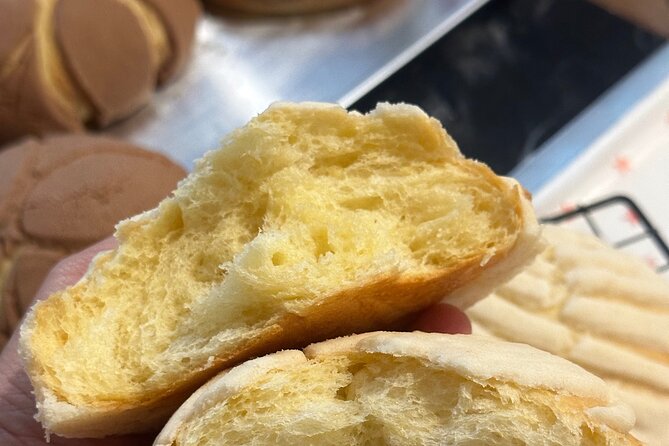
At Mercado de San Cosme, you’re there for more than souvenirs. You’re there to gather the ingredients you’ll use in the bread session. That’s one reason this tour feels practical, even if you’re not a “big cook.”
You’ll follow along as you learn what to look for, what matters, and how ingredients connect to bread texture and flavor. Even if you only remember a few key details, the market experience gives you the confidence to recreate the basics later, especially when you’re matching local ingredients to what you bought that day.
This also explains why the class is worth doing even if you’ve never made bread before. Baking lessons can be intimidating when they start abruptly, with measuring and mixing in a kitchen you don’t understand. Here, you build a foundation while you’re moving through the market, which makes the cooking steps feel less random.
One more practical upside: the market stop can set you up for taste. You may pick up small ideas about what you like before you start baking, and that makes the final bread and chocolate session more fun. You’re not stuck thinking only about instructions. You’re already thinking about flavor.
The Michelin-star taqueria stop, and what to expect from that break
After the market part, the tour includes a stop at a taqueria described as the only taqueria with a Michelin star in all of Mexico. That’s a big claim, and it’s exactly the kind of curiosity that works well inside a food-focused neighborhood tour.
Here’s the balanced way to think about it. A Michelin-star stop on a cooking tour is not the point for everyone, because it can shift the day toward restaurant browsing. But in this case, it works because it’s still part of the neighborhood and still part of your food education. You see how different kinds of eating culture fit together in the same area of Mexico City.
Also, this tour keeps expectations aligned with its format. The experience includes snacks, and it includes a guide, but it doesn’t position itself as a sit-down full meal tour. So you’re likely getting enough to enjoy a meaningful stop without losing momentum.
If you love food culture but don’t want a heavy day of eating, this is a nice middle ground. You get a named highlight, you learn something about the area, and you still end the tour focused on the hands-on bread you’ll take home recipes for.
- Teotihuacan, Guadalupe Shrine & Tlatelolco Day Tour with Lunch★ 5.0 · 11,603 reviews
- Xochimilco, Coyoacan and Frida Kahlo with Optional Lunch★ 4.5 · 7,320 reviews
- Teotihuacan pyramids morning or afternoon without tourist traps★ 5.0 · 6,186 reviews
- Teotihuacan Early Access Guided Tour with optional Lunch★ 4.5 · 6,138 reviews
- Mexico City: Teotihuacan, Tlatelolco & Guadalupe Shrine Tour★ 4.6 · 3,773 reviews
Opera House and the cinema stop, plus the colony of architects story
This tour doesn’t just treat San Rafael as a backdrop. It gives you context through architecture and arts. One planned stop involves the Opera House and the area’s important cinema. Another part of the walk takes you into what’s known as the colony of architects.
That detail matters because it changes how you experience the streets. Instead of only looking at buildings, you’re given a framework for what to notice. You learn why the neighborhood is tied to artists, not just why it looks interesting.
The tour also references incredible artists who lived in the area, including surrealist painter Remedios Varo. Even if you’re not an art history person, having a name like Remedios Varo gives you a hook. You look at the neighborhood with a different lens, and the walking portion starts to feel like part of the story of Mexico City, not an “in-between” segment.
Practical note: since this portion is a walking tour around key sights, it’s best if you’re okay moving through the neighborhood at a comfortable pace. The group size is small, which usually helps with pacing. It’s also a reminder that you’re doing a combined experience: food plus culture, not only food.
Baking conchas and pan de muerto with Verónica’s step-by-step guidance
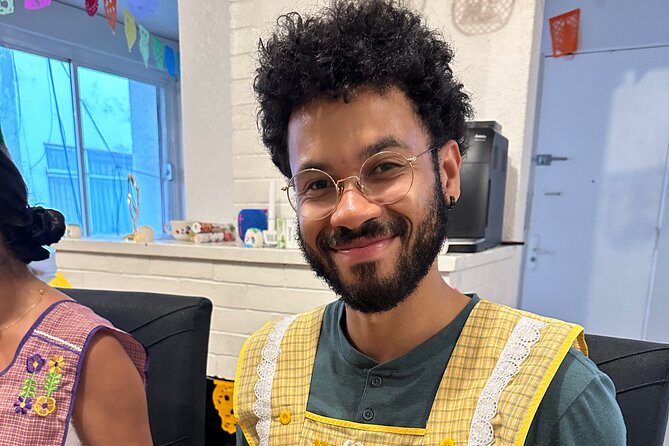
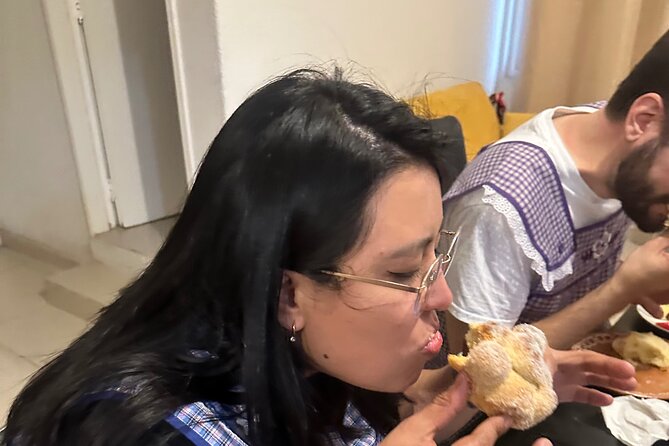
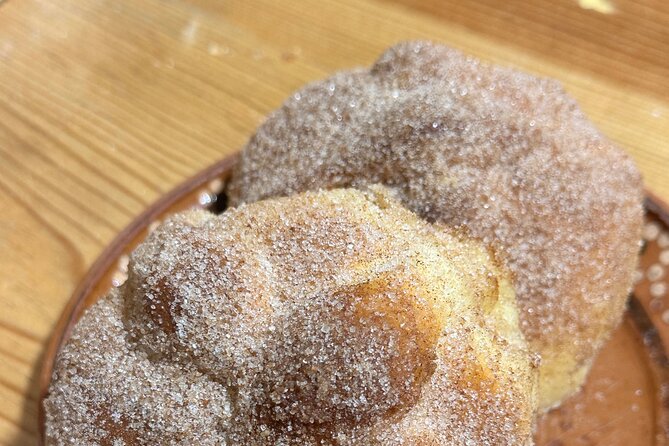
This is the heart of the tour: when you arrive at Verónica’s home, you learn to prepare traditional Mexican bread. The tour specifically focuses on breads described as shells or dead bread, and in the reviews you’ll see conchas and pan de muerto named clearly.
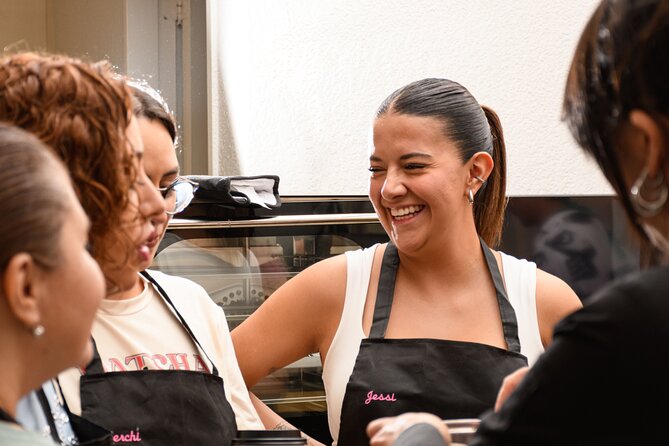
What I like about this format is that it’s hands-on. You’re not just tasting. You’re working through the steps, and that’s what turns this into something you can repeat. The included kitchen equipment also helps. You’re not expected to bring tools or wonder where everything is.
If you’re a beginner, this kind of class is a sweet spot because the steps are taught in sequence. You get feedback while you’re doing it, not just at the end. And because the group is capped at 6 travelers, it’s easier for the guide to help correct small problems quickly.
In the reviews, the bread results come through as fluffy and delicious, which is a good sign that the instruction is more than casual. It’s structured enough for you to feel that you did something real. That’s the difference between a cooking demo and a baking class.
And if you’re traveling with family or teens, this kind of activity tends to land well. Bread baking is tactile. It gives people a task they can do, not just watch. One of the reviews mentions doing it with a teenage granddaughter, and the bond element is easy to understand when you’re working side by side in the kitchen.
Oaxacan chocolate from Oaxaca, and the flavor logic behind the pairing
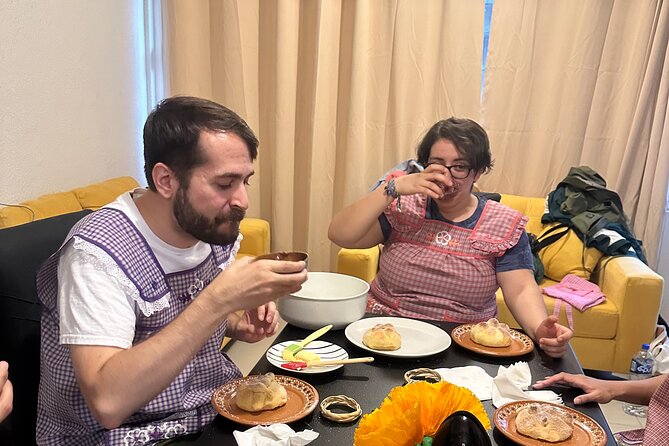
Right after the bread part begins, you’ll also learn to prepare Oaxacan chocolate to accompany your bread. The tour describes this chocolate as brought directly from Oaxaca, and that matters because Oaxacan chocolate often carries a distinct character compared with standard supermarket chocolate.
The best thing about pairing it with your own baking is that you learn how chocolate changes bread. Sweet bread can handle sweetness, but chocolate brings a deeper cocoa note and a different texture. You’re not stuck imagining the combination. You’ll experience it as you go.
This is also a lesson in authenticity, because you’re not just adding chocolate. You’re preparing it as part of the experience. Even if you don’t become a chocolate-making expert, you’ll leave knowing what goes into the final cup or serving and how it supports the bread.
From a practical standpoint, the chocolate pairing is an easy win for taste memory. When you think back on the day later, you’ll remember the bread shape and the chocolate flavor together, which makes it more likely you’ll actually use the recipes when you’re home.
And because the tour includes coffee and/or tea, it helps round out the tasting without needing you to bring anything extra. You can focus on the food and the process.
Taking recipes home, and turning one afternoon into a repeatable skill
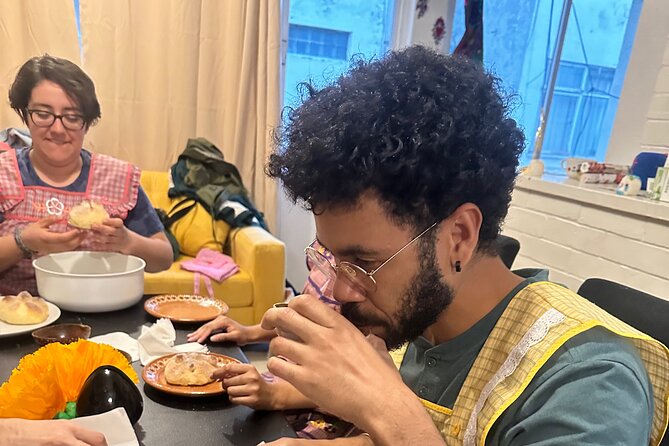
The tour ends with a tangible takeaway: you take the recipes to prepare at home. For a class like this, recipes are not a small detail. They are what separates a good memory from a lasting skill.
Think of it this way. You can taste a bread once and forget it, but if you have a written recipe and a clear sense of what the dough should feel like and what the finished bread should look like, you can recreate the result. That’s what you’re buying with a baking lesson, not just with the activity itself.
When you pack the recipes home, you also pack back the context from earlier parts of the day. You shopped in the market, you learned what ingredients matter, and you saw how local flavors fit into the neighborhood food culture. That makes it easier to find ingredients later and adjust with confidence.
If you’re the kind of traveler who likes cooking at home, this is a very direct use of your travel time. You don’t need to rebuild your entire kitchen to get started. You just need the recipes and a few key ingredients.
Also, because the tour is in English, it’s easier to follow along clearly if you prefer not to rely on translation in a fast-paced kitchen. That can be a big quality-of-life detail for visitors.
Price and logistics, and who gets the best value
The price is $70.00 per person for about 2 hours 30 minutes. That’s not cheap, but it’s not out of line for a small-group cooking lesson in Mexico City that includes a guide, snacks, coffee and/or tea, and kitchen equipment. You’re paying for the full package: market walk, neighborhood stops, and the hands-on baking with instruction.
Where the value gets strongest is when you compare what you’re doing. You’re not just sampling food. You’re learning how to make two traditional bread styles, and you’re pairing them with Oaxacan chocolate. Plus you leave with recipes. That turns the day into a skill transfer.
Logistics are straightforward in one key way: the meeting point is clearly defined at Mercado de San Cosme, and the tour ends back there. Near public transportation means you have options for getting there without needing private transport.
Your only real drawback is the one thing that’s explicitly not included: private transportation. So plan to arrive under your own steam. If you like the freedom of using public transit or walking, you’ll be happy. If you hate planning, budget extra time for getting to C. Gabino Barreda 18.
Group size also affects value. Maximum of 6 travelers is small enough for real attention, especially during mixing, shaping, and baking steps. If you’ve done bigger cooking classes where you feel like a spectator, this size helps you stay involved.
Finally, timing. This experience is commonly booked about 23 days in advance on average. That’s a gentle hint that you should reserve sooner rather than later if you’re traveling during busy weeks.
Should you book this Mexican bread baking tour?
Book it if you want a food experience with real hands-on learning, not a quick tasting stop. I’d especially recommend it if you enjoy Mexican markets and you like taking home recipes you can actually use.
You should also consider it if you’re interested in San Rafael beyond restaurants. The walk includes the Opera House and an important cinema, plus the colony of architects connection to Remedios Varo. That gives the day a sense of place, not just a cooking agenda.
Skip it only if you strongly prefer to avoid planning transportation, because private transport is not included. Also, if you want a long, meal-focused culinary day with heavy restaurant time, this is more of a structured class plus market and neighborhood highlights.
If you book, do it with the right mindset: show up hungry for both learning and flavor. With Verónica leading the baking and the chocolate pairing, you’re very likely to leave with bread knowledge you can use again, and that is a rare kind of travel souvenir.
FAQ
Where does the tour start?
The tour starts at Mercado De San Cosme, C. Gabino Barreda 18, San Rafael, Cuauhtémoc, 06470 Ciudad de México, CDMX, Mexico.
How long is the experience?
The experience lasts about 2 hours 30 minutes.
What language is the tour offered in?
The tour is offered in English.
How many people are in the group?
This activity has a maximum of 6 travelers.
What is included in the price?
The price includes snacks, kitchen equipment, coffee and/or tea, and a guide.
What is not included?
Private transportation is not included.
Do I take anything home?
Yes, you take the recipes to prepare at home.
Is the tour near public transportation?
Yes, it is near public transportation.
Can I cancel for a full refund?
Yes, free cancellation is available up to 24 hours in advance of the experience start time for a full refund.