
REVIEW · HISTORIC CENTER WALKING TOURS
10 wonders of the Historic Center of Mexico City food and music
Street food meets major landmarks in 3 hours. This 10-wonders route connects classic buildings with real tastings, from the Diego Rivera Mural Museum to the Temple Mayor ruins, and it has a smart, story-driven guide. I especially liked the way the guide links what you see to what came before, and I also love the lineup of edible stops, including La Ideal’s famous bread and an end-of-tour quesadilla lunch.
The only real drawback is simple: it is a lot of walking. Even with a small group (max 15), you should plan for steady steps, street corners, and time in the open air.
Key highlights you will feel right away
- Small group pacing that keeps the walk moving without rushing your questions, often led by guides like Rodrigo or Balaam
- La Ideal Bakery bread stop where the menu leans classic, from concha-style sweets to other traditional loaves
- Gran Hotel Mexico interior sight focused on the Tiffany stained-glass ceiling and the “old Mexico City glamour” vibe
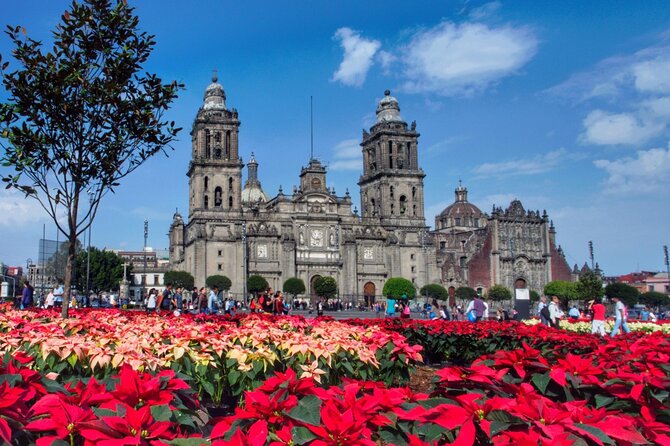
- Metropolitan Cathedral and Temple Mayor pair so you can compare Catholic monument scale with Aztec layers under your feet
- Lunch at the end means you get a real meal, but it also means you should show up thinking food comes later
Take another turn around the Zocalo
- Historic Downtown Walking Tour
★ 5.0 · 1,289 reviews - Mexico City: Historic Downtown Walking Tour
★ 4.8 · 1,039 reviews - Walking Tour of the Historic Center of Mexico City
★ 5.0 · 870 reviews - Mexico City Historical Centre Food Tour with 7 Authentic Tastings
★ 5.0 · 723 reviews
Why this half-day Historic Center plan is such good value
At $49 per person for about 3 hours, this tour earns its keep by packing real highlights into one walk, while also throwing in tastings and a set lunch. You are not just hopping from one landmark photo to the next. The stops are chosen so you get context, then you get a bite that matches the moment.
It also helps that the tour is built for orientation. If you are new to Mexico City, the Historic Center can feel like a giant puzzle. This route gives you a working map in your head, and it does it through architecture, art, and food.
One more practical note: it is offered in English, the group size tops out at 15, and you get entry tickets plus a guide. That turns “a casual stroll” into something more structured, without needing private transport.
Diego Rivera Mural Museum to Alameda Central: the day starts with art and breathing room
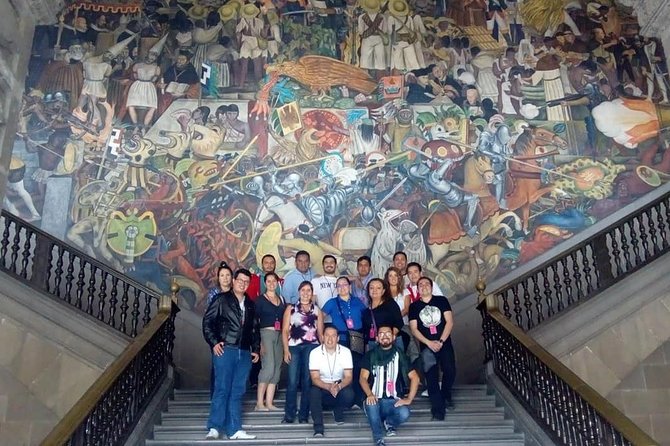
Your first stop is the Diego Rivera Mural Museum, where you see the mural Dream of a Sunday Afternoon in the Alameda Central. This matters because it sets a tone right away. Mexico City is not only monuments and churches. It is also murals, public memory, and a whole visual conversation between art and daily life.
Next you head to Alameda Central, the oldest park in the Americas. Parks like this are more than green space. They are social stages where people watch, meet, and take their time. In a city that can feel fast and huge, Alameda gives you a breather while you learn how the Historic Center functions as a living core.
If you like your travel with a bit of poetry and a bit of structure, this is a strong opening combo: major artwork first, then a calm place to absorb the surrounding grandeur.
Palace of Fine Arts and Palacio Postal: architecture that teaches you where to look
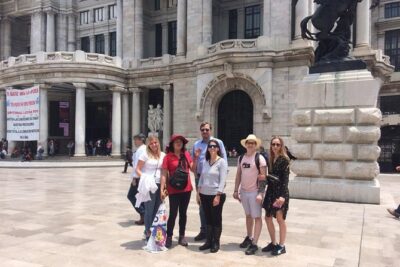
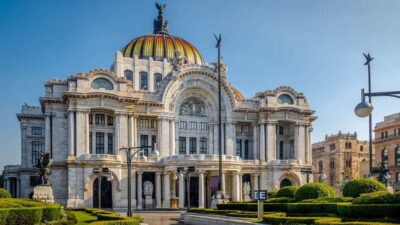
Then the walk leans into “look up.” You visit the Palace of Fine Arts, a landmark that instantly reads as grand, even if you are only seeing it from the route. What I like here is the way a good guide turns big buildings into visual clues, like explaining what style choices were meant to communicate.
From there you continue to the Palacio Postal (Postal Palace). This building is a favorite for people who enjoy architectural details because it feels like a finished artwork. You will get that classic Mexico City mix: heavy stone presence paired with elegant design.
What to watch for on these stops:
- Stand back for a quick overall view, then move in for details.
- Take the time to look at the building “edges,” entrances, and roofline features, not just the center.
Order another side of Mexico City
- Colonia Roma Food Tour★ 5.0 · 838 reviews
- Mexico City Historical Centre Food Tour with 7 Authentic Tastings★ 5.0 · 723 reviews
- Mexico City Boat Tour Food and Unlimited Drinks Priority Boarding★ 5.0 · 653 reviews
- Lucha Libre Tour and Mezcal Tasting in Mexico City★ 5.0 · 519 reviews
- Mexican Cooking Class with Food Market Visit in Mexico City★ 5.0 · 506 reviews
House of Tiles plus La Ideal Bakery: where the tastings actually feel local
One of the best parts of the tour is that food is not tacked on randomly. It is placed where you are already seeing history, craftsmanship, and city character.
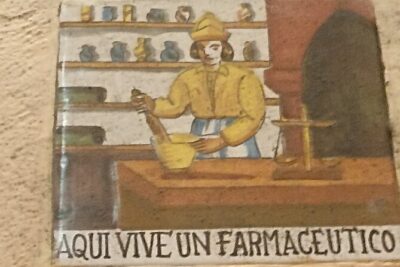
You will visit the House of Tiles, a charming stop that gives you a break from the “museum scale” and returns you to old-city intimacy. Then comes the classic bread moment at La Ideal Bakery.
This is not just a quick snack. It is built around tradition. You will taste traditional Mexican bread, including conchas and other classic loaf styles, with that signature contrast of crisp top and soft inside. If bread is your thing, you are in the right place.
You might think you know conchas from photos, but the bakery stop is where you learn how those textures are supposed to feel, and how quickly the Historic Center street life turns into a craving.
The Temple of Mexican sweets: a stop designed for people who like sugar with stories
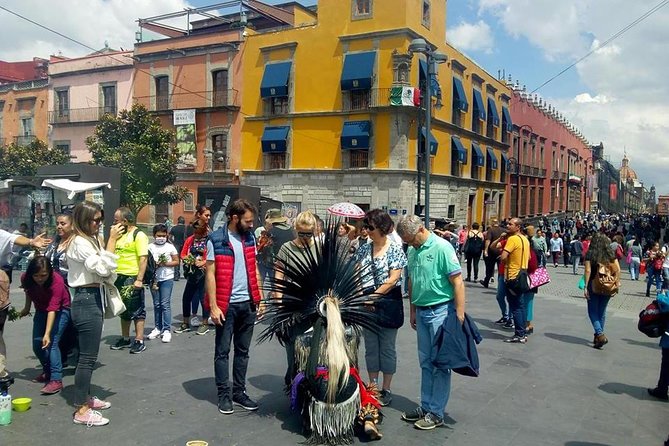
Next you reach the Temple of Mexican sweets (Dulceria de Celaya). Even if you are not a “sweet person” by default, this stop works because it is cultural, not just candy.
Sweets in Mexico City are part of the city’s identity. They show up in traditions, seasonal celebrations, and everyday treats. On this tour, the sweet stop gives you a natural mid-route reset. It is also a good time to taste slowly, because you will be walking again after.
If you are sensitive to sugar, I still suggest you try a small portion. Think of it like tasting a flavor map of the area. You are tasting how locals built everyday joy into the day.
Gran Hotel Ciudad de México: Tiffany stained glass and the elegance pause
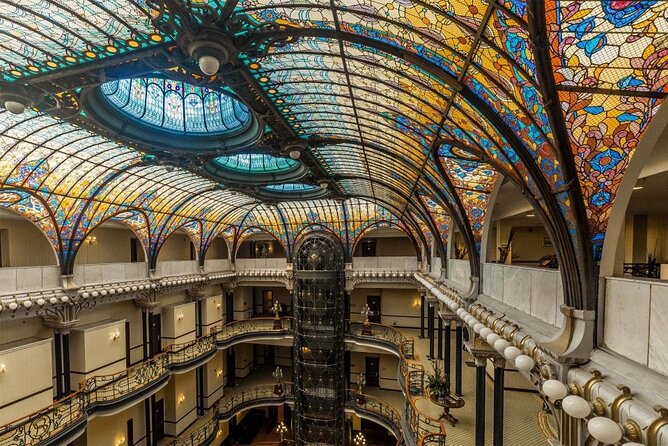
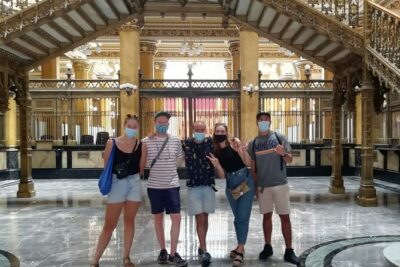
After sweets, the tour shifts into glamour at the Gran Hotel Ciudad de México. The standout detail here is the Tiffany stained-glass ceiling, which can feel almost surreal in the middle of an urban walking route.
What I like about this stop is the “contrast effect.” The Historic Center includes layers from different eras, and this hotel interior helps you feel that layering in a tangible way. It is ornate without being cold, and it gives you a calmer place to think about how people have experienced Mexico City’s modern identity.
You also get that perfect photo opportunity people love: the ceiling view and the sense of scale you can only really appreciate when you are physically there.
Mexico City Cathedral and then Temple Mayor: the religious scale switch
Two of the most important stops come back-to-back. You visit the Metropolitan Cathedral of Mexico City, one of the largest in Latin America, and then you move on to the Templo Mayor ruins.
Here is why this sequence works:
- The cathedral gives you an enormous, visible symbol with clear vertical dominance.
- Temple Mayor then flips the switch to the Aztec layer under the city, including an explanation about remains beneath your feet.
At the Templo Mayor, you also get a panoramic-view element that is ideal for photos. And the narration adds the emotional weight, because you are not just looking at ruins. You are learning how the city kept going while older worlds stayed literally under your steps.
This is the moment where the tour title makes sense in a deeper way. Food and architecture are not separate. They are how people mark place, memory, and identity.
Lunch at the end: plan your appetite for quesadilla comfort food
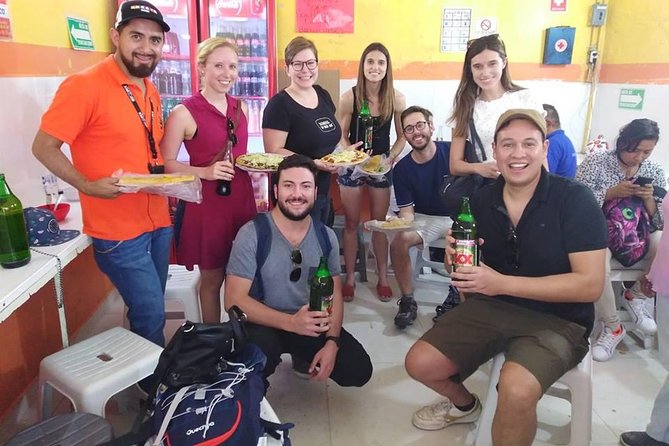
The lunch is simple, warm, and very Mexico City: a quesadilla. You will get it in the form of a soft corn or blue corn tortilla, lightly toasted and folded. It is filled with melted cheese plus huitlacoche (Mexican corn truffle), and then topped or finished with crispy pork or meat. You finish it with red or green salsa.
A big practical tip, based on common tour feedback: lunch is at the end. If you start the day hungry and then get distracted by murals and museums, you will feel it later when the meal finally lands. So if you have a choice, eat a small breakfast or at least pack water and a light snack before you go.
Also, if you are curious about huitlacoche, this is one of the more straightforward ways to try it. You are not hunting for it on your own, and you are not guessing how it will work in a real dish. It is built into the lunch.
What the best guides do with this route
The tour’s success depends heavily on the guide, and the names that show up often in standout experiences include Rodrigo, Balam/Balaam, Miguel, and Balsam. The consistent praise is not just that they know the buildings, but that they make the walk feel like a story you can follow.
You will likely experience:
- Patient pacing when the group gets split or someone needs help finding the meeting spot.
- Clear explanations that connect each landmark to the city’s bigger timeline.
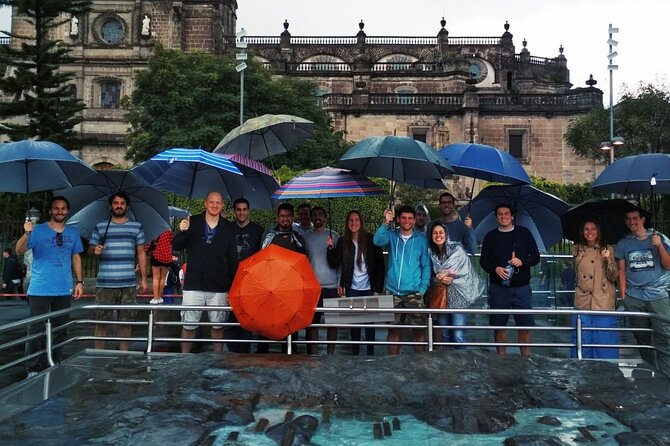
- Smart reroutes when the streets get crowded or blocked due to demonstrations or rain.
One thing I really value on walking tours is adaptability. Mexico City can change fast. When crowds build or access changes, a good guide keeps your day on track without turning the tour into a scramble.
Pace, comfort, and practical tips for a 3-hour Historic Center walk
This is a walking tour, not a sit-down museum day. Even if you are fit, expect steady movement and plenty of stair and curb moments. The route tends to run long enough that comfortable shoes are not optional.
Here are practical ways to make it easier:
- Wear comfy shoes you trust on uneven pavement.
- Bring water, especially if the sun is out.
- Keep your phone ready for the Temple Mayor photo angles.
- If rain hits, go with it, because the day is planned to keep going.
If you have knee issues or mobility constraints, the good news is that most travelers can participate. The reality is that “participate” still means walking through streets and between stops. If you are unsure, I’d think hard about your comfort level before booking.
Who should book this tour?
This is a good fit if you want:
- A fast orientation to the Historic Center
- A balanced mix of architecture, art, and food
- A small-group walk where the guide can answer questions
You will probably enjoy it most if you are a first-timer or a short-stay visitor who wants to see the big landmarks without spending hours planning how to connect them.
If you are the type who prefers deep museum time over street-level walking, you might find the pace intense. But if you like “see, snack, learn, repeat,” this is right in your lane.
Should you book? My practical verdict
Book it if you want a one-stop introduction to Mexico City’s core, with food that actually feels tied to place, not random stops. At $49 you are paying for a guide plus included entry tickets and a real lunch, and you also get the kind of structure that helps you enjoy the Historic Center instead of getting lost in it.
Skip it only if you hate walking, dislike surprise crowd conditions, or you want a tour centered more on music than food and architecture. Based on what is built into the route, this is primarily a food-and-landmark experience, with storytelling that makes the city easier to understand.
FAQ
How long is the tour?
It runs for about 3 hours.
What is the group size limit?
The tour has a maximum of 15 travelers.
Is the tour offered in English?
Yes, it is offered in English.
Where does the tour start and end?
It starts at the Diego Rivera Mural Museum (Calle Colón Balderas s/n, Colonia Centro, Centro, Cuauhtémoc, 06040 Ciudad de México, CDMX, Mexico) and ends back at the meeting point.
What’s included in the price?
The price includes all fees and taxes, a guide, entry tickets, and a lunch quesadilla.
What food will I eat on this tour?
You will have traditional bread at La Ideal Bakery, a quesadilla for lunch (corn or blue corn tortilla, cheese plus huitlacoche, crispy pork or meat, and red or green salsa), and sweet tastings at Dulceria de Celaya.
Do I need to arrange transport?
No private transportation is included, and the tour is near public transportation.
How many wonders or stops are there?
The route covers 10 stops across Mexico City’s Historic Center.
Is cancellation flexible?
There is free cancellation if you cancel at least 24 hours in advance for a full refund.
A Bigger Taste of Mexico City






More Tour Reviews in Mexico City


More Streets Around the Centro Historico


More Mexico City plans worth opening
Historic Center Walking Tours for the next day.
 ★ 5.0Historic Downtown Walking TourFrom $261,289 reviews
 ★ 5.0Historic Center Food Tour in Mexico CityFrom $1151,263 reviews
 ★ 4.8Historic Downtown Walking TourFrom $261,039 reviews
 ★ 5.0Walking Tour of the Historic Center of Mexico City870 reviews
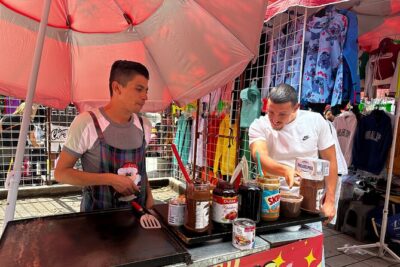 ★ 5.0Mexico City Historical Centre Food Tour with 7 Authentic TastingsFrom $65723 reviews
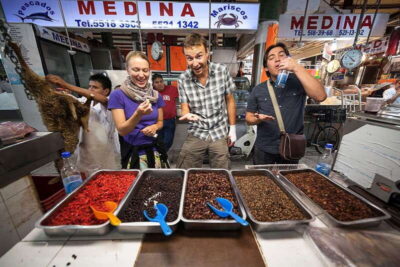 ★ 4.9Authentic Downtown Food TourFrom $115260 reviews
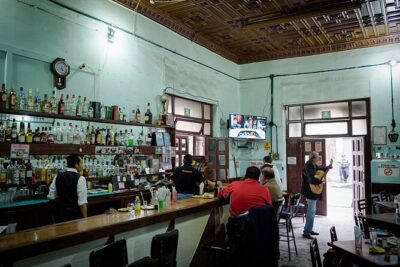 ★ 5.0Culinary Secrets of the Centro HistóricoFrom $140257 reviews
 ★ 5.0Walking Tour – Impressive murals in Historical Center of Mexico CityFrom $51224 reviews
This review also appears in